
Views: 222 Author: Sara Publish Time: 2026-01-18 Origin: Site


Content Menu
● Introduction to Polydextrose
● What Makes Polydextrose Unique
● Brazil's Polydextrose Market Landscape
● Leading Polydextrose Manufacturers and Suppliers
>> Barentz Brazil: Industry Leader
>> B2Brazil Network of Suppliers
>> Shandong and Emerging Brazilian Producers
● Advanced Manufacturing Capabilities
● Key Applications Across Industries
>> Food and Beverage Innovations
● Quality Assurance and Certifications
● Future Outlook and Innovations
● FAQ
>> 1. What distinguishes Brazilian polydextrose manufacturers and suppliers?
>> 2. Which certifications do top polydextrose suppliers in Brazil hold?
>> 3. How does polydextrose benefit food formulations from Brazilian suppliers?
>> 4. Can polydextrose manufacturers offer custom OEM services?
>> 5. What drives growth for polydextrose suppliers in Brazil?
Polydextrose manufacturers and suppliers in Brazil dominate the functional ingredients market, providing high-quality soluble dietary fiber essential for food, beverage, and healthcare innovations. These polydextrose manufacturers and suppliers cater to global demands with expertise in natural sweeteners, functional polyols, and dietary fibers, offering OEM/ODM services for mixed sweetener developments and tablet production.

Polydextrose, a versatile synthetic polymer derived from dextrose, sorbitol, and citric acid, functions as a low-calorie bulking agent and soluble fiber. Polydextrose manufacturers and suppliers in Brazil produce this ingredient with exceptional purity, typically exceeding 90%, making it ideal for sugar reduction without compromising texture or mouthfeel. Its prebiotic properties support gut health, positioning polydextrose from top manufacturers and suppliers as a staple in health-conscious formulations.[1]
Widely recognized for its stability under heat and acid conditions, polydextrose suits baking, confectionery, and beverage applications. Polydextrose manufacturers and suppliers ensure compliance with international standards like USP NF and FCC Food Grade, appealing to foreign manufacturers seeking reliable partners. This ingredient's non-glycemic nature benefits diabetic-friendly products, driving demand among polydextrose manufacturers and suppliers in Brazil's thriving export sector.[2][3]
Unlike traditional fibers, polydextrose offers a clean taste profile with minimal laxative effects at recommended dosages of 10-15 grams per day. Polydextrose manufacturers and suppliers innovate by blending it with natural sweeteners like stevia or monk fruit, creating synergistic mixes for reduced-calorie products. Brazilian polydextrose manufacturers and suppliers excel in customizing viscosity and solubility to match specific formulation needs.
The production process involves polymerization under vacuum, yielding a free-flowing powder with low hygroscopicity. Leading polydextrose manufacturers and suppliers in Brazil invest in advanced reactors to achieve consistent molecular weight distribution, ensuring batch-to-batch uniformity. This technical prowess allows polydextrose suppliers to serve diverse industries, from sports nutrition to medical nutritionals.[4]
Brazil's polydextrose market has expanded rapidly, fueled by a population increasingly focused on wellness and low-sugar diets. Polydextrose manufacturers and suppliers benefit from the country's status as a global agribusiness powerhouse, with abundant dextrose sources from corn and sugarcane. Market projections indicate double-digit growth through 2030, driven by exports to North America and Europe.[4]
Government incentives for functional food production bolster local polydextrose manufacturers and suppliers. Brazil's ANVISA regulations align with FDA and EU standards, facilitating seamless international trade. Polydextrose suppliers leverage free trade zones in São Paulo and Santos for efficient logistics, positioning Brazil as a hub for polydextrose manufacturers and suppliers serving multinational brands.
Barentz emerges as a premier name among polydextrose manufacturers and suppliers in Brazil, specializing in pharmaceutical and food-grade polydextrose. Their products enhance intestinal health and replace sugar in beverages, yogurts, and baked goods, offering superior body and texture. Barentz's polydextrose manufacturers and suppliers provide tailored solutions, including liquid and powdered forms for diverse applications.[1]
With a strong R&D focus, Barentz develops polydextrose blends with functional polyols like maltitol, catering to OEM/ODM demands. As top polydextrose manufacturers and suppliers, they ensure traceability from raw materials to finished goods, meeting Halal and Kosher certifications.
The B2Brazil platform connects buyers with verified polydextrose manufacturers and suppliers across Brazil, emphasizing probiotic-like benefits and sugar-mimicking properties. These polydextrose suppliers offer competitive pricing for bulk soluble dietary fiber, ideal for international food processors. B2Brazil-facilitated polydextrose manufacturers and suppliers streamline procurement with digital catalogs and sample programs.[5]
Suppliers on this network specialize in polydextrose for low-carb bars and fiber-fortified juices, expanding Brazil's footprint in global supply chains. Polydextrose manufacturers and suppliers here prioritize sustainability, sourcing non-GMO dextrose for eco-friendly production.
While Chinese firms like Shandong influence global supply, Brazilian polydextrose manufacturers and suppliers adapt similar technologies for local dominance. Emerging producers in regions like Paraná integrate polydextrose into mixed sweetener lines, mirroring OEM models for tablet compression and powder blends. These polydextrose suppliers focus on cost-efficiency without sacrificing quality.[6]
Local innovation includes polydextrose variants with enhanced solubility for clear beverages, setting Brazilian polydextrose manufacturers and suppliers apart.
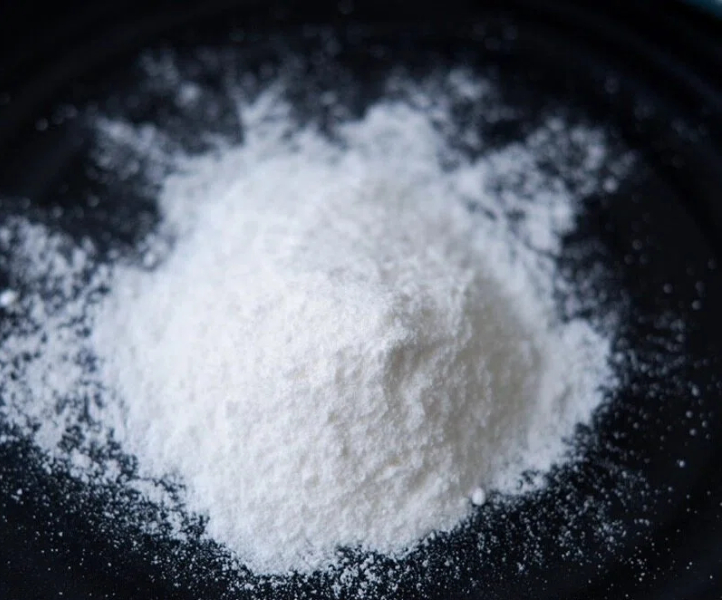
Polydextrose manufacturers and suppliers in Brazil employ state-of-the-art extrusion and spray-drying technologies to produce high-purity polydextrose. Facilities feature cleanrooms for pharmaceutical grades, with in-line NIR spectroscopy for real-time quality control. As leading polydextrose suppliers, they scale from 1-ton pilots to 1000-ton campaigns, supporting global OEM partners.
Customization extends to particle size engineering, vital for tablet binders in healthcare applications. Polydextrose manufacturers and suppliers blend fibers with natural sweeteners, creating patentable formulations for beverages and supplements.
In Brazil's massive beverage sector, polydextrose manufacturers and suppliers fortify juices and energy drinks with 2-5% fiber, improving viscosity without sweetness. Bakery products use polydextrose at 10-20% replacement levels for sugar, retaining softness in low-cal breads and cakes. Confectionery benefits from polydextrose's humectancy, preventing crystallization in gums and jellies.[4]
Polydextrose suppliers enable clean-label claims like "high in fiber," boosting shelf appeal. Brazilian polydextrose manufacturers and suppliers partner with juice giants for functional sodas targeting health trends.
Pharmaceutical polydextrose from top suppliers serves as an excipient in chewable tablets and syrups, aiding drug release and masking bitterness. Medical nutritionals incorporate polydextrose for prebiotic support in enteral feeds. Polydextrose manufacturers and suppliers in Brazil supply clinical-grade material for gut health supplements, aligning with rising IBS and microbiome awareness.
OEM services include direct compression tablets blending polydextrose with vitamins and minerals, streamlining production for foreign brands.
Beyond consumer goods, polydextrose manufacturers and suppliers provide animal feed fibers and pet nutrition additives. Export-oriented polydextrose suppliers target Asia-Pacific markets, leveraging Brazil's competitive logistics.
Brazilian polydextrose manufacturers and suppliers uphold rigorous standards, including FSSC 22000, BRC, and SQF certifications. Purity assays confirm 97-99% polydextrose content, with low monosaccharide impurities under 4%. Microbial and heavy metal testing ensures safety for global distribution.[3][2]
Sustainability certifications like Rainforest Alliance underscore ethical sourcing among polydextrose suppliers. Traceability systems track lots via blockchain, building trust with international buyers.
| Supplier | Production Capacity | Key Certifications | Primary Applications | Export Markets | Unique Offerings |
|---|---|---|---|---|---|
| Barentz Brazil | 5000 MT/year | ISO, Halal, Kosher | Beverages, Pharma | US, EU | Custom blends |
| B2Brazil Partners | Variable (network) | FCC, USP NF | Food, Nutrition | Americas | B2B platform |
| Local Producers | 2000 MT/year | FSSC 22000 | OEM Tablets | Brazil, LATAM | Polyol mixes |
| Shandong-Inspired | High-volume | GMP | Industrial | Global | Cost-competitive |
Buyers should audit polydextrose manufacturers and suppliers for DE values around 0.9 and solubility exceeding 70g/100ml. Request COAs and stability data from polydextrose suppliers. Long-term MOUs with Brazilian manufacturers secure pricing amid volatile raw material costs.[5]
Platforms like B2Brazil facilitate RFQs, while trade shows in São Paulo connect directly with polydextrose manufacturers and suppliers.
ANVISA approves polydextrose as GRAS-equivalent, with intake limits mirroring EFSA's 90g/day max. Polydextrose manufacturers and suppliers navigate harmonized labeling for fiber claims. Export polydextrose suppliers comply with US FDA FSMA and EU Novel Foods regs.
AI analytics optimize yields for polydextrose manufacturers and suppliers, predicting demand spikes. Biofermentation advances promise next-gen polydextrose with superior prebiotic scores. Brazilian suppliers explore polydextrose in plant-based meats and 3D-printed foods.[4]
Sustainability drives recycled packaging among polydextrose manufacturers and suppliers, aligning with ESG mandates.
Brazil stands as a powerhouse for polydextrose manufacturers and suppliers, delivering innovation, quality, and scalability to the global functional ingredients arena. Their OEM/ODM expertise in natural sweeteners and fibers empowers foreign partners to meet health-driven demands. Engaging these top polydextrose sources ensures competitive, future-proof supply chains.

Brazilian polydextrose manufacturers and suppliers excel in high-purity production, OEM blending, and export compliance, leveraging local dextrose abundance for cost advantages.[1]
Leading polydextrose suppliers carry USP NF FCC, ISO, Halal, Kosher, and FSSC 22000, ensuring global acceptability.[2][3]
Polydextrose from these suppliers adds bulk, fiber, and texture, enabling sugar reduction by up to 30% in beverages and baked goods.[4]
Yes, polydextrose manufacturers provide full OEM/ODM for tablets, mixes, and powders tailored to client specs.[5]
Health trends, regulatory support, and export demand propel polydextrose suppliers, with market CAGR exceeding 8%.[4]
[1](https://brasil.barentz.com/en/segmentos/pharmaceuticals/polidextrose/)
[2](https://www.anmol.org/polydextrosemanufacturers.html)
[3](http://mubychem.com/polydextrosemanufacturers.html)
[4](https://www.linkedin.com/pulse/brazil-polydextrose-market-ai-impact-size-drivers-pppbc)
[5](https://b2brazil.com/hotsite/henantailijie2/polydextrose)
[6](http://qxb-pdf-osscache.qixin.com/AnBaseinfo/6d50c8ebeb3a21ab0ead43bb65e808af.pdf)


