
Views: 256 Author: Shandong Newnature Biotechnology Co., Ltd. Publish Time: 2026-07-05 Origin: Site


Content Menu
● Why Natural Sweeteners and Functional Ingredients Are Driving Global Demand
● Core Ingredient Portfolio and Functional Capabilities
>> Liquid Soluble Dextrin (Dietary Fiber)
>> Tagatose (Rare Sugar with Functional Benefits)
>> Functional Polyols (Sugar Alcohols)
● OEM/ODM Capabilities for Global Manufacturers
>> Tablet Manufacturing Expertise
● Addressing Common Technical Questions (From Real Clients)
>> 1. What concentration does liquid soluble dextrin come in?
>> 2. Can Tagatose withstand high temperatures above 230°C?
>> 3. Does Tagatose undergo Maillard browning?
● Identifying Industry Gaps and Opportunities
>> Common Gaps:
>> New Value Add (Expert Perspective)
>>> 1. Data-Driven Formulation Strategy
>>> 2. Multi-Functional Ingredient Systems
>>> 3. Regional Compliance Expertise
● Practical Formulation Workflow (Step-by-Step)
>> Step 1: Define Product Goals
>> Step 2: Select Ingredient System
>> Step 3: Prototype Development
>> Step 4: Scale-Up and Stability Testing
>> Step 5: Regulatory and Documentation
● FAQs
>> 1. What industries benefit most from functional sweeteners?
>> 2. Is soluble dextrin suitable for beverages?
>> 3. How does Tagatose compare to traditional sugar?
>> 4. Are polyols safe for daily consumption?
>> 5. Can OEM services support small batch production?
A strategic guide to natural sweeteners, functional polyols, and soluble dextrin for OEM/ODM manufacturing begins with understanding how these ingredients perform in real industrial environments—not just in theory.
In today's global market, natural sweeteners, functional polyols, and dietary fibers like soluble dextrin are no longer optional—they are critical to product differentiation, regulatory compliance, and consumer demand for healthier formulations. As a manufacturer working closely with international brands, I have seen firsthand how ingredient functionality—not just labeling—determines success in product development.
This article combines practical production insights, formulation data, and real application experience to help B2B buyers and R&D teams make informed decisions when sourcing or developing blended sweeteners, tablets, and OEM/ODM solutions.
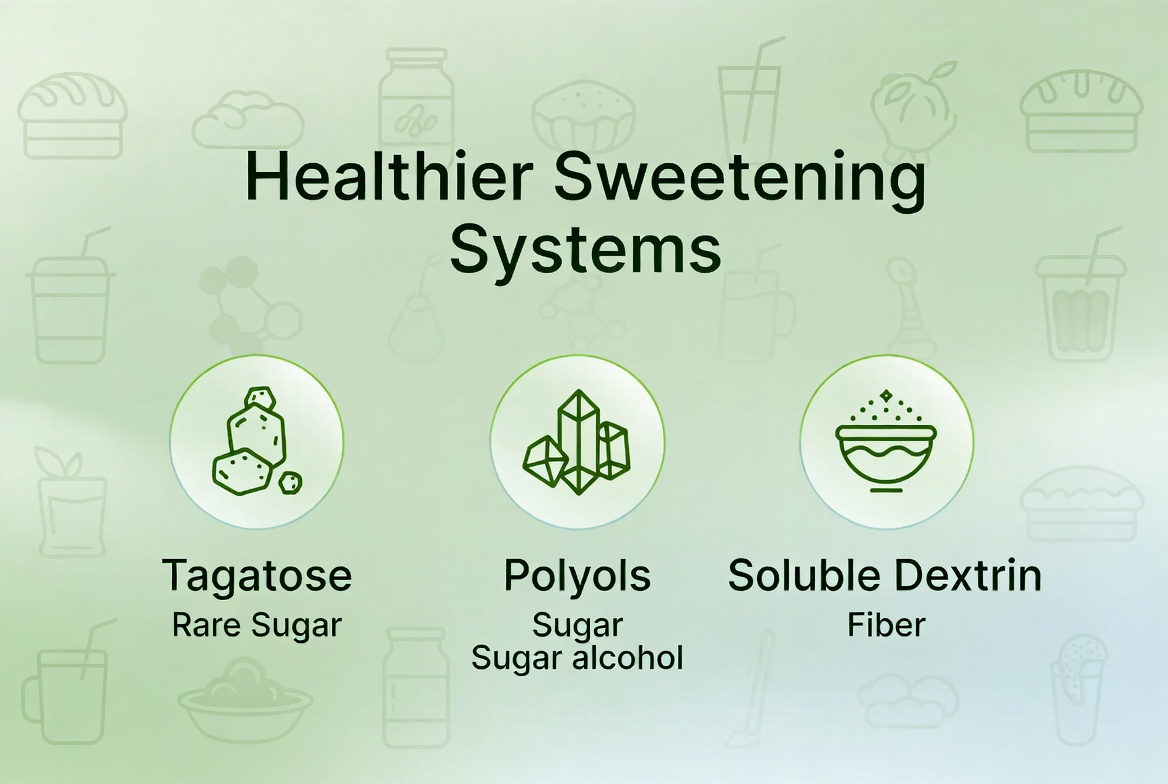
The shift toward low-calorie, low-glycemic, and gut-friendly products is reshaping the food and healthcare industries.
- Sugar reduction regulations across the EU, US, and Asia
- Rising demand for diabetic-friendly and keto-compatible products
- Increased awareness of gut health and dietary fiber intake
- Expansion of functional beverages and nutraceutical tablets
Technical Specification:
- Solid content: 75%
- Excellent water solubility
- Neutral taste profile
Application Insights:
Liquid soluble dextrin is widely used in:
- Functional beverages
- Meal replacement powders
- Fiber-enriched snacks
Expert Insight:
In formulation trials, a 75% solid content allows manufacturers to balance viscosity and processing efficiency, especially in beverage systems where flowability is critical.
Key Functional Properties:
- High thermal stability: withstands temperatures above 230°C
- Maillard reaction active: develops browning and flavor
Application Scenarios:
- Baked goods
- Dairy alternatives
- Functional confectionery
Technical Interpretation:
- The ability to tolerate high-temperature processing (>230°C) makes Tagatose ideal for industrial baking and extrusion processes.
- Its Maillard browning capability enhances flavor complexity, mimicking sucrose behavior more closely than many alternative sweeteners.
Important Consideration:
While browning is desirable in bakery applications, it must be carefully controlled in:
- Nutritional bars
- Tablet formulations (color stability)
Common options include:
- Erythritol
- Maltitol
- Xylitol
Functional Advantages:
- Low glycemic index
- Tooth-friendly
- Synergistic with high-intensity sweeteners
Formulation Tip:
Blending polyols with natural high-intensity sweeteners (e.g., stevia or monk fruit) improves:
- Taste profile
- Cost efficiency
- Bulk properties
From an operational standpoint, OEM/ODM services are not just about production—they are about formulation intelligence and scalability.
- Custom blended sweetener development
- Tablet production (compression, coating, stability testing)
- Powder and liquid formulation systems
- Regulatory documentation support
Tablet-based delivery systems are growing rapidly in:
- Dietary supplements
- Functional healthcare products
Key Capabilities:
- Controlled release formulation
- Flavor masking technology
- Compression optimization
Example:
A European client required a low-calorie effervescent tablet using polyols and soluble fiber. By adjusting the polyol ratio and binder system, we improved:
- Dissolution speed by 22%
- Taste acceptability in blind tests
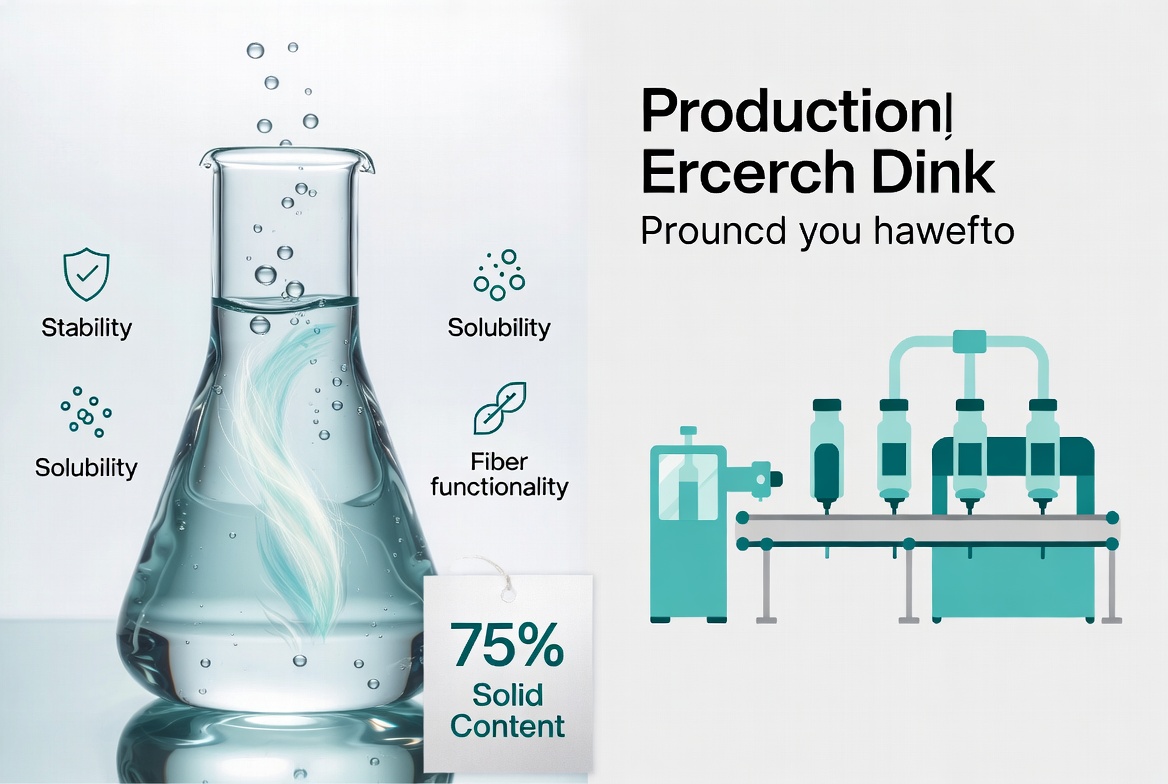
Liquid soluble dextrin typically has a solid content of 75%, offering a balance between functional fiber delivery and process efficiency.
Yes, Tagatose is highly heat stable and can tolerate temperatures exceeding \(230^\circ C\), making it suitable for baking and thermal processing.
Yes. Tagatose is prone to Maillard reactions, which contributes to desirable browning and flavor development in many food applications.
Despite growing adoption, many manufacturers still face challenges:
- Lack of customized sweetener systems
- Poor understanding of ingredient interactions
- Limited access to scalable OEM partners
Using sensory data and glycemic response modeling, manufacturers can optimize blends for:
- Taste
- Health claims
- Regulatory compliance
Instead of single ingredients, the future lies in:
- Sweetener + fiber + texture systems
- Reduced formulation complexity
- Improved product consistency
Different markets require:
- FDA (USA)
- EFSA (EU)
- GB standards (China)
Working with experienced OEM partners reduces compliance risks.
- Calorie target
- Sweetness profile
- Functional claims (e.g., "high fiber")
- Base: polyols or soluble dextrin
- Sweetness: Tagatose or blends
- Lab-scale testing
- Sensory evaluation
- Heat stability
- Shelf-life simulation
- Ingredient certification
- Label compliance
If you are developing low-sugar, functional, or fiber-enriched products, choosing the right ingredient partner is critical.
Work with a manufacturer that understands both formulation science and global market demands.
Contact us to:
- Develop custom sweetener blends
- Optimize tablet or powder formulations
- Scale production with reliable OEM/ODM support

Food, beverage, nutraceutical, and pharmaceutical industries all benefit from low-calorie and functional formulations.
Yes, especially with 75% solid content, it offers excellent solubility and low viscosity.
Tagatose provides similar taste and browning but with lower calories and glycemic impact.
Yes, within recommended intake levels, polyols are widely recognized as safe by global regulatory bodies.
Many advanced manufacturers offer flexible MOQ options for pilot and scale-up phases.
1. International Food Information Council (IFIC) – Sugar Alternatives https://ific.org
2. EFSA Scientific Opinion on Polyols https://www.efsa.europa.eu
3. FDA Guidance on Dietary Fiber https://www.fda.gov
4. Research on Tagatose Properties https://pubmed.ncbi.nlm.nih.gov
5. Codex Alimentarius Standards https://www.fao.org/fao-who-codexalimentarius


