
Views: 222 Author: Sara Publish Time: 2025-09-21 Origin: Site


Content Menu
● Understanding Crystalline Fructose and Its Applications
● Market Overview of Crystalline Fructose in Sweden
● Leading Fructose Crystalline Manufacturers and Suppliers in Sweden
● The Manufacturing Process of Crystalline Fructose
● Health Benefits and Consumer Preference
● Innovations and Trends in Sweden's Sweetener Industry
● Sustainability and Regulatory Compliance
● Applications of Crystalline Fructose in Sweden
>> 1. What is crystalline fructose and how is it made?
>> 2. Why is crystalline fructose preferred over regular sugar?
>> 3. Are there major manufacturers of crystalline fructose in Sweden?
>> 4. Is crystalline fructose safe for consumption?
>> 5. What industries in Sweden use crystalline fructose?
In recent years, the demand for healthier sweetener alternatives has surged globally, driven by growing consumer awareness of nutritional health and the adverse effects of excessive sugar consumption. Among these alternatives, crystalline fructose has garnered significant attention due to its natural origin, superior sweetness, and low glycemic index. Sweden, known for its progressive healthcare and food industries, boasts a promising market for crystalline fructose, supported by manufacturers and suppliers committed to high-quality natural sweeteners. This article explores the top fructose crystalline manufacturers and suppliers in Sweden, highlighting market dynamics, leading companies, product benefits, and industry trends.
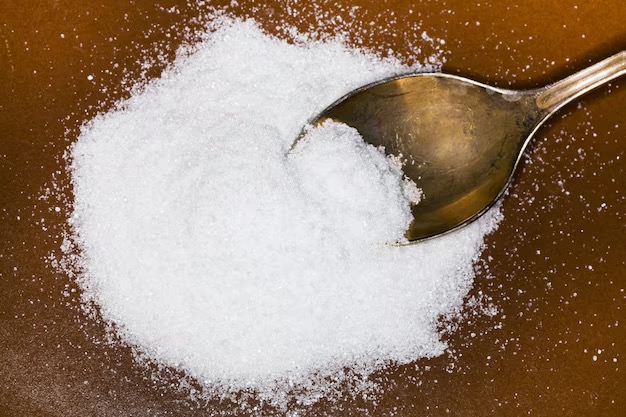
Crystalline fructose is a highly purified form of fructose, derived through enzymatic starch hydrolysis followed by concentration and drying processes. It is naturally found in many fruits and vegetables and recognized for providing about 1.5 times the sweetness of sucrose (table sugar) with fewer calories. Due to its superior sweetness and low glycemic index, it has become a popular ingredient in the food, beverage, and pharmaceutical industries.
In Sweden, crystalline fructose is valued not only for its sweetness but also for its alignment with the country's sustainability and health-conscious goals. It is widely used in beverages, bakery, dairy products, dietary supplements, and pharmaceuticals. The pharmaceutical industry, in particular, benefits from crystalline fructose as a natural excipient and sweetening agent in drug formulations targeting metabolic disorders and chronic diseases.
The Swedish crystalline fructose market is estimated to be valued around USD 40 million as of 2023, with projections indicating steady growth to USD 55 million by 2028. This growth is propelled by increasing demand for natural sweeteners that are sustainable, safe, and beneficial to health. Sweden's advanced regulatory environment, coupled with a strong infrastructure for healthcare and food innovation, fosters the development and adoption of crystalline fructose products.
Consumer trends in Sweden are favoring products with natural ingredients and clean labels, further driving demand for fructose crystalline manufacturers and suppliers who adhere to stringent quality and sustainability standards. Additionally, collaborations between biotech firms and pharmaceutical companies in Sweden accelerate product innovation, especially for formulations addressing lifestyle diseases.
While Sweden hosts a dynamic market with several distributors and R&D centers focused on fructose crystalline, many of the actual manufacturing operations are tied to large multinational corporations operating within and exporting to the region. Some of these key players include:
- Galam Group: Although headquartered in Israel, Galam supplies sweetener raw materials including crystalline fructose to European markets, including Sweden. The company is known for its high-quality natural extracts and sweetener solutions catering to food, beverage, and pharmaceutical industries.
- Tate & Lyle: A global leader in starch and sweetener production, Tate & Lyle serves Sweden's market with crystalline fructose derived from corn starch processed under advanced purification protocols.
- DANISCO (a DuPont Nutrition & Biosciences brand): Providing clean-label sweetener alternatives, Danisco's fructose crystalline is popular in Sweden for both food and pharmaceutical applications.
- Local Swedish Distributors: There are specialized Swedish suppliers who import crystalline fructose from these international manufacturers and blend them into custom formulations or supply them as raw materials to domestic food and pharmaceutical companies.
To strengthen understanding and trust, manufacturers and suppliers ensure compliance with European Food Safety Authority (EFSA) guidelines, reporting transparent product quality and safety data.

The production of crystalline fructose is a complex and highly controlled process involving several stages to ensure high purity, excellent crystallization, and product stability. The core steps include:
- Fructose Syrup Preparation: High-purity fructose syrup with a concentration exceeding 88% is prepared by enzymatic hydrolysis and purification of starch sources such as corn or wheat. The syrup concentration is crucial for optimal crystallization.
- Seeding and Crystallization: The syrup is cooled to specific temperatures (typically between 60°F to 80°F or 15°C to 27°C) and seeded with pure fructose crystals to initiate crystallization. The mixture is stirred gently at controlled humidity and temperature for 2 to 72 hours, allowing fructose crystals to form and grow.
- Crystal Harvesting and Drying: After crystallization, the crystals are separated using centrifugation or filtration. They are then washed, dried under vacuum or low heat (below 150°F or 65°C), and size-reduced by grinding for uniform particle size.
- Packaging: The dried, free-flowing, anhydrous crystalline fructose is packed in moisture-proof bags or big bags, ready for industrial use. Modern pneumatic conveying systems are used to prevent crystal damage during transfer.
This manufacturing process is energy-intensive and requires sophisticated machinery, lab monitoring, and precise control across all phases to produce crystalline fructose with 99.99% purity and ideal physical properties suitable for food, beverage, and pharmaceutical applications.
Crystalline fructose's appeal lies not only in its sweetness but also its health profile. It has a lower glycemic index compared to sucrose, making it suitable for diabetic-friendly foods and beverages. Its higher sweetening power allows manufacturers to use less quantity for the same level of sweetness, reducing overall calorie content.
Swedish consumers are particularly conscious of health impacts and environmental sustainability. This has led to increased market acceptance of crystalline fructose in natural, organic, and clean-label product lines in foods and supplements. Moreover, its suitability for pharmaceutical formulations as a natural excipient underscores its versatility.
Sweden's crystalline fructose market benefits from innovative developments in biotechnology and food science. Companies invest heavily in refining extraction processes, enhancing sweetness while maintaining natural purity. New product forms, such as blends with functional polyols and dietary fibers, meet consumer demands for multi-functional health ingredients.
The market is also witnessing an increasing incorporation of crystalline fructose into low-calorie and sugar-reduced product lines, capitalizing on its intense sweetness and metabolic benefits. Manufacturers emphasize product traceability, sustainability certifications, and clean-label commitment to appeal to eco-conscious Swedish customers.
Video content demonstrating manufacturing processes, quality testing, and application development is widely used by leading manufacturers and suppliers to engage B2B customers and end consumers, showcasing transparency and industry expertise.
Swedish fructose crystalline manufacturers and suppliers align with national and European sustainability goals by using responsibly sourced raw materials and employing energy-efficient manufacturing methods. Compliance with EFSA standards ensures product safety, while manufacturers implement waste reduction and recycling practices throughout production.
Manufacturers in Sweden and Europe are increasingly transparent about sourcing, production emissions, and impact on biodiversity, which appeals to the environmentally conscious market segment. These commitments enhance brand reputation and customer trust in crystalline fructose products.
Sweden's industries utilize crystalline fructose across multiple sectors:
- Food and Beverage: Used extensively as a sweetener in soft drinks, flavored waters, bakery products, dairy desserts, and confectionery.
- Pharmaceuticals: Acts as a sweetening and binding agent in tablets, syrups, and nutritional supplements.
- Dietary Supplements: Incorporated in health products aimed at weight management and blood sugar control.
- Cosmetics and Personal Care: Occasionally used in formulations for its humectant and skin-conditioning properties.
These diverse applications have contributed to the expansion of fructose crystalline manufacturers and suppliers catering to Sweden's broad industrial needs.
Sweden's crystalline fructose market is positioned for sustained growth propelled by increasing consumer demand for natural, effective, and health-promoting sweeteners. Leading global manufacturers, supported by specialized local suppliers and distributors, ensure availability of high-quality fructose crystalline that meets Sweden's strict regulatory and sustainability standards. With continuous innovation, expanding applications, and rising health consciousness, the crystalline fructose industry in Sweden offers vast opportunities for food, beverage, and pharmaceutical manufacturers aiming at cleaner labels with superior taste profiles.

Crystalline fructose is a high-purity form of fructose derived from enzymatic hydrolysis of starch. It is produced by concentrating fructose syrup to high solids, seeding with pure fructose crystals, then allowing slow crystallization before harvesting and drying.
It is about 1.5 times sweeter than sucrose and has a lower glycemic index, making it suitable for low-calorie and diabetic-friendly products. It also allows manufacturers to reduce total sugar content without compromising sweetness.
While Sweden hosts many distributors and R&D hubs, the actual manufacturing is mostly done by global companies like Tate & Lyle, Danisco, and Galam Group, which supply the Swedish market.
Yes, it is approved by the European Food Safety Authority (EFSA) and widely used in food, beverage, and pharmaceutical products with a strong safety record.
It is used widely in food and beverage manufacturing, pharmaceuticals, dietary supplements, and even some cosmetic applications due to its natural sweetness and functional benefits.
[1](https://patents.google.com/patent/US4199373A/en)
[2](https://www.gpp-eng.com/crystalline-fructose.html)
[3](https://www.meckey.com/news/Crystalline-fructose-en.html)
[4](https://www.freepatentsonline.com/4199374.html)
[5](https://patents.google.com/patent/WO2003016577B1/en)
[6](https://www.sciencedirect.com/science/article/pii/S0002916523198078)
[7](https://www.sciencedirect.com/science/article/abs/pii/S0002916523198078)
[8](https://www.linkedin.com/pulse/crystalline-fructose-pharmaceutical-market-applications-9uxne)
[9](https://www.atamanchemicals.com/crystalline-fructose_u26527/)


