
Views: 222 Author: Sara Publish Time: 2025-12-21 Origin: Site


Content Menu
● Sucralose's Nutritional Profile
● Health Benefits of Sucralose Over Sugar
● Potential Side Effects of Sucralose
● Sucralose vs. Sugar: Head-to-Head Comparison
● Scientific Studies on Sucralose Safety
● Sucralose in Food, Beverages, and Manufacturing
● Regulatory Landscape and Controversies
● Natural Alternatives and Blends
● FAQs
>> 1. Is Sucralose Safe for Daily Use?
>> 2. Does Sucralose Raise Blood Sugar?
>> 3. Can Sucralose Lead to Weight Gain?
>> 4. Is Sucralose Suitable for Diabetics?
>> 5. What Side Effects Might Sucralose Cause?
Sucralose, a widely used artificial sweetener 600 times sweeter than sugar, has become a staple in low-calorie foods and beverages, but its safety compared to traditional sugar remains hotly debated. Manufacturers specializing in natural sweeteners, functional polyols, and dietary fibers often blend sucralose into custom mixes for food, beverage, and healthcare OEM/ODM services. This comprehensive analysis explores sucralose's chemistry, nutritional profile, health benefits, potential risks, scientific evidence, and direct comparisons to sugar, incorporating the latest research to help consumers make informed decisions.

Sucralose originates from sucrose, the common table sugar, but undergoes a chemical modification process called chlorination. In this process, three hydroxyl groups in the sucrose molecule are replaced by chlorine atoms, creating a compound that the human body cannot metabolize for energy. This alteration makes sucralose calorie-free and extraordinarily sweet—approximately 600 times sweeter than sucrose—allowing tiny amounts to deliver robust sweetness. Approved by the U.S. Food and Drug Administration (FDA) in 1998 for specific uses and later expanded, sucralose has gained approval from over 100 regulatory bodies worldwide, including the European Food Safety Authority (EFSA) and the Joint FAO/WHO Expert Committee on Food Additives (JECFA).
Unlike many artificial sweeteners, sucralose is remarkably stable under heat, making it suitable for cooking, baking, and processing in industrial settings. About 85-95% of ingested sucralose passes through the digestive system unchanged and is excreted in feces, with the remainder minimally absorbed and quickly eliminated via urine. This pharmacokinetic profile contributes to its reputation as a non-nutritive sweetener. In products like Splenda, sucralose is often bulking agents such as dextrose or maltodextrin, which provide the familiar granular texture but contribute negligible calories—typically around 3 calories per packet. Factories in China excel at developing sucralose blends with natural sweeteners and fibers for tablet production and custom formulations tailored to international manufacturers in the food and healthcare sectors.
The molecular structure of sucralose, a disaccharide derivative consisting of 1,6-dichloro-1,6-dideoxyfructose and 4-chloro-4-deoxygalactose, underscores its unique properties. This structure resists breakdown by digestive enzymes, preventing caloric contribution while mimicking sugar's taste profile closely, without the bitter aftertaste common in some alternatives.
At its core, sucralose offers zero calories per gram in its pure form, a stark contrast to sugar's 4 calories per gram. This makes sucralose an attractive option for calorie-conscious consumers aiming to reduce overall energy intake without sacrificing sweetness. On the glycemic index (GI) scale, pure sucralose scores a perfect 0, meaning it causes no rise in blood glucose or insulin levels in most individuals. Sugar, by comparison, has a GI of around 65, leading to rapid spikes in blood sugar that can exacerbate conditions like diabetes.
Consider a typical serving: one teaspoon of sugar (4 grams) delivers 16 calories and 4 grams of carbohydrates, while an equivalent sweetness from sucralose requires just a fraction of a gram, often packaged with minimal fillers. Long-term studies, including those spanning 12 weeks, confirm that sucralose does not significantly alter blood glucose or insulin in healthy adults or those with type 2 diabetes when consumed within acceptable daily intake (ADI) limits. The ADI for sucralose varies slightly by authority—5 mg/kg body weight by the FDA and JECFA, up to 15 mg/kg by EFSA—equating to about 23 packets of Splenda for a 150-pound person daily.
This nutritional edge positions sucralose as a tool for weight management and glycemic control. However, when blended in products, the overall nutritional impact depends on accompanying ingredients, highlighting the value of custom OEM blends from specialized factories that incorporate functional polyols and dietary fibers to enhance health benefits.
Sucralose shines in weight loss scenarios by enabling substantial calorie reductions; meta-analyses of randomized controlled trials show that replacing sugar with sucralose leads to modest but significant decreases in body weight and fat mass. For individuals managing diabetes, sucralose's lack of glycemic impact allows enjoyment of sweet flavors without the blood sugar rollercoaster induced by sucrose. Research demonstrates that sucralose can even enhance glucagon-like peptide-1 (GLP-1) release, a hormone that promotes satiety and lowers post-meal glucose when combined with carbohydrates.
Gut health studies provide intriguing insights: one trial found that sucralose-sweetened beverages resulted in lower levels of bacterial endotoxins compared to sugar-sweetened ones, suggesting better preservation of intestinal barrier integrity. Sucralose's heat stability further benefits food manufacturers, as it retains sweetness during high-temperature processing, unlike aspartame. For global health trends, sucralose supports reduced sugar intake, aligning with WHO recommendations to limit added sugars to under 10% of daily calories.
In practical applications, sucralose enables low-sugar formulations in beverages, yogurts, and baked goods, where factories blend it with natural ingredients for superior taste and functionality. These benefits collectively suggest sucralose outperforms sugar in key metabolic areas, particularly for obesity and diabetes prevention.
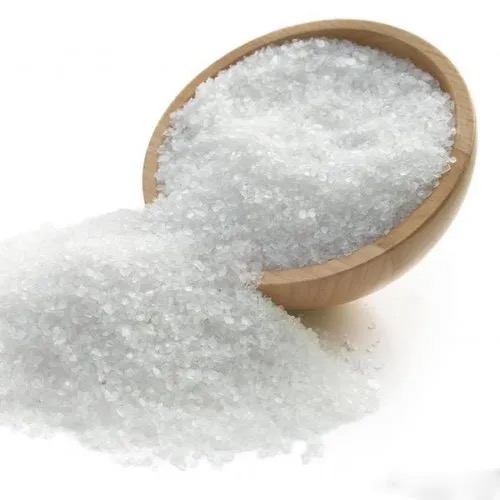
Despite its approvals, emerging research raises flags about sucralose's long-term effects. Animal studies indicate sucralose may alter the gut microbiome, reducing beneficial bacteria and potentially increasing insulin resistance, especially in obese models. Human observational data links frequent sucralose consumption to higher risks of digestive issues like bloating, gas, and diarrhea, alongside reports of headaches, allergic reactions manifesting as rashes, and even joint pain.
More concerning are findings on sucralose-6-acetate, an impurity formed during manufacturing, which exhibits genotoxic properties—damaging DNA and upregulating cancer-related genes in lab tests. Rodent studies have associated high-dose sucralose with leukemia and other malignancies, prompting the Center for Science in the Public Interest (CSPI) to downgrade it to "avoid." Sucralose also appears to bioaccumulate in fat tissues, potentially interfering with thyroid function and metabolism in rats.
In obese individuals, sucralose has been shown to blunt insulin sensitivity by about 20%, contrasting its neutral effects in lean subjects. Inflammatory bowel disease models in mice worsened with sucralose exposure, hinting at risks for those with gut disorders. While human evidence remains preliminary, these side effects underscore the need for moderation with sucralose, particularly when compared to sugar's more straightforward metabolic profile.
Directly pitting sucralose against sugar reveals a nuanced picture. Sugar drives obesity, type 2 diabetes, and cardiovascular disease through its caloric density and glycemic load, contributing to global epidemics. Sucralose eliminates these calories but introduces microbiome and genotoxicity concerns absent in natural sugar.
| Aspect | Sucralose | Sugar |
|---|---|---|
| Calories per gram | 0 (pure) | 4 |
| Sweetness Intensity | 600x sugar | Baseline |
| Glycemic Index | 0 | 65 |
| Blood Sugar Impact | Minimal in healthy; variable in obese | Significant spikes |
| Gut Microbiome | Potential disruption | Increases endotoxins |
| Cancer Concerns | Emerging from impurities/rodents | None direct |
| Heat Stability | Excellent | Good |
| Daily Safety Limit | ADI 5-15 mg/kg | <10% calories (WHO) |
Sugar's risks stem from overconsumption, while sucralose's arise from biological interactions. For short-term use, sucralose wins; long-term data favors caution.
Over 110 safety studies underpin sucralose's approvals, covering toxicology, metabolism, and carcinogenicity. Critics, however, point to industry-funded biases and overlooked high-dose effects, like fat accumulation in the Bornemann rat study. A 2018 study linked sucralose to aggravated Crohn's-like inflammation in mice, while 2023 research highlighted sucralose-6-acetate's DNA damage.
Human trials are mixed: sucralose boosts GLP-1 in healthy adults but not always in diabetics. Reviews on PubMed note subtle liver and kidney changes in animals at extreme doses. Regulatory bodies like EFSA reaffirmed the ADI in 2023 after re-evaluating data, but ongoing research continues to probe microbiome and metabolic impacts.
Sucralose dominates diet sodas, gums, and low-carb products due to its versatility. In industrial contexts, Chinese factories provide OEM/ODM services, blending sucralose with polyols like erythritol and fibers for tablets, syrups, and powders. Usage ratios—1 gram sucralose equals 200-600 grams sugar—optimize formulations for taste and cost.
Global regulators affirm sucralose safety within ADIs, but controversies persist. CSPI's "avoid" rating cites animal cancer data, while industry groups like the International Sweeteners Association defend with human epidemiology showing no links. Recent genotoxicity findings have spurred calls for impurity limits.
Stevia and monk fruit provide plant-based options with fewer processing concerns. Polyols and fibers blended with sucralose offer hybrid solutions, minimizing risks while maximizing benefits—ideal for custom health products.
Sucralose surpasses sugar in calorie reduction, glycemic control, and versatility, supported by extensive regulatory approvals and suitable for diabetes and weight management. However, emerging evidence on gut disruption, genotoxicity, and metabolic interference tempers enthusiasm, risks not inherent to sugar. Moderation is essential; consider factory-blended natural alternatives for balanced, health-focused solutions.

Sucralose remains safe within ADI limits per FDA and EFSA, but emerging gut and DNA concerns advise limiting intake, especially for sensitive individuals.
In healthy people, sucralose causes minimal blood sugar changes unlike sugar, though obese individuals may experience insulin resistance.
Directly no, due to zero calories, but microbiome alterations could indirectly promote metabolic issues over time.
Yes, for better glycemic stability than sugar, but monitor personal responses and pair with fiber blends.
Commonly bloating, headaches, and allergies; animal studies suggest inflammation and cancer risks at high doses.


