
Views: 222 Author: Sara Publish Time: 2025-12-21 Origin: Site


Content Menu
● Introduction To Sweetener And Sugar
>> Glycemic And Caloric Differences
● Artificial Sweetener: Definition And Types
● Natural High‑Intensity Sweetener
● Sugar Alcohol Sweetener (Polyols) And Functional Polyols
● Chemistry: Why Sweetener Differs From Sugar
● Metabolism And Blood Sugar Impact
● Health Effects: Benefits And Concerns
● Taste, Texture, And Sweetener Blends
● Sweetener In Food, Beverage, And Healthcare Products
● Safety And Regulation Of Sweetener
● Is Artificial Sweetener The Same As Sugar?
● FAQ
>> 1. Is artificial sweetener safer than sugar?
>> 2. Can Sweetener help with weight loss?
>> 3. Do artificial sweetener products cause cancer?
>> 4. Are natural Sweetener options always healthier than artificial ones?
>> 5. Which Sweetener is best for people with diabetes?
Sugar and Sweetener play central roles in modern food, beverage, and healthcare formulations, but they are far from identical. Understanding how each Sweetener type behaves in the body helps manufacturers, healthcare professionals, and consumers design smarter low‑sugar and sugar‑free options.[2][1]
A Sweetener can be caloric or non‑caloric, natural or synthetic, high‑intensity or bulk‑providing, and each category supports different technical and nutritional goals. Artificial sweetener has become a key Sweetener tool for lowering sugar while keeping a familiar taste experience, especially when combined with functional polyols and dietary fibers.[3][4]
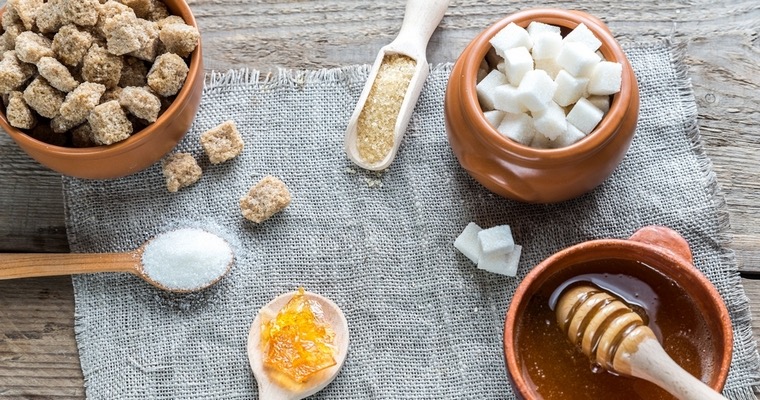
In everyday language, "sugar" usually means sucrose, a disaccharide from sugar cane or sugar beet used in table sugar, bakery products, and sweetened drinks. From a scientific perspective, sugar covers a whole family of simple carbohydrates, including glucose, fructose, lactose, and maltose, that are digested and absorbed quickly.[2][3]
Sugar provides about 4 calories per gram and raises blood glucose and insulin, delivering fast energy but also contributing to weight gain and metabolic stress when consumed in excess. Because sugar is cheap, stable, and highly palatable, it has been widely used for sweetness, browning, bulking, and preservation in processed foods.[4]
A Sweetener is any ingredient used to impart sweetness, and this includes sugars, sugar alcohols, artificial sweetener compounds, and natural high‑intensity Sweetener extracts like stevia and monk fruit. In nutrition and product development, the word Sweetener often refers specifically to sugar substitutes that help reduce calories or manage glycemia while preserving sweetness.[1][2]
Modern Sweetener systems are rarely single‑component solutions. Instead, formulators blend multiple Sweetener types—such as a high‑intensity artificial sweetener, a polyol Sweetener, and dietary fiber—to achieve the desired sweetness curve, mouthfeel, and stability in applications ranging from beverages to medical nutrition products.[5]
There are four broad groups of Sweetener commonly used in the food, beverage, and healthcare industries.[2]
- Caloric sugars: sucrose, glucose, fructose, lactose, and high‑fructose corn syrup.
- Sugar alcohol Sweetener types (polyols): xylitol, sorbitol, erythritol, maltitol, isomalt, lactitol.
- High‑intensity artificial sweetener types: aspartame, sucralose, saccharin, acesulfame K, neotame, advantame.
- High‑intensity natural Sweetener types: stevia glycosides, monk fruit (luo han guo) extracts, and certain rare sugars.[3][5]
Each Sweetener group has distinct technical and physiological properties, so successful formulation usually means choosing the right Sweetener blend rather than relying on sugar alone.[5]
Caloric sugars deliver energy and sharply increase blood glucose, especially when refined and consumed without fiber or protein. Sugar alcohol Sweetener types and some rare sugars provide fewer calories per gram and often have a reduced or minimal effect on blood sugar, though individual responses vary.[4][1]
High‑intensity artificial sweetener and plant‑based Sweetener extracts provide negligible calories at the use levels required to sweeten foods and drinks. Because these Sweetener options contribute almost no energy, they play a major role in sugar‑free and "light" products targeting weight control and diabetes management.[4]
Artificial sweetener (also called non‑nutritive Sweetener or high‑intensity Sweetener) refers to synthetically produced compounds that taste extremely sweet but contribute very little or no usable calories. These Sweetener ingredients are many times sweeter than sugar, so only tiny amounts are needed.[3][4]
Common artificial sweetener examples include:[2]
- Aspartame: around 200 times sweeter than sugar, widely used in diet sodas and powdered drinks.
- Sucralose: about 600 times sweeter than sugar, heat‑stable and popular in baked goods.
- Saccharin: one of the oldest artificial sweetener options, 200–700 times sweeter than sugar.
- Acesulfame potassium (acesulfame K): roughly 200 times sweeter than sugar and often used in blends.
- Neotame and advantame: newer sweetener molecules with even higher intensity.
Each artificial sweetener has a specific sweetness profile, onset, and aftertaste character, so they are often combined to create a more sugar‑like Sweetener impression.[1]
Natural high‑intensity Sweetener ingredients such as stevia and monk fruit extracts are derived from plants but used in the same way as artificial sweetener—at very low levels to replace sugar. These Sweetener options have almost no calories and minimal glycemic impact, which makes them attractive in "natural" or "clean label" products.[5]
Stevia glycosides, extracted from the Stevia rebaudiana plant, can be 200–300 times sweeter than sugar, while monk fruit mogrosides may be even sweeter. Despite their natural origin, these Sweetener ingredients can still show bitterness, licorice notes, or lingering sweetness, so they also benefit from blending with polyols or fibers to fine‑tune flavor.[5]
Sugar alcohol Sweetener types, or polyols, are widely used in sugar‑free confectionery, chewing gum, bakery, and nutrition products. Common examples include xylitol, sorbitol, maltitol, erythritol, and isomalt, many of which are produced by hydrogenating sugars.[1]
Polyol Sweetener ingredients generally provide 1.6–3 calories per gram instead of the 4 calories per gram provided by sugar and have a lower glycemic response. They also contribute bulk, texture, and humectancy, making them essential partners for high‑intensity Sweetener in reduced‑sugar formulations.[4][1]
However, excessive consumption of some polyol Sweetener types may cause gastrointestinal discomfort or laxative effects in sensitive individuals, which is why labeling often includes usage guidance.[1]
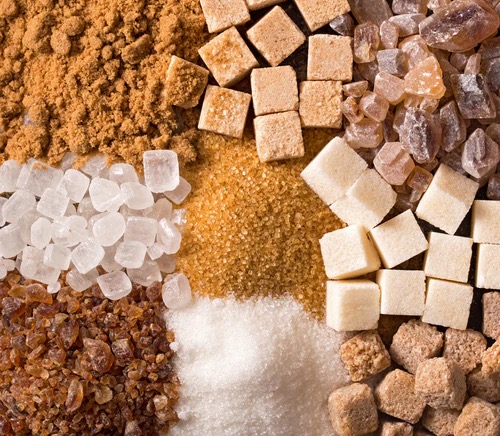
Sugars like glucose and sucrose are relatively small carbohydrates with specific structural features that interact with sweet taste receptors on the tongue. Artificial sweetener molecules and high‑intensity Sweetener extracts share only some of these structural elements; others look completely different yet still activate sweetness receptors strongly.[2]
This difference in chemical structure explains why an artificial sweetener can be 200–700 times sweeter than sugar and yet provide almost no energy—far less of the Sweetener is required, and much of it passes through the body unchanged or is metabolized in ways that do not yield significant calories. The unique structures of each Sweetener also shape their bitterness, aftertaste, and solubility behavior in different matrices.[1]
When sugar is consumed, digestive enzymes break it into monosaccharides that are absorbed in the small intestine and released into the bloodstream, raising blood glucose and insulin. Frequent intake of high‑sugar foods and beverages can overload this system and contribute to insulin resistance, type 2 diabetes, and non‑alcoholic fatty liver disease.[4]
Most artificial sweetener compounds either are not metabolized for energy or are broken down into components used in very small amounts, so they have minimal direct impact on blood glucose at typical intakes. Polyol Sweetener types are absorbed more slowly or incompletely, resulting in a flatter glycemic curve compared with sucrose, although the exact effect depends on the specific Sweetener and the overall composition of the food.[1]
Replacing part of the added sugar in the diet with a low‑ or zero‑calorie Sweetener can reduce overall energy intake, which may support weight management when combined with a healthy eating pattern. Artificial sweetener and natural high‑intensity Sweetener systems can also help people with diabetes or prediabetes manage carbohydrate exposure while still enjoying sweet flavors.[6][4][1]
However, research is ongoing into the long‑term effects of artificial sweetener on the gut microbiome, appetite regulation, glucose tolerance, and cardiovascular markers. Some studies raise questions about specific Sweetener types, while others show neutral or beneficial outcomes, so current expert advice typically recommends using any Sweetener, including sugar, in moderation within an overall balanced diet.[6][1]
Sugar plays a major role in dental caries because oral bacteria ferment sugars into acids that demineralize tooth enamel. Frequent snacking on sugary foods and sipping sugar‑sweetened drinks maintain an acidic environment in the mouth, increasing the risk of cavities.[2]
Artificial sweetener ingredients and most polyol Sweetener types do not feed oral bacteria in the same way, so they are considered tooth‑friendly when used to replace sugar. Xylitol, in particular, is widely used in dental‑care chewing gums and lozenges because it can reduce the growth of cavity‑causing bacteria while still providing a sweet taste.[1]
Sugar is not only sweet; it also contributes bulk, mouthfeel, and functional properties such as browning, crystallization, and freezing point depression in ice cream. Simply swapping sugar for a tiny amount of artificial sweetener will not reproduce these textural functions.[3]
To match sugar's sensory qualities, formulators typically build a Sweetener system that combines:[5]
- High‑intensity Sweetener (artificial or natural) for sweetness.
- Polyol Sweetener for bulk and texture.
- Dietary fibers such as inulin or resistant dextrin for additional body and nutritional benefits.
This layered Sweetener approach helps deliver a more sugar‑like experience while controlling calories and glycemic impact.
In beverages, artificial sweetener and natural high‑intensity Sweetener ingredients provide sweetness without sugar's calories, enabling "zero sugar" and "diet" soft drinks, flavored waters, and energy drinks. Polyol Sweetener types and fibers can be added to adjust mouthfeel and stability, especially in dairy or plant‑based drinks.[1]
In foods such as bakery items, confectionery, nutrition bars, and medical nutrition powders, a combined Sweetener system allows manufacturers to:[7][8]
- Reduce sugar and total carbohydrates.
- Maintain pleasant sweetness and texture.
- Add functional benefits such as prebiotic fibers and sugar‑alcohol cooling effects.
For healthcare and medical nutrition, carefully designed Sweetener combinations make it possible to meet strict clinical guidelines for sugar, energy, and glycemic response while still providing acceptable taste for patients.[7]
Each artificial sweetener used in foods is evaluated by regulatory authorities, which establish an acceptable daily intake (ADI) based on extensive toxicological data and safety factors. Typical consumer intakes of these Sweetener ingredients fall well below the ADI, even among high users of "diet" or sugar‑free products.[2][1]
Natural high‑intensity Sweetener ingredients and polyol Sweetener types are also subject to safety evaluation, labeling requirements, and in some cases usage limits. Because the evidence for long‑term cardiometabolic outcomes is still evolving, many professional bodies recommend using Sweetener strategically as part of a comprehensive dietary plan rather than as a license to consume unlimited sweet‑tasting foods.[6][5]
From a strictly sensory perspective, both sugar and artificial sweetener activate sweet taste receptors and can satisfy a desire for sweetness. Beyond that similarity, they are very different: sugar is a caloric carbohydrate with a pronounced effect on blood glucose, while artificial sweetener is a non‑nutritive Sweetener that delivers minimal calories and a very different metabolic profile.[4][2][1]
In practical terms, artificial sweetener is not the same as sugar in chemistry, energy, or health impact, but it can be part of a broader Sweetener strategy that also includes polyols and dietary fibers to reduce sugar and support healthier formulations. The choice of Sweetener always needs to consider taste, functionality, safety, and the nutritional needs of the target consumer or patient.[5][1]
Artificial sweetener and sugar may taste similar, but they differ profoundly in origin, chemical structure, calorie content, metabolic effects, and long‑term health implications. Sugar remains an energy‑dense carbohydrate that can contribute to weight gain, diabetes, and dental problems when overconsumed, while artificial sweetener and other modern Sweetener options enable reduced‑sugar and sugar‑free formulations with tailored caloric and glycemic profiles.[6][4][2][1]
By combining artificial sweetener, natural high‑intensity Sweetener ingredients, polyol Sweetener types, and dietary fibers, manufacturers can design sophisticated Sweetener systems that offer sweetness with fewer nutritional downsides and support healthier food, beverage, and healthcare products. For consumers, the key is not to see any Sweetener—whether sugar or sugar‑free—as a magic bullet, but to use Sweetener choices sensibly within a balanced overall diet and lifestyle.[7][6][5][1]
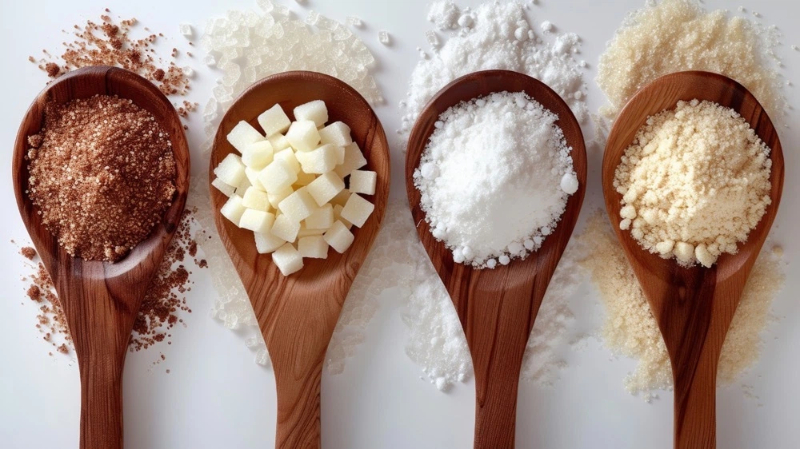
Artificial sweetener products approved for use in foods have undergone safety assessments, and regulatory agencies set acceptable daily intake levels that are much higher than typical human consumption. Sugar is also safe at moderate intakes, but chronic overconsumption of added sugar is strongly associated with obesity, type 2 diabetes, and cardiovascular disease, so partially replacing sugar with a suitable Sweetener system can reduce risk factors.[4][2][1]
Replacing caloric sugar with low‑ or zero‑calorie Sweetener can reduce energy intake, which may support weight loss or weight maintenance when combined with mindful eating and physical activity. However, relying solely on artificial sweetener drinks or sugar‑free snacks without improving overall dietary patterns may limit benefits, because total calories and food quality remain critical.[6][4][1]
Major health and regulatory organizations currently consider approved artificial sweetener ingredients safe at typical intake levels, and large evaluations have not confirmed a definitive causal link to cancer in humans. Some studies have raised questions for specific Sweetener types or very high consumption, so experts often recommend a moderate, diversified approach to Sweetener use rather than heavy reliance on any single sweetener.[6][2]
Natural Sweetener ingredients like honey and agave syrup still count as added sugars, providing calories and raising blood glucose, so "natural" does not automatically mean healthier when intake is high. Plant‑derived high‑intensity Sweetener extracts such as stevia and monk fruit can reduce sugar and calories, but they must still be used as part of an overall healthy diet and may require blending with other Sweetener types to achieve good taste.[3][5]
For people with diabetes, non‑nutritive Sweetener and certain polyol Sweetener options allow sweet‑tasting foods and beverages with less effect on blood glucose than sugar, when used in moderation and within carbohydrate targets. The best Sweetener choice depends on individual tolerance, digestive comfort, personal preferences, and overall dietary pattern, so consulting a healthcare provider or dietitian is recommended.[6][4][1]
[1](https://www.womenshealthmag.com/health/a65078475/artificial-sweeteners-vs-sugar/)
[2](https://urnow.richmond.edu/features/article/-/20787/whats-the-difference-between-sugar-other-natural-sweeteners-and-artificial-sweeteners-a-food-chemist-explains-sweet-science.html)
[3](https://www.gundersenhealth.org/health-wellness/eat-move/artificial-vs-natural-sweeteners-the-inside-scoop-on-sugar-substitutes)
[4](https://health.clevelandclinic.org/whats-worse-sugar-or-artificial-sweetener)
[5](https://pdf.dfcfw.com/pdf/H3_AP202412131641289648_1.pdf)
[6](https://healthmatters.nyp.org/is-sugar-better-for-you-than-artificial-sweeteners/)
[7](https://www.howtiangroup.cn/solutions-food)
[8](https://www.caldic.com/zh-hans-cn/markets/food-beverage/beverage/)


