
Views: 222 Author: Sara Publish Time: 2025-12-21 Origin: Site


Content Menu
● Sucralose: The Core Sweetener
● Bulking Agents Complementing the Sweetener
● Historical Evolution of Splenda's Sweetener
● Sucralose Sweetener Compared to Alternatives
● Safety Profile of the Sucralose Sweetener
● Diverse Applications of Splenda Sweetener
● Blends and Natural Enhancements to the Sweetener
● Manufacturing Insights for Sucralose Sweetener
● Market Dynamics of Sweeteners
● Regulatory Landscape for the Sweetener
● FAQ
>> 1. What is the primary sweetener in Splenda packets?
>> 2. Do bulking agents like dextrose count as sweeteners in Splenda?
>> 3. Can Splenda's sweetener be used in baking?
>> 4. Does Splenda incorporate natural sweeteners?
>> 5. Is sucralose sweetener safe for long-term use?
The sweetener in Splenda is primarily sucralose, a zero-calorie artificial sweetener derived from sugar through a patented chlorination process. This high-intensity sweetener delivers about 600 times the sweetness of regular sugar, making it a staple in low-calorie products worldwide. Understanding the exact composition of Splenda's sweetener helps consumers make informed choices about sugar substitutes in their diets.[1][2]
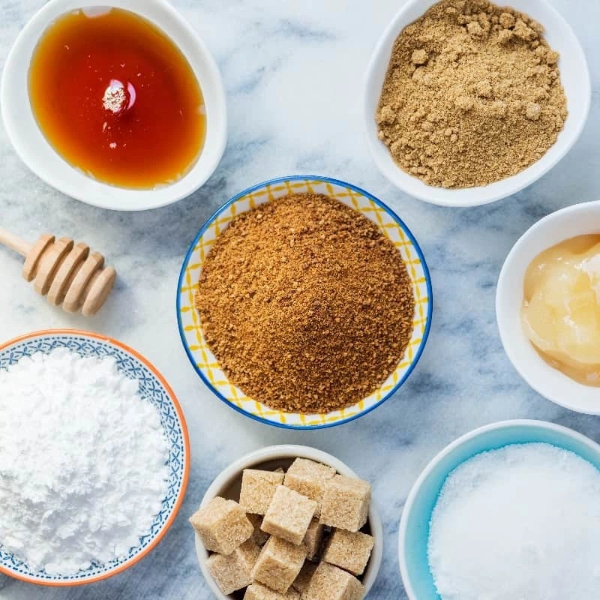
Sucralose forms the heart of Splenda's sweetener profile, engineered by replacing three hydroxyl groups in sucrose molecules with chlorine atoms. This modification renders the sweetener non-caloric, as the body does not metabolize it and excretes it unchanged through urine. As a result, sucralose sweetener provides intense sweetness without contributing to daily caloric intake, ideal for weight management and diabetes-friendly diets.[3][1]
The stability of sucralose sweetener sets it apart from other options; it withstands high temperatures up to 350°F, perfect for baking and cooking applications where other sweeteners like aspartame break down. Manufacturers dose sucralose sweetener in microgram quantities per serving, ensuring efficiency in product formulations. This precision makes it a favored sweetener for food and beverage industries seeking sugar reduction without compromising taste.[4]
Splenda's marketing emphasizes that its sweetener starts "from sugar," highlighting the sucrose origin to appeal to consumers wary of fully synthetic additives. In granular packets, the pure sucralose sweetener comprises less than 1% of the total weight, amplified by bulking agents for practical use. Daily consumption of this sweetener remains well below acceptable intake levels set by global health authorities, affirming its role as a safe, everyday sweetener.[5][3]
While sucralose dominates as the active sweetener, dextrose and maltodextrin act as essential bulking agents in Splenda packets. Dextrose, a simple monosaccharide derived from corn starch, and maltodextrin, a polysaccharide hydrolysate, provide the volume and texture that make the sweetener user-friendly. Without these, the minuscule amount of sucralose sweetener would be impossible to measure accurately in home kitchens.[1]
These bulking agents contribute negligible calories—about 4 calories per gram in packets—but their presence sparks discussions among low-carb dieters. Liquid Splenda variants bypass this by offering pure sucralose sweetener suspended in water, catering to keto and paleo preferences. The synergy between sucralose sweetener and bulking agents ensures smooth dissolution in hot coffee or cold beverages, mimicking sugar's performance.[2][1]
Consider the formulation breakdown:
| Component | Function | Approximate Proportion | Key Benefit |
|---|---|---|---|
| Sucralose Sweetener | Sweetness delivery | <1% | Zero calories, high intensity |
| Dextrose | Bulking and flow aid | 45-55% | Quick dissolution |
| Maltodextrin | Bulking and stability | 45-55% | Pourable texture |
This balanced sweetener blend positions Splenda as a versatile tool for reducing sugar intake across diverse culinary needs.
The journey of sucralose sweetener began in 1976 at Queen Elizabeth College in London, where researcher Shashikant Phadnis accidentally tasted a chlorinated sucrose compound, discovering its remarkable sweetness. Tate & Lyle, a British sugar giant, partnered with Johnson & Johnson to refine and patent this sweetener, leading to FDA approval in 1998 and Splenda's U.S. launch in 1999. By 2002, sucralose sweetener had captured significant market share, overtaking competitors.[3][5]
Splenda's aggressive advertising campaign, boasting "sugar and spice and all things nice—made from sugar so it tastes like sugar," propelled sucralose sweetener into households. Patent exclusivity until the mid-2010s allowed Splenda to dominate the no-calorie sweetener category, with annual sales peaking at over $500 million. The sweetener's clean taste profile—lacking the metallic aftertaste of saccharin or bitterness of early stevia extracts—drove its ubiquity in diet sodas, yogurts, and gums.[5]
Today, generic sucralose sweetener production has democratized access, but Splenda retains brand loyalty through consistent quality. Chinese manufacturers now excel in sucralose sweetener synthesis, supplying global OEM partners with high-purity batches for blended sweetener innovations.[6]
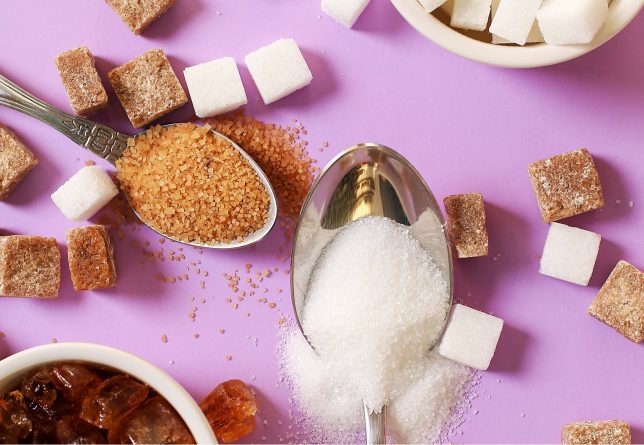
Sucralose sweetener outshines many rivals with its 600-fold sweetness potency and caloric neutrality. Stevia, derived from the Stevia rebaudiana plant, offers 200-400 times sugar's sweetness but often carries a licorice-like aftertaste, limiting its standalone use as a sweetener. Monk fruit extract, another natural sweetener, provides 150-250x sweetness with fruity undertones, yet supply constraints hinder scalability.[1]
Aspartame, a 200x sweetener, falters in heat stability, decomposing in cooked goods, whereas sucralose sweetener endures baking and canning processes unscathed. Sugar alcohols like erythritol and xylitol serve as low-calorie bulking sweeteners (0.2-2.4 calories per gram), but their cooling effect and potential digestive discomfort contrast with sucralose's seamless sugar mimicry. Blends combining sucralose sweetener with erythritol address clean-label demands effectively.[1]
Detailed comparison table:
| Sweetener | Sweetness (vs. Sugar) | Calories/gram | Heat Stable | Taste Profile | Origin |
|---|---|---|---|---|---|
| Sucralose (Splenda) | 600x | 0 | Yes | Clean, sugar-like | Artificial |
| Stevia | 200-400x | 0 | Yes | Slightly bitter | Natural |
| Aspartame | 200x | 4 | No | Clean | Artificial |
| Erythritol | 0.6x | 0.2 | Yes | Cooling | Natural |
| Monk Fruit | 150-250x | 0 | Yes | Fruity | Natural |
High-intensity sucralose sweetener remains the gold standard for broad-spectrum applications.
Over 110 safety studies spanning 20+ years validate sucralose sweetener as safe for general use, earning endorsements from the FDA (ADI: 5 mg/kg body weight), EFSA (15 mg/kg), and JECFA. Human trials show no impact on blood glucose, insulin, or lipid profiles, making it a boon for diabetics seeking a reliable sweetener. The sweetener's non-digestible nature prevents fermentation in the gut, minimizing bloating unlike some polyols.[3]
Concerns about gut microbiome alterations from sucralose sweetener stem from high-dose animal studies, but human data at realistic intakes reveal no disruptions. Long-term epidemiological research links low-calorie sweetener use, including sucralose, to modest weight loss without adverse effects. Pregnant women and children can consume it within guidelines, reinforcing its status as a trusted sweetener.[3][1]
Regulatory bodies worldwide, including China's NHC, approve sucralose sweetener for foods and pharmaceuticals, with rigorous purity standards (≥99.5%) ensuring consumer safety.
In baking, sucralose sweetener excels in cakes, cookies, and frostings, retaining 100% sweetness post-oven exposure. Beverage formulators incorporate it into soft drinks, energy drinks, and teas, where its water solubility shines. Savory applications include sauces, dressings, and pharmaceuticals like chewable tablets, leveraging the sweetener's non-glycemic properties.[4]
For the food industry, Splenda's sucralose sweetener enables 50-100% sugar reductions in cereals, bars, and confections without texture compromises. Healthcare products benefit from precise dosing in syrups and lozenges. OEM factories in China specialize in custom sweetener blends, combining sucralose with fibers for functional health foods targeting export markets.[6]
Innovative uses extend to pet foods and livestock feeds, where sucralose sweetener enhances palatability without calories. Its versatility underscores why sucralose dominates as the premier artificial sweetener.
Modern Splenda offerings fuse sucralose sweetener with stevia glycosides (Reb M or Reb D) and allulose for hybrid profiles approximating sugar's bulk and mouthfeel. Erythritol, a zero-glycemic polyol, bulks these next-gen sweeteners, appealing to natural-focused consumers. These blends mitigate any perceived artificiality while amplifying the core sucralose sweetener.[1]
Dietary fibers like inulin pair with sucralose sweetener in prebiotic-enriched products, promoting gut health alongside zero-calorie sweetening. Chinese facilities lead in developing these multifunctional sweeteners for beverages, tablets, and OEM private labels, serving global brands in food, pharma, and nutraceuticals.[7][6]
Sucralose sweetener production entails selective chlorination of sucrose in a multi-stage, solvent-based process yielding high-purity crystals. Downstream purification via chromatography ensures compliance with pharmacopeial standards. Bulking agents like maltodextrin undergo spray-drying for uniformity when blended with the sweetener.[1]
Global supply chains, bolstered by Asian production hubs, deliver cost-effective sucralose sweetener at scale. Quality metrics—color, moisture, and assay—guarantee batch consistency, critical for branded products like Splenda.
The global sweetener market, valued at $20+ billion, grows at 5% CAGR, propelled by obesity trends and clean-label demands. Sucralose sweetener holds 30% share in high-intensity segments, with Splenda leading retail packets. Asia-Pacific emerges as a powerhouse, exporting blended sweeteners worldwide.[7]
Sucralose sweetener enjoys GRAS status in the U.S., Novel Food approval in the EU, and broad clearances elsewhere. Labeling mandates disclose it clearly, empowering consumer choice.
Splenda's sucralose sweetener revolutionizes sugar substitution with unmatched intensity, stability, and safety. From packets to industrial blends, it empowers healthier formulations across industries. As natural sweetener synergies evolve, sucralose remains foundational, backed by rigorous science and global production expertise.
The primary sweetener in Splenda packets is sucralose, delivering 600 times the sweetness of sugar with zero calories.[2][1]
No, dextrose and maltodextrin are bulking agents supporting the sucralose sweetener; they add minimal sweetness and trace carbs.[1]
Yes, sucralose sweetener maintains full sweetness under high heat, ideal for baked goods and cooking.[4][3]
Original Splenda relies on sucralose sweetener, but blends now include stevia and monk fruit for natural enhancements.[1]
Sucralose sweetener is affirmed safe by FDA, EFSA, and WHO, with ADIs far exceeding normal intake.[3]
[1](https://flavor365.com/a-deep-dive-into-the-ingredients-of-every-splenda-product/)
[2](https://splenda-me.com/about-splenda/faq/)
[3](https://www.splenda.com/faqs/what-is-splenda-sucralose-and-how-is-it-made/)
[4](https://www.splenda.com/product/splenda-sweetener-packets/)
[5](https://en.wikipedia.org/wiki/Splenda)
[6](https://www.howtiangroup.cn/solutions-food)
[7](https://pdf.dfcfw.com/pdf/H3_AP202412131641289648_1.pdf)


