


Content Menu
● Stevia's Natural Origins and History
● The Science of Stevia Extraction and Purification
● Regulatory Safety Approvals for Stevia
● Debunking Stevia Poison Myths
● Health Benefits Backed by Stevia Research
● Potential Side Effects of Stevia
● Stevia vs. Sugar and Artificial Sweeteners
● Stevia in Food, Beverage, and Healthcare Applications
● Stevia's Role in Global Sustainability
● Future Innovations in Stevia Technology
● FAQ
>> 1. Is Stevia Safe for Daily Use?
>> 2. Can Stevia Cause Digestive Issues?
>> 3. Does Stevia Affect Blood Sugar Levels?
>> 4. Is Stevia Superior to Artificial Sweeteners?
>> 5. Is Stevia Suitable for Children and Pregnant Women?
Stevia, derived from the leaves of the Stevia rebaudiana plant, serves as a popular natural sweetener renowned for its zero-calorie profile and intense sweetness. Questions about whether Stevia is poisonous often arise from outdated myths and early research on crude extracts, but purified Stevia glycosides like rebaudioside A have been thoroughly vetted as safe by global health authorities. This article delves deeply into Stevia's origins, production, safety data, health benefits, and comparisons to address these concerns comprehensively.
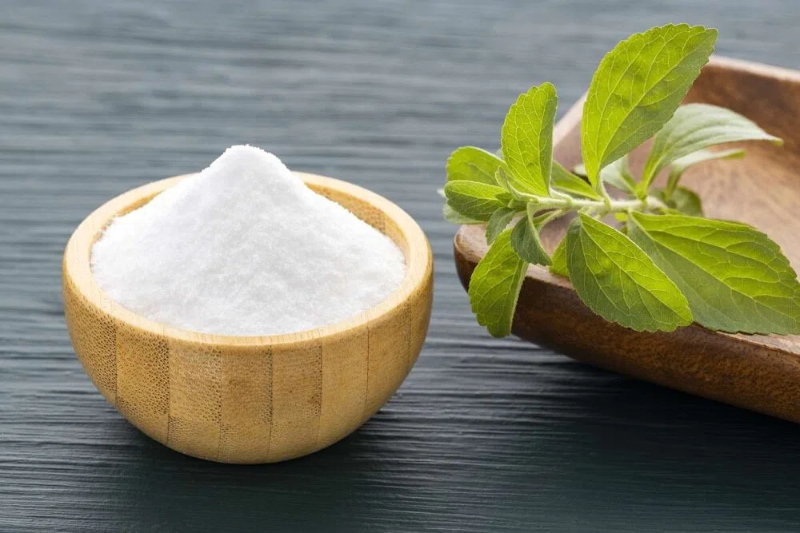
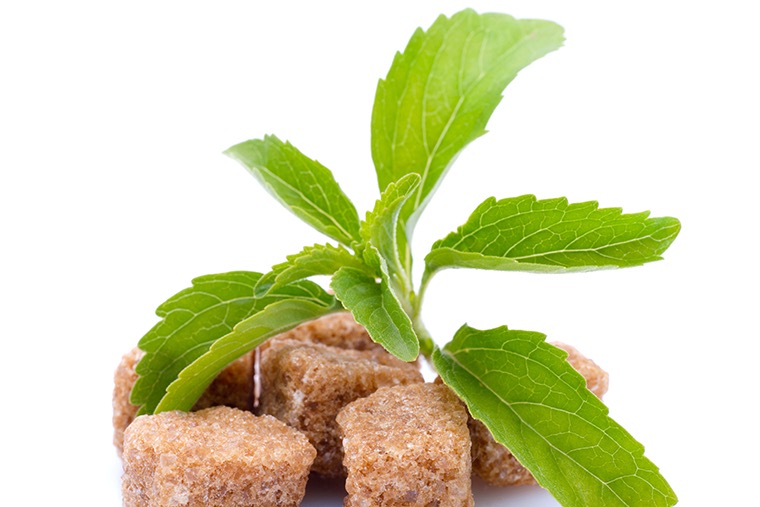
Stevia rebaudiana, a member of the Asteraceae family, originates from the highlands of Paraguay and southern Brazil, where indigenous Guarani peoples have utilized Stevia leaves for over 1,500 years. They chewed fresh Stevia leaves or brewed them into teas for sweetening beverages and treating ailments like indigestion and hypertension. The plant's serrated, green leaves contain steviol glycosides—primarily stevioside and rebaudioside A—which provide 200 to 450 times the sweetness of sucrose without calories or carbohydrates.
European explorers documented Stevia in the 16th century, but commercial interest surged in the 20th century. Japanese researchers pioneered Stevia extraction in the 1970s amid sugar shortages, leading to its dominance in Asian markets where Stevia now sweetens up to 40% of soft drinks. Today, global Stevia cultivation exceeds 100,000 hectares, with China, Vietnam, and India as top producers supplying purified Stevia to food, beverage, and healthcare industries worldwide. Stevia's adaptability to subtropical climates ensures sustainable yields, making it a viable sugar alternative in an era of rising obesity and diabetes rates.
Commercial Stevia production begins with harvesting mature Stevia leaves at peak glycoside content, typically 120 days after planting. Leaves undergo drying, milling into powder, and aqueous extraction where hot water solubilizes the sweet compounds. This crude extract then passes through filtration, ion-exchange resins, and adsorption processes to remove impurities like plant debris, proteins, and bitter flavonoids.
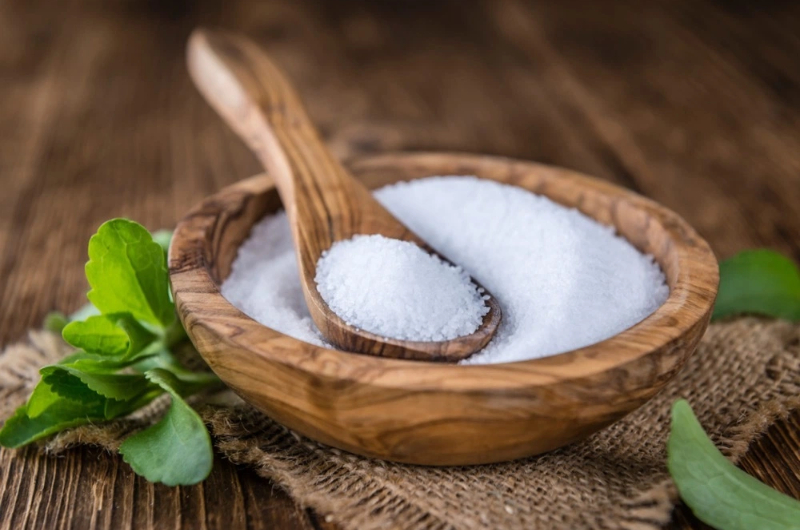
Purification culminates in crystallization of high-purity rebaudioside A (Reb A), achieving 95-98% purity standards set by regulators. Advanced techniques, such as enzymatic conversion or fermentation, enhance Reb A variants like Reb M for improved taste profiles mimicking sugar more closely. Unlike crude Stevia leaf powder, which may retain off-flavors, purified Stevia ensures consistency in OEM/ODM applications for tablets, beverages, and functional foods. Factories specializing in natural sweeteners blend Stevia with polyols like erythritol or dietary fibers to create synergistic mixes that mask any lingering aftertaste while boosting prebiotic benefits.
This rigorous process distinguishes modern Stevia from historical crude forms, directly addressing early safety concerns tied to unrefined extracts.
The U.S. FDA granted "Generally Recognized as Safe" (GRAS) status to purified Stevia glycosides in 2008, following extensive reviews of over 90 studies. The Joint FAO/WHO Expert Committee on Food Additives (JECFA) established an acceptable daily intake (ADI) of 4 mg steviol equivalents per kg body weight in 2008, reaffirmed in subsequent evaluations. Europe's EFSA approved Stevia in 2011, while Health Canada and Australia's FSANZ followed suit, affirming no genotoxicity, carcinogenicity, or developmental toxicity.
Over 200 toxicological studies, including multi-generational rat trials, demonstrate Stevia's rapid metabolism: glycosides hydrolyze to steviol in the gut, conjugated in the liver, and excreted via urine within 24 hours without accumulation. Human pharmacokinetic data confirm similar pathways, with no adverse effects at doses up to 1,000 mg/day. For context, a 70kg adult could safely consume Stevia equivalent to 20+ cans of diet soda daily under ADI guidelines.
Early 1960s rat studies suggested crude Stevia reduced fertility, sparking "poisonous" rumors, but these used unpurified leaf extracts at extreme doses irrelevant to human consumption. Modern purified Stevia lacks these effects, as confirmed by 90-day and lifetime rodent studies showing no reproductive harm. Claims of Stevia causing cancer or DNA damage stem from in vitro tests on crude forms, debunked by in vivo data and regulatory panels.
A 2020 review in Food and Chemical Toxicology analyzed 31 human trials, finding no evidence of mutagenesis or clastogenicity. Gut microbiome concerns from one hamster study at mega-doses do not translate to humans, where Stevia acts as a prebiotic supporting beneficial bacteria. Allergic risks remain low, affecting under 1% of users sensitive to ragweed family plants.
Stevia offers robust cardiometabolic advantages. Meta-analyses of randomized controlled trials show Stevia lowers systolic blood pressure by 6-10 mmHg in hypertensives, comparable to some medications. For diabetes management, Stevia exhibits insulinotropic effects, enhancing glucose uptake without raising blood sugar—ideal for functional beverages and supplements.
Antioxidant properties of Stevia glycosides scavenge free radicals, protecting pancreatic beta cells and reducing oxidative stress in type 2 diabetes models. Lipid profiles improve with Stevia, decreasing LDL cholesterol and triglycerides by 10-15% in hyperlipidemic patients. Weight loss trials indicate Stevia curbs appetite and energy intake, aiding obesity control.
Anti-inflammatory effects position Stevia for healthcare formulations, potentially alleviating metabolic syndrome. Emerging research explores Stevia's antimicrobial action against pathogens like E. coli and its role in oral health by inhibiting plaque bacteria.
While safe for most, Stevia may cause mild gastrointestinal upset like bloating in 5-10% of users, often from bulking agents in blends rather than Stevia itself. High doses (over 1g/day) occasionally trigger nausea or headaches, resolving upon reduction. Those with phenylketonuria should verify labels, though pure Stevia contains no phenylalanine.
Long-term safety data from 12-month human studies report no organ toxicity, with liver and kidney function unchanged. Children and pregnant women tolerate Stevia within ADI, supported by developmental toxicity waivers due to clean animal data.
| Sweetener Type | Calories per Gram | Glycemic Index | Sweetness Intensity | Key Safety/Health Notes |
|---|---|---|---|---|
| Stevia | 0 | 0 | 200-450x sugar | GRAS, lowers BP/glucose |
| Sucrose (Sugar) | 4 | 65 | 1x | Promotes obesity/diabetes |
| Aspartame | 4 (negligible) | 0 | 200x | Safe except PKU patients |
| Sucralose | 0 | 0 | 600x | Possible gut microbiome shifts |
| Erythritol | 0.2 | 1 | 0.7x | Cooling effect, digestive tolerance varies |
| Monk Fruit | 0 | 0 | 150-250x | Similar to Stevia, less studied |
Stevia's natural origin and multifunctional benefits make it superior for clean-label products.
In beverages, Stevia replaces high-fructose corn syrup, enabling zero-sugar sodas with natural appeal. For bakery, heat-stable Stevia blends maintain volume and browning akin to sugar when combined with fibers. Tablets and gummies benefit from Stevia's solubility, ideal for vitamin chews and protein bars.
Healthcare leverages Stevia in medical nutrition: low-glycemic meal replacements for diabetics, prebiotic-enhanced fibers for gut health, and antihypertensive formulations. OEM/ODM factories develop custom Stevia-polyol mixes for international brands, ensuring scalability and compliance.
Stevia requires 30% less water than sugar cane, with yields up to 5 tons of dry leaf per hectare annually. Carbon footprint analysis shows Stevia production emits 70% less greenhouse gases than aspartame. As climate pressures mount, Stevia supports sustainable agriculture, regenerating soils without pesticides in organic systems.
Biotech advances yield next-gen Stevia glycosides via yeast fermentation, offering sugar-like taste without aftertaste. Hybrid Stevia varieties promise higher Reb A content (20%+ vs. 5% natural). Research into Stevia's nutraceutical potential targets anti-cancer and neuroprotective effects.
Stevia stands unequivocally not as a poison, but as a scientifically validated, natural sweetener transforming health-focused industries. From ancient Guarani traditions to cutting-edge purification in Chinese factories, purified Stevia delivers unmatched safety, sweetness, and benefits like glycemic control and cardiovascular support. Regulatory endorsements, extensive trials, and practical applications affirm Stevia's place in diets worldwide—embrace it confidently for beverages, tablets, and beyond.
Yes, purified Stevia holds GRAS status from FDA and EFSA, safe up to 4mg/kg body weight daily across extensive human and animal studies showing no toxicity.
Rarely with pure forms; mild bloating may occur from blends with polyols—opt for high-purity rebaudioside A Stevia to minimize risks.
No impact; Stevia's zero glycemic index supports diabetes management, with trials confirming stable glucose and enhanced insulin response.
Indeed, Stevia's plant-based profile, metabolic benefits, and cleaner safety data outperform synthetics like sucralose in natural product formulations.
Approved in moderation; no adverse effects in pediatric or reproductive studies, aligning with global ADI guidelines.
[1](https://steviabenefits.org/safety/)
[2](https://pmc.ncbi.nlm.nih.gov/articles/PMC9028423/)


