


Content Menu
● Aspartame's Chemical Structure and Metabolism
● Regulatory Approval and Safety Standards for Aspartame
● Neurological and Neurobehavioral Impacts of Aspartame
● Reported Aspartame Withdrawal Symptoms and User Experiences
● Weighing Evidence: Is Aspartame Truly Addictive?
● Broader Health Considerations with Aspartame
● FAQ
>> 1. Does Aspartame Cause Addiction?
>> 2. What Are Aspartame Withdrawal Symptoms?
>> 3. Is Aspartame Safe for Daily Use?
>> 4. How Does Aspartame Affect the Brain?
>> 5. Can Aspartame Cause Long-Term Health Issues?
Aspartame, one of the most scrutinized artificial sweeteners, continues to fuel debates about its potential to create addiction-like behaviors in consumers worldwide. Found in countless diet sodas, sugar-free gums, and low-calorie products, aspartame delivers intense sweetness—up to 200 times that of sugar—without adding calories, making it a staple for weight management. However, questions persist: does aspartame trigger cravings, withdrawal symptoms, or neurochemical changes akin to addictive substances? Regulatory bodies like the FDA and EFSA consistently affirm aspartame's safety within established limits, yet emerging studies on aspartame's impact on dopamine and serotonin pathways keep the conversation alive.[1][2][3]
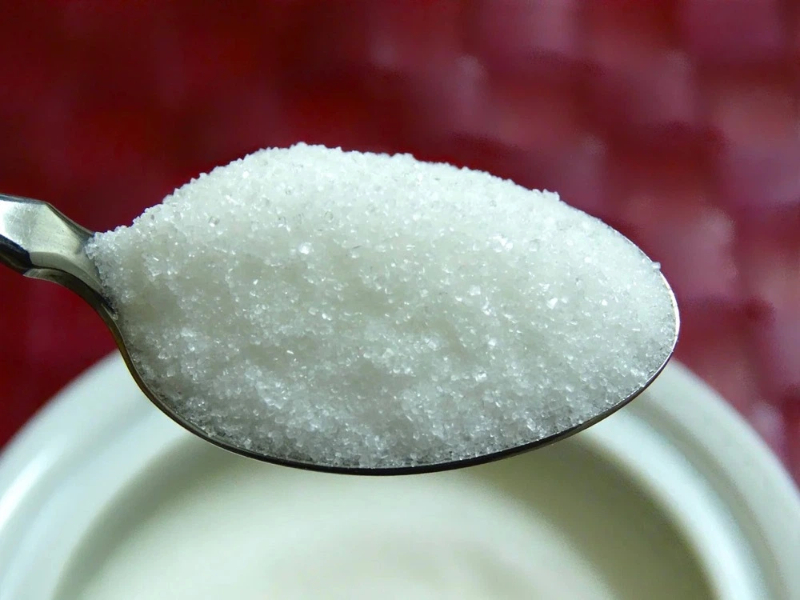
Aspartame, chemically known as L-aspartyl-L-phenylalanine methyl ester, breaks down in the digestive system into three primary components: aspartic acid, phenylalanine, and a small amount of methanol. This rapid hydrolysis occurs via enzymatic action in the small intestine, allowing aspartame's metabolites to enter the bloodstream quickly. Aspartic acid acts as an excitatory neurotransmitter precursor, while phenylalanine serves as a building block for proteins and neurotransmitters like dopamine and norepinephrine. Methanol, often cited in aspartame controversies, metabolizes into formaldehyde and then formic acid, but at levels far below those causing toxicity in typical aspartame consumption.[4][5][6]
The aspartame molecule's dipeptide structure mimics natural proteins, enabling its seamless integration into metabolic pathways without accumulating in the body. Studies demonstrate that after ingesting aspartame-sweetened beverages, peak plasma levels of phenylalanine rise modestly—about 4-5 times baseline—but return to normal within hours. This transient elevation prompts scrutiny: could repeated aspartame exposure subtly alter brain chemistry over time? Research indicates phenylalanine from aspartame competes with other amino acids for transport across the blood-brain barrier, potentially influencing neurotransmitter synthesis. For instance, elevated phenylalanine ratios can reduce tryptophan availability, the precursor to serotonin, leading some to speculate on aspartame's role in mood regulation.[7][8]
Visual representations of aspartame metabolism pathways highlight how these components interact with neural systems, underscoring aspartame's efficiency as a non-nutritive sweetener. Unlike sugar, which spikes blood glucose and insulin, aspartame avoids such fluctuations, appealing to diabetics and dieters. Yet, this lack of caloric feedback raises addiction concerns—does aspartame hijack reward centers without satiation? Ongoing pharmacokinetic studies reaffirm that aspartame clears the system rapidly, with no evidence of bioaccumulation even in chronic users.[3][9]
Global health authorities have extensively reviewed aspartame since its approval in the 1980s. The U.S. FDA established an acceptable daily intake (ADI) of 50 mg per kg of body weight, equivalent to roughly 18-20 cans of diet soda for a 70 kg adult. Europe's EFSA set a slightly lower ADI at 40 mg/kg after a comprehensive 2013 re-evaluation involving over 600 datasets on aspartame. In 2023, the WHO's IARC classified aspartame as "possibly carcinogenic to humans" (Group 2B) based on limited evidence in animals, but JECFA maintained the ADI, citing no convincing human risk at typical exposures.[10][11][1]
These decisions stem from hundreds of toxicology, genotoxicity, and long-term carcinogenicity studies on aspartame. Regulatory panels consistently find no genotoxic effects from aspartame, no reproductive toxicity, and no neurodevelopmental harm. Special populations, like those with phenylketonuria (PKU), must avoid aspartame due to phenylalanine accumulation, but labels ensure compliance. Recent 2025 updates from FDA reaffirm aspartame's GRAS (Generally Recognized as Safe) status, dismissing social media claims of aspartame dangers.[12][3]
Infographics comparing aspartame ADI to real-world intake demystify limits: a person would need to consume 75-100 packets of aspartame sweetener daily to approach the ADI. Critics point to high-dose animal studies showing aspartame-induced tumors, but regulators adjust for human equivalence and find risks negligible. This rigorous oversight positions aspartame as one of the most tested food additives, far surpassing many natural ingredients.[5][11]

Aspartame's influence on the brain centers on its metabolites' effects on monoamine neurotransmitters. A 2007 study in rats found aspartame decreased evoked extracellular dopamine by 34-51% in the nucleus accumbens, a key reward area, through frequency-dependent mechanisms. This dopamine modulation from aspartame echoes patterns seen in addictive drugs, potentially fostering cravings for aspartame-sweetened products. Phenylalanine elevation inhibits tyrosine hydroxylase indirectly, while aspartate boosts glutamate signaling, risking excitotoxicity in vulnerable brains.[2][13][7]
Human trials add nuance: a double-blind study linked aspartame-heavy diets to increased depression scores, irritability, and sleep disturbances, attributed to serotonin dips from tryptophan competition. Chronic aspartame exposure in mice induced anxiety-like behaviors via amygdala changes in glutamate-GABA signaling, with effects persisting transgenerationally. Neuroinflammation emerges as a concern, with aspartame activating microglia in cortical models, leading to cognitive dysfunction. These findings suggest aspartame may exacerbate stress responses in sensitive individuals.[8][14]
Serotonin pathways face additional scrutiny—aspartame's phenylalanine skews the large neutral amino acid ratio, limiting brain serotonin synthesis. Observational data correlate high aspartame intake with mood swings and fatigue, though causation remains debated. Diagrams of aspartame's neural cascades illustrate potential feedback loops, where initial dopamine dips prompt compensatory aspartame-seeking behavior. Despite this, no neuroimaging confirms aspartame addiction in humans akin to cocaine or opioids.[15][16]
Anecdotal reports flood forums: quitting aspartame triggers headaches, dizziness, extreme fatigue, and insatiable sweet cravings, peaking 2-7 days post-cessation. Other symptoms include nausea, muscle aches, anxiety, panic attacks, and "brain zaps"—sensations mirroring SSRI withdrawal. Proponents label this aspartame addiction, arguing neurotransmitter rebound from chronic aspartame use. Detox guides recommend gradual tapering, hydration, and nutrient support to mitigate aspartame withdrawal.[16][17][18]
Clinical validation lags; most data derives from self-reports rather than controlled trials. A review notes symptoms resolve in 1-4 weeks, aligning with aspartame's half-life and metabolite clearance. Irritability and mood instability may stem from blood sugar stabilization after aspartame cessation, not true dependence. Illustrations of aspartame withdrawal timelines emphasize individual variability, influenced by dosage, duration, and genetics. Videos on aspartame detox stress lifestyle factors over physiological addiction.[19][20]
These experiences challenge aspartame's benign profile, as compulsive consumption—e.g., dozens of diet sodas daily—mirrors behavioral addiction. Yet, placebo-controlled studies find no significant withdrawal beyond expectation effects, attributing cravings to habituated sweetness preferences enhanced by aspartame's potency.[17][7]
| Evidence Category | Supporting Aspartame Addiction | Opposing Aspartame Addiction |
|---|---|---|
| Neurochemical | Dopamine reduction (34-51%) in rats; glutamate excitotoxicity | No human tolerance/withdrawal per DSM criteria; transient effects |
| Behavioral | Cravings, compulsive use reports; sweet-seeking post-aspartame | Habit, not pharmacology; no escalation like nicotine |
| Epidemiological | Mood correlations in high-intake groups; transgenerational anxiety | No population-level addiction epidemics; safe in billions of servings |
| Regulatory | IARC concerns on other risks amplify scrutiny | FDA/EFSA/JECFA ADI upheld repeatedly; no addiction warnings |
This table synthesizes aspartame's dual narrative—intriguing biochemical signals versus absent clinical addiction proof. Proponents cite rodent dopamine data and user testimonials, while skeptics emphasize dose discrepancies and confounding factors like caffeine in aspartame products.[2][15]
Comparative analyses with sugar reveal aspartame lacks insulin-mediated reinforcement, reducing addiction likelihood. Longitudinal cohorts show no aspartame dependence in moderate users, reinforcing regulatory stances. Emerging 2025 research probes aspartame's gut-brain axis effects, but consensus holds: aspartame is not addictive.[13][5]
Beyond addiction, aspartame faces scrutiny for Parkinson's links via monoamine depletion and oxidative stress. Animal models show aspartame accelerates dopaminergic neuron loss, though human epidemiology refutes causation. Cognitive studies report aspartame-induced memory fog from neuroinflammation, mitigated by antioxidants in remediation trials. Pregnant women benefit from aspartame's gestational diabetes aid, cleared by EFSA up to ADI.[8][13][15]
Carcinogenicity claims persist, with rodent liver tumors at mega-doses, but human meta-analyses find no aspartame-cancer association. Daily aspartame from yogurts, tablets, and beverages stays well below thresholds for 99% of consumers. Natural alternatives like stevia gain traction, but aspartame's stability in cooking maintains its edge.[11][21]
Aspartame exhibits no substantiated addictive properties according to leading scientific and regulatory reviews, despite dopamine modulations and anecdotal withdrawals that warrant attention. Its proven safety profile supports continued use within ADI for calorie control, though moderation and personal monitoring enhance well-being. Exploring aspartame's nuances empowers informed choices amid ongoing research.

No definitive evidence proves aspartame addiction; symptoms like cravings stem from habit, not physiological dependence. FDA and EFSA affirm aspartame safety without addiction classification.[1][12]
Reported aspartame withdrawals include headaches, anxiety, and fatigue, resolving in weeks. These lack robust clinical backing but align with neurotransmitter shifts from aspartame.[16][17]
Yes, within 40-50 mg/kg ADI; equivalent to multiple diet sodas. Aspartame undergoes extensive review, safe for general populations excluding PKU patients.[3][1]
Aspartame reduces dopamine release and may alter serotonin via metabolites, linked to mood changes in studies. Human impacts remain minimal at approved doses.[7][2]
Limited evidence suggests aspartame risks like neuroinflammation or cancer, refuted by regulators. Monitor intake, especially for sensitive groups.[14][11]
[1](https://www.fda.gov/food/food-additives-petitions/aspartame-and-other-sweeteners-food)
[2](https://pubmed.ncbi.nlm.nih.gov/17976663/)
[3](https://www.efsa.europa.eu/en/topics/topic/aspartame)
[4](https://www.indigoinstruments.com/molecular_models/orbit/sets/aspartame-dipeptide-structure-molecule-model-68827w.html)
[5](https://pmc.ncbi.nlm.nih.gov/articles/PMC10459792/)
[6](https://www.youtube.com/watch?v=CCBcsNaep-g)
[7](https://pmc.ncbi.nlm.nih.gov/articles/PMC5617129/)
[8](https://www.sciencedirect.com/science/article/abs/pii/S1567576924008154)
[9](https://www.youtube.com/watch?v=aiezbMGtmlM)
[10](https://pmc.ncbi.nlm.nih.gov/articles/PMC6628497/)
[11](https://www.who.int/news/item/14-07-2023-aspartame-hazard-and-risk-assessment-results-released)
[12](https://www.unesda.eu/aspartame/)
[13](https://pmc.ncbi.nlm.nih.gov/articles/PMC10812821/)
[14](https://www.pnas.org/doi/10.1073/pnas.2213120119)
[15](https://scholars.uthscsa.edu/en/publications/aspartame-use-and-parkinsons-disease-review-of-associated-effects)
[16](https://mentalhealthdaily.com/2014/07/18/aspartame-withdrawal-symptoms-list-of-possibilities/)
[17](https://www.healthieruny.com/resources/aspartame-withdrawal)
[18](https://oobli.com/blogs/news/aspartame-detoxing)
[19](https://video.wskg.org/video/is-aspartame-safe-wv8dqh/)
[20](https://www.youtube.com/watch?v=TVXM_c5sfvw)
[21](https://www.nature.com/articles/s41598-024-62461-w)


