
Views: 222 Author: Sara Publish Time: 2025-11-08 Origin: Site


Content Menu
● Maltitol: properties, applications, and value for international buyers
● Thai maltitol manufacturers and suppliers: capabilities to meet global needs
● Strategic advantages of sourcing maltitol from Thailand
● Practical engagement guidelines for international buyers
● Quality, safety, and environmental considerations
● Future outlook for maltitol in Thailand
● FAQ
>> 1. How do Thai maltitol suppliers ensure product purity and consistency across batches?
>> 2. What certifications should foreign buyers verify when sourcing maltitol from Thailand?
>> 3. Can Thai maltitol manufacturers support blended-sweetener development for OEM/ODM projects?
>> 4. What lead times and minimum order quantities are typical when ordering maltitol from Thailand?
>> 5. How does maltitol integrate with other polyols in formulated blends for international markets?
Thailand has emerged as a strategic hub in Southeast Asia for the production and manufacturers and suppliers of maltitol, a key polyol used to replace sugar in a wide range of food, beverage, and healthcare products. For foreign manufacturers seeking reliable maltitol supply chains, Thailand's network of manufacturers and suppliers offers robust capabilities in GMP-compliant production, private-label blending, and flexible OEM/ODM services. Beyond maltitol, Thailand's portfolio often includes complementary health-ingredient solutions such as natural sweeteners, functional polyols, and dietary fibers, enabling integrated formulation strategies for international partners.
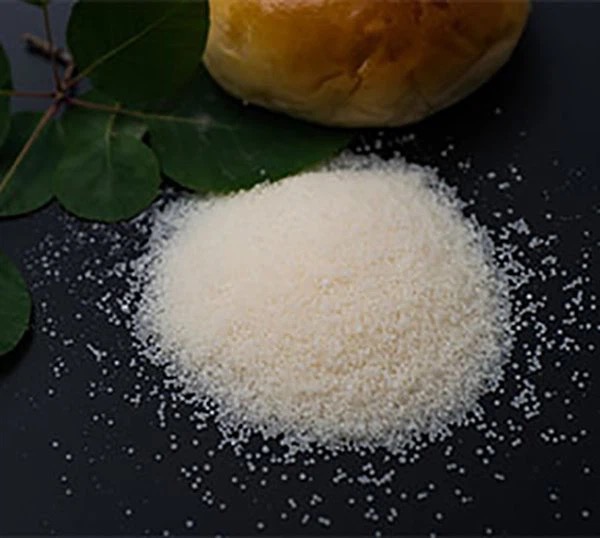
Maltitol is a sugar alcohol with a sweetness profile close to sucrose and distinctive mouthfeel characteristics that make it a preferred ingredient in confectionery, baked goods, dairy products, and ready-to-eat meals. Its cooling sensation and high solubility facilitate smooth textures in sugar-reduced formulations, while its relatively low caloric value supports clean-label and diabetic-friendly products. When sourcing maltitol from Thailand, buyers typically evaluate product grades (powder, granules, or syrups), moisture levels, particle size distribution, and purity, as well as compatibility with specific processing lines and packaging formats. For global markets, compliance with international food safety standards and transparent supply chains are essential to ensure regulatory acceptance and consistent performance in finished goods.
- Production scale and forms: Leading Thai producers often offer multiple maltitol forms, including powder and syrup, with options for custom granulation and blend formulations. Packaging configurations range from bulk bags for manufacturing to consumer-ready pouches, ensuring flexibility across OEM/ODM projects.
- Quality assurance: Reputable Thai suppliers typically implement rigorous QC protocols, batch traceability, and third-party certifications (GMP, HACCP, ISO). These credentials support successful audits by multinational customers and enable smoother cross-border logistics.
- Formulation and R&D collaboration: OEM/ODM services in Thailand frequently include custom blending with other polyols or natural sweeteners, enabling tailored sweetness profiles, texture, and mouthfeel that align with specific product targets.
- Regulatory readiness: Thai maltitol suppliers often provide documentation needed for export, including COAs, certificates of analysis, and compliance statements compatible with US, EU, and other regulatory regimes, which helps reduce time-to-market for international brands.
- Logistics and lead times: Strategic port access and established logistics networks allow for reliable delivery schedules, with lead times that accommodate both regular production runs and spike demand scenarios, a critical factor for seasonal confectionery campaigns and promotional launches.
- Integrated health-ingredient solutions: Many Thai suppliers operate within broader health-ingredient portfolios, enabling convenient bundling of maltitol with other natural sweeteners, functional polyols, and dietary fibers for streamlined formulations and reduced supplier complexity.
- Customization and OEM/ODM excellence: Thai manufacturers often excel in developing blended-sweetener systems and tablet formulations, supporting foreign brands from pilot-scale trials to full-scale manufacturing.
- Competitive cost structure: While pricing fluctuates with feedstock costs and regional demand, Thailand's manufacturing landscape can offer favorable cost-to-performance ratios when paired with robust quality systems and reliable supply continuity.
- Regulatory adaptability: With experience serving diverse markets, Thai maltitol providers frequently maintain documentation and quality systems designed to facilitate market access in North America, Europe, Southeast Asia, and other regions.
- Define requirements clearly: purity targets, moisture limits, particle size, form (powder, granules, syrup), packaging preferences, and shelf-life expectations.
- Request documentation: COA, GMP/HACCP certifications, supply chain audits, and traceability records to support due-diligence.
- Pilot and test: Arrange pilot batches or sample evaluation, including sensory trials and stability testing in intended formulations.
- Negotiate terms: Establish MOQs, pricing, payment terms, incoterms, and lead-time commitments aligned with production planning.
- Plan for scale-up: Confirm the supplier's capability to ramp production, provide technical support, and ensure continuity during demand surges.
- Logistics planning: Align on Incoterms, freight terms, and import documentation to minimize customs delays and ensure smooth cross-border delivery.
- Consistency is key: Regular internal QA reviews, supplier audits, and third-party testing help maintain product quality across batches.
- Regulatory compliance: Certifications such as GMP, HACCP, ISO, and any region-specific approvals facilitate acceptance in target markets and support label claims.
- Sustainability focus: Growing demand for responsible sourcing encourages suppliers to adopt best practices in energy efficiency, waste reduction, and responsible procurement of raw materials.
The Thai maltitol sector is likely to benefit from ongoing demand for reduced-sugar products, especially in confectionery, bakery, and snack categories. As global consumers increasingly seek healthier indulgences, maltitol blends with other natural sweeteners and dietary fiber ingredients can unlock new product concepts for international manufacturers. Thailand's suppliers are positioned to support such innovation through flexible formulation capabilities and agile manufacturing partnerships.
Choosing the right Maltitol Manufacturers and Suppliers in Thailand is critical for international brands seeking dependable supply continuity, quality assurance, and collaborative product development. By leveraging Thailand's integrated health-ingredient ecosystems, foreign manufacturers can access robust maltitol offerings alongside complementary functional polyols and dietary fibers, enabling streamlined OEM/ODM workflows and efficient scale-up for global markets.
Thai maltitol suppliers ensure batch purity and consistency through rigorous quality control systems, advanced refining processes, and adherence to international food safety standards like HACCP and ISO.
Foreign buyers should verify that Thai maltitol suppliers hold certifications for ISO 22000, HACCP, and Halal/Kosher if required for their market.
Yes, leading Thai manufacturers often provide comprehensive OEM/ODM support for developing customized blended-sweetener solutions.
Lead times for Thai maltitol typically range from 2-4 weeks, with minimum order quantities often starting at one 20-foot container.
Maltitol integrates synergistically with other polyols in formulated blends to balance sweetness, mask aftertastes, and achieve specific functional properties like improved texture and shelf-life for international markets.
[1](https://www.volza.com/p/maltitol/manufacturers/manufacturers-in-thailand/cod-united-states/)
[2](https://www.trademo.com/manufacturers/maltitol-syrup)
[3](https://www.wiseguyreports.com/reports/maltitol-sweetener-sales-market)
[4](https://www.volza.com/p/maltitol/manufacturers/manufacturers-in-thailand/)
[5](https://www.databridgemarketresearch.com/reports/asia-pacific-maltitol-in-chocolate-market)
[6](https://www.linkedin.com/pulse/maltitol-syrup-market-scope-trends-europe-asia-pacific-north-vwsve)
[7](https://apps.fas.usda.gov/newgainapi/api/Report/DownloadReportByFileName?fileName=Food+Processing+Ingredients+Annual_Bangkok_Thailand_TH2024-0023.pdf)
[8](https://www.databridgemarketresearch.com/reports/global-maltitol-market)
[9](https://www.linkedin.com/pulse/comprehensive-assessment-maltitol-markets-10-cagrfrom-2025-f4vyc)


