
Views: 222 Author: Sara Publish Time: 2025-12-27 Origin: Site


Content Menu
● Risks of Artificial Sweeteners
● Benefits of Natural Sweeteners
● Stevia: The Premier Safe Sweetener
● Monk Fruit: Antioxidant-Packed Safety
● Sugar Alcohols: Balanced Moderation
● Comparing Popular Sweeteners
● Chinese Factories' Expertise
● Dietary Integration Strategies
● Regulatory and Scientific Backing
● Future Innovations in Sweeteners
● FAQ
>> 1. Why is stevia considered the safest sweetener?
>> 2. How does monk fruit compare to other natural sweeteners?
>> 3. Are sugar alcohols safe for daily use?
>> 4. What risks do artificial sweeteners pose?
>> 5. How can manufacturers source safe sweeteners?
Sweeteners have become essential in daily diets, offering sweetness without the high calories of traditional sugar. Among countless options, natural sweeteners like stevia and monk fruit emerge as the safest choices due to their plant-based origins and minimal health impacts. This comprehensive guide delves deeply into sweetener types, their safety profiles, and practical applications, helping you make informed decisions for food, beverages, and healthcare needs.

Sweeteners encompass a wide range of substances that impart sweetness to products ranging from sodas to supplements. Natural sweeteners derive directly from plants or fruits, providing authentic taste and health benefits without synthetic processing. These include stevia from the Stevia rebaudiana leaf, monk fruit extract rich in mogrosides, and allulose from certain fruits, all celebrated for their clean profiles.
Artificial sweeteners, on the other hand, are lab-created compounds designed to mimic sugar's intensity at a fraction of the calories. Common examples are aspartame, sucralose, and saccharin, which have fueled decades of debate over long-term safety. Sugar alcohols, such as erythritol, xylitol, and maltitol, fall in between—they're derived from natural sources but fermented industrially, offering low glycemic responses ideal for diabetic-friendly products.
The sweetener market thrives on innovation, with factories blending these for optimal performance in tablets, beverages, and functional foods. Natural sweeteners dominate trends as consumers demand transparency and health-focused ingredients. Understanding their mechanisms—how they interact with taste receptors without spiking blood sugar—reveals why certain sweeteners excel in safety.
Artificial sweeteners promise calorie reduction but often come with hidden drawbacks. Aspartame, for instance, breaks down into methanol and phenylalanine, potentially problematic for those with metabolic disorders. Long-term studies hint at links to headaches, digestive discomfort, and even altered appetite signals, leading some to question their role in weight management.
Sucralose withstands high heat for baking but may accumulate in fat tissues, raising concerns about bioaccumulation. Saccharin faced early cancer scares in animal trials, though human data remains mixed. These sweeteners can disrupt gut microbiomes, potentially fostering inflammation or insulin resistance over time.
Cumulative exposure matters; regulatory limits exist, but daily consumption in multiple products adds up quickly. For vulnerable groups like children or pregnant individuals, artificial sweeteners pose unnecessary risks. Transitioning to natural alternatives eliminates these uncertainties, ensuring sweeter lives without compromise.
Natural sweeteners shine with their inherent purity and multifaceted benefits. Stevia glycosides deliver 200-400 times sugar's sweetness from sun-dried leaves, supporting stable blood glucose levels crucial for diabetes management. Monk fruit's mogrosides not only sweeten intensely but also pack antioxidants that combat oxidative stress.
Allulose mimics sugar's texture in baking while boasting near-zero calories and no aftertaste. These sweeteners promote dental health by starving cavity-causing bacteria, unlike sugar. In functional nutrition, they pair with dietary fibers for gut-friendly formulations that enhance satiety and regularity.
Factories specializing in natural sweeteners innovate endlessly, creating blends that replicate sugar's bulk and mouthfeel. For healthcare, these enable low-sugar tablets and syrups without compromising efficacy. Overall, natural sweeteners align with holistic wellness, reducing obesity risks and inflammation associated with excess sugar.
Stevia stands unrivaled as the safest sweetener, backed by centuries of South American use and modern science. High-purity rebaudioside A eliminates any bitter notes, making it versatile for beverages, yogurts, and confections. Its zero-calorie nature aids weight loss, while non-glycemic properties prevent energy crashes.
In production, Chinese factories extract stevia through water-based processes, yielding pharmaceutical-grade purity for OEM services. Blends with erythritol enhance volume for baking, perfect for cookie doughs or ice creams. Stevia supports cardiovascular health by not elevating triglycerides or cholesterol.
For medical applications, stevia-sweetened cough drops and vitamins appeal to health-conscious users. Its stability under heat and acid conditions suits juices and sauces. Daily use fosters better habits, as stevia curbs sugar cravings naturally over time.
Monk fruit, revered in traditional Chinese medicine, offers mogroside V for explosive sweetness without calories. This natural sweetener excels in zero-impact on blood sugar, ideal for keto and low-carb lifestyles. Antioxidants within fight free radicals, potentially lowering chronic disease risks.
Processing preserves bioactive compounds, unlike heat-heavy artificial methods. Blends with stevia create synergistic tastes for smoothies and protein shakes. Factories provide custom extracts for tablet compression, ensuring uniform dosing in supplements.
Monk fruit enhances flavor profiles with subtle fruity undertones, elevating teas and energy drinks. Safety across all ages, including infants, underscores its universal appeal. Innovations like monk fruit syrups revolutionize pancake toppings and dessert sauces.
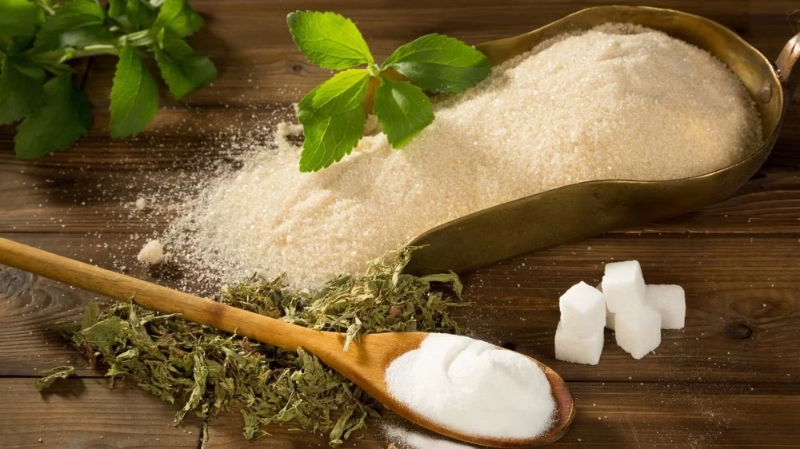
Sugar alcohols provide practical safety with caveats. Erythritol ferments from corn, absorbing minimally to avoid blood sugar hikes—perfect for chocolates and gums. Xylitol rivals sugar in sweetness while inhibiting oral bacteria, slashing cavity risks by up to 80%.
Maltitol suits chewy candies, though higher doses trigger laxative effects via osmosis in the gut. Functional polyols like these integrate seamlessly into low-calorie ice creams and bars. Moderation—under 50 grams daily—maximizes benefits without discomfort.
In OEM production, sugar alcohols texture tablets and coat pills effectively. They bridge natural and functional needs for beverage fizz and food mouthfeel. Paired with fibers, they boost prebiotic effects for digestive harmony.
| Sweetener | Origin | Sweetness Level | Caloric Impact | Key Safety Notes | Ideal Applications |
|---|---|---|---|---|---|
| Stevia | Plant Leaf | 200-400x | Zero | No metabolic disruption | Drinks, supplements |
| Monk Fruit | Fruit Extract | 250-400x | Zero | Antioxidant benefits | Baked goods, teas |
| Erythritol | Fermented | 0.6-0.8x | Low (0.2 kcal/g) | Minimal digestion issues | Chocolates, gums |
| Aspartame | Synthetic | 200x | Zero | Phenylalanine concerns | Diet sodas (cold only) |
| Sucralose | Synthetic | 600x | Zero | Gut microbiome effects | Heat-stable baking |
| Xylitol | Plant/Ferment | 1x | Low (2.4 kcal/g) | Dental health booster | Oral care products |
This comparison spotlights natural sweeteners' edge in safety and versatility.
China leads in natural sweetener production, with factories dedicated to stevia, monk fruit, and polyols for global partners. Expertise spans R&D for custom blends, high-speed tableting, and full OEM/ODM cycles. Scale enables competitive pricing without quality trade-offs.
Facilities adhere to GMP standards, ensuring contaminant-free sweeteners for food, beverage, and healthcare exports. Innovations like fiber-infused sweeteners tackle clean-label demands. Partnerships yield tailored solutions, from zero-sugar sodas to medicated lozenges.
Sustainability drives sourcing—organic stevia farms and efficient extractions minimize environmental footprints. These factories empower manufacturers worldwide with safe, innovative sweetener technologies.
Incorporate safe sweeteners gradually: swap soda for stevia-sweetened sparkling water, or bake with monk fruit blends. Portion control amplifies benefits, especially in high-sweetener recipes. Track labels for pure sources amid blended products.
For families, natural sweeteners in kid-friendly yogurts foster healthy palates. Athletes favor them in recovery shakes for sustained energy sans crashes. Healthcare pros integrate stevia into protocols for metabolic syndrome patients.
Seasonal recipes shine—stevia iced teas for summer, monk fruit hot cocoas for winter. Experimentation unlocks creativity, turning everyday meals into guilt-free delights.
Global regulators affirm natural sweeteners' safety through rigorous testing. Stevia's GRAS status reflects thousands of studies showing no toxicity. Monk fruit enjoys similar endorsements, with no ADI limits due to innate harmlessness.
Emerging research explores sweeteners' roles in microbiome modulation, favoring naturals for diversity support. WHO guidelines prioritize reduced sugar over artificials, aligning with natural trends. Ongoing trials validate long-term efficacy in obesity prevention.
Blended sweeteners evolve rapidly—stevia-monk fruit hybrids with fibers for gut health. Fermentation tech yields novel polyols with enhanced stability. Factories pioneer microencapsulation for sustained release in functional gums.
Personalized nutrition tailors sweetener profiles via AI formulations. Sustainability pushes enzymatic production of allulose at scale. These advances promise even safer, tastier options for tomorrow's markets.
Stevia reigns as the safest sweetener, with monk fruit a close second, thanks to their natural purity, zero calories, and proven health synergies. Artificial options carry avoidable risks, while sugar alcohols require moderation. Leverage Chinese factories' OEM expertise for superior natural sweetener solutions in food, beverages, and healthcare—prioritizing safety unlocks optimal wellness.
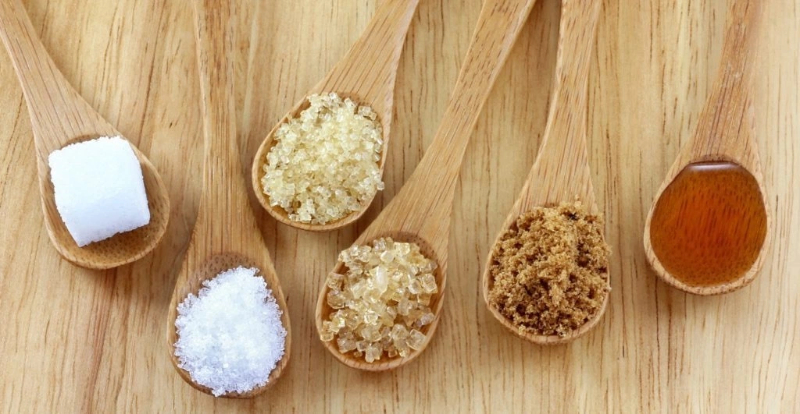
Stevia's plant-derived glycosides provide intense sweetness without calories or blood sugar effects, backed by extensive safety data and global approvals for all populations.
Monk fruit offers superior antioxidants and no aftertaste, making it ideal for blends and delivering 250-400 times sugar's sweetness with zero metabolic impact.
Yes in moderation; erythritol and xylitol support dental and diabetic health but may cause digestive upset if overconsumed, unlike fully natural options.
They may disrupt gut flora, alter appetite, and link to metabolic issues, prompting experts to recommend natural alternatives for long-term safety.
Partner with specialized Chinese factories for OEM/ODM natural sweeteners like stevia blends, ensuring high-purity, custom solutions for global food and healthcare needs.


