
Views: 222 Author: Sara Publish Time: 2026-01-11 Origin: Site


Content Menu
● Protein Types and Innovations
>> Emerging Proteins: Faba Bean, Rice, and Hemp
● Leading Plant Protein Manufacturers and Suppliers
>> BENEO GmbH
>> Archer Daniels Midland (ADM)
● Applications Across Industries
● Sustainability and Supply Chain Excellence
● Global Partnerships and OEM Opportunities
● Future Trends and Challenges
● FAQ
>> 1. What are the top plant protein manufacturers and suppliers in Germany?
>> 2. Which protein types do German plant protein manufacturers and suppliers produce most?
>> 3. How do plant protein manufacturers and suppliers in Germany ensure sustainability?
>> 4. What industries benefit from German plant protein manufacturers and suppliers?
>> 5. What growth is expected for plant protein manufacturers and suppliers in Germany?
Germany stands at the forefront of Europe's plant protein revolution, offering world-class solutions for the food, beverage, and healthcare industries. As a hub for innovation, the country's plant protein manufacturers and suppliers provide high-quality pea, soy, wheat, faba bean, rice, and hemp proteins, catering to global demand for sustainable, clean-label ingredients.

The German plant protein market continues to expand rapidly, driven by rising consumer interest in vegan diets, sustainability, and functional nutrition. Plant protein manufacturers and suppliers in Germany benefit from a robust agricultural base, advanced processing technologies, and stringent EU regulations that ensure top-tier quality and traceability. Key market segments include food and beverages, where proteins enhance texture and nutrition; supplements for sports and health; and even animal feed alternatives.
Germany produces vast quantities of raw materials essential for plant protein manufacturers and suppliers. For instance, wheat production exceeds 24 million tons annually, while pea cultivation has surged to meet isolate demands. Soy imports complement local sources, enabling plant protein manufacturers and suppliers to offer cost-effective, high-protein concentrates (up to 90% purity). The sector's growth aligns with broader EU goals, such as reducing reliance on animal proteins and achieving carbon-neutral supply chains by 2050.
Innovations in extrusion, fermentation, and enzymatic extraction have revolutionized production among plant protein manufacturers and suppliers. These methods yield products with superior solubility, emulsification, and gelling properties, ideal for blended formulations. German plant protein manufacturers and suppliers also lead in hypoallergenic options, appealing to allergy-conscious consumers worldwide.
Pea protein remains the cornerstone for plant protein manufacturers and suppliers in Germany due to its complete amino acid profile, neutral taste, and high digestibility (PDCAAS score near 1.0). Yellow pea varieties, grown extensively in northern Germany, yield isolates with 80-85% protein content. Plant protein manufacturers and suppliers refine these into concentrates for shakes, bars, and meat analogs, where they mimic dairy textures without allergens.
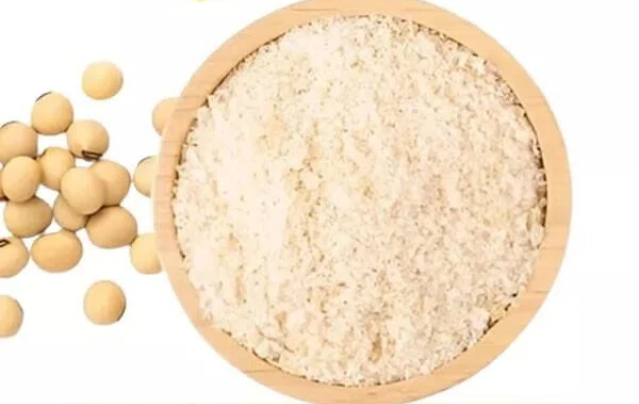
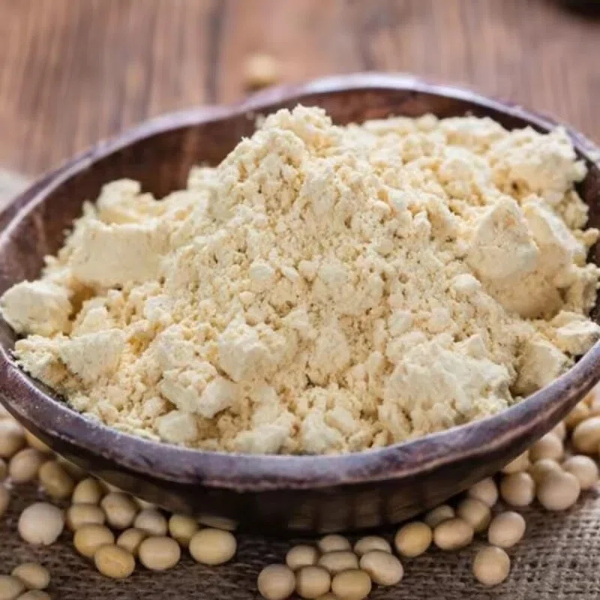
Soy protein, a staple among plant protein manufacturers and suppliers, offers unmatched functionality at competitive prices. German facilities process both GMO-free European soy and imported beans into texturized vegetable protein (TVP), isolates, and hydrolysates. With protein contents reaching 65-90%, soy excels in bakery fortification, beverage stabilization, and extruded snacks. Plant protein manufacturers and suppliers emphasize defatted soy for clean labels, reducing off-flavors through advanced washing techniques.
Vital wheat gluten and textured wheat proteins from leading plant protein manufacturers and suppliers provide elasticity for plant-based meats and bakery goods. Germany's milling heritage supports high-volume production, with plants converting co-products into functional ingredients. These proteins bind water and fat effectively, making them favorites for hybrid meat products.
Faba bean protein is rising fast among plant protein manufacturers and suppliers, boasting 60-70% protein and excellent foaming properties for aerated foods. Rice protein offers allergen-free purity (95%+), ideal for sensitive healthcare applications. Hemp protein, rich in omega-3s, appeals to wellness brands. German plant protein manufacturers and suppliers pioneer blends, combining these for optimized nutrition and functionality.
Fermentation techniques further enhance these proteins, improving branch-chain amino acids (BCAAs) and bioavailability. Plant protein manufacturers and suppliers invest heavily in R&D, developing microalgal hybrids and upcycled pulses to meet future demands.
Headquartered in Mannheim, BENEO exemplifies excellence among plant protein manufacturers and suppliers. As part of the Südzucker Group, BENEO specializes in functional rice starch-protein combos, faba bean isolates, and wheat-based texturizers. Their plant-based proteins deliver clean labels, high solubility, and heat stability for beverages and bakery. BENEO's acquisition of Meatless BV expanded their texturizer portfolio, enabling realistic meat mimics. Plant protein manufacturers and suppliers like BENEO serve global OEMs with customized blends, ensuring seamless integration into formulations.
ADM's German operations rank among top plant protein manufacturers and suppliers, focusing on pea and soy isolates for industrial scale. Their facilities employ high-shear mixing and spray-drying for 85%+ purity products. ADM emphasizes sustainable sourcing, partnering with local farmers for traceable peas. Plant protein manufacturers and suppliers in this league supply fortified flours, protein premixes, and ready-to-eat solutions worldwide.
Irish giant Kerry maintains strong German footprints as plant protein manufacturers and suppliers, excelling in flavor-masked blends for beverages and snacks. Their functional proteins incorporate pea-soy hybrids with fibers, targeting sports nutrition. Kerry's high-moisture extrusion tech produces fibrous textures rivaling beef. Among plant protein manufacturers and suppliers, Kerry stands out for rapid prototyping services, aiding OEM product launches.
Ingredion delivers pea, rice, and wheat proteins tailored for clean-label foods, positioning themselves as key plant protein manufacturers and suppliers. Their Novation® line features cold-water-soluble options for no-cook applications. German plant protein manufacturers and suppliers like Ingredion prioritize non-GMO certifications, appealing to premium markets.
French powerhouse Roquette operates extensively in Germany, launching Nutralys® pea and rice proteins. These hypoallergenic isolates suit medical nutrition and infant formulas. Plant protein manufacturers and suppliers value Roquette's scalability, producing millions of tons annually.
Smaller plant protein manufacturers and suppliers shine too. ProteinDistillery in Esslingen upcycles brewer's spent grains into yeast-derived proteins, slashing waste. Bosque Foods crafts jackfruit-based proteins, while PLANT B GmbH focuses on organic soy-free options. Keen 4 Greens and scramVegg UG offer niche fava and lupin varieties. Sunwarrior distributes premium US imports via German networks. These agile plant protein manufacturers and suppliers foster biodiversity and local economies.
Plant protein manufacturers and suppliers fuel the food sector with emulsifiers for dressings, gellers for yogurts, and texturizers for burgers. Beverages gain creaminess from pea-rice blends, preventing sedimentation. Healthcare leverages rice and faba for dysphagia diets and hypoallergenic supplements, mimicking whey performance.
In sports nutrition, German plant protein manufacturers and suppliers fortify bars and powders with BCAAs, rivaling animal sources. Animal feed applications use affordable soy concentrates, reducing import dependencies. OEM/ODM services blend proteins with fibers and natural sweeteners, creating tablet-ready mixes for global brands.
German plant protein manufacturers and suppliers prioritize circular economies, upcycling potato peels and grain byproducts into proteins. EU Green Deal funding accelerates regenerative farming, cutting emissions by 30%. Short supply chains—from Rhineland peas to Hamburg ports—minimize carbon footprints. Certifications like Rainforest Alliance and EU Organic underscore commitments.
Blockchain traceability ensures purity, vital for plant protein manufacturers and suppliers serving regulated markets. Water-efficient extractions recycle 90% of process water, setting benchmarks.
Plant protein manufacturers and suppliers in Germany collaborate with Asian factories, blending local precision with Eastern scale. Chinese health solution providers integrate German proteins with steviol glycosides and polyols for sugar-free innovations. Exports span 60+ countries, with OEM services offering custom granulations, coatings, and stability testing.
By 2030, plant protein manufacturers and suppliers project 10-15% annual growth, driven by hybrid proteins (e.g., pea-hemp with fibers). AI optimizes fractionation; precision fermentation boosts yields. Challenges like raw material volatility spur vertical integration. Plant protein manufacturers and suppliers eye algae and insect hybrids cautiously, focusing on consumer-accepted plants.
Germany's plant protein manufacturers and suppliers deliver unmatched quality, innovation, and reliability, empowering global food, beverage, and healthcare sectors. From BENEO's functional wonders to ADM's scale, they pioneer sustainable nutrition, making them prime partners for OEM/ODM excellence.
BENEO, ADM, Kerry, Ingredion, Roquette, and innovators like ProteinDistillery lead as plant protein manufacturers and suppliers, offering pea, soy, faba, and rice proteins for diverse needs.
Pea and soy dominate, with pea for solubility and soy for versatility; emerging faba bean and rice grow for allergen-free applications among plant protein manufacturers and suppliers.
Through upcycling, regenerative farming, and certifications, German plant protein manufacturers and suppliers minimize waste and emissions while maximizing traceability.
Food, beverages, healthcare, and feed sectors use products from plant protein manufacturers and suppliers for texture, nutrition, and clean labels.
The market eyes $700M+ by 2030, with plant protein manufacturers and suppliers driving vegan and functional trends through R&D.


