
Views: 222 Author: Sara Publish Time: 2025-07-30 Origin: Site


Content Menu
● Understanding Stevia: A Natural Sweetener
● Does Stevia Sweetener Contain Xylitol?
● Benefits and Considerations of Stevia and Xylitol
● Formulation Considerations: Stevia & Xylitol Blends
● Additional Health and Safety Insights
● Applications of Stevia and Xylitol Sweeteners
● Frequently Asked Questions (FAQ)
>> 1. Does pure stevia contain any xylitol?
>> 2. Can stevia and xylitol be safely combined?
>> 3. Is xylitol a natural sweetener like stevia?
>> 4. What are the health benefits of using a stevia-xylitol blend?
>> 5. Are there any side effects to consuming stevia or xylitol?
Stevia and xylitol are two widely used natural sweeteners, chosen as healthier alternatives to sugar in various food and beverage products. Despite their shared purpose of providing sweetness without the drawbacks of traditional sugar, stevia and xylitol differ chemically and functionally. Pure stevia sweetener does not contain xylitol unless it has been specifically formulated to include it. Stevia is derived from the leaves of the Stevia rebaudiana plant and contains naturally occurring compounds called steviol glycosides, which are intensely sweet yet calorie-free. In contrast, xylitol is a sugar alcohol found in small amounts in many fruits and vegetables, often produced industrially from plant biomass such as corn cobs or birch wood.
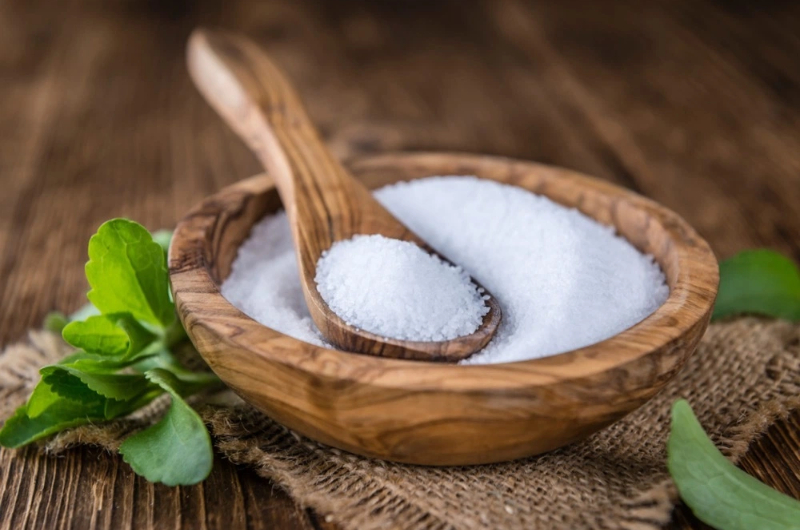
Stevia is a natural, non-nutritive sweetener obtained from the leaves of the South American shrub Stevia rebaudiana. The key components responsible for its sweetness are steviol glycosides, compound molecules that are roughly 200 to 400 times sweeter than table sugar (sucrose). One of the most attractive features of stevia is that it contains no calories or carbohydrates, making it a favored choice for people looking to reduce calorie intake or manage blood sugar levels, such as diabetics.
Stevia is available in several forms to suit different uses:
- Powdered extracts for sweetening beverages and foods
- Liquid drops that can be added to drinks or recipes
- Tablets designed for easy portion control
- Baking blends that mix stevia with bulking agents for volume and texture
One of the reasons stevia is so popular is its natural origin; it is a plant-based sweetener that fits well into vegan, gluten-free, and diabetic-friendly diets. However, some consumers find that pure stevia has a slight bitter or licorice-like aftertaste, which has motivated manufacturers to explore blending it with other natural sweeteners.
Xylitol is classified as a sugar alcohol, or polyol, which is naturally present in small quantities in fruits such as berries and vegetables like mushrooms and cauliflower. Commercially, xylitol is produced by hydrogenating xylose, a sugar extracted from plant materials including corn cobs and birch wood. It is used extensively as a sugar substitute in chewing gums, candies, oral health products, and sugar-free foods because it closely mimics the taste and texture of sugar.
Unlike stevia's zero-calorie profile, xylitol does contain calories — approximately 2.4 calories per gram, which is about one-third fewer than sugar. Xylitol also has a low glycemic index, meaning it has a minimal impact on blood sugar levels, making it suitable for people with diabetes.
Another notable benefit of xylitol is its positive effect on dental health. It promotes the production of saliva, helps remineralize tooth enamel, and inhibits the growth of decay-causing bacteria, which is why it is often included in sugarless chewing gum and dental care products.
Pure stevia sweetener does not contain xylitol, as they are chemically distinct substances derived from different sources and with different properties. Stevia is a natural plant extract made up mainly of steviol glycosides, while xylitol is a naturally occurring sugar alcohol.
Nonetheless, many commercial sweetener blends include both stevia and xylitol. These blends are designed to combine the benefits of each sweetener while masking some of their individual shortcomings, particularly regarding taste and texture. For example, the often-encountered bitterness or aftertaste in stevia can be mitigated when combined with xylitol's sugar-like taste profile and mouthfeel. Products such as Stevita Supreme capitalize on this synergy by blending USDA Certified Organic Stevia with xylitol, creating a sweetener that is low or zero calorie, tooth-friendly, and pleasant-tasting without the harsh aftertaste sometimes associated with pure stevia.
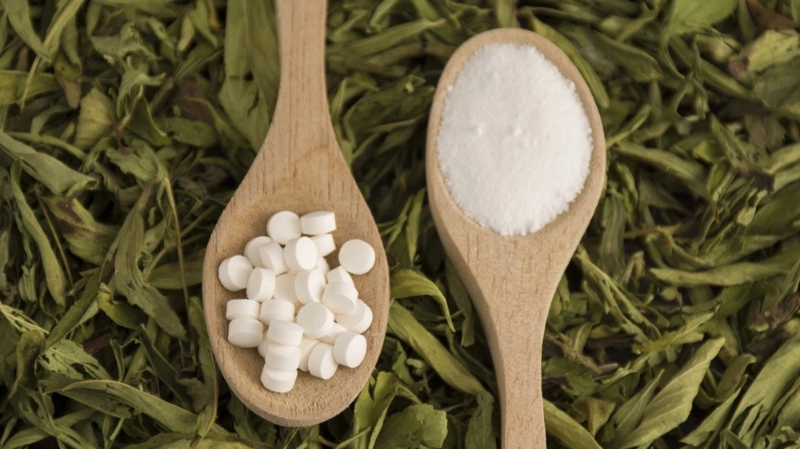
When comparing stevia and xylitol, it's important to consider their distinctive features:
- Source: Stevia is extracted from the leaves of the Stevia rebaudiana plant. Xylitol is a sugar alcohol derived from plant fibers such as corn cobs and birch wood.
- Sweetness Intensity: Stevia is much sweeter than sugar, approximately 200 to 400 times, whereas xylitol has a sweetness level close to that of sugar.
- Calorie Content: Stevia contains no calories, while xylitol contains about 2.4 calories per gram.
- Effect on Blood Sugar: Stevia does not raise blood glucose levels, and xylitol has a low glycemic index, causing a much lower blood sugar rise compared to sugar.
- Dental Health: Stevia is neutral with respect to dental health, while xylitol promotes healthy teeth and protects against tooth decay.
- Taste and Aftertaste: Stevia may have a slight bitterness or licorice aftertaste; xylitol tastes similar to sugar without bitterness.
- Common Uses: Stevia is used in beverages, dietary supplements, and as a baking sweetener. Xylitol is common in chewing gums, sugar-free candies, and oral health products.
- Safety: Both have been recognized as safe by regulatory bodies such as the FDA.
These differences highlight why some manufacturers combine the two sweeteners for a more balanced and appealing product.
Commercial food and beverage manufacturers often utilize blends of stevia and xylitol to create natural sweeteners that optimize taste, texture, and functionality. Some key formulation advantages of these blends include:
- Masking Bitterness: Xylitol helps mask stevia's characteristic bitter or licorice-like aftertaste, making the blend more palatable.
- Sugar-like Mouthfeel: Xylitol provides bulk and a mouthfeel closer to sugar, which pure stevia lacks.
- Health Benefits: The blend maintains low calories and blood sugar impact while enhancing dental protection through xylitol.
- Flexibility: Such blends enable formulators to create diabetic-friendly, keto-friendly, and paleo-compatible sweets, beverages, and supplements.
- Improved Stability: Combining stevia with xylitol improves the shelf-life and solubility of products in various formulations.
Innovative formulas, protected by patents, often blend steviol glycosides with sugar alcohols like xylitol or erythritol to balance sweetness intensity while improving texture and sensory experience in food products.
While stevia and xylitol are generally safe for consumption, some points to consider include:
- Digestive Tolerance: High doses of sugar alcohols, including xylitol, can sometimes cause digestive discomfort such as gas or diarrhea, especially when consumed in excess.
- Pet Safety: Xylitol is highly toxic to dogs and some other pets; thus, foods containing xylitol should be kept away from pets.
- Individual Preferences: Some individuals may find the aftertaste of stevia unpleasant, and blends with xylitol can improve sensory acceptance.
- Blood Sugar Management: Both sweeteners are beneficial for people monitoring blood glucose, given their low glycemic impact.
As with any sweetener or food ingredient, moderation and individual tolerance should guide consumption.
Both stevia and xylitol are extensively incorporated into food and beverage products, dietary supplements, and health-conscious formulations:
- Beverages: Stevia is used in zero-calorie soft drinks, teas, coffee sweeteners, and flavored waters. Xylitol is sometimes combined in these products to enhance mouthfeel.
- Baked Goods: Stevia baking blends and stevia-xylitol mixtures provide sweetness without added sugar, supporting low-calorie and diabetic-friendly pastries.
- Oral Care: Xylitol's dental benefits have made it a staple in sugar-free gums, toothpastes, and mouthwashes, often paired with stevia for sweetness.
- Nutritional Supplements: Stevia is preferred in supplement powders and tablets due to its intense sweetness and calorie-free profile, sometimes combined with xylitol fillers or for improved taste.
- Specialty Foods: Keto and paleo diet-friendly products utilize stevia and xylitol blends to replace sugar while maintaining desirable texture and sweetness.
Understanding how each sweetener functions in various applications helps manufacturers design products that meet consumer demand for healthier, natural, and low-sugar alternatives.
Stevia sweetener, derived from the leaves of Stevia rebaudiana, is a natural, zero-calorie sugar substitute that does not naturally contain xylitol. Although stevia and xylitol are distinct substances with different chemical structures and properties, many commercial sweeteners blend them to harness the combined benefits of their unique qualities. Stevia offers intense sweetness with no calories and no impact on blood sugar, while xylitol adds a sugar-like taste, mouthfeel, and dental health advantages. These blends are increasingly popular in diabetic-friendly, keto-compatible, and health-promoting food and beverage products.
Knowing the differences and synergies between stevia and xylitol can help consumers make informed choices about sugar alternatives and enable manufacturers to develop improved natural sweetener formulations that meet the demands of taste, health, and safety.
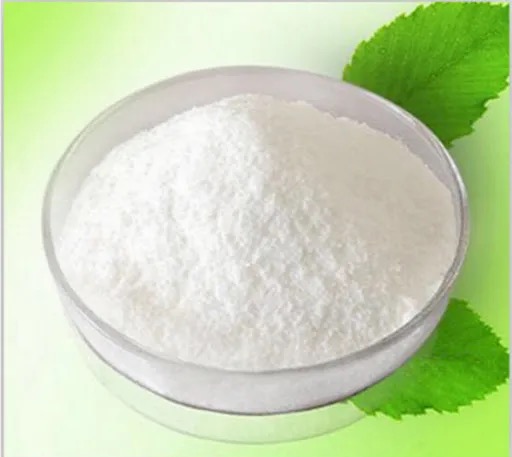
No, pure stevia sweetener is made exclusively from stevia leaf extracts and contains no xylitol.
Yes, stevia and xylitol can be blended safely and are often combined in commercial sweeteners to improve taste and texture.
Xylitol is a naturally occurring sugar alcohol found in fruits and vegetables, but it is chemically different from stevia, which is a glycoside from a plant leaf.
This blend offers zero or low calories, helps maintain healthy blood sugar levels, and supports dental health thanks to xylitol's properties.
Both are generally regarded as safe. However, xylitol can cause digestive discomfort in large amounts. Some people find stevia's aftertaste unpleasant, but blending with xylitol can reduce this.


