


Content Menu
● What Is Monk Fruit Sweetener?
● Processing, Purification, and Standardization
● Flavor, Texture, and Mouthfeel
● Calorie, Glycemic Impact, and Health Implications
● Industrial and Market Trends
● Applications Across Industries
● Practical Formulation Guidance
● Quality Control and Supply Chain Considerations
● Waste Reduction and Sustainability
● Economic and Competitive Landscape
● Regulatory and Labeling Nuances
● Manufacturing Considerations for Your Factory
● Case Studies and Success Scenarios
● Customer Education and Communications
● Safety, Research, and Continuous Improvement
● FAQs
>> 2. Is Monk Fruit safe for diabetics?
>> 3. How sweet is Monk Fruit compared to sugar?
>> 4. Can Monk Fruit cause an aftertaste?
>> 5. How should Monk Fruit be labeled in products?
Monk Fruit, also known as Luo Han Guo, has gained prominence as a natural sweetener option for foods, beverages, and health-focused products worldwide. This article delves into what Monk Fruit sweetener is, how it's processed, its nutritional profile, health considerations, and practical applications for manufacturers and formulators. As consumer demand shifts toward clean-label, low- or zero-calorie sweeteners, Monk Fruit presents a compelling opportunity for a China-based factory that specializes in natural sweeteners, functional polyols, and dietary fibers, offering blended-sweetener development, tablet production, and OEM/ODM services for overseas manufacturers. The following sections provide a comprehensive overview, blending technical details with practical guidance for product development and market positioning.
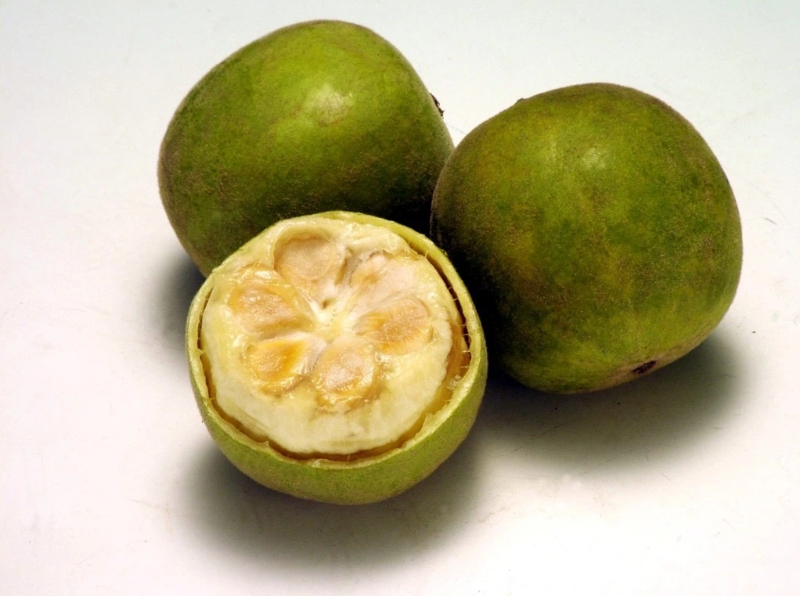
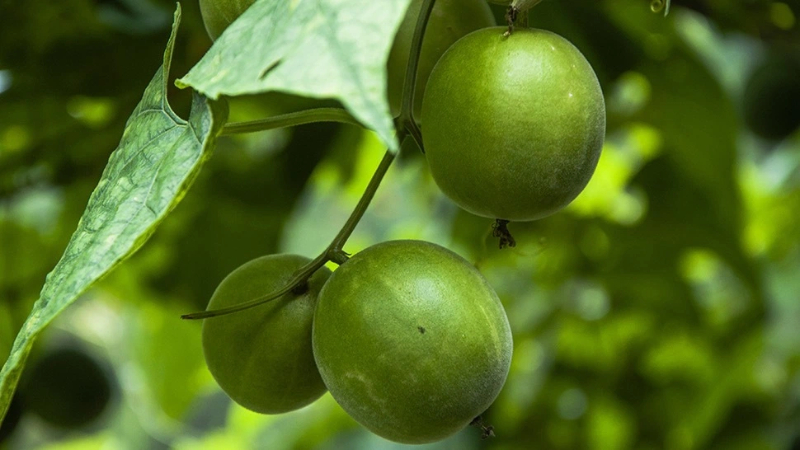
Monk Fruit sweetener is derived from the fruit of Siraitia grosvenorii, a vine native to southern China. The sweetness is primarily due to mogrosides, a family of tropical flavonoid-like compounds, rather than the simple sugars (glucose or fructose) inherently present in the fruit. Mogrosides, particularly mogroside V, provide intense sweetness with little to no caloric contribution. In industrial practice, mogroside extracts are standardized to a defined mogroside content and often blended with bulking agents such as inulin, oligosaccharides, or maltodextrin to achieve the desired texture, mouthfeel, and sweetness intensity in various product formats. This extract can be produced as a powder, granulate, or a liquid concentrate, enabling flexible integration into beverages, baked goods, confectionery, dairy, sauces, and even oral care products. The result is a natural-sounding, clean-label sweetener that aligns with modern consumer expectations for healthful ingredients.
Monk Fruit sweetener begins with careful selection of ripe fruits to maximize mogroside content. The fruit is crushed, and the juice is extracted; mogrosides are then separated and purified through filtration, concentration, and chromatographic techniques. Standardization typically targets a specific mogroside profile, with mogroside V often serving as a key marker due to its potent sweetness. The purified mogroside extract can be further processed into different product formats, including:
- Extracts: High-purity mogroside concentrates (various levels of mogroside V and related mogrosides).
- Blends: Combinations with bulking agents or other natural sweeteners to achieve sugar-like mass and body.
- Solutions: Liquid concentrates for direct use in beverages or sauces.
Quality and regulatory considerations are central to Monk Fruit products. In many regions, mogroside-containing extracts are recognized as safe and may carry GRAS (Generally Recognized as Safe) status or regional equivalents, enabling wide usage in food and beverage applications. For manufacturers, maintaining consistent mogroside content and taste profile is crucial to ensure uniform sweetness across batches and products. As a result, collaborations with reliable cultivation sources, robust extraction processes, and rigorous analytical testing are essential components of an effective Monk Fruit supply chain.
Monk Fruit sweetener offers a clean, fruity flavor profile with a sweetness that can resemble sugar but may carry a mild taste nuance at higher concentrations. The perception of taste can vary with mogroside content, extraction method, and formulation. The mouthfeel is influenced by carrier materials and blends; pure mogroside extracts can be very sweet but lack the bulk and texture of sugar, which is why blending with bulking agents or fiber-rich carriers is common. For baking applications, bulk and texture are critical, so manufacturers typically use Monk Fruit blends that provide both sweetness and structure, mimicking sugar's functional role in recipes.
Monk Fruit sweetener is virtually calorie-free and does not raise blood glucose levels in most individuals, making it attractive for weight management, diabetes care, and metabolic health strategies. However, it's important to recognize that some Monk Fruit products carry bulking agents (e.g., sugar alcohols, fibers) that contribute calories or carbohydrates. Consumers may benefit from formulations that minimize glycemic impact while preserving taste and texture. From a health perspective, mogrosides may offer antioxidant properties, though more research is needed to establish definitive health claims. Regulatory bodies may emphasize labeling accuracy and the absence of added sugars when describing Monk Fruit-containing products.
Clean-label demand continues to push Monk Fruit into mainstream product development across continents. Beverage formulators appreciate the zero-calorie, natural-sweetener profile for ready-to-drink drinks, diet beverages, and flavor-enhancement without sugar. In the bakery and confectionery sectors, Monk Fruit-based blends help achieve sugar reduction targets while preserving mouthfeel and aeration. For a Chinese supplier, there is growing interest in providing high-quality Monk Fruit extracts and blends to overseas manufacturers, especially in markets prioritizing natural ingredients and calorie control. OEM/ODM capabilities enable customized blends with specific mogroside contents, carrier systems, and packaging formats tailored to regional regulatory and consumer preferences.
- Food and beverages: Ready-to-drink teas and coffees, nutritional beverages, yogurts, dairy desserts, desserts, baked goods, chocolates, and sauces.
- Health and wellness: Meal replacements, protein powders, and dietary supplements that require sugar reduction without sacrificing palatability.
- Personal care: Certain oral care products use Monk Fruit blends to deliver sweetness without added sugars that can impact dental health.
- Pharmaceutical and nutraceutical: Medication flavoring and compliance-friendly formulations where sugar alternatives are desirable.
- Define sweetness targets: Determine the desired sweetness in relation to sugar equivalents. Mono- and disaccharide sweetness can guide mogroside Dosage calculations; common practice uses mogroside content as an indicator of sweetness potency.
- Carrier selection: Choose carriers that align with product goals (e.g., inulin for dietary fiber enrichment, maltitol or erythritol for bulk and texture, gum systems for suspension stability in liquids).
- Temperature stability: Monk Fruit sweeteners generally maintain stability under a wide range of temperatures, supporting applications from hot beverages to baked goods. However, processing parameters and pH must be evaluated for each formulation to avoid quality decline.
- Flavor masking: Some blends may require minor flavor adjustments to minimize any residual aftertaste or to harmonize with other ingredients in complex recipes.
- Labeling considerations: Emphasize "zero calories," "no added sugars," and "natural sweetener" where permitted by local rules. If using blends, disclose carrier ingredients as appropriate to regulatory standards.
- Raw material sourcing: Consistent sourcing of ripe Luo Han Guo fruits with stable mogroside profiles is critical for predictable sweetness and batch consistency.
- Processing controls: Standardize extraction parameters, purification steps, and mogroside content to minimize batch-to-batch variation.
- Analytical testing: Implement HPLC-based methods or validated in-house assays to quantify mogroside content and verify flavor neutrality and absence of off-notes.
- Packaging and shelf life: Protect Monk Fruit extracts from moisture, light, and heat to preserve potency and flavor over time; select packaging that minimizes oxidation and flavor loss.
- Regulatory diligence: Regularly review labeling claims and permitted terminology in target markets to avoid misrepresentation and ensure compliance.
- Byproducts: Explore value-added uses for byproducts like fruit pulps in animal feed or bioactive ingredients, aligning with sustainability goals.
- Green processing: Emphasize energy-efficient extraction and solvent recovery where feasible; document environmental impact reductions as part of corporate social responsibility initiatives.
- Cost considerations: Mogroside-rich extracts can be more expensive than other sweeteners, but blending strategies with polyols and fibers can optimize cost-performance.
- Competitive positioning: Emphasize your factory's strength in OEM/ODM capabilities, reliability of supply, and stringent quality controls. A focus on "health-focused," "natural," and "clean-label" attributes can differentiate offerings in crowded markets.
- Market entry strategy: For overseas manufacturers, provide technical support, formulation guidance, and regulatory compliance assistance to accelerate time-to-market for Monk Fruit-based products.
- North America: In the United States, many Monk Fruit extracts with defined mogroside content are treated as Generally Recognized as Safe (GRAS) when properly prepared; labeling should reflect ingredient identity and calorie-free characteristics where appropriate.
- Europe: Regulatory acceptance may vary by country; work with local regulatory consultants to determine permissible descriptions and health claims for Monk Fruit-based products.
- Asia-Pacific: Market-specific guidelines may apply, including naming conventions (e.g., Luo Han Guo extract) and permitted uses in foods and supplements.
- Custom blends for overseas clients: Leverage your OEM/ODM capabilities to develop Monk Fruit-based sweetener blends tailored to each client's product portfolio, including beverages, baked goods, and dairy products.
- Tablet formation and functional excipients: If developing Monk Fruit-based powders for tablet production, select appropriate binders, disintegrants, and flow agents to ensure tablet quality and stability.
- Packaging formats: Offer a range of formats such as sachets, bulk powder, and liquid concentrates to support diverse application requirements.
- Technical support: Provide formulation libraries, recommended usage levels, and stability data to assist overseas manufacturers in achieving consistent product performance.
- Beverage reformulation: A beverage company replaces a portion of added sugar with a Monk Fruit-based blend, maintaining sweetness while reducing caloric content and achieving a cleaner label.
- Bakery product line: A bakery introduces a Monk Fruit–fiber blend to reduce sugar without sacrificing crumb structure or mouthfeel.
- Dairy product enhancement: A yogurt or milk-based dessert uses Monk Fruit extract blends to deliver sweetness without lactose sugar considerations, appealing to sugar-reduction targets.
- Ingredient transparency: Educate customers about what Monk Fruit is, how mogrosides work, and why the ingredient aligns with clean-label and health-conscious trends.
- Recipes and usage guides: Offer practical usage notes, suggested starting dosages, and compatibility recommendations for various food and beverage categories.
- Multimedia resources: Provide informative visuals and videos illustrating extraction, standardization, and application examples to support partner understanding and trust.
- Ongoing safety monitoring: Maintain vigilance regarding potential allergen considerations and ensure cross-contact prevention in manufacturing facilities.
- Consumer research: Track consumer sentiment regarding Monk Fruit sweetness intensity, aftertaste perception, and willingness to substitute traditional sugars.
- Innovation: Invest in developing new blends that optimize taste, texture, and cost performance for global markets, alongside exploring novel carriers or natural flavor modifiers that complement Monk Fruit sweetness.
Monk Fruit sweetener represents a robust opportunity for food, beverage, and healthcare product development, offering zero calories, minimal glycemic impact, and a compelling clean-label narrative. For a China-based factory specializing in natural sweeteners, functional polyols, and dietary fibers, Monk Fruit blends enable flexible OEM/ODM services, supporting overseas manufacturers in achieving targeted sweetness, texture, and regulatory compliance across diverse markets. By integrating reliable Monk Fruit extracts with thoughtfully selected carriers and tailoring formulations to client needs, your company can deliver high-quality, market-ready solutions that meet evolving consumer expectations for healthier, flavorful products.
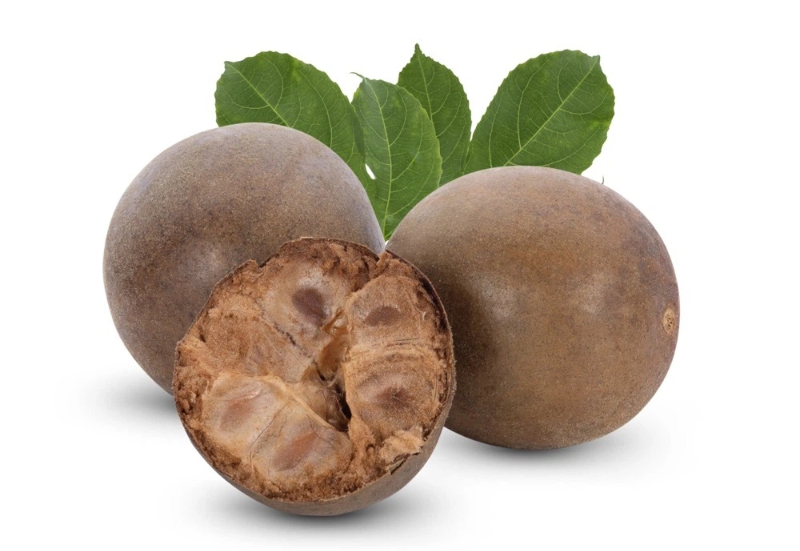
Monk Fruit is a natural sweetener derived from the Luo Han Guo fruit, containing mogrosides that provide intense sweetness without calories or carbohydrates. It is commonly used in beverages, foods, and health-oriented products.
Yes, Monk Fruit typically does not raise blood sugar levels, making it a popular option for people managing diabetes. However, individual responses may vary, and it is advisable to consult a healthcare professional for personalized guidance.
Monk Fruit is about 150–250 times sweeter than table sugar, depending on the mogroside content and the product formulation. Small amounts can achieve the desired sweetness, which helps reduce caloric intake.
Some formulations may exhibit a mild aftertaste, though it is generally less pronounced than other natural zero-calorie sweeteners. Formulation tweaks and blending with bulking agents can minimize aftertaste.
Labeling varies by region, but commonly it is labeled as Monk Fruit extract, Mogroside extract, or Luo Han Guo extract. Claims such as "zero calories," "no added sugar," and "natural sweetener" may appear where permitted by local regulations.
[1](https://www.foodandnutritionjournal.org/volume13number1/the-battle-of-natural-sweeteners-a-comprehensive-guide-to-monk-fruit-and-stevia/)
[2](https://www.healthline.com/nutrition/monk-fruit-sweetener)
[3](https://transparencyfoods.com/blogs/news/types-of-monk-fruit-sweeteners-explained)
[4](https://www.whatsugar.com/monk-fruit)
[5](https://www.lakanto.com/blogs/recipes/how-to-use-monkfruit-sweeteners)
[6](https://www.webmd.com/diet/what-to-know-about-monk-fruit-sugar)
[7](https://www.cleanprogram.com/blogs/health-lifestyle/the-magic-of-monk-fruit)
[8](https://monkvee.com/blogs/monkvee-news/monk-fruit-a-sugar-free-sweetener-guide)


