
Views: 222 Author: Sara Publish Time: 2026-01-15 Origin: Site


Content Menu
● Overview of Norway's Plant Protein Landscape
● Market Growth and Demand Drivers
● Key Plant Protein Manufacturers and Suppliers in Norway
>> Representative Companies Table
● Innovation, Research, and Technology
● Product Categories from Norwegian Plant Protein Manufacturers and Suppliers
● Sustainability and Traceability Advantages
>> Environmental Benefits of Plant Protein
● Regulatory and Quality Framework
● Export Potential and International Positioning
● Opportunities for Ingredient Partners: Sweeteners, Polyols, and Fibers
>> Functional Synergies in Formulation
● Digital Marketing and Branding for Norwegian Suppliers
>> Collaboration with Global OEM/ODM Partners
● FAQ
>> 1. What types of products do Norwegian plant protein manufacturers and suppliers typically offer?
>> 3. Which protein sources are most important for plant protein manufacturers and suppliers in Norway?
>> 4. How do Norwegian plant protein manufacturers and suppliers address sustainability?
>> 5. How can a brand start working with plant protein manufacturers and suppliers in Norway?
Norway is emerging as a strategic hub for Plant Protein Manufacturers and Suppliers, driven by strong sustainability policies, health‑conscious consumers, and advanced food technology capabilities. Plant protein manufacturers and suppliers in Norway increasingly focus on pea, faba bean, grains, and imported soy extracts to serve food, beverage, nutraceutical, and sports nutrition brands worldwide.[1]

Norway's plant-based protein food sector is expanding as consumers reduce meat intake and embrace sustainable, health-oriented diets. Plant protein manufacturers and suppliers in Norway leverage both domestic legumes and imported pea or soy ingredients to develop meat analogues, ready meals, snacks, and functional powders.[1]
- Frozen and chilled meat substitutes have shown strong value growth, reflecting robust demand for plant-based options.[1]
- Collaboration between research institutes and industry partners accelerates innovation among plant protein manufacturers and suppliers in Norway.[1]
The Norwegian plant-based protein food market has grown rapidly, with plant protein extracts for meat analogues recording strong compound annual growth in the last decade. Plant protein manufacturers and suppliers benefit from rising flexitarian and vegan populations, along with a strong retail presence for plant-based foods.[2]
- Major food groups have set ambitious goals to substantially grow revenues from plant-based foods by mid‑decade.[3]
- Demand for plant-based burgers, mince, sausages, nuggets, and veggie balls is pushing plant protein manufacturers and suppliers to scale capacity and optimize formulations.[4]
Several notable plant protein manufacturers and suppliers in Norway support domestic and international brands with ingredients and finished products. Many of these companies focus on pea- and bean-derived proteins, functional fibers, and value‑added vegetarian foods.[5][6]
- Ingredient-focused companies supply pea protein concentrates, faba bean protein, plant fibers, and starches for meat substitutes and high-protein bakery applications.[5]
- Brand‑oriented businesses transform these ingredients into consumer products such as plant-based burgers, cutlets, nuggets, and ready‑to‑eat meals sold across Nordic retail chains.[7]
| Company / Brand | Location | Core Focus | Relevance to Plant Protein Manufacturers and Suppliers |
|---|---|---|---|
| Vestkorn‑type pea & faba specialists | Norway | Production of pea and faba bean ingredients including protein, fiber, and starch fractions for food and feed. | A flagship example of Norwegian plant protein manufacturers and suppliers, providing key ingredients for meat analogues and plant‑based foods. |
| Pea ingredient processors | Western Norway | High-quality pea products rich in protein, produced via air‑classification and gentle milling. | Strategic suppliers of pea-based ingredients for food, feed, and pet food, central to Norway’s plant protein manufacturers and suppliers network. |
| Large Nordic food groups | Nationwide | Investment in plant-based chilled and frozen meat substitutes under multiple brands. | Shape demand and innovation, working closely with ingredient plant protein manufacturers and suppliers in Norway and across Europe. |
| Sports nutrition brands | Norway | Sustainable plant-based protein powders designed for fitness and wellness markets. | Represent the consumer-facing side of plant protein manufacturers and suppliers, especially in sports nutrition and functional beverages. |
| Protein solution traders | Norway | Supply innovative, GMO‑free protein-based nutritional solutions and sustainable protein raw materials. | Bridge animal feed, pet nutrition, and food protein applications, reflecting diversification among plant protein manufacturers and suppliers. |
Innovation projects in Norway focus on transforming vegetables and plant fractions into appealing vegetarian products with improved taste and texture. These initiatives bring together meat producers, vegetable processors, mills, hospitality groups, and research partners to create scalable plant-based solutions.[4]
- Pilot plants host test productions, enabling plant protein manufacturers and suppliers to trial new ingredients and processes before industrial scale‑up.[5]
- R&D teams optimize extrusion, hydration, and texturisation to deliver meat-like bite, juiciness, and flavor in plant-based burgers and sausages.[4]
Norwegian plant protein manufacturers and suppliers prioritize several technical focus areas to remain competitive and innovative. These focus areas help convert plant raw materials into high-value ingredients and consumer products.[5]
- Texture engineering: Fine‑tuning extrusion conditions to obtain fibrous, meat‑like textures from pea and faba protein blends suitable for burgers, strips, and mince.[4]
- Flavor masking and enhancement: Working with natural flavors, fermentation, and Maillard-based solutions to reduce beany notes and enhance savory profiles in plant-based products.[7]
- Nutritional optimization: Balancing amino acid profiles, fortifying with vitamins and minerals, and integrating dietary fibers to meet health and regulatory targets.[2]
- Clean-label formulation: Reducing reliance on long additive lists by using functional plant fibers, native starches, and natural binders in collaboration with clean-label ingredient partners.
Plant protein manufacturers and suppliers in Norway serve a wide spectrum of categories, from retail consumer goods to specialized B2B ingredients. This breadth allows them to reach supermarkets, foodservice chains, and international OEM/ODM partners.[1]
- Meat analogues: burgers, patties, sausages, mince, nuggets, balls, and strips using pea and faba proteins.[4]
- Ready meals: lasagna, casseroles, grain bowls, and stews with plant-based proteins replacing or complementing meat.[8]
- Snacks and bakery: high‑protein crisps, crackers, breads, and wraps formulated with plant protein flours and concentrates.[9]
- Sports nutrition: protein powders, RTD protein shakes, bars, and functional gels featuring plant protein isolates and blends.[7]
- Specialized nutrition: medical nutrition, elderly nutrition, and weight management products using highly digestible plant protein ingredients.[2]
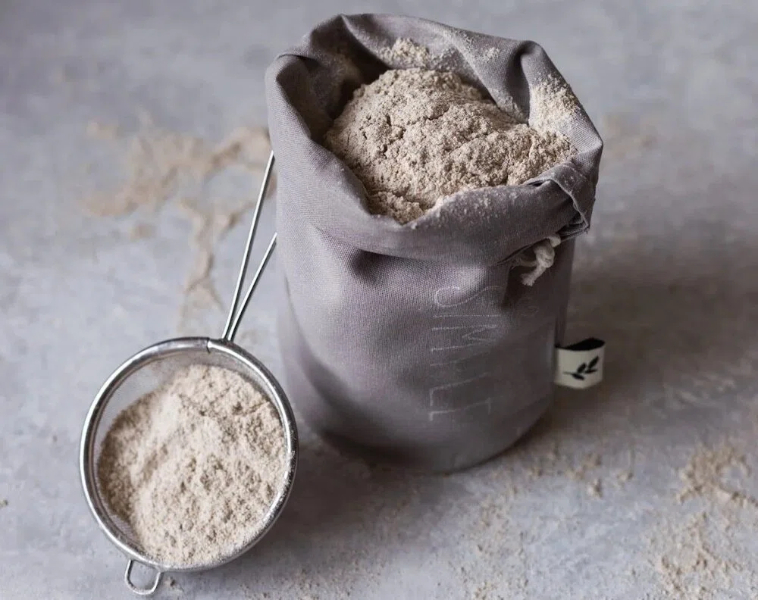
Sustainability is a central selling point for plant protein manufacturers and suppliers in Norway, aligning with both domestic policy and global customer expectations. Norwegian suppliers often highlight responsible sourcing, energy‑efficient processing, and transparent supply chains.[3]
- Many Norwegian plant protein manufacturers and suppliers use certified, non‑GMO raw materials and adopt responsible agricultural practices.[5]
- Traceability systems enable customers to follow ingredients from field to finished product, supporting corporate ESG reporting and consumer trust.[3]
Replacing animal protein with plant protein ingredients can reduce greenhouse gas emissions, land use, and freshwater consumption. Plant protein manufacturers and suppliers in Norway leverage these benefits when positioning their offerings to international brands and retailers.[8][2]
- Life-cycle assessments typically show lower environmental footprints for plant-based burgers versus conventional beef patties when ingredients are sourced and processed efficiently.[2]
- Norway's focus on renewable energy in manufacturing further strengthens the sustainability profile of plant protein manufacturers and suppliers located there.[3]
Norwegian plant protein manufacturers and suppliers operate under stringent food safety and quality regulations aligned with European standards. This regulatory context underpins their reputation as reliable partners for international brands requiring consistent, compliant ingredients.[5]
- Facilities follow HACCP-based food safety management and often maintain certifications such as ISO and FSSC for global market access.[9]
- Lab testing ensures that plant protein ingredients meet specifications for microbiological safety, heavy metals, allergens, and nutritional composition.[2]
Demand for European plant-based ingredients is growing in North America, Asia-Pacific, and the Middle East, creating export opportunities for Norwegian plant protein manufacturers and suppliers. Their focus on pea and faba proteins complements demand from markets looking for alternatives to soy and gluten-heavy proteins.[7][5]
- Norwegian suppliers can position themselves as premium European partners, emphasizing quality, sustainability, and technical support.[3]
- Collaboration with overseas distributors and local formulators helps plant protein manufacturers and suppliers tailor ingredient functionality to regional cuisines and regulatory requirements.[6]
Plant protein manufacturers and suppliers in Norway frequently require complementary ingredients to create balanced, consumer‑friendly products. This includes natural sweeteners, functional polyols, and dietary fibers that enhance taste, texture, and nutritional value.
- High‑protein bars, shakes, and meal replacements built on Norwegian plant proteins often incorporate low-calorie sweeteners and prebiotic fibers to reduce sugar and support gut health.
- B2B collaboration between plant protein manufacturers and suppliers and specialized sweetener/fiber factories enables development of integrated ingredient systems for OEM/ODM customers in food, beverage, and healthcare sectors.
Combining plant proteins with polyols and fibers offers multiple formulation benefits for brands working with plant protein manufacturers and suppliers in Norway. These synergies help manufacturers launch differentiated products in crowded plant-based categories.
- Polyols and fibers can improve mouthfeel and moisture retention in high‑protein bakery and snack products, addressing dryness and hardness.
- Natural high‑intensity sweeteners allow reduced-sugar or sugar‑free plant-based protein products without compromising on flavor.
To reach global partners, Norwegian plant protein manufacturers and suppliers must invest in strong digital visibility and brand storytelling. SEO‑optimized content, thought‑leadership pieces, and clear technical documentation can all support international business development.
- Emphasizing keywords like “Plant Protein Manufacturers and Suppliers in Norway” within high‑quality technical articles helps attract B2B decision‑makers searching for new suppliers.
- Showcasing case studies, white papers, and application guides on company websites demonstrates the capabilities of plant protein manufacturers and suppliers and builds trust with R&D teams.
Norwegian plant protein manufacturers and suppliers can strengthen their global footprint by partnering with OEM/ODM specialists that assemble complete ingredient solutions. Such collaboration allows end‑brands to source plant protein, sweeteners, and fibers through integrated projects rather than fragmented supply chains.
- Co‑development projects align plant protein functionality with sweetness, calorie targets, and fiber claims to create market‑ready prototypes faster.
- This approach is particularly valuable for multinational brands seeking to launch consistent plant-based product concepts across several regions at once.[7]
Norway's ecosystem of Plant Protein Manufacturers and Suppliers is maturing rapidly, underpinned by strong consumer demand, research-driven innovation, and a growing portfolio of pea and faba-based ingredients for food, beverage, and healthcare markets. From ingredient producers and technology-driven R&D centers to sports nutrition brands and meat analogue specialists, plant protein manufacturers and suppliers in Norway are well positioned to serve global partners that prioritize sustainability, quality, and clean-label formulation. As collaboration with international OEM/ODM experts in sweeteners, functional polyols, and dietary fibers expands, Norway's plant protein manufacturers and suppliers will play an even larger role in the next generation of plant-based products worldwide.[3][5]
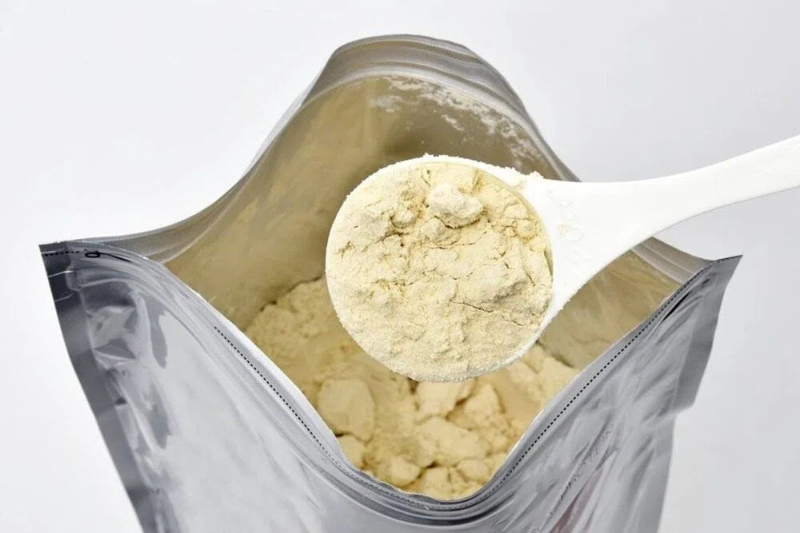
Norwegian plant protein manufacturers and suppliers usually offer pea and faba protein concentrates, textured plant proteins, plant fibers, and protein-rich flours for food and beverage production. Many also support finished plant-based foods such as burgers, sausages, ready meals, and protein powders for retail and foodservice.[4][5]
Yes, many plant protein manufacturers and suppliers in Norway work with international brands on customized ingredients and co‑developed product concepts. Their strong regulatory compliance, technical expertise, and pilot capabilities make them suitable partners for OEM/ODM collaborations in multiple regions.
Pea and faba bean proteins are the main focus for many Norwegian plant protein manufacturers and suppliers due to their good functionality, sustainability, and alignment with European agricultural strengths. Soy, grains, and other plant proteins may complement these core sources in specific formulations or export-focused products.[2][5]
Norwegian plant protein manufacturers and suppliers emphasize responsible sourcing, energy‑efficient processing, and transparent supply chains to reduce environmental impact. Many highlight non‑GMO materials, local raw materials where possible, and renewable energy usage as part of their sustainability positioning.[5][3]
Brands typically begin by sharing project requirements, desired applications, and nutritional targets with potential Norwegian plant protein manufacturers and suppliers. After that, partners progress through sample evaluation, pilot trials, and commercial agreements to secure long-term ingredient supply and technical support.
[1](https://www.perplexity.ai/search/e17f2631-d978-4f7c-a108-31bf0f5b69a0)
[2](https://www.perplexity.ai/search/bd944260-26e8-40d9-be0f-9c12d6be2458)
[3](https://www.perplexity.ai/search/aad8366c-b829-4788-81ad-b9c72d14799b)
[4](https://www.perplexity.ai/search/19fbd409-2489-4078-be89-90fc5bf15440)
[5](https://www.perplexity.ai/search/c6034686-f41d-4fde-87b2-95de1f14449f)
[6](https://www.perplexity.ai/search/b8e6db05-3db7-4689-ae01-0a353efa9e6c)
[7](https://www.perplexity.ai/search/ebd9384a-84e2-47ba-9237-18436b026a93)
[8](https://www.perplexity.ai/search/4b910c9b-6843-451f-9efb-384f3cfb2975)
[9](https://www.perplexity.ai/search/0501ee45-f3e1-4074-ab67-0524ec293527)


