
Views: 222 Author: Sara Publish Time: 2025-11-10 Origin: Site


Content Menu
● Brazil market context for Monk Fruit Extract
● Key players and supplier landscape in Brazil
● Quality, certifications, and regulatory considerations
● Applications and formulation guidance
● Sourcing and due diligence for Brazilian partnerships
● Collaborative opportunities with a China-based OEM/ODM-focused factory
● FAQ
>> 1. What is Monk Fruit Extract and why is mogroside content important?
>> 2. How does Monk Fruit Extract support clean-label positioning in Brazil?
>> 3. What formats are commonly available for Monk Fruit Extract in Brazil?
>> 4. How can a contract manufacturer assist with blended-sweetener development?
Monk Fruit Extract has become a prominent natural sweetener choice across Brazil's food, beverage, and health-focused sectors. As consumer demand for clean-label, zero-calorie, plant-derived ingredients continues to rise, Brazilian manufacturers and international buyers seek reliable partners capable of delivering high-purity mogroside-rich monk fruit extracts, customized blends, and contract manufacturing support. This article surveys the Brazilian Monk Fruit Extract landscape, identifies leading suppliers, discusses quality and regulatory considerations, and highlights how a China-based health-solution factory can collaborate to provide blended-sweetener development, tablet production, and OEM/ODM services to foreign manufacturers. The discussion centers on Monk Fruit Extract manufacturers and suppliers, mogroside content, formulation flexibility, supply reliability, and the role of integrated quality systems in fostering long-term partnerships.[2][4][6]
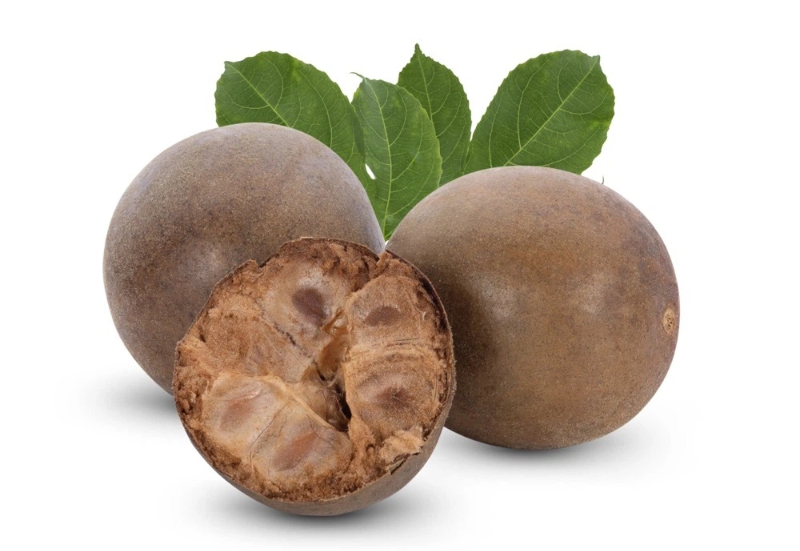
- Brazil's demand for natural, zero-calorie sweeteners is expanding across beverages, bakery, dairy, and dietary supplements, driven by health consciousness, sugar-reduction initiatives, and consumer interest in clean-label ingredients. Monk Fruit Extract, often rich in mogrosides, offers sweetness without calories and aligns with Brazilian labeling expectations when properly documented.[3][6]
- The broader sugar substitutes and natural sweeteners segment in Brazil is forecast to grow, supported by increasing urban consumption, expanding retail channels, and rising imports of high-purity monk fruit products. This growth creates opportunities for both importers and local distributors to establish stable supply chains.[5][8]
- Regulatory and certification considerations are central to market entry: Brazilian importers typically seek documentation such as COA/CoA, MSDS, GMP/compliance attestations, and, when relevant, organic or non-GMO claims. Partnering with suppliers that can provide robust QA documentation reduces regulatory friction.[10][11]
Leading Brazilian-oriented monk fruit suppliers typically emphasize:
- Mogroside-rich extracts suitable for beverages and bakery applications
- Product formats including powder and liquid concentrates
- Technical capabilities for private labeling, custom blends, and contract manufacturing
- Transparent quality systems, traceability, and robust supply logistics
- In practice, the most credible players combine regional distribution reach with international sourcing networks, enabling rapid delivery to Brazilian manufacturers and multinational clients. They emphasize consistent Mogroside V content, efficient purification, and minimal off-notes to support clean-label formulations.[1][4][10]
- For deeper market intelligence, consider monitoring industry analyses and regional market reports that quantify Brazil's monk fruit uptake, competition dynamics, and price rationales. These resources often highlight growth drivers, regulatory shifts, and key supplier profiles critical for procurement planning.[4][1]
- Purity and sensory performance: A high-purity Monk Fruit Extract with stable mogroside profiles offers predictable sweetness strength and reduced aftertaste, which are essential for consistent product quality in Brazil's diverse applications. Suppliers should provide detailed specifications including mogroside content, especially mogroside V percentage, and batch-specific COA.[2][10]
- Documentation and compliance: Importers require robust documentation, including COA/CoA, MSDS, health certificates, and where applicable, organic or non-GMO certifications. Audits and GMP verification further enhance confidence for long-term contracts and OEM/ODM collaborations.[12][10]
- Supply reliability: Given Brazil's logistical complexities and seasonal demand, suppliers with scalable production capacity, multiple regional logistics options, and contingency planning (backup suppliers, safety stock) are favored by foreign manufacturers seeking stable long-term partnerships.[1][2]
- Regulatory landscape: Clean-label regulations in Brazil and broader Latin America increasingly encourage natural sweeteners with clear labeling and traceability. Vendors who align with these regulatory expectations facilitate smoother market access and brand storytelling.[6][5]
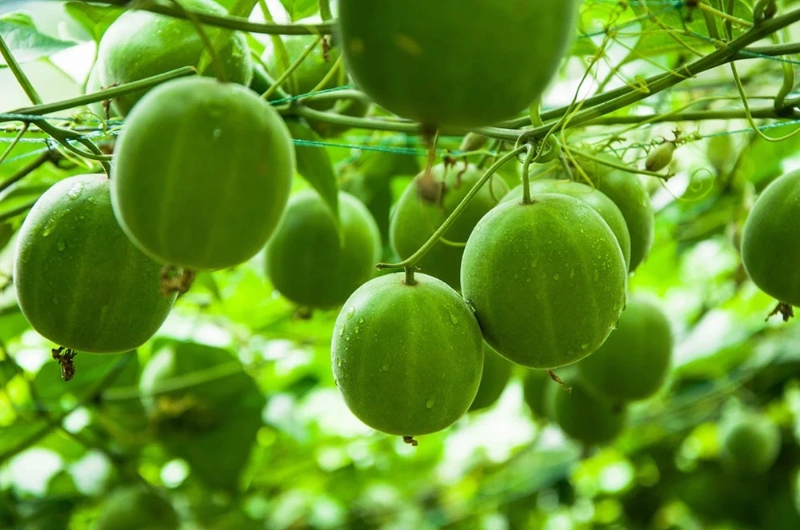
- Beverage applications: Monk Fruit Extract is widely used in ready-to-drink teas, flavored waters, dairy beverages, and low-sugar sodas. Formulators often balance Monk Fruit sweetness with other natural sweeteners to achieve a preferred taste profile and mouthfeel, while preserving zero-calorie claims.[3][6]
- Bakery and snacks: Reduced-sugar bakery products, nutrition bars, and confectionery can benefit from monk fruit's clean-label appeal, particularly when combined with bulking agents or soluble fibers to maintain texture and volume.[8][9]
- Dairy and dairy alternatives: In yogurts, kefirs, and plant-based milks, Monk Fruit Extract enables lower-calorie sweetness with minimal impact on viscosity when formulated with appropriate stabilizers and texture-enhancers.[4][6]
- Formulation tips: When integrating Monk Fruit Extract, consider pH stability, solubility, and potential off-notes. Blending strategies with polyols or natural sweeteners can help mimic sucrose profiles, improve mouthfeel, and reduce aftertaste. Labeling considerations should reflect natural origin and zero-calorie positioning.[1][2]
- OEM/ODM and blended-sweetener opportunities: A Chinese health-solution factory can play a pivotal role by offering customized blended-sweetener development, tablet production, and contract manufacturing services to Brazilian clients seeking scalable, compliant solutions. This includes technology transfer, flavor management, and packaging customization to support international market entry.[10][4]
- Supplier qualification: Conduct site visits or remote audits, request GMP certifications, and verify traceability for mogroside-rich extracts. Confirm production capacities, lead times, and contingency plans for supply reliability.[10]
- Technical due diligence: Obtain comprehensive specifications, stability data, and sensory profiles from suppliers. Verify residual solvents, extraction methods, and quality control protocols.[10]
- Commercial terms: Discuss MOQs, pricing, currency, payment terms, and contract flexibility for long-term collaborations. Ensure clarity on private-label or OEM/ODM arrangements, packaging formats, and labeling compliance.[12]
- Logistics and risk management: Evaluate incoterms, shipping modes, insurance, and potential import duties. Establish risk-mitigation strategies, including safety stock levels and diversification of supplier sources.[5][2]
- A dedicated health-solution factory in China can bring significant value to Brazilian and Latin American customers through:
- Blended-sweetener development combining Monk Fruit Extract with functional polyols and dietary fibers to meet label claims and functional targets.
- Tablet production and solid dosage form capabilities for nutraceuticals or dietary supplements, enabling private-label offerings with streamlined regulatory support.
- Comprehensive OEM/ODM services that cover formulation, scale-up, packaging, and regulatory documentation to accelerate market introduction and ensure consistent product quality.
- Benefits for Brazilian buyers include reduced lead times, access to customized formulations, and robust QA/testing programs that align with global standards. For the Chinese manufacturer, these engagements expand cross-border capacity, diversify revenue streams, and deepen technical know-how in natural sweeteners and health ingredients.[2][10]
Choosing the right Monk Fruit Extract partner in Brazil requires evaluating purity, supply reliability, regulatory readiness, and the ability to support customized blends and contract manufacturing. A China-based health-solution factory can serve as a strategic partner for foreign manufacturers seeking scalable blended-sweetener solutions, tablet production, and OEM/ODM services, enabling efficient entry into Brazil and broader Latin American markets while maintaining strict quality controls and transparent documentation.[6][2]
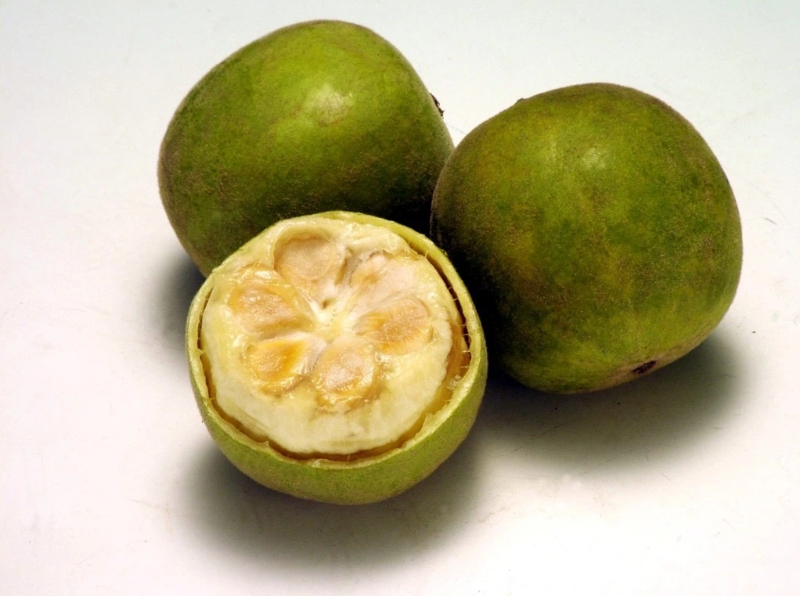
Monk Fruit Extract is a natural zero-calorie sweetener whose sweetness intensity and purity are determined by its mogroside content, typically measured as Mogroside V.
Monk Fruit Extract supports clean-label positioning in Brazil by offering a natural, zero-calorie sweetener that aligns with "clean" and "natural" claims sought by health-conscious consumers.
Monk Fruit Extract is commonly available in Brazil as liquid drops, powdered blends with carriers like erythritol, and concentrated granules for diverse product applications.
A contract manufacturer accelerates blended-sweetener development by leveraging technical expertise, existing supplier partnerships, and scalable infrastructure to create customized, cost-effective solutions.
Brazilian importers should request a Certificate of Analysis (CoA), ANVISA registration, and proof of organic/non-GMO status from Monk Fruit Extract suppliers.
[1](https://www.linkedin.com/pulse/brazil-monk-fruit-sugar-market-ai-impact-size-drivers-challenges-sh1tc)
[2](https://www.wiseguyreports.com/reports/monk-fruit-extract-market)
[3](https://www.maximizemarketresearch.com/market-report/monk-fruit-sweetener-market/262033/)
[4](https://www.grandviewresearch.com/industry-analysis/monk-fruit-sweetener-market-report)
[5](https://www.statista.com/outlook/cmo/food/spreads-sweeteners/sweeteners/brazil)
[6](https://www.futuremarketinsights.com/reports/monk-fruit-ingredient-market)
[7](https://www.transparencymarketresearch.com/monk-fruit-sugar-market.html)
[8](https://mobilityforesights.com/product/brazil-sugar-substitutes-and-natural-sweeteners-market)
[9](https://market.us/report/monk-fruit-sweetener-market/)
[10](https://usetorg.com/category/monk-fruit-extract)
[11](https://pdf.dfcfw.com/pdf/H3_AP202412131641289648_1.pdf)
[12](https://mtroyal.com.tr/en/product/monk-fruit-extract/)


