
Views: 222 Author: Sara Publish Time: 2025-12-29 Origin: Site


Content Menu
● Sucralose vs. Sugar: Caloric Impact
● Blood Sugar and Insulin Effects
● Safety and Regulatory Approval
● Potential Side Effects of Sucralose
● Long-Term Studies on Sucralose
● Sucralose for Special Populations
● Environmental and Production Insights
● FAQ
>> 1. Is sucralose safe for daily consumption?
>> 2. Does sucralose raise blood sugar?
>> 3. Can sucralose cause gut issues?
>> 4. Is sucralose better for teeth than sugar?
>> 5. How does sucralose compare calorically to sugar?
Sucralose provides a compelling zero-calorie alternative to sugar, igniting ongoing discussions about its overall health implications compared to traditional sugar consumption. This comprehensive article delves deeply into sucralose's origins, benefits, potential drawbacks, and direct comparisons with sugar, drawing on extensive scientific insights to evaluate whether sucralose truly offers a healthier path for daily use.
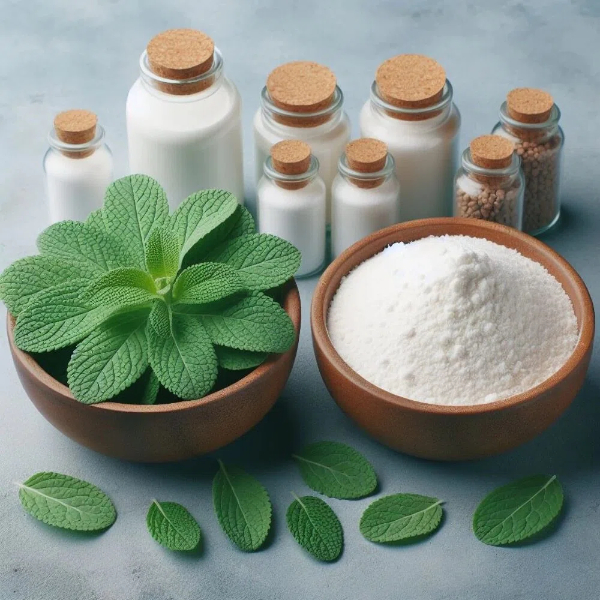
Sucralose represents a breakthrough in artificial sweeteners, created by modifying sucrose, the common table sugar, through a process of chlorination. This transformation replaces three hydroxyl groups with chlorine atoms, resulting in a compound approximately 600 times sweeter than sugar itself. Unlike sugar, which the body metabolizes for energy, sucralose passes through the digestive system almost entirely unabsorbed, excreting about 85% unchanged in the feces and the rest via urine, thus contributing zero calories.
This unique structure grants sucralose exceptional stability under heat, acid, and alkaline conditions, making it versatile for everything from baking cookies to brewing hot coffee. Sucralose first gained prominence in the 1990s after rigorous testing, and today it powers popular brands like Splenda, appearing in diet sodas, chewing gums, yogurts, and countless processed foods. Its clean, sugar-like taste without the bitter aftertaste common in other sweeteners has made sucralose a staple in low-calorie products worldwide.
For those managing weight or blood sugar, sucralose shines by delivering intense sweetness in minute quantities—often just milligrams per serving—eliminating the need for sugar's bulky volume. Sucralose's non-nutritive nature means it doesn't contribute to the empty calories that sugar piles on, potentially aiding in sustained energy levels without the crashes associated with glycemic spikes.
Sugar delivers a hefty 4 calories per gram, accumulating quickly in diets heavy on sweets and leading to widespread issues like obesity, metabolic syndrome, and related chronic diseases. Sucralose, by stark contrast, clocks in at zero calories, allowing consumers to enjoy sweet flavors guilt-free while slashing overall caloric intake. Studies consistently show that replacing sugar with sucralose in beverages and foods can reduce daily calorie consumption by hundreds, supporting effective weight management strategies over time.
Consider everyday scenarios: a can of sugary soda packs around 140 calories, primarily from sugar, while its sucralose-sweetened diet version offers the same taste with virtually none. This swap proves transformative for those aiming to create a calorie deficit without feeling deprived. Sucralose also avoids sugar's role in promoting overeating, as research indicates that sugar stimulates appetite-regulating hormones in ways that encourage further consumption, whereas sucralose does not trigger the same reward pathways excessively.
Long-term adherence to low-sugar diets becomes easier with sucralose, fostering habits that prioritize health. Athletes and fitness enthusiasts particularly appreciate sucralose for fueling workouts with hydration drinks that maintain performance without added weight-gain risks. In essence, sucralose redefines sweetness as a tool for caloric control rather than a hindrance.
Sugar's rapid breakdown causes dramatic blood glucose surges, prompting insulin overproduction and eventual resistance, a precursor to type 2 diabetes. Sucralose sidesteps this entirely, exhibiting no meaningful impact on blood sugar or insulin levels in both healthy individuals and those with diabetes. Clinical trials spanning weeks to months confirm that sucralose consumption—whether in liquids, solids, or mixed meals—keeps glycemic responses flat, making it a go-to for blood sugar stabilization.
For diabetics, this neutrality proves invaluable, enabling sweet treats without the fear of hyperglycemia or the strict carb-counting sugar demands. Prediabetics benefit similarly, using sucralose to experiment with flavorful meals while monitoring improved A1C levels. Sucralose's lack of fermentation in the gut further prevents secondary glucose rises from microbial activity.
Even in challenging tests involving obese subjects or those with impaired glucose tolerance, sucralose consistently underperforms sugar in disrupting metabolic balance. This reliability positions sucralose as a smarter daily choice for anyone prioritizing endocrine health amid rising diabetes rates globally.
Sugar disrupts the gut microbiome by feeding harmful bacteria and elevating endotoxin levels, which can inflame the intestinal lining and contribute to systemic issues like leaky gut. Sucralose, however, demonstrates a more benign profile, with human studies showing it preserves gut barrier integrity better than sugar. While some animal research raises flags about potential microbial shifts at high doses, real-world human data reveals no significant dysbiosis from typical sucralose intake.
Sucralose's poor absorption means it reaches the colon minimally altered, where it doesn't serve as a major energy source for bacteria, unlike sugar's fermentable carbs. This reduces bloating, gas, and inflammation often linked to sugar-heavy diets. Emerging evidence even suggests sucralose might support a healthier microbial diversity by avoiding sugar's selective promotion of pathogens.
For individuals with irritable bowel syndrome or general digestive sensitivities, sucralose offers a gentler sweetening option. Incorporating sucralose into fiber-rich foods enhances satiety without gut compromise, promoting overall digestive wellness.
Sugar fuels Streptococcus mutans and other oral bacteria, producing acids that erode tooth enamel and foster cavities. Sucralose, non-cariogenic and non-fermentable, starves these microbes, earning endorsements from dental associations worldwide. Chewing sucralose-sweetened gum post-meals stimulates saliva flow, neutralizing acids and remineralizing teeth more effectively than sugared alternatives.
Children stand to gain immensely, as sucralose enables candy and drinks that satisfy sweet cravings without orthodontic nightmares. Long-term use correlates with reduced plaque buildup and gingivitis, underscoring sucralose's role in preventive oral care. Sucralose even exhibits mild bacteriostatic properties, directly inhibiting decay-causing strains.
Sucralose underwent over 110 safety studies before earning FDA approval in 1998, with similar clearances from the European Food Safety Authority, WHO, and dozens of global bodies. The acceptable daily intake sits at 5 mg per kg of body weight—equivalent to 23 packets of Splenda for a 150-pound adult—far above average consumption. No credible links exist to cancer, neurological issues, or reproductive harm in humans.
Sucralose's stability ensures it doesn't break down into harmful byproducts during digestion or cooking. Regulatory reviews reaffirm its safety across all life stages, from infants to the elderly, positioning sucralose as one of the most thoroughly vetted sweeteners available.
While rare, some report mild gastrointestinal discomfort or headaches at excessive levels, though these lack causal proof and often stem from overall diet changes. High-dose animal studies occasionally note gut permeability changes, but human equivalents demand implausibly large amounts. Sucralose shows no thyroid disruption, weight gain promotion, or allergic potential in population studies.
Moderation remains key, with most people consuming under 10% of safe limits. Compared to sugar's proven toll on obesity and disease, sucralose's risk profile appears negligible.
Sucralose integrates effortlessly into morning coffee, smoothies, homemade sauces, and desserts. Blend it with natural flavors like vanilla or fruit purees for customized sweetness. In baking, sucralose bulking agents ensure volume and texture akin to sugar.
For families, sucralose transforms kid-friendly snacks into health allies. Experiment with sucralose-sweetened energy bars or iced teas for refreshing, low-cal options.
Decades of post-market surveillance reveal no adverse trends in sucralose users. Cohort studies link sucralose to modest weight loss versus sugar baselines, with stable metabolic markers. Ongoing research continues to validate sucralose's enduring safety.
Diabetics achieve better glycemic control with sucralose, while pregnant women enjoy it safely within guidelines. Children and athletes leverage sucralose for cavity-free, performance-boosting treats. Obese individuals report higher diet success rates.
Sucralose derives from abundant sugar sources, with production processes optimizing efficiency and minimizing waste. Its stability reduces food spoilage, indirectly cutting environmental footprints compared to sugar's resource-intensive farming.
Sucralose delivers sugar's rounded sweetness with a crisp finish, excelling in hot and cold applications. Blends with erythritol or monk fruit elevate its profile further.
From beverages to pharmaceuticals, sucralose drives innovation in low-sugar formulations. Factories specializing in blends offer OEM solutions for global manufacturers, ensuring consistent sucralose quality.
Sucralose outperforms sugar across key health metrics—calories, blood sugar control, gut integrity, dental protection, and long-term safety—making it a superior choice for modern diets. While no sweetener replaces whole foods entirely, sucralose enables sustainable sweet indulgence without sugar's downsides. Opt for sucralose to enhance wellness effortlessly.
Yes, sucralose proves safe for daily use well below established limits, with extensive studies confirming no harm across populations.
No, sucralose exerts no significant effect on blood sugar or insulin, benefiting diabetics and others.
Human evidence indicates sucralose supports gut health better than sugar, avoiding inflammatory disruptions.
Yes, sucralose prevents cavities entirely, as bacteria cannot ferment it.
Sucralose offers zero calories per gram versus sugar's 4, ideal for weight management.


