


Content Menu
● Stevia Safety and Side Effects
● Stevia in Food and Beverages
● Regulatory Approval for Stevia
● Industrial Production of Stevia
● Stevia in Healthcare Products
● Challenges and Innovations in Stevia
● FAQ
>> 1. Is Stevia safe for daily use?
>> 2. Does Stevia raise blood sugar?
>> 3. Can Stevia cause side effects?
>> 4. Is Stevia natural and better than artificial options?
>> 5. How to substitute Stevia for sugar?
Stevia, a natural sweetener extracted from the leaves of the Stevia rebaudiana plant native to South America, serves as a zero-calorie alternative to sugar that's increasingly popular in food, beverages, and healthcare products. As a Chinese factory specializing in natural sweeteners, functional polyols, and dietary fibers, we provide blending, tablet production, and OEM/ODM services to international manufacturers, helping them incorporate high-quality Stevia into their formulations. This in-depth article examines whether Stevia is truly okay, delving into its origins, health benefits, safety profile, applications, comparisons, production processes, trends, and innovations, all while emphasizing Stevia's role in modern health solutions.

Stevia has been used for centuries by indigenous peoples in Paraguay and Brazil as a sweetener in teas and medicines, long before it gained global attention. The sweetness in Stevia comes primarily from steviol glycosides, natural compounds like stevioside and rebaudioside A (Reb A), which are 200 to 400 times sweeter than sucrose but contain no calories or carbohydrates. Unlike sugar, Stevia passes through the body without being metabolized, making it an attractive option for calorie-conscious consumers seeking Stevia in everyday diets.
Modern commercial Stevia is highly purified to remove bitter compounds, resulting in a clean Stevia taste that's stable under heat, acid, and freeze-thaw conditions—ideal for baking, beverages, and processed foods. Our factory refines Stevia extracts to over 95% purity, blending them seamlessly with polyols like erythritol or dietary fibers such as inulin to create balanced Stevia sweetness profiles that mimic sugar's mouthfeel. Stevia's plant-based nature aligns perfectly with the rising demand for clean-label ingredients, positioning Stevia as a staple in natural product development.
Stevia production begins with cultivating the Stevia plant in optimal climates, often in China, which supplies over 80% of the world's Stevia. Leaves are harvested, dried, and extracted using water or mild solvents to isolate the glycosides, followed by chromatography for purification. This process ensures Stevia meets stringent food-grade standards, free from impurities that could affect taste or safety. For manufacturers, high-purity Stevia enables precise dosing in formulations, from Stevia-sweetened energy drinks to nutritional supplements.
One of Stevia's standout benefits is its lack of impact on blood glucose or insulin levels, making Stevia a go-to for diabetics and those managing prediabetes. Clinical studies demonstrate that consuming Stevia-sweetened foods leads to stable blood sugar, unlike sugar which causes spikes. This property extends Stevia's appeal to ketogenic and low-carb diets, where Stevia helps satisfy sweet cravings without derailing ketosis.
Stevia also shows promise for cardiovascular health; research indicates that regular Stevia intake can lower LDL cholesterol and triglycerides while raising HDL, potentially reducing heart disease risk. In one study, participants using Stevia for 12 weeks saw significant improvements in lipid profiles, attributing this to Stevia's antioxidant steviol glycosides that combat oxidative stress. For weight management, Stevia's zero calories allow for substantial sugar reduction—up to 100% in many products—without compromising flavor, aiding in sustainable calorie control.
Beyond metabolic benefits, emerging evidence suggests Stevia may support oral health by inhibiting plaque-forming bacteria, positioning Stevia as a natural cavity fighter in gums and toothpastes. Stevia's potential anti-inflammatory effects could benefit joint health, while animal models hint at Stevia protecting against fatty liver disease through improved lipid metabolism. As prebiotic-like compounds, Stevia glycosides may foster beneficial gut microbiota, enhancing digestion when paired with fibers in our OEM tablet formulations.
Stevia's antihypertensive potential is another key benefit; extracts have been shown to modestly lower blood pressure in hypertensive individuals, likely due to vasodilatory compounds in Stevia. For skin health, topical Stevia applications soothe irritation, and in skincare, Stevia acts as a humectant. Overall, Stevia's multifaceted benefits make it a versatile ingredient for functional foods and beverages targeting wellness.
Regulatory bodies worldwide affirm Stevia's safety: the FDA grants GRAS status to purified steviol glycosides, the EFSA approves Stevia with an acceptable daily intake (ADI) of 4 mg/kg body weight, and JECFA sets similar limits. These approvals stem from extensive toxicology studies showing no genotoxicity, carcinogenicity, or reproductive toxicity at realistic doses. Whole-leaf Stevia or crude extracts lack this status due to insufficient data, but refined Stevia is rigorously tested for purity.
Common side effects with Stevia are rare and mild, such as occasional nausea or bloating, often from blends with sugar alcohols rather than Stevia itself. High doses in animal studies raised concerns about fertility or kidney function, but human-equivalent amounts far exceed typical consumption—equivalent to gallons of Stevia-sweetened soda daily. No credible links exist between approved Stevia and cancer; in fact, some Stevia components exhibit anticancer properties in lab settings.
For special populations, pregnant and breastfeeding women can use Stevia moderately, as studies show no adverse effects. Children tolerate Stevia well in moderation, and those with phenylketonuria (PKU) face no issues since Stevia contains no phenylalanine. Interactions with medications are minimal, though monitoring is advised for blood pressure drugs due to Stevia's mild hypotensive effect. Our production processes include allergen testing and microbial controls, ensuring safe Stevia for global markets.
Long-term human data reinforces Stevia's safety; population studies in Stevia-heavy regions like Japan report no health epidemics. Advances in purification eliminate off-notes and impurities, making today's Stevia safer than ever.
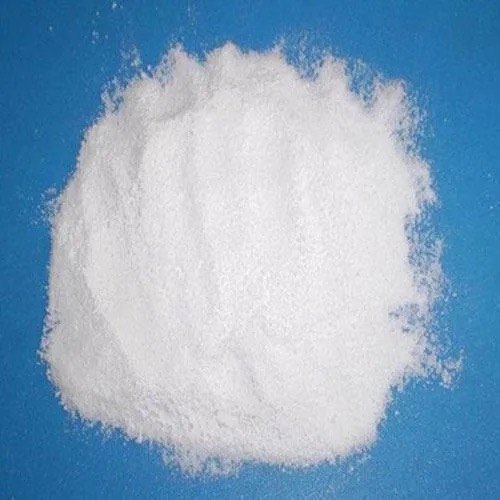
In beverages, Stevia excels at creating zero-calorie sodas, juices, and teas with authentic sweetness. Coca-Cola Life and Pepsi True blend Stevia with sugar for reduced-calorie options, while pure Stevia versions dominate diet lines. Stevia withstands pasteurization and carbonation, maintaining stability in ready-to-drink formats.
Baking with Stevia requires bulking agents for volume, but high-intensity Stevia delivers precise sweetness in cookies, cakes, and breads. Dairy products like yogurts, puddings, and ice creams leverage Stevia for creamy low-sugar indulgences. In confectionery, Stevia sweetens chocolates and gummies, often combined with fibers for chewiness.
Savory applications include Stevia in sauces, dressings, and marinades, where it balances acidity without calories. Functional beverages pair Stevia with electrolytes, vitamins, or nootropics for energy drinks and wellness shots. Our factory's blending expertise creates custom Stevia mixes for OEM clients, optimizing solubility and shelf life in everything from protein shakes to herbal infusions.
Stevia enhances ethnic cuisines too—sweetening Asian sauces or Latin desserts naturally. Consumer education on dosing ensures perfect Stevia results at home or in factories.
| Sweetener | Calories per g | Sweetness Factor | Glycemic Index | Natural Origin | Heat Stability | Best Applications |
|---|---|---|---|---|---|---|
| Stevia | 0 | 200-400x | 0 | Yes | Excellent | Beverages, Dairy, Tablets |
| Sucralose | 0 | 600x | 0 | No | Excellent | Baking, Processed Foods |
| Aspartame | 4 | 200x | 0 | No | Poor | Cold Drinks |
| Monk Fruit | 0 | 150-250x | 0 | Yes | Good | Blends, Yogurt |
| Erythritol | 0.2 | 0.7x | 1 | Fermented | Good | Bulking with Stevia |
| Allulose | 0.4 | 0.7x | 0 | Yes | Excellent | Sauces, Ice Cream |
Stevia shines for its natural status and versatility, often outperforming synthetics in taste perception studies. Blends like Stevia-erythritol dominate markets for balanced performance.
Stevia's journey to approval involved pivotal 2008 FDA GRAS notices for Reb A, followed by expansions to other glycosides. Europe approved Stevia in 2011, Asia earlier via Japan's long history. China's GB standards specify Stevia purity, facilitating exports. 2025 updates emphasize Stevia in sugar-reduction initiatives globally.
Harmonized ADIs ensure safe Stevia trade. Labeling requires "Stevia glycosides" disclosure, promoting transparency.
China's Stevia hub uses advanced fermentation for Reb M/D, yielding premium Stevia 300x sweeter with no bitterness. Extraction yields 10-15% glycosides from leaves; biotech boosts efficiency. Our facilities offer spray-drying for powders, granulation for tablets, and liquid concentrates.
Sustainability includes regenerative farming, reducing Stevia's carbon footprint. Scalable production meets surging demand.
Pharma uses Stevia to mask bitter drugs in syrups and lozenges. Nutraceuticals blend Stevia with probiotics or collagen for palatable supplements. Tablets from our lines combine Stevia, fibers, and actives for digestive aids.
Clinical applications explore Stevia for glycemic control in medicated foods.
Stevia sales grow 15-20% annually, fueled by "natural" labeling. Millennials favor Stevia in RTD coffees; Gen Z in functional sodas. Clean-label Stevia drives premium pricing.
Global fusions like Stevia-matcha lattes trend.
Bitter aftertaste challenges persist, solved by next-gen Reb M via enzymes. Nanotech improves Stevia dispersion. Future biotech Stevia promises ultra-high potency.
Stevia proves okay—and exceptional—as a safe, natural sweetener with robust health benefits, regulatory backing, and endless applications in food, beverages, and healthcare. From blood sugar stability to innovative blends, Stevia empowers healthier living. Partner with our factory for superior Stevia solutions tailored to your needs.[1][2][3]
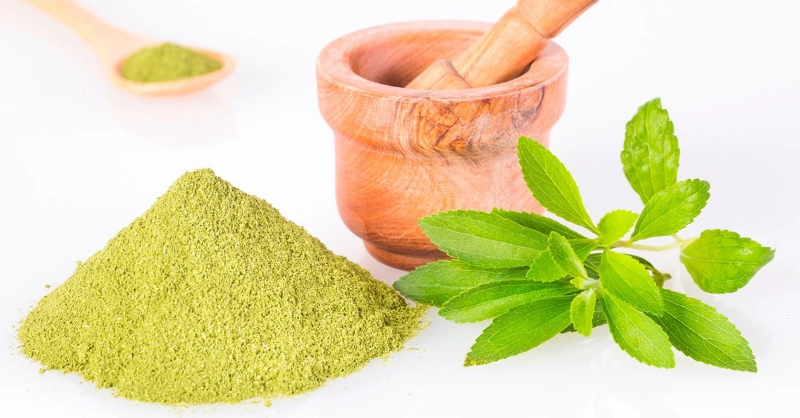
Yes, purified Stevia is GRAS and safe within ADI limits of 4 mg/kg body weight daily.[1]
No, Stevia has zero glycemic impact, perfect for diabetics.[3]
Mild digestive issues are rare and usually from blends, not pure Stevia.[2]
Yes, Stevia's plant origin and potential extras like antioxidants set it apart.[1]
Use 1 teaspoon Stevia powder for 1 cup sugar, adjusting for blends.[2]
[1](https://www.healthline.com/health/food-nutrition/stevia-side-effects)
[2](https://www.webmd.com/food-recipes/what-is-stevia)
[3](https://www.goodrx.com/well-being/diet-nutrition/stevia-bad-for-you)


