
Views: 222 Author: Sara Publish Time: 2025-09-16 Origin: Site


Content Menu
● Is Stevia Natural or Artificial?
● Taste Profile and Culinary Uses
● Stevia Compared to Other Sweeteners
● Stevia in Functional Ingredients and Healthcare Products
● Challenges and Controversies
● Frequently Asked Questions (FAQ)
>> 1. What part of the stevia plant is used for sweeteners?
>> 2. Is stevia better than artificial sweeteners?
>> 3. Can stevia be used in baking and cooking?
>> 4. Are there any side effects of consuming stevia?
>> 5. How does stevia affect blood sugar levels?
Stevia has become a popular topic in recent years, especially among health-conscious consumers seeking natural alternatives to sugar. But the question remains: is stevia artificial or natural? This article explores this question in-depth, covering what stevia is, how it is produced, its uses, benefits, and some controversies surrounding it. Rich with detailed explanations and informative headings, this article will provide a comprehensive answer.
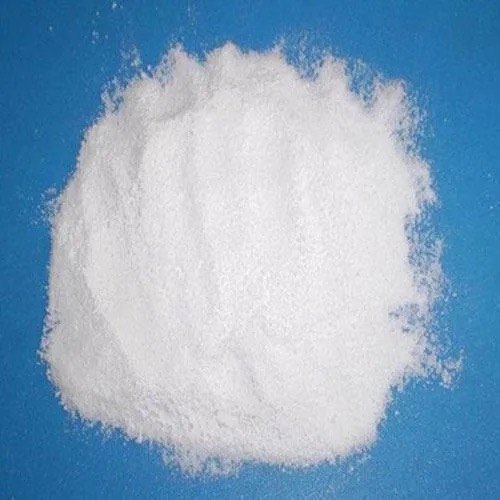
Stevia is a sweetener derived from the leaves of the Stevia rebaudiana plant, native to South America. It has been used for centuries by indigenous people to sweeten foods and beverages. The sweet compounds in stevia leaves are natural glycosides called steviol glycosides, which are intensely sweet—up to 300 times sweeter than sucrose (table sugar).
Stevia plants are small, herbaceous perennials that thrive in a warm climate. The leaves contain several sweet-tasting compounds, primarily stevioside and rebaudioside A, which are responsible for the plant's sweetness. The extraction of these compounds makes it a versatile sweetening agent with zero calories.
The short answer is: Stevia itself is a natural product, as it is directly extracted from a plant. The sweet compounds, mainly steviol glycosides like stevioside and rebaudioside A, occur naturally in the leaves.
However, the stevia products available commercially vary in their degree of processing:
- Pure Stevia Leaf: This is simply dried or powdered stevia leaves. It is entirely natural but has a strong, sometimes bitter aftertaste.
- Stevia Extracts: These are refined forms where steviol glycosides are extracted and purified. While the source is natural, processing and purification involve some chemical steps that are safe but make the product less "whole" natural.
- Stevia-Based Sweeteners: Some commercial sweeteners blend steviol glycosides with fillers, bulking agents, or other sweeteners, which may include artificial ingredients. Checking the product label is important to understand its composition.
Overall, stevia in its common commercial form is considered natural, but it is important to recognize that refined extracts undergo processing that can sometimes blur the line between natural and artificial.
The production of stevia sweeteners involves several steps that transform the raw plant leaves into the highly sweet products found on the market:
1. Harvesting: Stevia leaves are harvested by farmers, primarily in countries like Paraguay, China, and Brazil.
2. Drying: Leaves are carefully dried to preserve the glycosides.
3. Grinding: The dried leaves are crushed or ground into a fine powder.
4. Extraction: The powdered leaves undergo water or ethanol extraction to isolate steviol glycosides.
5. Purification: Extracts are purified through filtration, ion exchange, and crystallization to concentrate the sweet components and remove impurities.
6. Drying or Concentrating: The purified extract is dried into powder or concentrated into liquid form for commercial use.
7. Blending: Some products mix the purified stevia extract with bulking agents or other sweeteners to optimize taste and handling.
The extraction and purification sequence ensures a high-purity product, especially for the FDA-approved powdered extracts used widely in food and beverages. This processing enhances sweetness while reducing unwanted flavors.
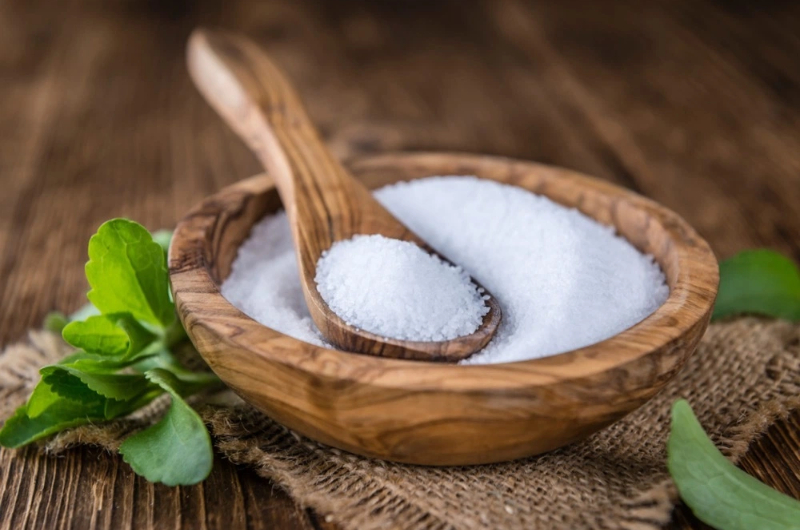
Stevia offers several notable benefits, making it appealing for use in food, beverages, and healthcare products:
- Zero Calories: Stevia provides sweetness without calories, supporting weight management and reducing calorie consumption from added sugars.
- Natural Origin: Being plant-based, it appeals to consumers seeking natural, non-synthetic sweeteners.
- Suitable for Diabetics: Stevia does not raise blood sugar or insulin levels, making it safe for people with diabetes and metabolic syndrome.
- Dental Health: Unlike sugar, stevia does not contribute to cavities or tooth decay, supporting oral health.
- Heat Stable: Stevia can be used in cooking and baking without breaking down or losing sweetness.
- Low Glycemic Index: This allows stevia to be an ideal sweetener for people managing blood glucose levels.
- Environmentally Friendly: Stevia cultivation generally requires fewer resources than sugarcane and corn syrup production, contributing to sustainability.
These attributes have made stevia an increasingly popular sugar alternative, contributing to the global trend of reducing added sugar in diets.
Although stevia is intensely sweet, it differs from sugar in flavor. Many people notice a mild licorice or herbal aftertaste, especially with crude extracts or whole leaf powders. Purified rebaudioside A tends to have the least aftertaste and is most commonly used in sweetener products.
In culinary applications, stevia is versatile. It can sweeten beverages such as teas, coffees, and soft drinks; it is used in baked goods, dairy products, and even savory dishes to balance flavors. When baking, stevia's heat stability means it retains sweetness even at high temperatures, making it a good substitute for sugar in recipes designed for low calorie content.
Manufacturers often blend stevia with other natural sweeteners or polyols (such as erythritol or xylitol) to improve mouthfeel and offset aftertaste, creating well-rounded sweetening solutions.
Stevia is often compared to both sugar and artificial sweeteners. Understanding these comparisons helps clarify its role in diets and food production.
| Aspect | Stevia | Sugar (Sucrose) | Artificial Sweeteners |
|---|---|---|---|
| Source | Plant-based (Stevia rebaudiana) | Plant-based (Sugarcane, Sugar beet) | Synthetic chemicals |
| Caloric Content | Zero calories | 4 calories per gram | Usually zero or very low-calorie |
| Glycemic Index | Zero | High (raises blood sugar) | Zero |
| Safety Profile | Approved by FDA and EFSA | Safe but linked to obesity and diabetes | Approved but sometimes controversial |
| Aftertaste | May have mild licorice/bitter aftertaste | Sweet, no aftertaste | Often metallic or chemical aftertaste |
| Use in Cooking | Heat stable | Heat stable | Varies; some degrade under heat |
Stevia's combination of natural origin, zero calorie content, and safety profile makes it unique compared to artificial alternatives like aspartame or sucralose, which some consumers try to avoid.
Stevia extracts, especially high-purity rebaudioside A, have been approved for use as sweeteners by many regulatory agencies:
- The FDA has recognized high-purity steviol glycosides as Generally Recognized As Safe (GRAS).
- The European Food Safety Authority (EFSA) permits stevia use in foods and beverages.
- Other countries have varying regulations; whole stevia leaves or crude extracts are sometimes not approved due to insufficient toxicological data.
Regulatory bodies consider purified steviol glycosides safe for consumption within acceptable daily intake limits, usually set around 4 mg per kg of body weight.
Stevia's application goes beyond sweetening. It is being integrated into functional foods and healthcare formulations as a natural ingredient that supports healthy eating patterns. It pairs well with dietary fibers and polyols, which add digestive benefits and improve texture.
In medical nutrition, stevia is favored for diabetic-friendly meal replacements and weight management products. Its natural, plant-based nature is aligned with the growing consumer demand for clean-label and natural healthcare ingredients.
Additionally, some research suggests stevia may have antioxidant and anti-inflammatory properties, though these benefits require further scientific validation.
Despite its benefits, stevia faces challenges:
- Aftertaste: The slight bitterness or licorice notes can be off-putting to sensitive palates.
- Consumer Education: Many consumers confuse stevia with artificial sweeteners due to its intense sweetness and processing.
- Whole Leaf and Crude Extracts: These forms are banned or restricted in some countries due to limited safety data.
- Processing Effects: Some argue that highly processed extracts are less "natural," raising debates about labeling and marketing.
- Potential Allergies: Although rare, some individuals may experience allergic reactions to stevia.
Overall, most concerns are addressed by using purified extracts and informed manufacturing processes.
Stevia is fundamentally a natural sweetener derived from the leaves of the Stevia rebaudiana plant. While commercial stevia products vary in purity and processing, the sweetening compounds originate naturally. Stevia offers many benefits—zero calories, diabetic-friendly, and plant-based—which make it an attractive alternative to artificial sweeteners and sugar. However, it is important for consumers to check product labels and understand the differences between raw stevia leaves, extracted steviol glycosides, and blended sweeteners.
With growing interest in natural and healthy food solutions, stevia holds a vital place in the food, beverage, and healthcare industries as a safe and effective natural sweetener.
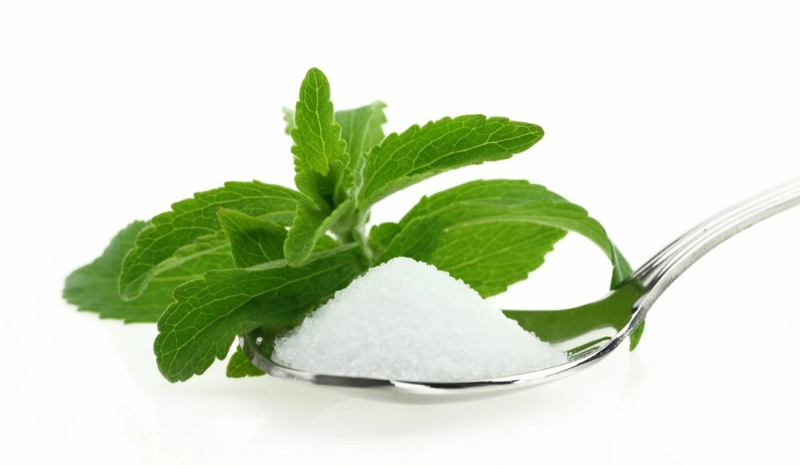
The leaves of the Stevia rebaudiana plant are used because they contain the natural sweet compounds called steviol glycosides.
Stevia is natural and plant-based, which some consumers prefer, but whether it's better depends on individual taste preference and dietary needs.
Yes, stevia is heat stable and can be used in a variety of culinary applications, including baking.
Stevia is generally safe but excessive intake may cause mild digestive issues for some individuals. Allergic reactions are rare.
Stevia does not raise blood sugar levels, making it safe for people with diabetes.


