


Content Menu
● Allulose Metabolism and Safety Profile
● Cancer Concerns with Sweeteners: Allulose vs. Others
● Scientific Studies on Allulose and Cancer Risk
● Benefits of Allulose Beyond Cancer Safety
● Practical Applications for Manufacturers
● Regulatory Landscape for Allulose
● Future Research Directions on Allulose
● FAQ
>> 1. Does allulose cause cancer?
>> 2. How does allulose differ from erythritol or aspartame in cancer risk?
>> 3. Are there side effects from consuming allulose?
>> 4. Is allulose approved for long-term use?
>> 5. Can manufacturers safely use allulose in health products?
Allulose is a low-calorie sweetener gaining popularity as a sugar alternative. Current scientific evidence does not support that allulose causes cancer. Instead, studies suggest that allulose has a good safety profile and is distinct from some other sweeteners that have been studied for potential cancer links.[1][4]

Allulose, also known as D-psicose, is a rare monosaccharide sugar found naturally in small amounts in foods like figs, raisins, and wheat. Unlike traditional sugar, allulose provides about 0.4 calories per gram and does not significantly raise blood glucose or insulin levels, making it appealing for diabetic-friendly products. Manufacturers in the food, beverage, and healthcare industries increasingly incorporate allulose into formulations for its sugar-like taste and texture without the caloric load. As a China-based factory specializing in natural sweeteners like allulose, functional polyols, and dietary fibers, we provide OEM/ODM services, blended-sweetener development, and tablet production tailored for overseas partners seeking clean-label health solutions.[1]
Allulose mimics sucrose in baking and beverages, caramelizing effectively for superior mouthfeel compared to stevia or monk fruit. Research highlights allulose's role in postprandial glucose suppression, aiding metabolic health without the digestive issues common in sugar alcohols. For health-conscious consumers, allulose stands out as a versatile ingredient in low-sugar chocolates, yogurts, and supplements.[1]
Allulose is absorbed in the small intestine but excreted mostly unchanged in urine, bypassing full caloric metabolism. This unique pathway differentiates allulose from fructose, which fuels lipogenesis and potentially cancer progression via metabolic reprogramming in tumor cells. Studies, including those from Japanese researchers published in high-impact journals, demonstrate allulose triggers GLP-1 release from gut L-cells, promoting satiety, improving insulin sensitivity, and aligning eating patterns with circadian rhythms.[1]
Regulatory bodies like the FDA have granted allulose GRAS (Generally Recognized as Safe) status based on extensive toxicology data, showing no genotoxicity, carcinogenicity, or reproductive toxicity at doses up to 15g/kg body weight in animal models. Human trials confirm allulose tolerability up to 30g daily, with mild gastrointestinal effects like bloating only at excessive intakes exceeding typical consumption. Unlike erythritol, implicated in liver cancer proliferation via aldose reductase in TAL-deficient models, allulose lacks such mechanisms.[2][4][6]
Ongoing 2025 research reinforces allulose's benefits, including anti-inflammatory effects and fat oxidation enhancement, positioning it as a tool against obesity-related diseases without oncogenic risks. Factories blending allulose with polyols create synergistic low-glycemic formulas for beverages and tablets, meeting global demand for natural sweeteners.[7]
Public anxiety about sweeteners and cancer stems from studies on aspartame (classified "possibly carcinogenic" by IARC) and erythritol (linked to cardiovascular events and liver tumors in specific genetic contexts). However, allulose evades these issues due to its minimal metabolism and lack of DNA-damaging metabolites. A 2023 journal club review contrasted allulose's metabolic aid with fructose's tumor-fueling role, noting allulose inhibits fructose absorption and supports ketogenesis.[8][11][2][1]
No epidemiological data or mechanistic studies link allulose to carcinogenesis. MD Anderson Cancer Center notes while more long-term human data is ideal, current evidence supports allulose as a healthy substitute. In contrast, sugar alcohols accumulate in certain deficiencies, promoting cancer cell growth, but allulose's renal excretion prevents buildup.[4][2]
| Sweetener | Metabolic Pathway | Cancer Evidence | Key Studies |
|---|---|---|---|
| Allulose | Gut GLP-1 release, urinary excretion | None established | Nature Communications, FDA GRAS youtube |
| Aspartame | Breaks to aspartic acid, methanol | Possible carcinogen (IARC) | WHO 2023 classification |
| Erythritol | Accumulates via aldose reductase | Liver cancer in TAL mutants | SUNY Upstate, Nature Metabolism |
| Fructose | Lipogenesis, tumor fuel | Drives progression | Clinical reviews youtube |
| Sucralose | Poor absorption | No human links | NCI fact sheet |
This table underscores allulose's favorable position amid sweetener scrutiny.[12]
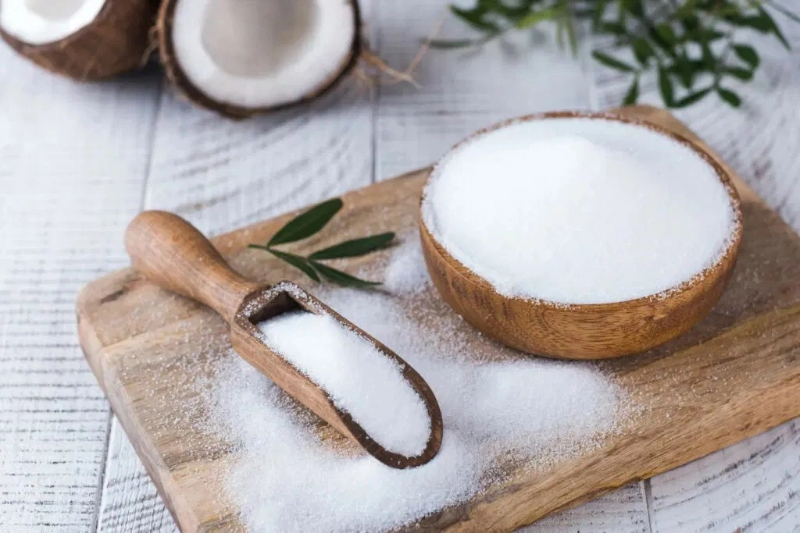
Preclinical data from rodent models show allulose at high doses causes no tumors, even surpassing sugar controls. A pivotal Nature Communications study used knockout mice to prove allulose's anorexigenic effects via vagal afferents and GLP-1, with no oncogenic signals. Human RCTs report improved HbA1c and body composition without adverse events, countering cancer fears.[1]
2025 reviews in PMC analyze allulose alongside polyols, affirming its safety in holistic sweetener assessments. Unlike xylitol's emerging CV risks, allulose shows cardioprotective potential via endothelial function. For manufacturers, allulose enables reduced-sugar claims backed by science, ideal for healthcare tablets and functional beverages.[10][7]
Long-term safety emerges from Japanese cohort data where allulose consumers exhibited lower inflammation markers, indirectly supporting anti-cancer profiles. No 2025 studies flag allulose risks; instead, focus shifts to fructose restriction strategies where allulose aids compliance.[4][1]
Allulose excels in weight management by curbing hyperphagia and enhancing fat burning, as seen in mouse models restricting intake during inactive periods. In food tech, allulose stabilizes proteins in low-sugar ice creams and gummies, vital for OEM production. Our factory leverages allulose in custom blends with dietary fibers for prebiotic synergies, targeting gut health in healthcare products.[1]
Athletes favor allulose for sustained energy without glycemic spikes, while diabetics benefit from its insulin-sparing effects. Emerging data links allulose to microbiome modulation, fostering beneficial bacteria over pathogens, a protective factor against chronic diseases including cancer.[6][7]
As experts in natural sweeteners, we develop allulose-based OEM formulas for global brands, ensuring compliance with FDA, EFSA, and JECFA standards. Allulose integrates seamlessly into tablets for effervescent vitamins and fiber supplements, offering bulk without sweetness overload. Blends with erythritol mitigate the latter's risks while amplifying allulose's clean taste.
Beverage innovators use allulose for zero-calorie sodas mimicking cane sugar's viscosity. Healthcare firms produce allulose-sweetened nutraceuticals for oncology patients seeking palatable, low-glycemic options post-treatment. Scalable production ensures cost-effective supply chains for overseas manufacturers.
Global regulators affirm allulose safety: FDA excludes it from added sugars labeling, Japan approves up to 5% in foods, and EU reviews progress positively. No ADI limits apply due to its natural occurrence and excretion. Post-market surveillance tracks real-world use, with zero cancer signals reported.[4]
Manufacturers must label accurately, highlighting allulose's non-glycemic nature. Our services include regulatory dossiers for allulose blends, streamlining market entry.
Prospective trials explore allulose in cancer prevention via metabolic therapy, potentially blocking fructose-driven oncogenesis. Pediatric and geriatric studies assess long-term impacts, while combo therapies with fibers enhance outcomes. 2025 agendas prioritize allulose's role in precision nutrition.[1]
Allulose emerges as a safe, versatile sweetener with no credible cancer links, backed by rigorous science distinguishing it from riskier alternatives. Its metabolic benefits support healthier formulations across industries. As demand grows, allulose-powered innovations promise better consumer health without compromise.
No credible scientific evidence links allulose to cancer causation. Studies affirm its safety profile.[4][1]
Allulose avoids accumulation and DNA damage seen in erythritol mutants or aspartame classifications, excreting unmetabolized.[2][8]
Mild GI discomfort occurs at high doses (>30g/day), but typical use is well-tolerated.[6]
Yes, FDA GRAS status and human trials support ongoing consumption within dietary norms.[4]
Absolutely, its clean safety data suits food, beverage, and healthcare OEM/ODM, per global regs.[7]
[1](https://www.youtube.com/watch?v=FsUlYB-AolY)
[2](https://www.upstate.edu/news/articles/2023/2023-03-25-perl.php)
[3](https://scitechdaily.com/scientists-warn-popular-sugar-substitute-linked-to-brain-cell-damage/)
[4](https://www.mdanderson.org/cancerwise/is-allulose-a-healthy-sugar-substitute.h00-159779601.html)
[5](https://nypost.com/2025/02/19/health/popular-artificial-sweetener-can-raise-risk-of-heart-attack-stroke/)
[6](https://health.clevelandclinic.org/what-is-allulose)
[7](https://pmc.ncbi.nlm.nih.gov/articles/PMC12470175/)
[8](https://www.fda.gov/food/food-additives-petitions/aspartame-and-other-sweeteners-food)
[9](https://www.news-medical.net/news/20250227/Do-sugar-substitutes-really-help-New-research-reveals-their-impact-on-metabolism-and-gut-health.aspx)
[10](https://nutritionfacts.org/video/friday-favorites-does-the-sweetener-allulose-have-side-effects-is-it-a-healthy-sweetener/)
[11](https://www.cancer.gov/about-cancer/causes-prevention/risk/diet/artificial-sweeteners-fact-sheet)
[12](https://www.cancercenter.com/risk-factors/artificial-sweeteners-cancer)


