
Views: 222 Author: Sara Publish Time: 2026-01-08 Origin: Site


Content Menu
● Why Too Much Sugar Is A Problem
● Artificial Sweeteners: Risks And Benefits
● Natural High‑Intensity Sweeteners
● Sugar Alcohols (Polyols) And Functional Benefits
● Dietary Fiber, Sweetness And Satiety
● Using Sweeteners Strategically In Food And Health
● Practical Tips For Consumers
● Sweeteners In Beverage, Food And Healthcare Industries
● Environmental And Sustainability Aspects
● FAQ
>> 1. Are all sweeteners bad for you?
>> 2. Which sweeteners are best for people with diabetes?
>> 3. Do artificial sweeteners cause weight gain?
>> 4. Are natural sweeteners always safer?
>> 5. Can sweeteners affect gut health?
Are all sweeteners bad for you? Current evidence shows that sweeteners are a broad group with very different safety profiles: excess sugar is clearly harmful, some artificial sweeteners are controversial, while several natural and sugar‑alcohol sweeteners can be useful when used in moderation. The key is the type of sweetener, the dose, and the individual's health status, rather than assuming all sweeteners are equally good or bad.[1]

Sweeteners are ingredients that give sweetness to foods and drinks, with or without calories. They include traditional sugars, low‑calorie artificial sweeteners, sugar alcohols (polyols), and natural high‑intensity sweeteners from plants.[1]
- Sugars: sucrose, glucose, fructose, high‑fructose corn syrup.[1]
- Artificial sweeteners: aspartame, sucralose, saccharin, acesulfame‑K, cyclamate.[1]
- Sugar alcohols (polyols): erythritol, xylitol, sorbitol, maltitol, isomalt, lactitol.[1]
- Natural high‑intensity sweeteners: stevia (steviol glycosides), monk fruit (mogrosides), and similar plant‑derived sweeteners.[1]
Sweeteners differ in sweetness intensity, metabolism, taste profile, stability, and cost, which is why formulators rarely rely on only one. This diversity allows manufacturers in food, beverage, and healthcare sectors to tailor sweeteners to specific product and consumer needs, from zero‑sugar drinks to functional tablets.[1]
Traditional caloric sweeteners like table sugar and high‑fructose corn syrup are strongly linked with several chronic diseases when consumed in excess. High intakes from sugary drinks, desserts, and ultra‑processed foods are the main concern rather than small amounts used occasionally.[1]
- Metabolic issues: Chronic high sugar intake is associated with obesity, insulin resistance, type 2 diabetes, and non‑alcoholic fatty liver disease.[1]
- Heart and dental health: Added sugars can raise triglycerides and blood pressure and contribute to tooth decay when oral hygiene is poor.[1]
- Public health guidelines: Many expert bodies recommend limiting added sugars to around 10% or less of daily calories, encouraging partial replacement with other sweeteners or reducing overall sweetness.[1]
Even in a reduced‑sugar diet, sweeteners still play a role, because complete avoidance of sweet taste is unrealistic for many people. Replacing a portion of sugar with non‑nutritive or low‑calorie sweeteners can lower calorie load and glycemic impact while preserving sensory appeal.[1]
Artificial sweeteners provide intense sweetness with little or no calories and are used widely in "diet" and "zero‑sugar" products. They can help reduce sugar and calorie intake, especially for people with diabetes or those managing weight, but their long‑term effects are still being studied.[1]
- Safety evaluations: Regulatory agencies review toxicology data, set acceptable daily intakes (ADIs), and consider approved artificial sweeteners safe when consumed below those limits.[1]
- Controversies: Some observational studies associate regular intake of certain artificial sweeteners with higher risks of weight gain, cardiometabolic disease, or kidney issues, though such studies cannot always prove cause and effect.[1]
- Microbiome and metabolism: Research suggests some artificial sweeteners may alter gut microbiota and affect glucose tolerance in susceptible individuals, but results are inconsistent and often involve high doses not typical of average intake.[1]
For consumers, this means artificial sweeteners are not automatically "toxic", but heavy reliance on them instead of improving the overall diet may not deliver the expected health benefits. Using these sweeteners strategically—primarily to replace high‑sugar drinks and desserts while improving overall food quality—appears more sensible than using them to justify unlimited snacking.[1]
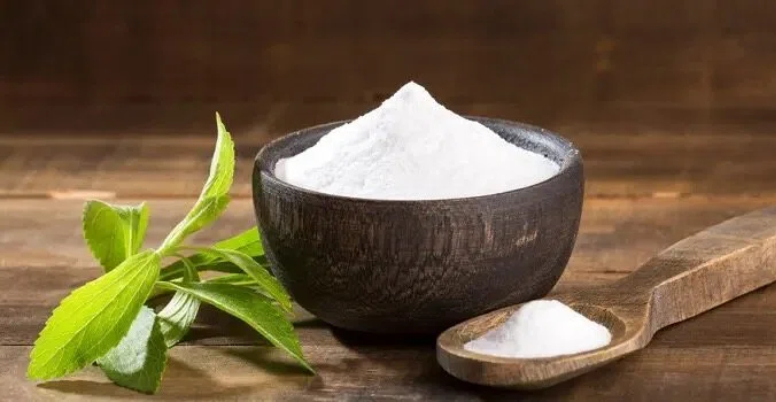
Natural high‑intensity sweeteners such as stevia and monk fruit extracts provide sweetness with minimal or zero calories and come from plant sources. They are often positioned as "clean‑label" or "nature‑derived" sweeteners for beverages, dairy, confectionery, and health products.[1]
- Stevia: Steviol glycosides can be hundreds of times sweeter than sugar, so only tiny amounts of this sweetener are needed; they do not raise blood glucose and have been evaluated as safe within ADI levels.[1]
- Monk fruit: Mogroside‑based sweeteners also provide high sweetness with minimal calories and are increasingly used in reduced‑sugar and keto‑positioned products.[1]
- Taste and formulation: At high concentrations, some natural sweeteners can have bitterness, licorice notes, or lingering aftertastes, so product developers often blend them with sugar, polyols, or other sweeteners to achieve a clean, rounded sweetness.[1]
For brands focusing on health, these natural sweeteners allow stronger "no sugar added" or "naturally sweetened" positioning without sacrificing taste. When combined with fibers and other functional ingredients, natural sweeteners can support blood sugar management and calorie reduction in a consumer‑friendly way.[1]
Sugar alcohol sweeteners (polyols) such as erythritol, xylitol, maltitol, and sorbitol provide sweetness with fewer calories than sugar and lower glycemic impact. They are widely used in sugar‑free chewing gum, confectionery, bakery items, functional foods, and nutritional supplements.[1]
- Metabolic effects: Many polyol sweeteners have minimal effects on blood glucose and insulin, making them attractive for people with diabetes or those reducing carbohydrate intake.[1]
- Digestive tolerance: In larger amounts, some polyol sweeteners can cause gas, bloating, or laxative effects, especially in people with sensitive digestion, because they are incompletely absorbed in the small intestine.[1]
- Dental health: Certain polyol sweeteners, especially xylitol, do not promote tooth decay and can support oral health when used in products like gums and lozenges.[1]
Erythritol is often considered one of the better‑tolerated polyol sweeteners, as it is largely absorbed and excreted unchanged, though excessive intake of any polyol should still be avoided. When combined thoughtfully with high‑intensity sweeteners, polyols help mimic sugar's bulking and mouthfeel in reduced‑sugar formulations.[1]
Beyond classic sweeteners, dietary fibers and prebiotic ingredients play an increasing role in modern "healthy sweetness" concepts. Although fibers are not sweeteners in the strict sense, many formulations combine sweeteners with soluble fibers to modulate glycemic response and enhance satiety.[1]
- Glycemic response: Adding viscous soluble fibers to foods sweetened with sugars or other sweeteners can slow glucose absorption and blunt post‑meal blood sugar spikes.[1]
- Satiety and weight management: Fiber‑enriched foods using lower‑calorie sweeteners may enhance feelings of fullness, potentially supporting weight‑control strategies.[1]
- Texture and stability: In reduced‑sugar products, fibers help replace sugar's bulk and water‑binding functions so that sweeteners alone do not have to carry the entire load of taste and texture.[1]
For companies serving food, beverage, and healthcare markets, combined systems of sweeteners plus fibers and polyols offer a toolkit to design products aimed at specific metabolic and digestive outcomes. This approach recognizes that sweetness is only one part of how a product behaves in the body and in the mouth.[1]
From a formulation and health perspective, sweeteners are tools that can help reduce sugar, manage calories, and support specific dietary needs when used intelligently. Food, beverage, and healthcare brands increasingly use combinations of sweeteners, fibers, and functional ingredients to balance taste, texture, nutrition, and labeling expectations.[1]
- Blended systems: Combining different sweeteners (for example, stevia plus erythritol, or stevia with a small amount of sugar) can improve sweetness profile, mouthfeel, stability, and cost‑effectiveness compared with using a single sweetener alone.[1]
- Targeted applications:
- Low‑ and no‑sugar beverages using natural and high‑intensity sweeteners for mainstream and sports‑nutrition markets.
- Functional confectionery and lozenges using polyol sweeteners and fiber for dental and throat‑soothing benefits.
- Tablets and nutraceutical products requiring high stability and precise dosing of sweeteners alongside active ingredients.[1]
As consumer awareness grows, transparent communication about which sweeteners are used and why becomes a key part of brand strategy. Clear explanation of how sweeteners contribute to lower sugar, lower calories, or specific health goals helps build trust and differentiates responsible products.[1]
Consumers do not need to fear all sweeteners, but thoughtful use makes a difference. Label reading and awareness of one's own tolerance and health goals are important when choosing products with different sweeteners.[1]
- Prioritize whole foods: Emphasize minimally processed foods, fruits, and balanced meals, and use sweeteners mainly to reduce, not replace, an overall high‑sugar diet pattern.[1]
- Rotate and moderate: Use a mix of sweeteners in reasonable amounts instead of relying heavily on a single artificial sweetener or consuming extreme quantities of "diet" products.[1]
- Consider your health profile: People with diabetes, IBS, migraines, or kidney disease may respond differently to particular sweeteners and should follow individualized advice from health professionals.[1]
- Watch for tolerance: If digestive discomfort occurs after using products rich in polyol sweeteners, reducing portion size or choosing alternative sweeteners may help.[1]
Teaching children to enjoy less intensely sweet foods and to understand sweeteners on labels can support healthier habits across the lifespan. In households managing conditions like diabetes or obesity, sweeteners can be part of the solution when combined with overall lifestyle changes.[1]
The beverage sector is one of the most dynamic fields for sweeteners, because drinks contribute a large share of added sugar in many diets. Manufacturers reformulate sodas, energy drinks, flavored waters, and teas with combinations of sweeteners to achieve lower sugar and fewer calories while maintaining familiar taste.[1]
- Layered sweetness: Many low‑sugar drinks use a blend of sugar, high‑intensity sweeteners, and sometimes polyols to create a more "natural" sweetness curve and better mouthfeel compared with single sweeteners.[1]
- Regional preferences: Acceptance of particular sweeteners can vary by market, with some regions favoring stevia‑based systems and others more open to long‑used artificial sweeteners in mainstream beverages.[1]
In foods such as baked goods, dairy desserts, and snacks, sweeteners must also handle processing conditions like heat, pH, and storage. Healthcare products, including lozenges, chewable tablets, and oral nutrition supplements, depend on stable sweeteners that mask off‑notes and provide patient‑friendly taste profiles without excessive sugar.[1]
Concerns sometimes arise that intense sweeteners might be "addictive" in the same way as drugs, but current evidence does not support classifying them as addictive substances in a clinical sense. However, very frequent use of high‑intensity sweeteners may maintain a high preference for sweetness, potentially making it harder for some people to adjust to less sweet foods.[1]
- Taste conditioning: Repeated exposure to high levels of sweetness, from sugar or other sweeteners, may condition taste buds and reward circuits to expect very sweet flavors.[1]
- Behavioral patterns: People may overeat "diet" or "sugar‑free" foods containing sweeteners because they perceive them as "guilt‑free", offsetting the calorie savings and complicating weight management.[1]
Focusing on gradually reducing overall sweetness in the diet, along with choosing sweeteners wisely, can help recalibrate taste preferences over time. This approach uses sweeteners as transitional tools rather than permanent permission to maintain a highly sweet diet.[1]
Sustainability is an emerging dimension in the evaluation of sweeteners, alongside health and taste. Traditional sugar cultivation and processing have environmental footprints related to land use, water consumption, and energy use, which newer sweeteners seek to address.[1]
- Crop‑based sweeteners: Stevia and monk fruit plantations can, in some settings, provide high sweetness yield per area because these sweeteners are so intense, though agricultural practices still matter.[1]
- Fermentation‑based sweeteners: Some modern sweeteners and polyols are produced using microbial fermentation, which can be optimized for resource efficiency and consistent quality.[1]
Brands that highlight both health benefits and environmental responsibility in their sweeteners may appeal to a growing segment of conscious consumers. At the same time, responsible sourcing, fair trade, and transparent supply chains remain important regardless of the type of sweetener used.[1]
Not all sweeteners are bad; what matters most is choosing appropriate sweeteners, controlling total intake, and fitting them into an overall healthy diet instead of using them as a license for unlimited sweetness. High consumption of added sugars is clearly harmful, some artificial sweeteners remain controversial at high doses, while natural sweeteners and sugar‑alcohol systems can be valuable tools for reducing sugar and supporting specific nutritional goals when used responsibly and in combination with whole‑food eating patterns. For manufacturers in food, beverage, and healthcare sectors, sophisticated sweetener blends, functional polyols, and fibers enable innovative, lower‑sugar products that respond to consumer demand for health, taste, and transparency, demonstrating that smart use of sweeteners can be part of the solution rather than the problem.[1]
No, all sweeteners are not equally harmful; risk and benefit depend on the type of sweetener, how much you consume, and your personal health profile. Excess sugar is clearly problematic, some artificial sweeteners are debated at high intakes, and several natural and polyol sweeteners can be used safely in moderation as part of a balanced diet.[1]
For many people with diabetes, low‑calorie and non‑nutritive sweeteners such as stevia, monk fruit, certain approved artificial sweeteners, and polyol sweeteners like erythritol can help manage carbohydrate and calorie intake. Individual responses vary, so monitoring blood‑glucose and following professional guidance is important when selecting sweeteners.[1]
Artificial sweeteners can reduce calories compared with sugar, but some observational studies link heavy long‑term use with higher weight and metabolic risk in certain populations. Mechanisms may include appetite changes, altered gut microbiota, and compensatory eating, so focusing on overall diet quality and moderate use of sweeteners is more important than relying on "diet" labels alone.[1]
"Natural" sweeteners such as stevia and monk fruit extracts generally have good safety profiles within regulatory limits, but they still should be used in reasonable amounts. Being plant‑derived does not automatically make a sweetener risk‑free, and purity, dosage, product quality, and overall dietary pattern all influence how safe and beneficial a sweetener is for a given individual.[1]
Some artificial sweeteners and sugar‑alcohol sweeteners can change gut microbiota or cause digestive discomfort, especially at high intakes or in sensitive individuals. Choosing well‑tolerated sweeteners, respecting serving recommendations, and balancing intake with fiber‑rich, minimally processed foods can support better digestive health while still enjoying sweetness.[1]
[1](https://pmc.ncbi.nlm.nih.gov/articles/PMC4899993/)


