
Views: 222 Author: Sara Publish Time: 2025-12-09 Origin: Site


Content Menu
● Introduction: Why Sweetener Safety Matters
● What Are Artificial Sweeteners?
● Categories of Sweeteners in the Market
>> High‑intensity artificial Sweeteners
>> Natural high‑intensity Sweeteners
>> Bulk Sweeteners: Sugar and Polyols
● Which Artificial Sweeteners Raise the Most Concern?
>> Aspartame
>> Sucralose
>> Acesulfame Potassium (Ace‑K)
● How Artificial Sweeteners May Affect the Body
>> Gut Microbiome and Intestinal Barrier
>> Metabolic and Cardiovascular Effects
● Artificial Sweeteners vs Natural Sweeteners and Polyols
>> Natural High‑Intensity Sweeteners
>> Functional Polyol Sweeteners
>> Role of Blended Sweetener Systems
● Practical Advice: How to Choose Safer Sweeteners
>> Tips for Food, Beverage and Healthcare Brands
● Application Scenarios for Sweetener Solutions
>> Sweeteners in Tablets and Solid Dosage Forms
>> Sweeteners in Medical Nutrition and Healthcare
● Regulatory and Safety Perspectives on Sweeteners
>> Acceptable Daily Intake and Real‑World Exposure
>> Regional Differences in Sweetener Policies
● Sensory Design: How to Make Sweeteners Taste Better
>> Managing Off‑Tastes and Aftertastes
>> Temporal Profile and Mouthfeel
● Strategic Sweetener Formulation for Global Brands
>> Balancing Health, Cost and Taste
>> Partnering for OEM/ODM Sweetener Solutions
● Consumer Communication and Sweetener Transparency
● Table: Overview of Key Sweeteners and Concerns
● FAQ
>> 1. Are all artificial Sweeteners bad for you?
>> 2. Which Sweetener should I avoid if I have heart‑health concerns?
>> 3. Are natural Sweeteners like stevia and monk fruit safer?
>> 4. Do Sweeteners help with weight loss?
>> 5. What is the best Sweetener strategy for food and beverage brands?
Artificial Sweeteners are now in thousands of foods, drinks, supplements and even medical nutrition products, so understanding which Sweetener may be bad for you is crucial for long‑term health. Artificial Sweeteners can help reduce sugar and calories, but emerging research links high intakes of some Sweeteners to metabolic, cardiovascular and gut‑health risks. Rather than asking if every Sweetener is "good" or "bad," it is more useful to look at specific Sweeteners, typical intake levels and safer Sweetener alternatives such as polyols and natural Sweeteners.[1]
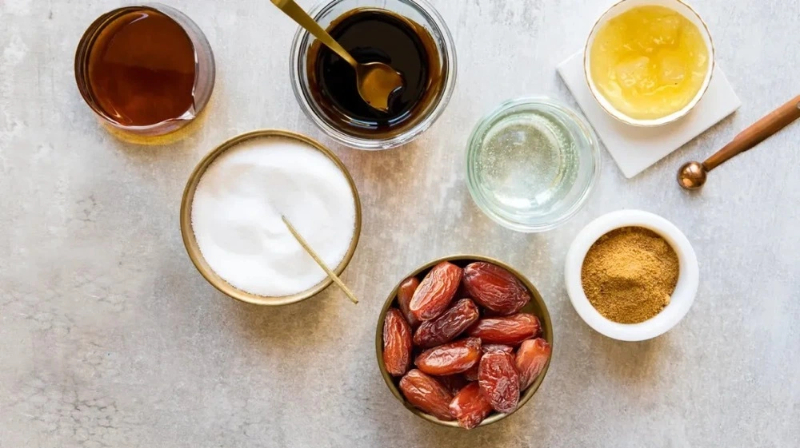
Artificial Sweeteners (also called non‑nutritive Sweeteners) are intensely sweet, low‑calorie or zero‑calorie compounds used to replace sugar in foods, beverages and tabletop Sweeteners. Common artificial Sweeteners include aspartame, sucralose, acesulfame potassium (Ace‑K), saccharin and cyclamate, each with a sweetness dozens to hundreds of times higher than sucrose. Because only tiny amounts of each Sweetener are needed, they contribute little or no energy but can strongly influence appetite, taste preference and metabolic responses over time.[1]
To understand which Sweetener might be bad for you, it helps to distinguish the main categories used in modern product development. Each Sweetener group has its own technological, sensory and health profile, which shapes how brands can combine Sweeteners to reach specific nutrition and taste targets.[1]
High‑intensity artificial Sweeteners include aspartame, sucralose, Ace‑K, saccharin and cyclamate, all of which provide strong sweetness with negligible calories. These Sweeteners are widely used in diet soft drinks, powdered drink mixes, tabletop Sweeteners, sugar‑free chewing gum and many "zero‑sugar" snacks.[1]
Natural high‑intensity Sweeteners are extracted from plants, with stevia and monk fruit being the most prominent examples. These Sweeteners offer powerful sweetness with minimal calories, and they fit well in clean‑label Sweetener strategies for beverages, functional foods and healthcare nutrition.[1]
Bulk Sweeteners provide both sweetness and body; they include sucrose, glucose, fructose and polyols such as erythritol, maltitol, xylitol, sorbitol and isomalt. Polyol Sweeteners supply fewer calories than sugar and are often used in sugar‑free confectionery, tablets, lozenges and oral‑care products because of their functional and dental benefits.[1]
Not all Sweeteners have the same safety profile, but several widely used artificial Sweeteners are under closer scrutiny because of potential links to heart disease, metabolic disorders and cancer risks. Large cohort and review studies suggest that high intake of artificial Sweeteners overall is associated with a modest increase in cardiovascular events, especially stroke and coronary heart disease, even after adjusting for other risk factors.[1]
Aspartame is a very common Sweetener in diet sodas, sugar‑free gums and tabletop Sweeteners, formed from two amino acids plus a small amount of methanol. Recent evaluations by international bodies have classified aspartame as a possible carcinogen and have noted epidemiologic associations between higher aspartame Sweetener intake and cerebrovascular events.[1]
Sucralose is a chlorinated sucrose derivative used as a high‑intensity Sweetener that is heat‑stable and widely used in baked goods, beverages and dairy products. Some research indicates that heavy sucralose Sweetener intake may be linked with changes in glucose tolerance, possible effects on the gut microbiome and an elevated risk of coronary heart disease in high consumers.[1]
Acesulfame potassium is often blended with other Sweeteners like sucralose or aspartame to improve taste profiles in diet beverages and sugar‑free foods. Epidemiologic data from large cohorts suggest that higher intake of this Sweetener may correlate with increased coronary heart disease risk, contributing to overall cardiovascular Sweetener concerns.[1]
Saccharin and cyclamate are older artificial Sweeteners that have been the subject of cancer‑risk debates for decades. Earlier animal data linked these Sweeteners to bladder tumors, and although regulatory positions have evolved, some markets still restrict certain Sweeteners, which encourages manufacturers to use updated Sweetener systems instead.[1]

Artificial Sweeteners are designed to be metabolically "inert," but newer data suggest that some Sweeteners can influence gut microbiota, glucose metabolism and vascular health. Studies in humans and animals have reported that regular high intake of certain Sweeteners may be associated with impaired glucose tolerance, altered insulin responses and changes in body fat distribution.[1]
The gut microbiome appears to be one of the main targets of Sweetener exposure, particularly with saccharin and some other artificial Sweeteners. Experiments have shown that chronic Sweetener intake can shift microbial composition, increase intestinal permeability and alter microbial metabolite production, potentially contributing to inflammation and metabolic disturbances.[1]
Analyses of large nutrition cohorts indicate that high intake of artificially sweetened beverages and total artificial Sweetener exposure are modestly associated with increased incidence of hypertension, unfavorable cholesterol ratios and stroke. Although these Sweeteners reduce direct sugar intake, they may not deliver clear cardiovascular benefits and might even slightly increase risk among heavy Sweetener consumers.[1]
Evidence on Sweeteners and cancer is mixed, but some observational data have reported associations between artificial Sweetener use and certain cancers, particularly bladder cancer in older saccharin studies. Recent assessments maintain conservative safety limits but continue to monitor high‑intake Sweetener scenarios, which is why prudent, moderate use is recommended.[1]
For manufacturers seeking healthier Sweetener systems, combining natural Sweeteners and functional polyols is an increasingly attractive strategy. Natural Sweeteners like stevia and monk fruit, together with polyol Sweeteners such as erythritol, xylitol and isomalt, can reduce sugar and calories while offering a more favorable safety and metabolic profile when used within recommended limits.[1]
Stevia (steviol glycosides) and monk fruit (mogrosides) are plant‑derived Sweeteners that deliver high sweetness with negligible calories. These natural Sweeteners have been evaluated by authorities and, within acceptable daily intake ranges, are considered safe, making them valuable components of modern Sweetener blends in beverages, snacks and healthcare products.[1]
Polyols such as erythritol, maltitol, sorbitol, xylitol and isomalt are reduced‑calorie Sweeteners that also act as functional ingredients for texture, bulk and mouthfeel. While excessive polyol Sweetener intake can cause digestive discomfort in some individuals, polyols do not cause dental caries and often have minimal impact on blood glucose, making them popular in sugar‑free confectionery, functional foods and oral‑care products.[1]
Blended Sweetener systems allow formulators to combine natural Sweeteners, polyol Sweeteners and, where appropriate, small amounts of artificial Sweeteners to optimize taste, cost and nutritional profile. By leveraging synergies between Sweeteners, developers can reduce off‑tastes, improve temporal sweetness and design Sweetener solutions tailored to beverage, tablet, powder and medical nutrition formats.[1]
For consumers and product developers, the goal is not to eliminate every Sweetener but to prioritize lower‑risk Sweeteners and keep overall Sweetener exposure reasonable. Reading labels, understanding which Sweetener is used and selecting products with natural Sweeteners and polyol Sweeteners can help balance taste, calorie reduction and wellness.[1]
- Limit daily intake of diet sodas and highly sweetened "zero‑sugar" products that rely heavily on aspartame, sucralose or Ace‑K Sweeteners.[1]
- Prefer products that use natural Sweeteners like stevia or monk fruit, possibly combined with polyol Sweeteners for better taste and texture.[1]
- Pay attention to digestive tolerance with polyol Sweeteners and adjust portion sizes if needed.[1]
- Aim to gradually reduce overall sweetness preference so that less Sweetener of any type is required.[1]
- Use data‑driven Sweetener selection, considering consumer perception, regulatory trends and long‑term health positioning for your Sweetener systems.[1]
- Develop multi‑component Sweetener blends that feature natural Sweeteners and functional polyols, limiting or avoiding controversial artificial Sweeteners where possible.[1]
- For healthcare and nutraceutical formats (tablets, functional powders, oral solutions), choose Sweeteners that are tooth‑friendly, low‑glycemic and well‑tolerated in sensitive populations.[1]
- Work with specialized Sweetener solution providers that can support formulation, tableting and OEM/ODM services across international regulatory frameworks.[1]
Modern Sweetener systems can be tailored to the specific requirements of different application categories, including beverages, functional foods and medical‑nutrition products. Each application demands carefully chosen Sweeteners to balance stability, taste, process conditions and regulatory expectations.[1]
Beverages are one of the largest usage fields for Sweeteners, ranging from carbonated soft drinks and energy drinks to flavored waters, juices and dairy‑based drinks. For beverages, Sweetener systems must withstand heat treatment, light exposure and shelf life, while delivering a sweetness curve that mimics sucrose with minimal off‑flavors.[1]
In carbonated soft drinks, combinations of sucralose, Ace‑K and sometimes aspartame have been widely used, but many brands are moving toward blends of stevia, monk fruit and polyol Sweeteners to support a more natural Sweetener image. In functional beverages and sports drinks, Sweeteners must align with claims such as "no added sugar," "diabetic friendly" or "tooth‑friendly," making natural Sweeteners and polyols especially attractive.[1]
For tablets, chewables, lozenges and instant powders, Sweeteners must provide both sweetness and processing functionality, such as compressibility and flow. Polyol Sweeteners like isomalt, sorbitol and mannitol are widely used as tablet bases because they improve mouthfeel, provide cooling effects and enable sugar‑free positioning.[1]
In these formats, high‑intensity Sweeteners such as stevia, sucralose or aspartame may be layered into the formulation to boost sweetness while polyols supply bulk and texture. Healthcare and nutraceutical brands often prefer Sweetener systems that are tooth‑friendly and low‑glycemic, supporting positioning for children, seniors and people who need blood sugar management.[1]
Medical nutrition products, such as oral nutrition supplements, protein powders and specialized liquid feeds, require Sweeteners that are safe for vulnerable patients and compatible with clinical nutrition goals. Here, Sweetener choice must consider not only taste but also glycemic load, digestive tolerance and interactions with other active compounds.[1]
Natural Sweeteners and carefully selected polyol Sweeteners can help reduce sugar content in these products while maintaining palatability and compliance. In addition, manufacturers often rely on customized Sweetener blends and OEM/ODM services to fine‑tune sweetness profiles for specific patient groups or regional taste preferences.[1]
Regulatory bodies around the world regularly review artificial and natural Sweeteners based on new safety data and consumption patterns. Most Sweeteners approved for use in foods have defined acceptable daily intake (ADI) values that are set conservatively below levels associated with harm in toxicology studies.[1]
The ADI represents an amount of a Sweetener that can be consumed every day over a lifetime without appreciable health risk. For many consumers, total Sweetener exposure remains below these limits, but high users of diet beverages, tabletop Sweeteners and sugar‑free products can approach ADI thresholds, especially when multiple Sweeteners are used together.[1]
Public health authorities encourage monitoring overall Sweetener use and repeatedly re‑assess exposure as food patterns change. Manufacturers can support this goal by designing Sweetener systems that deliver sweetness efficiently, avoiding unnecessary Sweetener loading and leveraging synergies between different Sweeteners.[1]
Different markets manage Sweeteners in slightly different ways, reflecting local risk assessments and consumer attitudes. Certain artificial Sweeteners, such as cyclamate, may be restricted or prohibited in some countries but still permitted in others, while newer Sweeteners may be approved earlier in some regions.[1]
For brands exporting finished goods or offering OEM/ODM Sweetener solutions, it is essential to understand these differences and design Sweetener systems that can be adapted to local regulations without compromising taste or product identity. Flexible Sweetener portfolios that include natural Sweeteners, polyol Sweeteners and regionally approved high‑intensity Sweeteners help ensure global compliance.[1]
Beyond safety, the success of any Sweetener system depends on sensory performance, including sweetness intensity, onset, duration and aftertaste. Artificial and natural Sweeteners each have characteristic sensory signatures, and thoughtful blending can improve the overall Sweetener experience.[1]
Some artificial Sweeteners can introduce metallic, bitter or lingering aftertastes, especially at higher levels. Stevia Sweeteners may have herbal or bitter notes, while polyol Sweeteners can create a cooling effect that is desirable in some products but not in others.[1]
Formulators often use Sweetener blends to mask these off‑tastes, combining different Sweeteners with complementary profiles. For example, a blend of stevia, erythritol and a small amount of sucralose or Ace‑K can yield a more sugar‑like Sweetener curve while reducing the level of any single Sweetener of concern.[1]
The temporal profile of sweetness describes how quickly the Sweetener sensation appears and fades, which strongly influences consumer liking. Sucrose sets the benchmark, with a clean onset and rapid decay, but many high‑intensity Sweeteners have slower onset or longer lasting sweetness.[1]
By using polyols and other bulk Sweeteners, developers can improve mouthfeel and mimic the body of sugar, making Sweetener solutions more satisfying. This is especially important in beverages, confectionery and nutrition products, where mouthfeel must align with consumer expectations for indulgence or comfort.[1]
For global food, beverage and healthcare companies, Sweetener strategy is not only a technical issue but also a brand and positioning decision. Choosing safer Sweeteners and communicating clearly about Sweetener systems can strengthen consumer trust and support long‑term loyalty.[1]
A successful Sweetener system balances three key dimensions: health profile, cost‑in‑use and sensory performance. Artificial Sweeteners are often cost‑effective and highly sweet, but potential health concerns and consumer skepticism are driving interest in natural Sweeteners and polyol‑centered Sweetener solutions.[1]
Natural Sweeteners and polyols may be more expensive per kilogram, but effective Sweetener design and blending can keep cost‑in‑use manageable while improving brand perception. Positioning a product as using a carefully curated Sweetener system that emphasizes safety and naturalness can differentiate it in crowded markets.[1]
Many manufacturers now collaborate with specialized Sweetener solution providers for end‑to‑end support, from Sweetener concept design to pilot trials and commercial scale‑up. These partners can offer expertise in natural Sweeteners, polyol Sweeteners and artificial Sweeteners, helping brands develop customized Sweetener blends for different markets and applications.[1]
OEM/ODM services can include Sweetener system optimization, tablet and stick‑pack development, flavor–Sweetener interaction studies and regulatory support. This integrated approach helps ensure that each Sweetener solution delivers consistent quality, compliance and consumer satisfaction worldwide.[1]
Modern consumers pay close attention to ingredient lists and increasingly ask what kind of Sweetener is used and why. Clear, transparent communication about Sweetener choices can turn potential concerns into a point of trust and differentiation.[1]
Brands that explain the role of each Sweetener, highlight the use of natural Sweeteners and polyol Sweeteners, and share basic safety information can help consumers feel more confident about Sweetener‑containing products. Educational content about how to use Sweetener‑reduced foods within a balanced lifestyle also supports long‑term brand credibility.[1]
| Sweetener type | Example Sweetener | Main concerns at high intake | Typical uses |
|---|---|---|---|
| Artificial Sweetener | Aspartame | Possible link to cerebrovascular events; classified as a possible carcinogen by some authorities. | Diet sodas, tabletop Sweetener, sugar‑free gum |
| Artificial Sweetener | Sucralose | Possible impact on glucose tolerance and gut microbiota; association with coronary heart disease in heavy users. | "Zero‑sugar" drinks, baked goods, dairy |
| Artificial Sweetener | Ace‑K | Epidemiologic links to increased coronary heart disease risk. | Beverages, desserts, often in Sweetener blends |
| Artificial Sweetener | Saccharin | Historical bladder‑cancer concerns; regulated but still monitored. | Tabletop Sweetener, some diet products |
| Natural Sweetener | Stevia | Considered safe within ADI; possible bitter or herbal notes at high levels. | Beverages, tabletop Sweetener, functional foods |
| Natural Sweetener | Monk fruit | Considered safe in approved forms; supply and cost considerations. | Premium beverages, supplements, Sweetener blends |
| Polyol Sweetener | Erythritol, xylitol | GI discomfort at high doses; generally low glycemic and tooth‑friendly. | Sugar‑free confectionery, oral‑care, functional foods |
The question "What Artificial Sweetener Is Bad for You?" does not have a single simple answer, but evidence clearly shows that high intakes of some artificial Sweeteners, especially aspartame, sucralose and acesulfame potassium, are associated with modestly increased risks of cardiovascular and metabolic problems. These findings do not mean that an occasional product with a Sweetener is dangerous, but they do argue for moderation and for shifting Sweetener strategies toward safer, more naturally oriented Sweeteners and functional polyols whenever possible. For brands in the food, beverage and healthcare space, this is a strong rationale to invest in advanced Sweetener systems that emphasize natural Sweeteners, polyol Sweeteners and expert formulation support to deliver both taste and long‑term wellness benefits.[1]
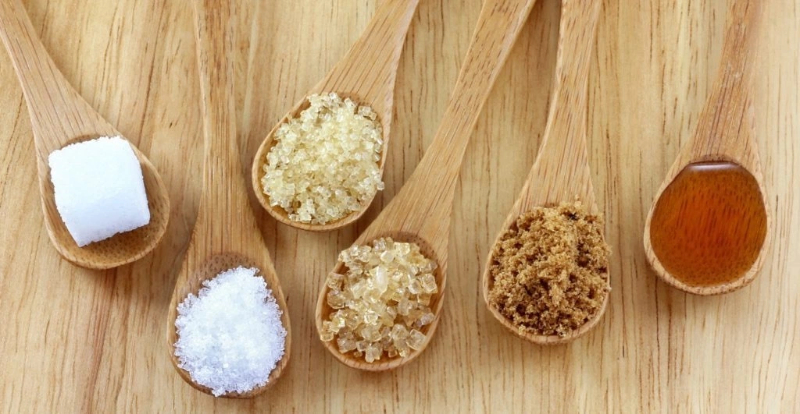
Not all artificial Sweeteners carry the same level of concern, and most are still considered safe within established acceptable daily intake limits when used responsibly. However, large cohort and review data suggest that high long‑term intake of certain Sweeteners, particularly aspartame, sucralose and Ace‑K, may be associated with increased cardiovascular and metabolic risks, so moderating Sweetener exposure is advisable.[1]
People focused on heart health may wish to limit frequent, high‑volume intake of beverages and foods that rely heavily on aspartame, sucralose or Ace‑K Sweeteners, given their links to stroke and coronary heart disease in observational studies. Choosing products sweetened with natural Sweeteners and polyol Sweeteners, alongside an overall heart‑healthy diet and lifestyle, may be a more cautious strategy.[1]
Stevia and monk fruit Sweeteners have been evaluated by major authorities and, when consumed within acceptable daily intake levels, are generally considered safe. These plant‑derived Sweeteners do not appear to share the same pattern of cardiovascular associations seen with some artificial Sweeteners and can be useful tools for reducing sugar when used sensibly.[1]
Artificial Sweeteners and other Sweeteners can reduce calories in individual products, but the overall impact on weight is complex and depends on total diet and behavior. Some studies associate high Sweetener consumption with weight gain or central obesity, possibly due to changes in appetite regulation, taste preferences or metabolic responses, so Sweeteners should support—not replace—comprehensive lifestyle changes.[1]
For modern brands, the most robust approach is to design Sweetener systems that combine natural Sweeteners and polyol Sweeteners, while minimizing reliance on controversial artificial Sweeteners. Partnering with specialized Sweetener solution providers enables precise Sweetener blending, tableting and OEM/ODM development that aligns with regulatory expectations, sensory targets and long‑term health positioning in global markets.[1]
[1](https://pubmed.ncbi.nlm.nih.gov/39449954/)


