
Views: 222 Author: Sara Publish Time: 2026-01-13 Origin: Site


Content Menu
● Leading Plant Protein Manufacturers and Suppliers
>> ORGANO FOOD TECH CORPORATION
>> Additional Prominent Plant Protein Manufacturers and Suppliers
● Applications Across Industries
● Global Supply Chain Integration
● FAQ
>> 1. Who are the leading plant protein manufacturers and suppliers in Japan?
>> 2. What drives growth in Japan's plant protein market?
>> 3. What innovations do Japanese plant protein manufacturers and suppliers offer?
>> 4. Do plant protein manufacturers and suppliers provide OEM/ODM services?
>> 5. How do plant protein manufacturers and suppliers ensure product quality?
Japan stands at the forefront of the global shift toward plant-based nutrition, with its top plant protein manufacturers and suppliers driving innovation in sustainable protein solutions. These plant protein manufacturers and suppliers cater to the growing demand in food, beverage, and healthcare sectors, offering high-quality soy, pea, rice, and blended proteins.[1][2]

Japan's plant protein market has experienced robust growth, valued at approximately USD 711.1 million in 2025 and projected to reach USD 1,363.4 million by 2034, growing at a compound annual growth rate (CAGR) of 7.5%. This expansion is fueled by increasing consumer awareness of health benefits, veganism, and sustainability, positioning Japanese plant protein manufacturers and suppliers as key players in Asia-Pacific. Soy protein remains dominant, accounting for over 60% of the market share, while pea and other novel plant proteins are gaining traction among plant protein manufacturers and suppliers targeting younger demographics.[2][3][4]
The country's annual production exceeds 47,000 metric tons of plant-based proteins, with plant protein manufacturers and suppliers emphasizing non-GMO, organic certifications to meet stringent JAS (Japanese Agricultural Standards) requirements. Urbanization and busy lifestyles boost demand for convenient protein-enriched products like ready-to-drink shakes and bars from these plant protein manufacturers and suppliers. Government initiatives promoting sustainable agriculture further support plant protein manufacturers and suppliers in reducing reliance on animal proteins.[5][6][7]
Japan boasts a competitive landscape of plant protein manufacturers and suppliers, each specializing in advanced processing techniques for superior functionality and taste.
As one of the top plant protein manufacturers and suppliers, Fuji Oil Holdings leads with its innovative soy protein solutions, including the Ultra Soy Separation technology that eliminates off-flavors for applications in plant-based cheese, butter, and meat analogs. Their MIRACORE line of textured soy proteins mimics the fibrous structure of meat, making them ideal for yakiniku and burgers, a hallmark of excellence among plant protein manufacturers and suppliers. Fuji Oil invests heavily in R&D, holding numerous patents that enhance solubility and emulsification properties, serving global clients through reliable supply chains.[8][9]
These plant protein manufacturers and suppliers export to over 50 countries, ensuring consistent quality with HACCP and ISO certifications. Their commitment to sustainability includes sourcing from traceable farms, setting benchmarks for other plant protein manufacturers and suppliers in Japan.
ORGANO FOOD TECH CORPORATION ranks highly among plant protein manufacturers and suppliers, specializing in pea protein isolates with up to 78% protein content derived through dry fractionation methods. Located in Saitama Prefecture, these plant protein manufacturers and suppliers produce powders with excellent solubility for traditional Japanese foods like miso soups and modern supplements. Customization options for OEM production make them a preferred partner for international brands seeking tailored plant protein formulations.[10][5]
ORGANO's plant protein manufacturers and suppliers focus on hypoallergenic properties, appealing to health-conscious consumers avoiding soy. Their expansion into rice-pea blends addresses amino acid profile gaps, enhancing PDCAAS scores for nutritional completeness.[5]
BIO ACTIVITIES JAPAN excels as plant protein manufacturers and suppliers of premium pea protein isolates boasting 80% purity and high branched-chain amino acid (BCAA) content. These plant protein manufacturers and suppliers target sports nutrition and functional foods, with bioactive peptides that support muscle recovery and metabolic health. Traceability from farm to factory ensures purity, a critical factor distinguishing them among plant protein manufacturers and suppliers.[11][5]
Their R&D emphasizes peptide extraction for enhanced bioavailability, positioning BIO ACTIVITIES as innovators in the plant protein manufacturers and suppliers sector.
Amano Enzyme Inc. supports the ecosystem of plant protein manufacturers and suppliers by developing enzymes like Protein Glutaminase (PG-500) that improve texture and creaminess in dairy alternatives. These plant protein manufacturers and suppliers enable clean-label products without chemical additives, crucial for organic markets. Partnerships with Fuji Oil and others amplify their impact across the plant protein supply chain.[12][13][8]
Amano's solutions reduce viscosity in high-protein beverages, solving common challenges faced by plant protein manufacturers and suppliers.
Next Meats pioneers plant-based meat analogs as agile plant protein manufacturers and suppliers, with facilities in Niigata producing solar-powered vegan yakiniku. Their textured proteins replicate umami flavors using soy and pea bases, appealing to Japan's meat-loving culture. Expansion into Singapore highlights their global ambitions among plant protein manufacturers and suppliers.[14][15][16]
Sustainability drives Next Meats, with zero-waste production appealing to eco-focused buyers.
Other notable plant protein manufacturers and suppliers include:
- Mitsui & Co. Ltd.: Distributes bulk soy and pea proteins for industrial use.[1]
- Morinaga Milk Industry: Veteran soy protein producers in Kanto, offering isolates for beverages.[4][17]
- Nissin Foods Holdings: Innovates soy-based eel alternatives, leading in patent filings.[8]
- Roquette Frères (Japan operations): Supplies Pisane pea proteins for extrusion.[5]
- Ingredion Incorporated: Provides organic pea and rice concentrates.[5]
- Cosucra Group: High-functionality pea fibers and proteins.[5]
| Company | Primary Source | Key Strengths | Annual Capacity (Tons) Est. | Certifications |
|---|---|---|---|---|
| Fuji Oil Holdings | Soy | Textured proteins, patents | 20,000+ | JAS, ISO, HACCP |
| ORGANO FOOD TECH | Pea | Solubility, OEM | 5,000 | Organic, Non-GMO |
| BIO ACTIVITIES JAPAN | Pea | Bioactives, BCAA | 3,000 | Traceable, Halal |
| Amano Enzyme | Enzymes | Texture enhancement | N/A (auxiliary) | FSSC 22000 |
| Next Meats | Soy/Pea blend | Meat analogs, sustainable | 2,000 | Vegan certified |
| Morinaga | Soy | Beverages, isolates | 10,000 | JAS |
These plant protein manufacturers and suppliers control over 70% of the domestic market, particularly in Kanto (35-40% share).[4]
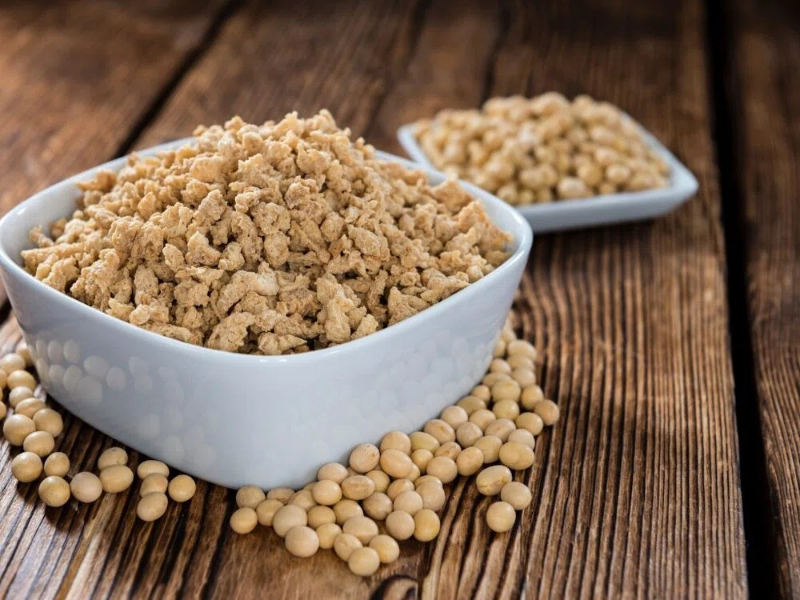
Plant protein manufacturers and suppliers in Japan leverage extrusion, fermentation, and enzymatic hydrolysis to create meat-like textures and flavors. Fuji Oil's hybrid proteins combine soy with mycelium for superior mouthfeel, while Nissin patents soy for unagi substitutes. Pea proteins from ORGANO and BIO ACTIVITIES incorporate fermentation to boost digestibility, addressing antinutritional factors.[10][8]
Enzyme tech from Amano allows plant protein manufacturers and suppliers to produce translucent beverages rivaling whey. Precision fermentation startups collaborate with traditional plant protein manufacturers and suppliers for precision nutrition.[13]
Plant protein manufacturers and suppliers serve diverse sectors. In beverages, neutral-tasting isolates enable high-protein teas and soy milks. Food applications include bakery (soy flour for bread) and snacks (pea crisps). Healthcare products blend plant proteins with fibers for diabetic-friendly formulations.[18][4][5]
OEM/ODM services from plant protein manufacturers and suppliers like Naturalink and Iizuka Shokai offer tableting and encapsulation for supplements. Export-oriented plant protein manufacturers and suppliers meet EU and US standards for global reach.[19][18]
Kanto region, anchored by Tokyo, dominates with 35-40% of output from plant protein manufacturers and suppliers. Kansai (Osaka-Kyoto) grows at 15% annually, focusing on functional foods. Hokkaido emerges for pea cultivation, supplying northern plant protein manufacturers and suppliers.[4]
International partnerships enhance Japanese plant protein manufacturers and suppliers. Chinese factories, like ours specializing in natural sweeteners, polyols, and dietary fibers for food, beverage, and healthcare, collaborate on blended OEM products—e.g., stevia-sweetened pea protein tablets. We provide mixing, tableting, and full ODM services to Japanese plant protein manufacturers and suppliers, ensuring cost-effective scalability while maintaining quality.[5]
Such synergies allow plant protein manufacturers and suppliers to offer low-GI, fiber-enriched solutions for medical nutrition.
The market is poised for 9.8% CAGR to USD 2.3 billion by 2032, driven by alt-protein patents and consumer shifts. Plant protein manufacturers and suppliers prioritize upcycled proteins from rice bran and organic sources. Regulatory support for novel foods accelerates growth.[6][18]
Japan's elite plant protein manufacturers and suppliers, from Fuji Oil to Next Meats, exemplify innovation, quality, and sustainability in a thriving market. Strategic partnerships with global OEM providers unlock new opportunities for health-focused products worldwide.[2][1][8]
Fuji Oil Holdings, ORGANO FOOD TECH, BIO ACTIVITIES JAPAN, Amano Enzyme, and Next Meats top the list, dominating soy and pea segments.[17][1][5]
Health trends, veganism, and sustainability propel a 7.5% CAGR, with soy leading at 60% share.[3][2]
Textured proteins, enzymatic enhancements, and bioactive peptides for meat analogs and beverages.[13][8]
Yes, companies like Naturalink and Iizuka Shokai offer custom blending, tableting, and production.[18][19]
Through JAS certification, traceability, non-GMO sourcing, and HACCP compliance.[4][5]
[1](https://www.mordorintelligence.com/industry-reports/japan-plant-protein-market/companies)
[2](https://www.imarcgroup.com/japan-plant-protein-market)
[3](https://www.researchandmarkets.com/reports/5020145/japan-plant-protein-market-forecasts-from-2023)
[4](https://www.verifiedmarketresearch.com/product/japan-soy-protein-market/)
[5](https://www.newnaturebio.com/top-pea-protein-manufacturers-and-suppliers-in-japan.html)
[6](https://www.verifiedmarketresearch.com/product/japan-plant-protein-market/)
[7](https://www.greenqueen.com.hk/japan-alt-protein-industry/)
[8](https://vegconomist.com/protein/fuji-oil-amano-enzyme-nissin-foods-japans-alt-protein-patent-rankings/)
[9](https://www.fujioil.co.jp/en/sustainability/food_resources/)
[10](https://www.sciencedirect.com/science/article/pii/S3050843625000241)
[11](https://www.ingredientsnetwork.com/bio-actives-japan-k-k-comp250426.html)
[12](https://patents.justia.com/assignee/amano-enzyme-inc)
[13](https://www.amano-enzyme.com/news/protein-glutaminase-amano-500-and-the-new-era-of-organic-non-gmo-food-solutions/)
[14](https://thespoon.tech/japan-next-meats-announces-new-alternative-protein-production-facility/)
[15](https://www.greenqueen.com.hk/next-meats-solar-vegan-meat-factory/)
[16](https://www.just-food.com/news/japans-next-meats-sets-up-plant-based-yakiniku-facility-in-singapore/)
[17](https://ensun.io/search/protein/japan)
[18](https://en.naturalink.co.jp/oem/)
[19](https://www.iizukashoukai.com/supplements)


