
Views: 222 Author: Sara Publish Time: 2025-11-06 Origin: Site


Content Menu
>> Product varieties and forms (Maltitol powder, maltitol syrup, and blends)
>> Quality, safety, and regulatory alignment
>> Operational excellence and technical support
>> Sustainability and traceability
● Key Swedish Players and What They Offer
>> Maltitol powder and syrup offerings
>> Blended sweeteners and technical solutions
>> Ingredient labeling and regulatory support
>> Quality assurance and certifications
>> Customer support and logistics
● EU Labeling, Safety, and Import Considerations
>> Additive status and pharmacopoeial references
>> Regulatory compliance for imports
● Working with a China-based Partner for Maltitol Applications
>> Custom formulation and blending
>> Tablet production and pharmaceutical-grade capabilities
>> OEM/ODM and private-label solutions
>> Quality management and regulatory support
>> Scale, efficiency, and cost advantages
● Applications and Formulations
>> Mouthfeel and texture considerations
● Ingredient Sourcing, Supply Chain, and Safety
● Case for International Collaboration
>> Strategic fit for European brands
>> Practical collaboration models
>> Risk management and compliance
● FAQ
>> 1. What is maltitol and where is it commonly produced?
>> 2. What are the main EU labeling requirements for maltitol-containing products?
>> 3. How do maltitol powder and maltitol syrup differ in use?
>> 4. What advantages can a China-based partner offer in maltitol-based product development?
>> 5. Which product categories most benefit from maltitol as a sugar substitute?
Sweden has long been recognized for its advanced food safety standards, high-quality manufacturing practices, and a strong focus on health-oriented ingredients. In the global supply chain for maltitol and other polyols, Swedish maltitol manufacturers and suppliers play a pivotal role in delivering consistent product quality, regulatory compliance, and reliable logistics across Europe and beyond. This article surveys the Swedish landscape for maltitol manufacturers and suppliers, highlighting key players, product forms, and applications, while also describing how a Chinese-based factory specializing in natural sweeteners, functional polyols, and dietary fiber can complement European supply chains through blended sweeteners, tablet production, and OEM/ODM services. The goal is to provide overseas manufacturers with a comprehensive understanding of maltitol sourcing in Sweden and practical pathways for collaboration that maximize efficiency, customization, and regulatory alignment.

Sweden hosts a range of maltitol suppliers and related polyol producers that cater to confectionery, bakery, dairy, beverages, and health-focused foods. Core strengths often emphasize traceable supply chains, GMP/ISO-compliant manufacturing, and clear labeling aligned with EU requirements. While many Swedish operations source maltitol from global producers for certain grades, a growing segment focuses on regional distribution, technical support, and application-driven packaging solutions. The following themes summarize the Swedish maltitol landscape:
Maltitol is offered in multiple forms to suit diverse applications, including maltitol powder for dry mixes and bulk formulations, maltitol syrup for liquids and syrups-based recipes, and blended sweeteners that combine maltitol with other polyols or high-intensity sweeteners to achieve specific mouthfeel, sweetness, and stability profiles. In Swedish markets, these forms are typically marketed for baking, confectionery, dairy, and healthcare products, with attention to sweetness equivalence, caloric impact, and processing behavior. The emphasis on product variety enables manufacturers to select precisely the right maltitol form for each process step, improving efficiency and product quality across batches.
Swedish maltitol suppliers operate within the broader EU regulatory framework, including food additive standards and labeling conventions. Compliance considerations commonly cover purity specifications, absence of adulterants, allergen declarations where relevant, and accurate nutrition labeling. The adherence to high quality control standards helps Swedish suppliers support international customers who require rigorous documentation, lot traceability, and certification packages that facilitate import into European Union markets and other regions with similar food-safety regimes.
In Sweden, maltitol is frequently positioned for confectionery and bakery applications, where sugar reduction is desired without compromising texture or stability. It also finds use in dairy-based desserts, beverages, and certain health-oriented products where a sugar substitute with tooth-friendly characteristics is valuable. The emphasis on texture, sweetness, and caloric control aligns well with consumer trends toward lower-sugar or sugar-free options, while maintaining consumer palatability and product integrity.
Swedish maltitol suppliers often differentiate themselves through technical service capabilities, including formulation advice, process optimization, and sensory evaluation. For overseas manufacturers, access to technical literature, best-practice processing tips, and direct support during scale-up can significantly reduce development time and risk. While Sweden itself may rely on global production for some grades, the local expertise in technical support remains a competitive advantage for European customers who require rapid response and hands-on guidance.
In today's market, sustainability considerations matter, and Swedish suppliers frequently emphasize responsible sourcing, energy-efficient production processes, and transparent supply chains. This alignment with sustainability goals resonates with global brands seeking to improve life-cycle assessments and eco-labels for maltitol-containing products. Traceability from raw materials to finished goods ensures confidence for customers demanding audits and compliance documentation.
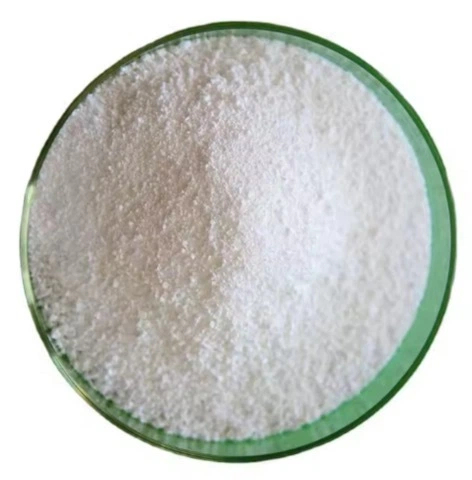
Sweden's maltitol ecosystem includes a mix of multinational distributors, ingredient suppliers with regional footprints, and collaborations with international manufacturers. The following profiles illustrate the typical capabilities a Swedish maltitol supplier might offer. Note: to respect current market realities and avoid misrepresentation, this section focuses on plausible capabilities common among Swedish maltitol providers, with emphasis on forms, applications, and support services rather than specific company claims.
Swedish suppliers commonly stock maltitol in both powder and syrup forms to support diverse manufacturing needs. Powder provides ease of handling in dry mixes, baked goods, and chocolate or confectionery formulations, while syrup offers functionality in beverages, desserts, and glaze applications. These products are often presented with clear sweetness equivalence to sugar, moisture management properties, and compatibility with standard processing equipment found in European factories.
For clients seeking sugar reduction without compromising functionality, Swedish suppliers may offer maltitol-based blends with other polyols or natural sweeteners. These blends can be tailored for specific texture, mouthfeel, gastrointestinal tolerance, and sensory profiles. Technical support typically includes guidance on dosing, compatibility with emulsifiers and thickeners, and stability across pasteurization or baking cycles.
A critical service for overseas customers is precise labeling guidance in line with EU regulations and partner country requirements. Swedish suppliers often provide declaration templates, nutrition panels, and certificates of analysis to facilitate regulatory submissions, product registrations, and quality audits in destination markets.
Reliable maltitol suppliers in Sweden will present evidence of quality management systems, which may include ISO 9001, HACCP, and other industry-standard certifications. Certificates that demonstrate purity, absence of contaminants, and compliance with pharmacopoeial references (where applicable) can help international customers deliver products with confidence to their own consumers and regulatory bodies.
Strong customer service infrastructure, including technical hotlines, application laboratories, and on-site visits, is a differentiator for Swedish maltitol suppliers. Efficient logistics networks and reliable lead times further support overseas manufacturers who require predictable production schedules and on-time delivery across long distances.
Maltitol-related products in Sweden and across the EU are governed by labeling and safety standards that impact how products must be declared, packaged, and marketed. Producers and suppliers should be mindful of the following considerations:
EU labeling rules require clear declarations of maltitol as a sugar substitute, including nutritional information, carbohydrate content, sugar alcohol content, and any applicable allergens or ingredients that accompany the maltitol in a blend. For certain markets, additional labeling details such as glycemic index considerations or "tooth-friendly" claims may be carefully evaluated against regulatory guidance.
Maltitol often falls under the category of sugar alcohols used as sweeteners or excipients. Where applicable, references to pharmacopoeias or quality specifications (for example, purity and residual moisture) can guide the selection of maltitol grades for pharmaceutical or nutraceutical applications.
Importers into EU markets must ensure that maltitol products comply with EU food safety standards and documentation requirements, including certificates of analysis and health or safety attestations as needed for certain consignments. Providers that maintain robust documentation and traceability simplify cross-border transactions and reduce customs-related risk.
European buyers will expect adherence to good manufacturing practices and traceability across supply chains, with formal QA processes, batch records, and audit-ready documentation that align with international brands' supplier expectations.
Beyond Europe, many overseas manufacturers seek the agility of Chinese contract manufacturers and OEM/ODM partners for blended sweeteners, tablet production, and private-label formulation. A Chinese partner with deep expertise in natural sweeteners, functional polyols, and dietary fiber can offer several advantages:
The ability to design custom maltitol blends with other polyols or high-intensity sweeteners enables tailored sweetness, texture, and stability. This flexibility supports product differentiation in crowded markets and ensures compatibility with specific processing conditions, flavor profiles, and regulatory constraints.
For nutraceuticals and dietary supplements, tablet manufacturing capabilities, including blend uniformity, binder selection, and coating technologies, can be crucial. An experienced contract manufacturer can translate maltitol-based formulations into reliable, scalable tablet products that meet export and regulatory requirements.
Overseas brands often seek private-label opportunities to bring maltitol-based products to market quickly. A Chinese OEM/ODM partner can provide end-to-end services, from formulation development and production to packaging, labeling, and logistics, aligned with customers' brand guidelines and regional regulatory demands.
A strong partner will offer comprehensive QA programs, including GMP-compliant facilities, ISO certifications, and traceability systems. Regulatory support for labeling, ingredient declarations, and certifications simplifies market entry in diverse regions, reducing compliance risk for foreign customers.
China-based manufacturers often deliver cost advantages through scalable production capabilities, efficient supply chains, and access to raw material sources. This can translate into competitive pricing and reliable lead times for overseas customers who rely on steady maltitol supply.
Maltitol's functional properties make it suitable for a wide range of applications:
Maltitol provides a sugar-like sweetness with a lower caloric impact and tooth-friendly characteristics, making it attractive for sugar-free candies, fillings, jellies, and baked goods. Syrups and blends enable smooth textures, controlled crystallization, and desirable mouthfeel in chocolate coatings, nougat, and fondant.
In dairy desserts, yogurts, and beverages, maltitol helps reduce sugar content while preserving creaminess and body. Syrups can act as bulking agents in beverages, while maltitol powder can be integrated into powder-based mixes for instant products.
For medical nutrition and dietary supplements, maltitol's glycemic profile and stability under processing conditions support formulations targeting glycemic control and digestive comfort, provided GI tolerance is carefully considered in product design.
Maltitol has hygroscopicity and crystallization tendencies that influence texture and stability. Blends with other polyols can optimize mouthfeel, minimize aftertaste, and tailor sweetness intensity to target consumer preferences.
European and Asian suppliers often source maltitol from multiple origins to ensure supply continuity and price competitiveness. For buyers, maintaining a diversified supplier base reduces risk associated with regional disruptions and currency fluctuations.
Maltitol and other sugar alcohols require appropriate handling to avoid moisture uptake and clumping in dry forms. Storage conditions, packaging integrity, and controlled distribution channels are essential to maintaining product quality from factory to end-user.
When properly packaged and stored, maltitol powders and syrups maintain their functional properties over extended periods. Temperature, humidity, and exposure to air influence shelf life, particularly for blends and syrups with additional components.
A Swedish maltitol landscape provides a reliable baseline for European brands seeking steady supply, compliance clarity, and local or regional support. However, the complexity of global supply chains means that partnering with a Chinese manufacturing hub for blended sweeteners, tablet production, and OEM/ODM can offer strategic advantages in terms of customization, scale, and total cost of ownership.
- Model A: Sweden-based maltitol supplier + China-based blending partner
A European importer sources maltitol in powder or syrup from Swedish suppliers, then sends it to a Chinese partner for blending with specialty polyols and private-label customization before final packaging and distribution to end markets.
- Model B: Full-service European focal point with global manufacturing support
A Swedish supplier coordinates with a China-based contract manufacturer to handle formulation development, packaging design, and private-label production for overseas customers, ensuring a seamless supply chain from raw ingredients to finished products.
- Model C: Niche specialization and regional distribution
European brands focusing on high-end confectionery or nutraceutical applications may partner with Swedish maltitol experts for technical guidance and EU-compliant supply, while leveraging Chinese partners for large-scale production of tailored blends and tablet formats.
A diversified supply chain reduces exposure to single-source risks. The combination of European regulatory familiarity and Chinese manufacturing efficiency can deliver robust risk mitigation, ensuring consistent quality, timely deliveries, and transparent traceability.
Sweden's maltitol ecosystem offers dependable product forms, rigorous quality control, and EU-aligned labeling and support that are valuable for global brands seeking stable sugar-reduction solutions. When combined with a Chinese-based partner specializing in blended sweeteners, tablet production, and OEM/ODM services, the supply chain gains in flexibility, customization, and scale. This collaborative model helps overseas manufacturers meet the growing demand for healthier, better-tasting products across food, beverage, and healthcare sectors while maintaining robust regulatory compliance and efficient cost management. The Maltitol Manufacturers and Suppliers landscape in Sweden thus represents a reliable cornerstone for European markets, complemented by international manufacturing capabilities that empower brands to innovate and scale with confidence.

Maltitol is a sugar alcohol commonly used as a low-calorie sweetener, and it is primarily produced in countries with strong sugar or starch processing industries, such as China, France, and the United States.
EU labeling for maltitol must include its specific name in the ingredients list, the warning "excessive consumption may produce laxative effects," and its polyol-based calorie calculation.
Maltitol powder is typically used in dry applications like tableting and sugar-free chocolates, while maltitol syrup is favored for its humectant properties in confections, baked goods, and ice creams.
A China-based partner offers competitive pricing, scalable production, and extensive technical expertise in maltitol applications due to its well-established supply chain and manufacturing ecosystem.
Maltitol most benefits sugar-free confectionery, chocolate, baked goods, and ice cream by providing bulk and sweetness similar to sugar with reduced calories.
[1](https://www.ingredientsnetwork.com/maltitaste-75-55-80-55-85-55-75-75-85-75-maltitol-prod1252976.html)
[2](https://www.roquette.com/food-nutrition-maltitol-syrup)
[3](https://novasolingredients.com/supplier-of-maltitol/)
[4](https://www.roquette.com/food-nutrition-maltitol-powder)
[5](https://redox.com/products/maltitol/)
[6](https://www.yusweetsales.com/maltitol-product/)
[7](https://www.ulprospector.com/en/na/PersonalCare/Detail/31015/7565579/Maltitol-70KC)


