
Views: 222 Author: Sara Publish Time: 2026-01-12 Origin: Site


Content Menu
● Xylitol vs. Artificial Sweeteners
● Industrial Production of Xylitol
● Xylitol in Food and Beverages
● Xylitol in Healthcare Products
● Safety and Regulatory Status of Xylitol
● Incorporating Xylitol in Formulations
● Future of Xylitol Innovations
● FAQ
>> 1. Is Xylitol safe for daily consumption?
>> 2. Can Xylitol replace sugar in baking?
>> 3. Does Xylitol affect blood sugar levels?
>> 4. Where is Xylitol naturally found?
>> 5. Is Xylitol suitable for pets?
Xylitol is not an artificial sweetener; it is a naturally occurring sugar alcohol found in many fruits and vegetables. This distinction is crucial for understanding Xylitol's role in health-focused products from factories specializing in natural sweeteners for food, beverage, and healthcare industries.

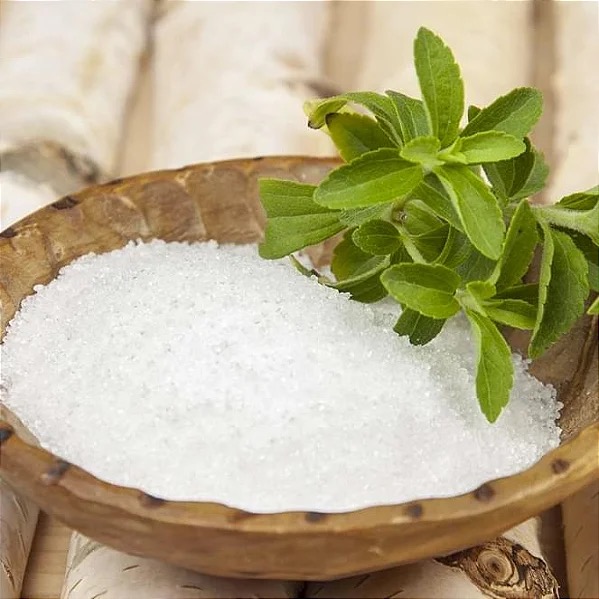
Xylitol appears as a white, crystalline powder that closely mimics sugar in taste and texture. Derived primarily from plant sources like birch bark and corn cobs, Xylitol offers a clean sweetness without the bitter aftertaste common in some artificial alternatives. Factories producing Xylitol emphasize its natural extraction processes to meet demands for clean-label ingredients in mixed sweetener blends.[1]
Xylitol's chemical structure, classified as a polyol or sugar alcohol, sets it apart from synthetic compounds like aspartame or sucralose. Unlike purely lab-created artificial sweeteners, Xylitol exists in trace amounts in berries, mushrooms, and even human saliva, underscoring its natural origins. As a core specialty in natural sweeteners, functional polyols, and dietary fibers, Xylitol enables OEM/ODM services for tablet production and custom blends. Manufacturers in China harness Xylitol's versatility to create innovative formulations that cater to global health trends, ensuring high purity and consistency in every batch.[2][3]
The molecular formula of Xylitol, C5H12O5, reveals its pentitol nature, which contributes to its unique properties such as high solubility and cooling effect on the tongue. This makes Xylitol a preferred choice over artificial options in products requiring natural appeal and functional benefits.
Xylitol naturally occurs in over 100 plant species, including strawberries, plums, cauliflower, and oats. Its name derives from "xylose," or wood sugar, highlighting extraction from renewable sources like hardwood and agricultural byproducts. Chinese factories leverage advanced biotechnology to upscale Xylitol production from corncobs, aligning with global sustainability goals in food and beverage sectors.[3]
Unlike artificial sweeteners synthesized from petrochemicals, Xylitol undergoes hydrogenation of plant-derived xylose, preserving its natural profile. This process yields high-purity Xylitol suitable for functional polyols in healthcare formulations. Integration into mixed sweetener development enhances texture and mouthfeel without compromising natural credentials. Xylitol's presence in small quantities in human metabolism further reinforces its biocompatibility, distinguishing it sharply from fully synthetic alternatives. Factories optimize yields through enzymatic hydrolysis, converting hemicellulose-rich waste into valuable Xylitol streams.[4]
Historically, Xylitol was first isolated from birch wood in the 1890s, but commercial production boomed in the 1960s with Finland leading due to abundant birch resources. Today, corn cob fermentation dominates, reducing costs and environmental impact, which allows factories to supply Xylitol at scale for international OEM partners seeking natural polyols.
Artificial sweeteners like saccharin or acesulfame-K are chemically synthesized, often lacking natural precursors. Xylitol, conversely, provides 40% fewer calories than sugar (2.4 kcal/g) while matching sweetness intensity. This makes Xylitol ideal for sugar-free gum, candies, and tablets produced via OEM services.[3]
| Feature | Xylitol | Artificial Sweeteners (e.g., Aspartame) |
|---|---|---|
| Source | Natural (plants, corn cobs) | Synthetic/chemical |
| Calories per gram | 2.4 | 0-4 |
| Glycemic Index | 7 | 0 |
| Dental Impact | Reduces cavities | Neutral |
| Applications | Gum, toothpaste, beverages | Diet sodas, baking |
Xylitol's low glycemic index benefits diabetic-friendly products, a focus for factories offering custom polyol blends. Artificial options may raise safety concerns, whereas Xylitol earns GRAS status from the FDA. In taste panels, Xylitol scores higher for natural sugar-like profile, avoiding the metallic notes of many artificial sweeteners. Factories blend Xylitol strategically to mask less desirable polyols, creating superior mouthfeel in low-calorie beverages and confections.[1]
Long-term studies highlight Xylitol's edge in promoting oral microbiome balance, unlike some artificial sweeteners linked to dysbiosis. This positions Xylitol as a multifunctional ingredient beyond mere sweetening.
Xylitol combats tooth decay by starving harmful bacteria like Streptococcus mutans, reducing plaque by up to 80%. In oral care, Xylitol toothpaste and gums promote remineralization, a key application for healthcare OEMs. Factories incorporate Xylitol into functional lozenges for sustained release, ensuring prolonged antibacterial activity.[2]
For ear health, Xylitol nasal sprays prevent infections in children, leveraging its antibacterial properties without promoting resistance. In beverages, Xylitol adds bulk and sweetness without spiking blood sugar, supporting low-carb diets. Xylitol aids weight management with its incomplete absorption—about 50% ferments in the gut—excreting partially unmetabolized. Factories blend Xylitol with dietary fibers for satiety-enhancing drinks that align with wellness trends.[5]
Recent cardiovascular research suggests moderation with very high Xylitol intakes, but standard dietary levels remain safe and beneficial. Xylitol acts as a prebiotic, selectively feeding beneficial Bifidobacteria while inhibiting pathogens. In bone health, preliminary studies indicate Xylitol may enhance calcium absorption, opening avenues for fortified nutraceuticals produced via OEM processes.
Chinese factories excel in Xylitol production, converting agricultural byproducts like corncobs via acid hydrolysis, enzymatic treatment, and catalytic hydrogenation. Capacities exceed thousands of tons annually, enabling competitive OEM/ODM for global manufacturers. Purity levels reach 99.5%+, ideal for pharmaceutical tablets and syrups.[6]
Processes emphasize sustainability: closed-loop systems recycle water and catalysts, minimizing waste. Xylitol integrates into powder premixes for instant beverages and chewables, with spray-drying techniques ensuring uniform particle size. Quality controls, including HPLC analysis, ensure low endotoxin levels for medical applications, where Xylitol serves as an excipient in cough syrups and effervescent tablets.
Fermentation-based methods using genetically optimized yeasts boost yields by 20-30%, positioning China as a leader in cost-effective, high-volume Xylitol supply. Factories customize crystallization for specific granulometry, suiting diverse OEM needs from fine powders for tableting to coarse grains for bulk sweeteners.[7]
In sugar-free chewing gum, Xylitol provides a cooling sensation and prolonged sweetness, preventing crystallization issues common with other polyols. Beverages like energy drinks use Xylitol for crisp mouthfeel without fermentation risks, ideal for clear formulations. Factories develop ready-to-fill syrups and powders for overseas bottlers, incorporating Xylitol at 5-20% for optimal viscosity.[1]
Baked goods benefit from Xylitol's 1:1 sugar replacement, retaining moisture via humectant properties and enabling Maillard browning with minimal adaptation. Dietary supplements feature Xylitol-coated tablets for improved palatability and dissolution. Xylitol enhances protein bars with fiber synergy, targeting fitness markets through custom OEM runs producing flavored gums with 70%+ Xylitol content.
In ice creams and yogurts, Xylitol prevents ice crystal formation, delivering creamy textures in low-fat versions. Sports drinks fortified with Xylitol and electrolytes gain traction for hydration without caloric overload, while kombucha blends leverage Xylitol's stability under acidic conditions.
Medical-grade Xylitol powers nasal irrigation solutions, clearing pathogens effectively and reducing sinusitis recurrence. Syrups for cough relief use Xylitol to soothe throats naturally, with non-nutritive appeal for pediatric use. Factories offer contract manufacturing for effervescent tablets dissolving Xylitol rapidly for rapid onset.[2]
In pediatrics, Xylitol pacifiers and syrups reduce otitis media incidence by 30-40% through biofilm disruption. Wound care dressings incorporate Xylitol for antimicrobial action, accelerating healing in diabetic ulcers. OEM services extend to veterinary polyols, though human applications dominate due to Xylitol's proven efficacy.
Xylitol's non-cariogenic nature suits long-term therapeutic candies, while in ophthalmology, Xylitol eyedrops lubricate without blurring. Emerging uses include Xylitol-infused hydrogels for oral lesions, showcasing factories' innovation in healthcare OEM.
The FDA deems Xylitol safe since 1963, with ADI unlimited for special dietary foods. EFSA and WHO affirm its use, distinguishing it from scrutinized artificial sweeteners. Daily intakes up to 65g pose minimal digestive risks for adapted consumers, though gradual introduction prevents laxation.[1]
Pets, especially dogs, face toxicity from Xylitol, causing rapid insulin surges and hypoglycemia—critical for labeling in OEM products. Factories ensure pet-safe segregation in production lines. JECFA sets no upper limit, but self-limiting intake due to cooling effect maintains safety. Toxicology profiles show no genotoxicity or carcinogenicity, solidifying Xylitol's clean safety record.
Allergen-free and kosher/halal certified, Xylitol suits diverse markets without declaration hassles.
Toothpastes with 10-25% Xylitol dominate oral hygiene aisles, delivering 5-10g daily exposure for cavity prevention. Mouthwashes leverage Xylitol's breath-freshening persistence and anti-plaque action. Confectionery like mints packs Xylitol for portable dental defense, with synbiotic gums combining Xylitol and probiotics.
Household items include Xylitol-sweetened yogurts and ice creams for lactose-intolerant consumers, plus pet-free candies. Innovative nasal and throat sprays deliver Xylitol for on-the-go respiratory support.
Global Xylitol demand surges in clean-label sectors, with Asia-Pacific factories leading supply at 60%+ market share. Projections hit 200,000 tons by 2030, driven by keto, diabetic, and natural confectionery products. OEM/ODM partnerships accelerate custom polyol innovations, fueled by e-commerce growth.[6]
Sustainability certifications like RSPO boost Xylitol's appeal in EU markets, while biotech shifts to GMO-free strains address premium segments. Reformulations replace maltitol with Xylitol for superior cooling and digestive tolerance.
Factories blend Xylitol at 30-100% in gums for optimal release profiles and syneresis control. Synergies with erythritol cut calories further while enhancing sweetness synergy. Tableting uses Xylitol as direct-compressible excipient, yielding hard, fast-dissolving tablets.[4]
R&D focuses on microencapsulated Xylitol for heat-stable baking and controlled release in beverages. High-intensity blends pair Xylitol with stevia or monk fruit, masking off-notes for 100% natural profiles. Scalable spray-drying ensures consistent Xylitol delivery in powdered mixes.
Biotech advances yield non-GMO Xylitol via precision fermentation. Nanotech enhances bioavailability for nutraceuticals, while 3D printing integrates Xylitol in personalized candies. Factories pioneer Xylitol-infused fibers for gut-directed beverages and smart gums with pH sensors.
Synergies with rare sugars like allulose position Xylitol centrally in next-gen sweeteners, with blockchain-tracked supply chains ensuring transparency for global OEM demand.
Xylitol stands unequivocally as a natural sugar alcohol, not an artificial sweetener, empowering factories to deliver premium health solutions in food, beverages, and healthcare. Its versatility in mixed sweeteners, polyols, and fibers—from dental protection to metabolic support—supports innovative OEM/ODM offerings for international manufacturers. Embracing Xylitol unlocks sustainable, tooth-friendly, low-calorie futures backed by decades of safety data.
Yes, Xylitol is FDA-approved as safe, with benefits for dental health at 6-10g daily doses in gums. Moderation avoids laxative effects in sensitive individuals.[1]
Absolutely, Xylitol substitutes 1:1, providing bulk and moisture retention ideal for low-carb baked goods and tablets.[3]
Xylitol has a glycemic index of 7, minimally impacting blood glucose, making it suitable for diabetics and keto diets.[2]
Xylitol occurs in fruits like berries, corn, and oats, extracted commercially from sustainable plant sources for purity.[4]
No, Xylitol is toxic to dogs, causing hypoglycemia; always label products clearly for pet safety.[3]
[1](https://ific.org/resources/articles/what-is-xylitol/)
[2](https://www.webmd.com/vitamins/ai/ingredientmono-996/xylitol)
[3](https://en.wikipedia.org/wiki/Xylitol)
[4](https://silverlakedental.com/xylitol-an-amazing-health-discovery/)
[5](https://www.texashealth.org/areyouawellbeing/Heart-Health/Artificial-Sweetener-Xylitol-and-Your-Heart-Health)
[6](https://pdf.dfcfw.com/pdf/H3_AP202412131641289648_1.pdf)
[7](http://notice.10jqka.com.cn/api/pdf/408e26a9944c1be6.pdf)


