


Content Menu
● Regulatory Approval of Stevia
>> Blood Sugar Control with Stevia
>> Cardiovascular Support from Stevia
>> Weight Management Using Stevia
>> Anticancer and Anti-Inflammatory Potential of Stevia
>> Gut Health and Antioxidant Effects of Stevia
>> Potential Side Effects of Stevia
>> Stevia Interactions and Toxicology
● Stevia in Food, Beverages, and Healthcare
● Stevia Production and Quality Assurance
● Daily Incorporation of Stevia
● Stevia for Special Populations
● Future Innovations in Stevia
● FAQ
>> 1. Is Stevia Safe for Daily Consumption?
>> 2. Can Diabetics Safely Use Stevia?
>> 3. Does Stevia Cause Digestive Problems?
>> 4. Is Stevia Superior to Artificial Sweeteners?
>> 5. What is the Safe Daily Stevia Amount?
Stevia, a natural sweetener extracted from the leaves of the Stevia rebaudiana plant native to South America, has gained immense popularity as a zero-calorie alternative to sugar in food, beverages, and healthcare products. Indigenous communities have used Stevia for centuries to sweeten beverages and medicines, highlighting Stevia's longstanding role in traditional diets. Today, purified Stevia glycosides like rebaudioside A (Reb-A) and stevioside deliver 200-300 times the sweetness of sucrose without adding calories, making Stevia a preferred choice for health-conscious consumers worldwide.[1][11]
As a China-based factory specializing in natural sweeteners such as Stevia, functional polyols, and dietary fibers, we provide comprehensive solutions including blended sweetener development, tablet production, and OEM/ODM services for overseas manufacturers in the food, beverage, and healthcare industries. Stevia's clean taste profile and stability under heat position it perfectly for diverse applications, from sugar-free sodas to nutritional supplements. Regulatory approvals confirm Stevia's safety, with high-purity extracts recognized as generally recognized as safe (GRAS) by the FDA since 2008.[6][11]
Stevia production has scaled globally, with advancements in extraction and fermentation enhancing Stevia purity and yield. Our facility ensures pharmaceutical-grade Stevia that meets international standards, supporting clean-label products amid rising demand for natural Stevia solutions.[3][12]
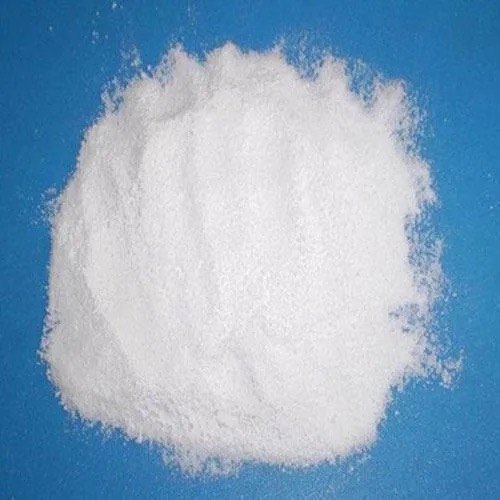
Stevia refers specifically to the sweet compounds, known as steviol glycosides, found in the *Stevia rebaudiana* leaves, rather than the whole plant. These glycosides, including Reb-A, Reb-M, and stevioside, account for Stevia's intense sweetness while containing no carbohydrates or calories. Unlike artificial sweeteners, Stevia originates entirely from nature, appealing to consumers seeking plant-based Stevia options.[1][3]
The extraction process for commercial Stevia involves water-based purification of Stevia leaves to isolate high-purity glycosides, achieving over 95% Reb-A content. This refinement eliminates bitter aftertastes common in crude Stevia leaf, ensuring Stevia's palatability in beverages and baked goods. Modern biotechnology, like microbial fermentation, now produces next-generation Stevia variants with improved taste and functionality.[7][12]
Stevia's chemical structure as diterpene glycosides allows it to pass through the body undigested, metabolized into steviol and excreted via urine. This non-nutritive nature makes Stevia ideal for low-carb diets, keto recipes, and diabetic-friendly formulations. Factories like ours blend Stevia with dietary fibers for synergistic health effects in OEM products.[3][1]
Purified Stevia glycosides received GRAS status from the FDA in 2008, following extensive toxicology studies confirming no adverse effects at typical consumption levels. The Joint FAO/WHO Expert Committee on Food Additives (JECFA) set Stevia's acceptable daily intake (ADI) at 4 mg steviol equivalents per kg body weight, equivalent to about 12 mg/kg of Reb-A. The European Food Safety Authority (EFSA) and other global bodies align with these standards, affirming Stevia's safety for all populations.[11][6][1]
Crude Stevia leaf or minimally processed extracts lack full approval due to limited long-term data on potential mutagenic or reproductive effects observed in early animal studies. However, high-purity Stevia (>95% glycosides) shows no such risks, with human trials demonstrating excellent tolerability. In China, Stevia complies with national food safety regulations, facilitating exports of Stevia-based ingredients.[12][13]
Ongoing reviews by regulatory agencies continue to support Stevia's expansion into infant formulas and medical foods, underscoring Stevia's robust safety profile. Manufacturers must source purified Stevia to ensure compliance in blended sweeteners and tablets.[1][3]
Stevia demonstrates strong antiglycemic effects, with meta-analyses of 26 studies showing significant reductions in blood glucose levels, particularly in individuals with high BMI, diabetes, or hypertension. Daily Stevia intake of ≥3.342 mg lowered fasting blood sugar within 1-4 months, without impacting insulin or HbA1c notably. Stevia enhances insulin sensitivity and secretion while suppressing glucagon, aiding diabetes management.[2][4]
In clinical trials, Stevia-sweetened beverages reduced postprandial glucose spikes compared to sucrose, benefiting type 2 diabetics. Animal models confirm Stevia inhibits glucose absorption in the gut, stabilizing energy levels throughout the day. For healthcare manufacturers, Stevia enables low-glycemic tablets and functional drinks.[3][1]
Stevia lowers systolic and diastolic blood pressure in hypertensive patients, with doses of 750-1500 mg stevioside daily yielding modest but significant reductions. Stevia's vasodilatory effects stem from calcium channel blockade and nitric oxide enhancement in vascular walls. It also improves lipid profiles by decreasing LDL cholesterol and triglycerides while raising HDL.[4][1]
Antioxidant actions of Stevia protect endothelial cells, stabilizing atherosclerotic plaques and reducing inflammation via NF-κB inhibition. Rodent studies show Stevia ameliorates liver steatosis linked to cardiovascular risk. Blending Stevia with polyols creates heart-healthy beverage solutions.[3]
Zero-calorie Stevia curbs appetite and calorie intake, outperforming sugar in satiety studies. Replacing sucrose with Stevia in diets led to greater weight loss and reduced BMI over 12 weeks. Stevia's sweetness satisfies cravings without metabolic burden, supporting obesity prevention.[6][11]
Stevia enhances fat oxidation in adipose tissue, promoting lean body composition. In beverages, Stevia formulations cut sugar by 100%, aligning with WHO guidelines for reduced free sugars.[2][3]
Lab studies reveal Stevia glycosides induce apoptosis in breast, prostate, gastric, and colon cancer cells via mitochondrial pathways. Fermented Stevia leaf extract shows selective cytotoxicity against pancreatic cancer cells, sparing healthy kidney cells. Anti-inflammatory properties suppress TNF-α, IL-6, and NF-κB in macrophages.[5][1]
Stevia's immunomodulatory effects bolster antiviral defenses, positioning Stevia for functional foods. While promising, human anticancer trials for Stevia remain needed.[3]
Stevia boosts gut microbiome alpha diversity at moderate doses, acting as a prebiotic. It reduces oxidative stress by scavenging DPPH, superoxide, and nitric oxide radicals in vitro and vivo. Stevia protects liver and kidney from diabetic damage by lowering lipid peroxidation.[1][3]
In diabetic rats, Stevia normalized hepatic enzymes and renal function. Combined with dietary fibers, Stevia supports digestive wellness in supplements.[13]
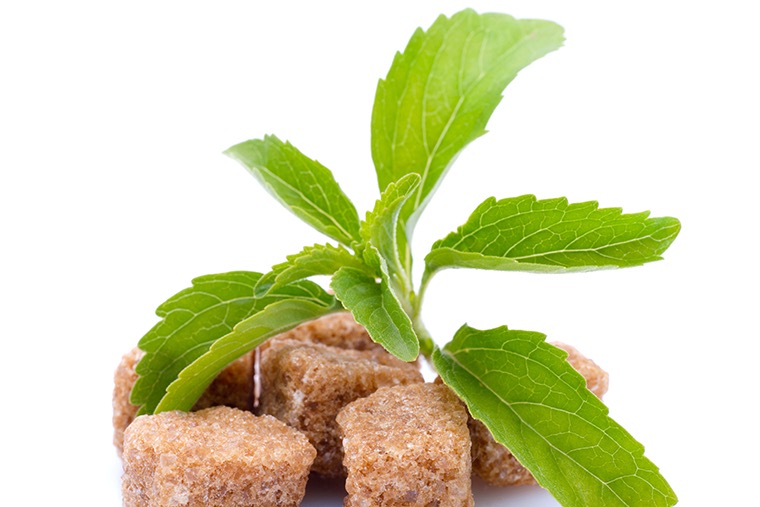
High-purity Stevia causes no side effects in most users, with human trials reporting excellent safety up to 1000 mg/day. Rare bloating occurs when Stevia blends with polyols like erythritol in sensitive guts. Stevia poses no allergy risk, unlike some nuts or grains.[14][11][6]
Pregnant and lactating women tolerate Stevia within ADI, with no developmental toxicity. Children experience no issues from Stevia-sweetened products.[1]
Chronic high-dose Stevia in animals elevated liver enzymes transiently, but human equivalents show no harm. Steviol metabolites clear kidneys efficiently without accumulation. Purified Stevia avoids risks of crude forms.[13][3]
Stevia may potentiate antidiabetic medications, warranting glucose monitoring. No cardiovascular risks from Stevia alone, even in erythritol blends at moderate levels. Toxicology affirms Stevia's non-mutagenic, non-carcinogenic status.[14][1]
Stevia transforms beverages into zero-sugar options, with dairy using Stevia for natural reduction. Tablets mask bitterness in supplements, while OEM blends ensure taste parity with sugar. Stevia's heat stability suits baking and processing.[15][16]
In healthcare, Stevia features in nutritional bars, gums, and meal replacements. Our factory develops custom Stevia-polyol-fiber blends for overseas OEM/ODM.
From Stevia cultivation to extraction, quality controls yield 98% pure glycosides. Fermentation scales Reb-M production sustainably. Rigorous testing verifies Stevia safety for global export.[7][12]
| Sweetener | Calories | Glycemic Impact | Natural Origin | Key Benefits |
|---|---|---|---|---|
| Stevia | 0 | None | Yes | Antiglycemic, antioxidant |
| Sucrose | 4/g | High | Yes | Versatile but caloric |
| Aspartame | 4/g | None | No | Heat-unstable |
| Erythritol | 0.2/g | Low | Yes | Cooling effect, gut-tolerant |
| Monk Fruit | 0 | None | Yes | Similar to Stevia |
Stevia leads in safety and multifunctionality.[11][3]
- Sweeten teas and coffees with Stevia drops for zero calories.
- Bake low-carb desserts using Stevia blends.
- Select Stevia yogurts and cereals for breakfast.
- Chew Stevia gums for oral health.
- Mix Stevia into smoothies with dietary fibers.[6][11]
Our services tailor Stevia for seamless integration.
Diabetics thrive on Stevia's stability; hypertensives benefit from BP reduction. Safe for pregnancy, pediatrics, and elderly at ADI.[4]
Next-gen glycosides like Reb-M enhance Stevia taste. Demand grows for Stevia in clean-label pharma.[5][12]
Stevia emerges as a safe, versatile natural sweetener, substantiated by regulatory endorsements, meta-analyses, and clinical data showing benefits in blood sugar control, cardiovascular health, weight management, anti-inflammation, and more. Purified Stevia minimizes risks associated with crude forms, proving reliable for daily use in foods, beverages, and healthcare. As specialists in natural sweeteners including Stevia, functional polyols, and dietary fibers, our China factory delivers OEM/ODM excellence—blended development, tablet production—for global manufacturers. Choose Stevia for healthier, innovative solutions.
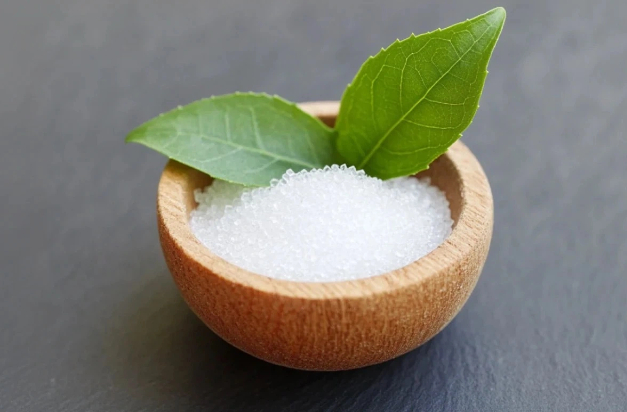
Yes, purified Stevia holds GRAS status from the FDA with an ADI of 4 mg/kg body weight, showing no adverse effects in long-term studies.[11][1]
Stevia lowers blood glucose without raising insulin needs, ideal for diabetes management per meta-analyses.[2][4]
Rarely; moderate purified Stevia supports gut diversity, though polyol blends may cause mild bloating in sensitives.[14][1]
Stevia offers natural antiglycemic, antioxidant benefits absent in synthetics, with full regulatory backing.[3]
Up to 4 mg steviol equivalents/kg body weight daily, equating to several sweetened products without risk.[1]
[1](https://pmc.ncbi.nlm.nih.gov/articles/PMC9028423/)
[2](https://www.sciencedirect.com/science/article/abs/pii/S187140212400153X)
[3](https://pmc.ncbi.nlm.nih.gov/articles/PMC8600158/)
[4](https://www.health.com/stevia-benefits-8634412)
[5](https://ecancer.org/en/news/26775-stevia-leaf-extract-has-potential-as-anticancer-treatment-researchers-find)
[6](https://www.webmd.com/food-recipes/what-is-stevia)
[7](https://pmc.ncbi.nlm.nih.gov/articles/PMC4890837/)
[8](https://www.sciencedirect.com/science/article/abs/pii/S0924224420304593)
[9](https://health.clevelandclinic.org/what-is-stevia)
[10](https://www.medicalnewstoday.com/articles/287251)
[11](https://www.healthline.com/health/food-nutrition/stevia-side-effects)
[12](https://pdf.dfcfw.com/pdf/H3_AP202412131641289648_1.pdf)
[13](https://pmc.ncbi.nlm.nih.gov/articles/PMC7584803/)
[14](https://www.goodrx.com/well-being/diet-nutrition/stevia-bad-for-you)
[15](https://www.howtiangroup.cn/new-150-8.html)
[16](https://www.caldic.com/zh-hans-cn/markets/food-beverage/beverage/)


