
Views: 222 Author: Sara Publish Time: 2026-01-06 Origin: Site


Content Menu
● Aspartame Fundamentals in Sweeteners
● Popular Aspartame-Containing Sweeteners
● Comparing Aspartame Sweeteners to Alternatives
● Everyday Products with Aspartame Sweeteners
● Regulatory Safety of Aspartame Sweeteners
● Blending Strategies for Aspartame Sweeteners
● Market Dynamics of Aspartame Sweeteners
● Industrial Applications in Food and Beverages
● Healthcare Innovations with Aspartame Sweeteners
● Emerging Trends Beyond Aspartame Sweeteners
● FAQ
>> 1. Which tabletop sweeteners contain aspartame?
>> 2. Do popular diet sodas use aspartame sweeteners?
>> 3. Is aspartame safe within blended sweeteners?
>> 4. What non-beverage products feature aspartame sweeteners?
>> 5. How do factories blend aspartame with other sweeteners?
Aspartame is a cornerstone of many artificial sweeteners, offering intense sweetness with minimal calories, making it ideal for diet products in food, beverages, and healthcare. This comprehensive guide details which sweeteners contain aspartame, explores its blends with other sweeteners, and highlights applications for manufacturers specializing in natural sweeteners, functional polyols, and dietary fibers.

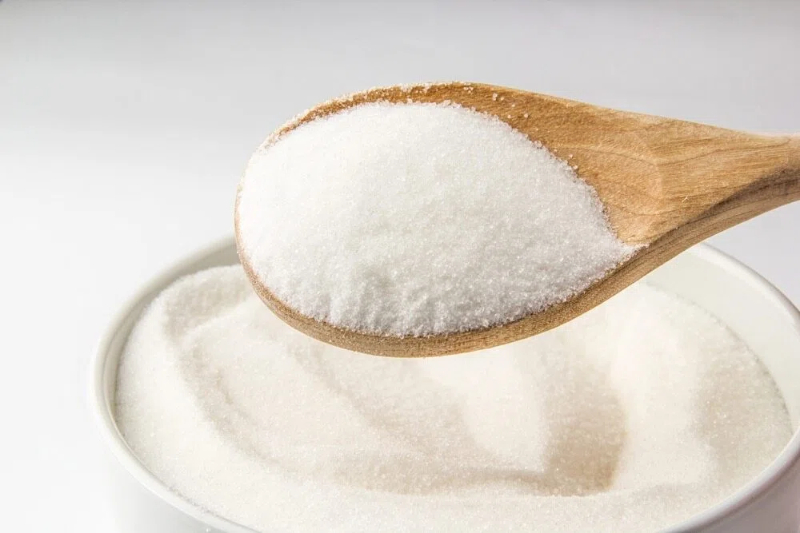
Aspartame delivers approximately 200 times the sweetness of sugar, positioning it as a top choice among artificial sweeteners for low-calorie formulations. Sweeteners like Equal and NutraSweet rely entirely on aspartame, providing consumers with versatile options for daily use in coffee, tea, and baking. These aspartame-based sweeteners mimic sugar's taste profile closely, avoiding the bitter aftertaste common in some alternative sweeteners.[1]
In the competitive world of sweeteners, aspartame excels due to its stability in liquids and clean flavor, making it a staple for beverage manufacturers. Factories focused on health solutions often incorporate aspartame into mixed sweeteners, blending it with natural sweeteners or polyols to enhance mouthfeel and nutritional value. This approach allows for innovative OEM/ODM services, where aspartame sweeteners form the base for customized tablet production tailored to international clients in food and healthcare sectors.[2][1]
Aspartame breaks down into aspartic acid, phenylalanine, and methanol during digestion, which is why sweeteners containing it carry warnings for individuals with phenylketonuria (PKU). Despite this, aspartame sweeteners remain popular globally, with billions of servings consumed safely each year. Chinese factories leverage their expertise in sweeteners to develop aspartame-inclusive blends that meet stringent export standards, combining them with dietary fibers for added health benefits like improved gut health.
Equal stands out as a leading aspartame sweetener, available in blue packets and widely used in tabletop applications. NutraSweet, another pure aspartame product, dominates in bulk packaging for food processors seeking reliable sweeteners. Sugar Twin offers a granular aspartame sweetener suited for cooking, where it holds up better than liquid alternatives among artificial sweeteners.[3][1]
These aspartame sweeteners often appear in blended forms, such as those combined with acesulfame potassium (Ace-K) to boost heat stability for baking. In the sweeteners market, aspartame's role extends beyond singles to synergistic mixes, where it pairs with polyols like maltitol for chewy textures in sugar-free candies. Manufacturers providing mixed sweeteners development excel by formulating aspartame sweeteners with functional ingredients, ensuring seamless integration into OEM gum, lozenge, and beverage lines.
Beyond brands, generic aspartame sweeteners flood wholesale markets, enabling cost-effective production for private-label diet products. For factories specializing in natural sweeteners alongside artificial ones, aspartame serves as a bridge, allowing blends that transition consumers toward healthier polyol and fiber-enhanced sweeteners without sacrificing sweetness intensity.
Aspartame sweeteners differ markedly from non-aspartame options like sucralose, which offers 600 times sugar's sweetness but lacks aspartame's amino acid profile. Saccharin-based sweeteners, such as Sweet'N Low, provide 300-400x sweetness but can impart a metallic note absent in aspartame sweeteners. Stevia sweeteners, derived naturally, match aspartame's 200-300x intensity yet require masking of licorice-like flavors.[1]
| Sweetener | Contains Aspartame? | Sweetness (vs. Sugar) | Heat Stable? | Common Uses |
|---|---|---|---|---|
| Aspartame (Equal) | Yes | 200x | No (baking limited) | Beverages, tabletop |
| Sucralose (Splenda) | No | 600x | Yes | Baking, drinks |
| Saccharin (Sweet'N Low) | No | 300-400x | Yes | Tabletop, sodas |
| Acesulfame K | No (blends with aspartame) | 200x | Yes | Gums, blends |
| Stevia | No | 200-300x | Yes | Natural blends |
| Erythritol (polyol) | No | 0.6x | Yes | Bulking with aspartame |
This comparison underscores aspartame sweeteners' unique position, often blended with polyols for volume in low-calorie products. In healthcare, aspartame sweeteners enhance palatability in fiber-fortified tablets, where dietary fibers like inulin complement its sweetness for digestive health supplements.
Dietary staples like Diet Coke and Pepsi Max feature aspartame as the primary sweetener, delivering crisp refreshment without calories. Sugar-free chewing gums, including Orbit and Trident, incorporate aspartame sweeteners for prolonged flavor in every chew. Yogurt brands such as Yoplait Light use aspartame to sweeten creamy textures, appealing to weight-conscious consumers.[4][2][3]
Condiments like sugar-free ketchup and BBQ sauce rely on aspartame sweeteners for tang-sweet balance. In pharmaceuticals, aspartame sweetens pediatric syrups and effervescent tablets, where its quick dissolution shines among medicinal sweeteners. Beverage factories utilize aspartame in energy drinks and flavored waters, often blending it with natural sweeteners for broader appeal.
For OEM providers, aspartame sweeteners enable scalable production of private-label products, from ready-to-drink teas to functional shots infused with vitamins and fibers. These applications highlight aspartame's versatility across sweeteners categories, from confections to nutraceuticals.
The FDA sets an acceptable daily intake (ADI) for aspartame at 50 mg/kg body weight, equivalent to about 18-19 cans of diet soda for a 150-pound adult. Extensive studies affirm aspartame sweeteners' safety, with no credible links to adverse effects at typical consumption levels. The WHO's JECFA echoes this ADI at 40 mg/kg, reinforcing global confidence in aspartame-containing sweeteners.[5][1]
Regulatory scrutiny ensures aspartame sweeteners list phenylalanine clearly, protecting sensitive users. In blended sweeteners, aspartame's safety profile supports combinations with polyols, reducing overall intake needs. Factories adhere to these standards in OEM production, testing mixed sweeteners for purity and stability.
Aspartame sweeteners pair excellently with steviol glycosides, creating high-potency blends that cut costs while enhancing natural taste. Polyols like xylitol or erythritol add bulk to aspartame sweeteners, preventing a cooling effect mismatch in sugar-free chocolates. Dietary fibers such as chicory root inulin integrate into aspartame formulas for prebiotic benefits in health-focused sweeteners.[1]
These hybrid sweeteners allow factories to offer customized OEM tablets, where aspartame provides upfront sweetness and fibers ensure satiety. In beverages, aspartame-ace-K blends withstand pasteurization, vital for shelf-stable drinks. Innovation in sweeteners continues with encapsulated aspartame for baking stability, expanding its utility.
Chinese manufacturers lead in developing such mixed sweeteners, leveraging natural sweeteners expertise to craft aspartame-enhanced solutions for export. This includes functional polyol-aspartame combos for keto-friendly products, meeting rising demand in healthcare.
North America consumes the lion's share of aspartame sweeteners, driven by diet soda sales exceeding billions annually. Europe favors aspartame in tabletop sweeteners, while Asia grows via blended products. Global sweeteners trade benefits from OEM factories producing aspartame packets and bulk powders.[1]
Sustainability pushes natural sweeteners, yet aspartame's affordability sustains its market share. Premium segments blend aspartame with monk fruit for clean-label claims. Factories offering polyols and fibers capitalize on this, formulating next-gen sweeteners.
Beverage lines use aspartame sweeteners for zero-sugar variants, from colas to sports drinks. Baked goods employ aspartame blends for reduced-sugar cookies, maintaining tenderness. Confectionery leverages aspartame in hard candies, where polyols provide structure.[2][4]
OEM services streamline aspartame sweetener integration, from mixing to tableting. Healthcare applications include aspartame-sweetened protein bars with fibers for meal replacements.
Pharma products like dissolvable strips and lozenges feature aspartame for better adherence. Functional sweeteners combine aspartame with fibers for blood sugar management aids. OEM factories produce these for global brands, ensuring precise dosing.
While aspartame sweeteners endure, polyol-fiber hybrids gain traction. Natural sweeteners like allulose challenge aspartame in baking. Blends evolve, sustaining aspartame's relevance.
Aspartame powers key artificial sweeteners like Equal and NutraSweet, enabling low-calorie innovation across industries. Blended with polyols, fibers, and naturals, aspartame sweeteners offer versatile OEM solutions for health-focused products. This enduring ingredient continues shaping sweeter, healthier futures.
Equal, NutraSweet, and Sugar Twin primarily contain aspartame, delivering 200x sugar sweetness for versatile tabletop use.[1]
Yes, Diet Coke, Coke Zero, and Pepsi Max rely on aspartame as a core sweetener for zero-calorie beverages.[3][2]
Aspartame in sweeteners is FDA-approved at 50 mg/kg ADI, safe in moderation and effective in polyol or natural blends.[5][1]
Sugar-free gums like Trident, Jell-O desserts, and syrups commonly include aspartame sweeteners.[4][2]
OEM factories mix aspartame sweeteners with stevia, erythritol, and dietary fibers for custom health and food solutions.[1]
[1](https://www.fda.gov/food/food-additives-petitions/aspartame-and-other-sweeteners-food)
[2](https://www.nbcnews.com/health/cancer/foods-contain-aspartame-artificial-sweetener-possible-carcinogen-rcna93913)
[3](https://www.cbsnews.com/news/aspartame-carcinogen-who-what-products-contain-aspartame/)
[4](https://www.loseit.com/articles/a-list-of-foods-containing-aspartame/)
[5](https://www.who.int/news/item/14-07-2023-aspartame-hazard-and-risk-assessment-results-released)


