


Content Menu
● Origins and Botanical Background of Stevia
● Chemical Composition: What Makes Stevia Sweet?
● Types and Purity Levels of Stevia Sweeteners
● Extraction and Processing of Stevia
● Stevia in Beverages: A Dominant Application
● Stevia in Dairy and Confectionery Products
● Stevia for Baking, Savory, and Convenience Foods
● Health Benefits and Safety Profile of Stevia
● Market Trends and Manufacturing Advantages
● Formulation Challenges and Solutions with Stevia
● Future of Stevia in Health Solutions
● FAQ
>> 1. What exactly makes Stevia different from regular sugar?
>> 2. Is Stevia suitable for all baking applications?
>> 3. How does Stevia benefit diabetic consumers?
>> 4. What are common Stevia blends in industry?
>> 5. Can Stevia replace sugar 1:1 in recipes?
Stevia is not a traditional sugar but a natural, zero-calorie sweetener extracted from the leaves of the Stevia rebaudiana plant, native to South America and now cultivated worldwide. This plant-based alternative delivers intense sweetness—200 to 350 times that of sucrose—without raising blood glucose levels or contributing calories, making Stevia ideal for health-conscious consumers, diabetics, and those reducing sugar intake. As a factory specializing in natural sweeteners like Stevia for food, beverage, and healthcare industries, we provide high-purity Stevia extracts, blended formulations, and OEM/ODM services to meet global demands.
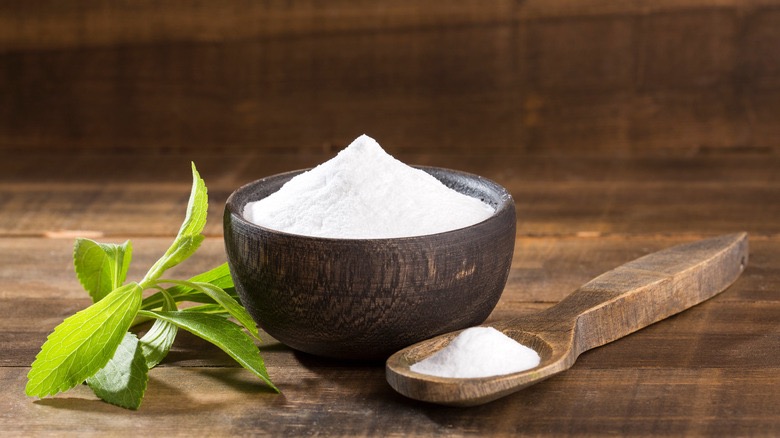
Stevia rebaudiana, commonly known as Stevia, belongs to the Asteraceae family and thrives in subtropical climates. Originating from Paraguay and Brazil, Stevia has been used traditionally by indigenous peoples for centuries as a sweetener in teas and medicines. Today, Stevia cultivation spans Asia, Africa, and North America, with China emerging as a major producer of refined Stevia glycosides due to advanced extraction technologies.
The sweetness in Stevia comes from steviol glycosides, naturally occurring compounds in the leaves that make Stevia a superior sugar substitute. These glycosides, including stevioside and rebaudioside A, are stable under heat, acid, and light, ensuring Stevia performs reliably in processing. For manufacturers, Stevia's natural profile aligns perfectly with clean-label trends, offering a plant-derived option over synthetic sweeteners.
Stevia's sweetness stems from over 30 steviol glycosides, but stevioside (9-15% of leaf dry weight) and rebaudioside A (Reb A, 2-4%) dominate commercial products. Stevioside is 150-300 times sweeter than sugar, while Reb A reaches 200-450 times with a cleaner taste and minimal bitterness. Other variants like rebaudiosides B, C, D, and M contribute nuanced flavors, with Reb M gaining traction for its sugar-like profile.
Unlike sucrose, a disaccharide of glucose and fructose, Stevia glycosides are diterpene molecules that taste sweet without metabolizing into calories. This zero-glycemic index makes Stevia a go-to for low-carb diets. In blended sweeteners, Stevia pairs with erythritol or monk fruit to mask any aftertaste, enhancing versatility for OEM tablet production and custom blends.
Stevia sweeteners vary by refinement and glycoside focus:
- Crude Leaf Extracts: Least processed, retaining full leaf compounds but with stronger aftertaste; used in herbal teas.
- Stevioside-Dominant: 90-95% purity, cost-effective for beverages where bitterness is blended out.
- High-Purity Reb A (97%+): Gold standard for clean sweetness, ideal for soft drinks and dairy at low dosages (under 30-50 ppm).
- Next-Gen Rebaudiosides (Reb M, Reb D): 95%+ purity, ultra-low bitterness, enabling higher usage in baked goods (up to 70-100 ppm).
Stevia powders, liquids, and granules cater to diverse applications. As suppliers, we offer Stevia in various grades, supporting functional polyols blends for synergistic sweetness and mouthfeel.
Stevia production involves harvesting leaves at peak glycoside content (pre-flowering), followed by water or ethanol extraction. Purification uses chromatography to isolate glycosides, yielding food-grade Stevia free of impurities. Modern biotech enhances yields via fermentation, producing Reb M at scale without farming limitations.
This process ensures Stevia meets GRAS status from the FDA and JECFA's ADI of 4 mg/kg body weight daily. For factories like ours, scalable Stevia processing enables reliable OEM supply chains, from raw glycosides to finished tablets.
Stevia revolutionized beverages, replacing sugar in carbonated soft drinks, teas, juices, and ready-to-drink coffees. Brands like Coca-Cola's Diet Coke in Japan use Stevia for 30% calorie cuts, while global RTD teas leverage Stevia's stability for hot-fill processes. In flavored waters and energy drinks, Stevia dosages under 35 ppm deliver full sweetness without fermentation risks.
Stevia blends like Truvia or ViaTech optimize profiles for sodas, masking off-notes with erythritol. For alcoholic beverages and sports nutrition, Stevia provides zero-calorie appeal. Chinese factories excel here, exporting Stevia-sweetened formulations to overseas markets via ODM services.
In dairy, Stevia sweetens yogurts, ice creams, and flavored milks at 45-55 ppm, maintaining creaminess without sugar's browning. Frozen desserts benefit from Stevia's freeze-thaw stability, while milk-based sweets use Reb A for smooth texture.
Confectionery applications include gums, candies, and chocolates, where Stevia (up to 200 ppm in gums) prevents tooth decay as a non-fermentable sweetener. Soft chews and jams incorporate Stevia at 300 ppm, preserving fruit flavors. Our tablet production expertise integrates Stevia into chewables for healthcare.
Baked goods like cakes, cookies, and breads use Stevia blends (65-70 ppm) to mimic sugar's bulk, often combined with fibers for volume. Its heat stability up to 200°C suits pastries, though bulking agents address texture gaps.
Savory uses include sauces, condiments, and curries (<30 ppm), balancing sweetness subtly. Convenience items like breakfast cereals (50-100 ppm) and jellies benefit from Stevia's solubility. In healthcare, Stevia enhances dietary fibers in functional bars.
Stevia supports blood sugar control by stimulating insulin without spikes, aiding diabetes management. Its antihypertensive effects lower blood pressure mildly, while antimicrobial properties fight oral bacteria, preventing caries. Zero calories aid weight loss, and antioxidant steviol glycosides combat oxidative stress.
Regulatory bodies worldwide approve purified Stevia, distinguishing it from unrefined leaves. Studies confirm no genotoxicity or carcinogenicity.
Global Stevia demand surges with sugar taxes and clean-label pushes, sales hitting $275 million by 2017 and growing. Beverages lead (60% share), followed by dairy and bakery. As a China-based factory, we specialize in Stevia blends, polyols like erythritol, and dietary fibers, offering turnkey OEM/ODM for overseas clients.
Sustainability drives Stevia: low water use and biotech yields reduce environmental impact. Blending Stevia with functional ingredients creates premium health solutions.
Stevia's slower sweetness onset and potential aftertaste require masking via synergies—erythritol rounds it out, fibers add bulk. High-purity Reb M minimizes issues, enabling 100% sugar replacement.
Dosage precision is key: over 250 ppm risks bitterness. Our development services optimize Stevia ratios for tablets, beverages, and powders.
Enzyme-modified Stevia promises sucrose-like taste, expanding uses. Fermentation scales rare glycosides, cutting costs. For industries, Stevia integrates with polyols and fibers for next-gen low-sugar products.
Stevia stands as a premier natural sweetener, far surpassing sugar in intensity and health benefits while fitting seamlessly into food, beverage, and healthcare formulations. From beverages and dairy to bakery and OEM tablets, Stevia's versatility drives innovation, supported by factories like ours offering expert blending and production. As consumer demand for clean, zero-calorie options grows, Stevia remains central to healthier futures.
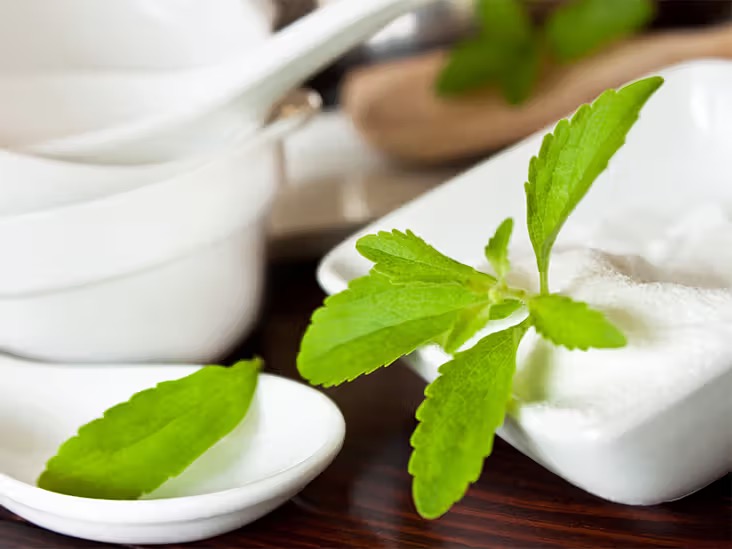
Stevia derives sweetness from steviol glycosides like Reb A, 200-350 times sweeter than sucrose, with zero calories and no glycemic impact, unlike carbohydrate-based sugar.
Yes, Stevia's heat stability supports baking up to 200°C, though blends with bulking agents like fibers ensure proper texture and volume in cakes and breads.
Stevia does not raise blood glucose, potentially enhances insulin function, and offers a safe, natural sweetening option for diabetes management.
Stevia pairs with erythritol, monk fruit, or fibers for balanced taste, used in beverages, tablets, and confections to eliminate sugar fully.
No, due to its potency, Stevia requires 1/200-1/350 ratios, plus adjustments for bulk and mouthfeel via complementary ingredients.
[1](https://periodical.knowde.com/stevia-in-the-food-industry/)
[2](https://www.ingredion.com/na/en-us/ingredients/ingredient-types/stevia)
[3](https://www.thepharmajournal.com/archives/2022/vol11issue7/PartZ/11-7-362-979.pdf)
[4](http://www.plantarchives.org/article/plant-based-natural-sweetener-stevia-and-its-application-in-food-industry.pdf)
[5](https://www.cargill.com/food-beverage/emea/sweeteners/stevia-for-beverages)
[6](https://pmc.ncbi.nlm.nih.gov/articles/PMC8600158/)
[7](https://www.sciencedirect.com/science/article/abs/pii/S1878450X21000251)
[8](https://pmc.ncbi.nlm.nih.gov/articles/PMC10076456/)
[9](https://en.wikipedia.org/wiki/Stevia)
[10](http://plantarchives.org/article/plant-based-natural-sweetener-stevia-and-its-application-in-food-industry.pdf)


