


Content Menu
● Sucralose Chemistry and Molecular Structure
● Sucralose Sweetness Profile and Sensory Attributes
● Regulatory Approval and Sucralose Safety Data
● Applications in Food and Beverage Industries
● Sucralose in Healthcare and Pharmaceutical Products
● Comparative Analysis of Sucralose with Other Sweeteners
● Manufacturing Excellence and OEM/ODM Capabilities
● Sucralose Market Dynamics and Future Innovations
● Practical Sucralose Recipes and Tips
● FAQ
>> 1. What is sucralose chemically derived from?
>> 2. Is sucralose safe for long-term consumption?
>> 3. Why choose sucralose for baking over other sweeteners?
>> 4. How does sucralose blend with natural sweeteners?
>> 5. What OEM services involve sucralose for manufacturers?
Sucralose stands out as a zero-calorie artificial sweetener derived from sugar, offering intense sweetness without the calories of sucrose. This comprehensive sucralose overview delves deeply into its chemistry, production, applications, safety profile, and synergies with natural sweeteners, functional polyols, and dietary fibers—perfectly aligning with solutions from Chinese factories specializing in blended sweetener development, tablet production, and OEM/ODM services for global food, beverage, and healthcare manufacturers.[1][2]
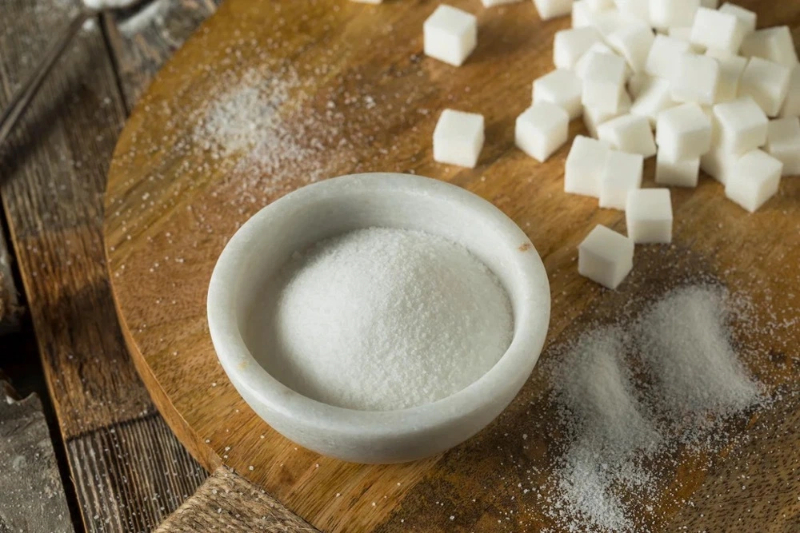
Sucralose is chemically engineered from sucrose, the common table sugar, through a precise chlorination process that replaces three hydroxyl groups with chlorine atoms. This structural modification in the sucralose molecule results in a compound that is approximately 600 times sweeter than sucrose, yet completely non-nutritive and indigestible by human enzymes. The sucralose formula, C12H19Cl3O8, features a crystalline white powder form that exhibits excellent solubility in water, with stability across a wide pH range from 2 to 12 and tolerance to high temperatures up to 200°C, making sucralose superior for diverse processing conditions.[3][1]
The sucralose synthesis begins with high-purity sucrose sourced from natural origins, undergoing selective chlorination at specific carbon positions (4, 6, and 1') to yield food-grade sucralose. This process ensures sucralose purity levels exceeding 99%, free from impurities that could affect taste or safety. Factories specializing in sucralose production often integrate quality controls like HPLC testing to verify sucralose consistency, enabling seamless incorporation into blended sweetener systems with natural alternatives like stevia glycosides or monk fruit extract. Sucralose's bacteriostatic qualities further enhance its utility by inhibiting microbial proliferation in formulations, thereby extending product shelf life without preservatives.[2][4]
Sucralose delivers a sweetness profile remarkably similar to sucrose, with a clean onset, full mouthfeel, and minimal lingering aftertaste, distinguishing it from other high-intensity sweeteners that may impart bitterness. Its potency—600 times that of sugar—means that only trace amounts of sucralose are needed, typically 0.02-0.1% in formulations, to achieve equivalent sweetness levels. This efficiency allows sucralose to replace sugar volume partially or fully, while its temporal profile mimics sugar's quick build-up and fade.[3]
In practical applications, sucralose excels in synergy with bulking agents like maltodextrin or functional polyols such as erythritol and xylitol, which provide the bulk and texture absent in pure sucralose. These sucralose-polyol blends mask any subtle metallic notes, delivering a rounded sucralose taste ideal for sugar-free confections. Moreover, sucralose maintains its sweetness integrity during prolonged storage and under thermal stress, unlike aspartame which degrades in heat, positioning sucralose as the preferred choice for baked goods and canned products.[5][1]
Sucralose has undergone rigorous safety evaluations, earning approval from over 100 regulatory bodies worldwide, including the FDA (1998), EFSA, JECFA, and China's NHC, with an acceptable daily intake (ADI) set at 5-15 mg/kg body weight. Over 110 studies spanning 20+ years confirm sucralose's safety, showing that 85-95% of ingested sucralose is excreted unchanged in feces, contributing zero calories and eliciting no glycemic response.[4][2]
Human trials demonstrate no adverse effects on metabolism, gut microbiota, or reproductive health at doses far exceeding typical consumption. Sucralose does not promote weight gain, supports dental health by being non-cariogenic, and poses no risk for cancer or neurological issues, debunking early misconceptions from high-dose animal studies irrelevant to humans. For vulnerable populations like diabetics and pregnant women, sucralose offers a safe sweetening alternative, integrable into medical nutrition via OEM tablet pressing.[5]
In beverages, sucralose dominates zero-sugar sodas, sports drinks, and juices, where its acid stability prevents sweetness loss in carbonated or citrus-based products. Major brands rely on sucralose for its clarity—no cloudiness or precipitation—and ability to synergize with fibers like inulin for enhanced mouthfeel in low-cal beverages. Chinese factories provide custom sucralose formulations, blending with natural sweeteners for clean-label appeal in exported energy drinks.[6][1]
Baking represents another stronghold for sucralose, enduring Maillard reactions and oven temperatures without decomposition, yielding moist cakes, cookies, and breads. Sucralose recipes often combine it with polyols for humectancy, preventing dryness in reduced-sugar goods. Dairy applications include flavored yogurts, ice creams, and milkshakes, where sucralose ensures creamy texture minus calories, supporting factory OEM lines for private-label products.[3]
Pharmaceutical applications leverage sucralose's intense sweetness to mask bitter active ingredients in chewables, lozenges, syrups, and effervescent tablets. Sucralose stability in aqueous solutions suits pediatric and geriatric meds, while its non-fermentable nature prevents plaque formation. Factories offer sucralose-coated tablets via ODM services, blending with dietary fibers for sustained-release nutraceuticals targeting digestive health.[4][6]
In clinical nutrition, sucralose sweetens enteral feeds and oral supplements for diabetics, maintaining palatability without spiking blood glucose. Sucralose-functional polyol mixes create energy bars for keto diets, with OEM scalability for international healthcare brands. Emerging uses include veterinary products, where sucralose enhances pet treats without caloric excess.[5]
| Sweetener | Sweetness (vs. Sucrose) | Calories | Heat Stability | Glycemic Index | Best Uses |
|---|---|---|---|---|---|
| Sucralose | 600x | 0 | Excellent | 0 | Baking, beverages, pharma |
| Aspartame | 200x | ~4/g | Poor | 0 | Cold drinks |
| Stevia | 200-400x | 0 | Good | 0 | Natural blends |
| Erythritol | 0.6x | 0.2/g | Excellent | <1 | Bulking, chewing gum |
| Sucrose | 1x | 4/g | Excellent | 65 | Traditional baking |
Sucralose's versatility shines in multi-sweetener systems, outperforming stevia's aftertaste and aspartame's instability, especially when paired with polyols from specialized factories.[3]
Leading Chinese factories produce sucralose at scale, from raw powder to finished blends, adhering to GMP, HACCP, and ISO standards. Sucralose OEM services encompass R&D for custom ratios—e.g., 50% sucralose with stevia and fibers—for optimal synergy. Tablet compression lines integrate sucralose for 1,000,000+ unit runs, supporting global exporters in food and pharma.[7][6]
Innovation pipelines explore sucralose microencapsulation for controlled release and hybrid fibers for prebiotic effects, meeting rising demand for functional sweeteners. Sustainability efforts include sucralose recycling in wastewater, minimizing environmental impact.[1]
The sucralose market, valued at billions, grows at 5-7% CAGR, driven by anti-obesity campaigns and sugar taxes. Sucralose captures 30-40% of beverage sweeteners, expanding into snacks, vapes, and cosmetics. Clean-label trends boost sucralose-natural hybrids, with factories pioneering sucralose-fermentable fiber combos for gut-friendly products.[2]
Future sucralose developments include biotech enhancements for purity and novel delivery forms like gums and patches, solidifying its role in health solutions.
- Sucralose Iced Tea: Dissolve 1/16 tsp sucralose per liter; add lemon for refreshing zero-cal drink.
- Sucralose Protein Bars: Blend sucralose, whey, and polyols; press into OEM-style bars for post-workout fuel.
- Sucralose Cheesecake: Use sucralose in filling and crust with fibers for indulgent low-carb dessert.
- Daily Sucralose Coffee: 1 drop sucralose per cup maintains flavor without calories.[3]
These recipes highlight sucralose's everyday utility.
Sucralose transforms the sweetener landscape with its unparalleled stability, safety, and adaptability, enabling innovative low-calorie products across industries. Partnering with expert Chinese factories for sucralose OEM/ODM unlocks blended solutions with natural sweeteners, polyols, and fibers, meeting global demands for healthier foods and pharmaceuticals.
Sucralose is derived from sucrose through chlorination, replacing three hydroxyl groups with chlorine to create a non-caloric sweetener 600 times sweeter than sugar.[1][2]
Yes, sucralose is deemed safe by global regulators with an ADI of 5-15 mg/kg, showing no metabolic or carcinogenic effects in extensive human studies.[4][5]
Sucralose offers superior heat stability up to 200°C, preserving sweetness in baked goods unlike heat-sensitive aspartame.[3]
Sucralose synergizes with stevia or monk fruit to eliminate aftertastes, ideal for clean-label OEM blends with polyols and fibers.[6]
Factories provide sucralose powder blending, tablet production, and custom formulations for food, beverage, and pharma exports.[7]
[1](https://foodcom.pl/en/sucralose-what-are-the-characteristics-of-this-sweetener/)
[2](https://en.wikipedia.org/wiki/Sucralose)
[3](https://www.amerigoscientific.com/everything-you-need-to-know-about-sucralose-uses-benefits-and-safety.html)
[4](https://pmc.ncbi.nlm.nih.gov/articles/PMC10971371/)
[5](https://pmc.ncbi.nlm.nih.gov/articles/PMC3856475/)
[6](https://www.howtiangroup.cn/solutions-food)
[7](https://pdf.dfcfw.com/pdf/H3_AP202412131641289648_1.pdf)


