


Content Menu
● Key Ingredients in Stevia Sweetener
● Stevia in Food and Beverages
● Production of Stevia Sweetener
● Stevia Safety and Regulations
● FAQ
>> 1. What are the main components of Stevia sweetener?
>> 2. Is Stevia safe for daily use?
>> 3. How does Stevia compare to sugar in taste?
>> 4. Can Stevia be used in baking or cooking?
>> 5. Where is Stevia mainly produced?
Stevia sweetener derives from the Stevia rebaudiana plant, offering a natural, zero-calorie alternative to sugar. Unlike artificial sweeteners that rely on lab-created chemicals, Stevia sweetener comes directly from plant leaves that have been used for hundreds of years by indigenous cultures in South America. Today, Stevia has become an essential ingredient in healthier food and beverage formulations worldwide, providing sweetness without calories or chemical additives.
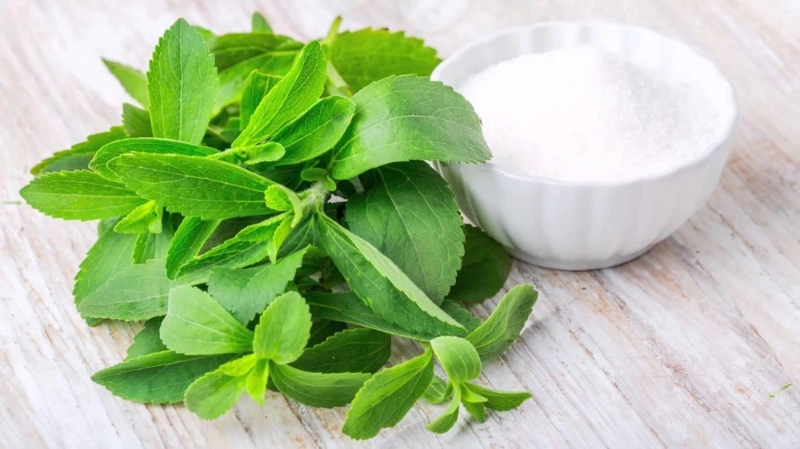
The Stevia rebaudiana plant belongs to the Asteraceae family and grows naturally in places like Paraguay and Brazil. Centuries ago, indigenous tribes, notably the Guaraní people, used the leaves to sweeten teas and medicines. Modern cultivation of Stevia has spread across Asia, particularly in China, where agricultural and technological capacity enable the mass production of highly purified Stevia extracts.
The plant's cultivation thrives in warm, humid conditions. Farmers typically harvest Stevia leaves two to three times a year, ensuring a sustainable yield. Once harvested, the leaves are dried and sent for extraction, where scientists isolate the active sweet components known as steviol glycosides.
The heart of Stevia's sweetness lies in compounds called steviol glycosides. These natural molecules are responsible for Stevia's clean, potent sweetness. The two most abundant and important glycosides are stevioside and rebaudioside A. Stevioside delivers about 250 to 300 times the sweetness of sugar, while rebaudioside A provides 300 to 450 times the sweetness, often with a more pleasant taste and less bitterness.
Besides these, Stevia leaves contain several minor glycosides such as rebaudiosides B, C, D, E, F, and dulcoside A. All these compounds contribute to a rounded sweetness profile that gives Stevia its characteristic taste. These glycosides do not contribute calories because the human body does not metabolize them into glucose. Instead, they pass through digestion harmlessly, making Stevia particularly suitable for diabetic or weight-conscious consumers.
In commercial use, some Stevia-based sweeteners may include bulking agents like erythritol or maltodextrin to provide volume and help with sugar-like texture. However, high-purity Stevia extracts contain more than 95% steviol glycosides, ensuring optimal sweetness without unnecessary additives.
Stevia sweetener is not just a sugar replacement—it's part of a broader movement toward cleaner, functional ingredients. Its health benefits include several scientifically supported advantages:
- Blood Sugar Regulation: Unlike sugar, Stevia does not raise blood glucose levels, making it safe for diabetics. Some studies suggest Stevia may even reduce post-meal glucose spikes and support insulin sensitivity.
- Weight Management: Since Stevia provides virtually no calories, it helps consumers reduce overall caloric intake while still enjoying sweetness, making it an excellent tool for reducing obesity risk.
- Oral Health: Stevia does not feed oral bacteria that cause cavities, which means it supports better dental health compared to sucrose or high-fructose corn syrup.
- Cardiovascular Support: Some evidence suggests that Stevia compounds may help lower blood pressure modestly in people with mild hypertension.
- Antioxidant and Anti-inflammatory Effects: Stevia leaves also contain phenolic compounds and flavonoids that show antioxidant activity, supporting overall cellular health.
Stevia sweetener is now a standard ingredient across global food and drink categories. Major beverage companies use Stevia in sodas, flavored waters, teas, and energy drinks to achieve significant sugar reduction without compromising taste. In dairy products like yogurt, ice cream, and flavored milk, Stevia provides clean sweetness that resists breakdown under heat or acidity.
In baked goods, Stevia maintains stability even at high baking temperatures, making it suitable for cookies, cakes, and pastries. Many professional bakeries now use Stevia blends with fiber or sugar alcohols to deliver the same browning and texture properties that sugar typically provides. In sauces and dressings, Stevia ensures balanced sweetness without overwhelming flavor profiles.
For manufacturers, Stevia sweetener has become a key component in sugar-reduction strategies. Factories offering OEM and ODM services can customize Stevia-based blends to match different taste expectations, from subtle sweetness in beverages to strong sweetness for nutraceutical tablets.
The journey from Stevia leaf to finished sweetener involves several carefully controlled stages. After harvesting, leaves are dried at moderate temperatures to preserve the natural glycosides. The dried leaves are steeped in water or a mild ethanol solution to dissolve the sweet compounds. Filtration removes plant material, and the liquid extract is purified using techniques such as ion-exchange chromatography and crystallization.
This process isolates steviol glycosides at high purity levels, often exceeding 95%. The result is a fine white crystalline powder with intense sweetness and excellent stability. Quality assurance testing ensures that the Stevia sweetener meets food safety and purity standards set by international agencies.
In China, advanced manufacturing facilities produce Stevia extracts in large volumes for global brands. The emphasis on sustainability, efficient resource use, and environmental protection makes modern Stevia production eco-friendly compared to traditional sugar refining methods, which often require heavy water and energy consumption.
Stevia has undergone comprehensive testing before gaining approval from global food safety authorities. The U.S. Food and Drug Administration (FDA) has designated high-purity steviol glycosides as "Generally Recognized as Safe" (GRAS). The European Food Safety Authority (EFSA) and the Joint FAO/WHO Expert Committee on Food Additives (JECFA) have also assessed its safety and established an Acceptable Daily Intake (ADI) of up to 4 mg per kilogram of body weight per day.
Extensive clinical and toxicological studies confirm that Stevia does not cause cancer, genetic mutations, or reproductive harm. It also does not ferment in the gut, meaning it will not cause bloating or gas like some sugar alcohols. Stevia's safety record, combined with its natural origin, has made it one of the most trusted sugar substitutes on the market.
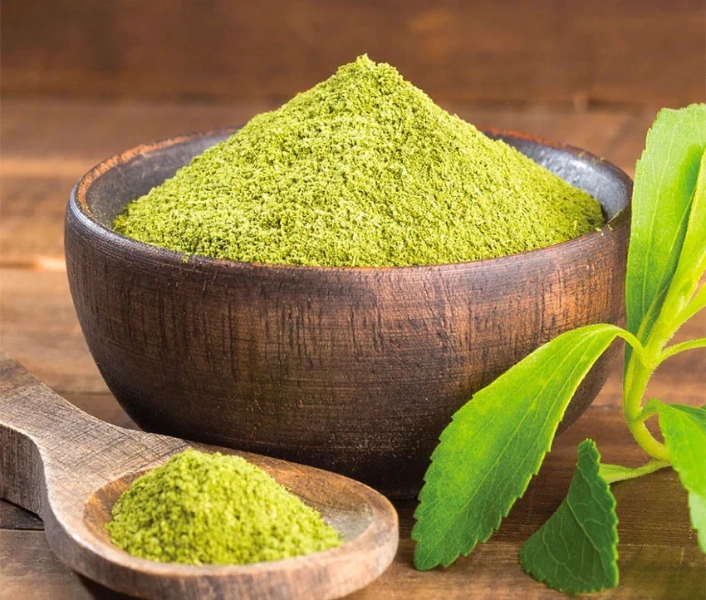
Beyond its use in foods and drinks, Stevia plays a growing role in healthcare and nutraceutical products. In dietary supplements, Stevia acts as a natural flavor enhancer for tablets, powder mixes, and syrups, improving palatability without increasing caloric load. It is now a common ingredient in fiber supplements, protein powders, and sugar-free vitamins.
Pharmaceutical manufacturers also use Stevia in oral care products and medicinal syrups. Its non-cariogenic nature helps prevent dental decay, and its mild antimicrobial properties make it useful in mouthwashes and chewing gum. Some scientific evidence even points to Stevia supporting gut health by promoting beneficial bacteria balance.
Pure Stevia extracts deliver strong sweetness with a clean initial flavor. Depending on the ratio of rebaudioside A to stevioside, some Stevia products may have a slightly bitter or licorice-like aftertaste. However, continuous improvements in extraction and purification technology have significantly minimized these notes. Manufacturers now develop specialized Stevia blends to match the taste of sucrose more closely.
Sensory experts have found that blending Stevia with erythritol, monk fruit, or soluble fibers provides a fuller mouthfeel and more balanced sweetness curve. As a result, modern Stevia sweeteners perform very competitively in consumer taste tests against both sugar and other non-caloric sweeteners.
When compared with alternatives, Stevia stands out as one of the few plant-based, zero-calorie sweeteners that also offers functional and health benefits.
| Sweetener | Source | Sweetness (vs sugar) | Calories | Heat Stability | Notes |
|---|---|---|---|---|---|
| Stevia | Plant | 200–450x | 0 | High | Natural, non-caloric |
| Aspartame | Synthetic | 200x | 4 kcal/g | Low | Loses sweetness when heated |
| Sucralose | Synthetic | 600x | 0 | High | Stable but artificial |
| Monk Fruit | Fruit | 150–300x | 0 | High | More expensive |
| Erythritol | Fermentation | 0.6x | Very low | High | Adds bulk, cooling effect |
Stevia's unique position combines the natural origin of monk fruit with the stability of synthetic options, providing manufacturers a versatile and clean-label sweetener.
For everyday consumers, incorporating Stevia is simple. It can replace sugar in coffee, smoothies, or tea without altering the beverage's core flavor. Home bakers can use Stevia for sugar-free desserts by adjusting recipes to account for its intense sweetness. In savory uses, a pinch of Stevia sweetener enhances sauces and marinades, balancing acidity.
Many global brands now sell Stevia-based tabletop sweeteners in powder, liquid, and tablet forms for easy household use. Because Stevia dissolves quickly and works across temperatures, it has become a staple for health-focused consumers.
The global appetite for sugar reduction is driving demand for Stevia. The sweetener market has grown exponentially as consumers prioritize natural and sustainable ingredients. China has become a leading producer, exporting to Europe, North America, and Southeast Asia. Continuous innovations from biotechnology companies are enhancing the yield and purity of steviol glycosides through fermentation and enzymatic conversion, making Stevia more cost-effective and sustainable.
Food and healthcare manufacturers increasingly seek OEM and ODM partnerships with specialized Stevia producers. These factories offer tailored solutions—customizing sweetness intensity, solubility, and sensory profiles—to meet the unique requirements of international brands. The continued expansion of the Stevia sector is poised to redefine the sweetener industry worldwide.
Stevia sweetener represents a perfect harmony between science and nature. Extracted from the Stevia rebaudiana plant, it delivers intense sweetness without calories, sugar, or synthetic additives. Its rise reflects shifting global preferences toward clean, plant-based alternatives that support health and sustainability. Backed by strong research and regulatory approvals, Stevia is now a central player in the future of sweeteners, offering limitless possibilities in food, beverage, and healthcare industries. Through innovation and responsible production, Stevia continues to transform how the world experiences sweetness—naturally and sustainably.
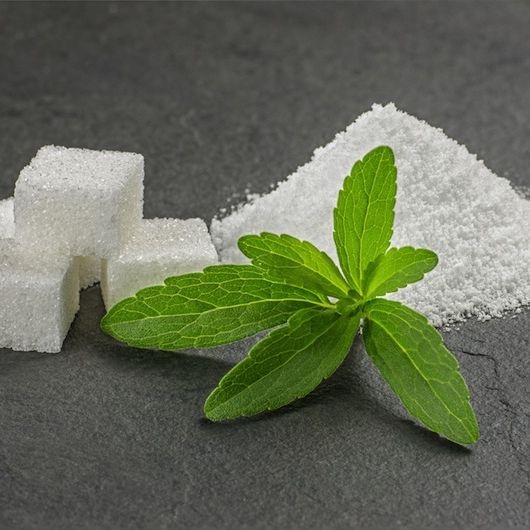
Stevia sweetener is primarily made up of steviol glycosides—mainly rebaudioside A and stevioside—which give it intense sweetness without calories.
Yes. Stevia has been thoroughly reviewed by global authorities like the FDA, EFSA, and JECFA. Pure steviol glycosides are safe for regular consumption within recommended intake levels.
Stevia is 200–450 times sweeter than sugar. Some extracts may have a mild aftertaste, but modern purification techniques significantly reduce it, producing a flavor profile very similar to sugar.
Definitely. Stevia is heat-stable and maintains sweetness during baking or cooking, making it ideal for desserts, sauces, and hot beverages.
While native to South America, Stevia is now widely cultivated and processed in China, which has become a global hub for high-quality Stevia production and OEM solutions.


