
Views: 222 Author: Sara Publish Time: 2025-12-13 Origin: Site


Content Menu
● How is Sucralose Made and Used?
● How Does the Body Handle Sucralose?
● Regulatory Views on Sucralose Safety
● Potential Concerns and Scientific Controversies
● Sucralose and Metabolic Health
● Sucralose, Gut Health, and the Microbiome
● Sucralose and Cardiovascular or Inflammatory Markers
● Sucralose vs. Sugar and Other Sweeteners
● Practical Uses of Sucralose in Product Development
● Consumer Considerations and Individual Differences
● Who Might Consider Limiting Sucralose?
● Balanced Use of Sucralose in a Healthy Lifestyle
>> 1. Does Sucralose cause cancer?
>> 2. Is Sucralose safe for people with diabetes?
>> 3. Can Sucralose affect gut bacteria?
>> 4. Is Sucralose safe during pregnancy and for children?
>> 5. How much Sucralose is too much?
Sucralose is a widely used zero‑calorie artificial sweetener that provides intense sweetness without the calories of sugar and is considered safe by major food safety authorities when consumed within acceptable limits. At the same time, emerging scientific research has sparked debate about whether Sucralose might influence gut health, metabolism, and long‑term disease risk in ways that are not yet fully understood. For most healthy people, moderate Sucralose intake as part of a balanced diet is unlikely to cause harm, but individuals with specific metabolic or digestive concerns may wish to pay closer attention to their total Sucralose consumption and overall sweetener use.
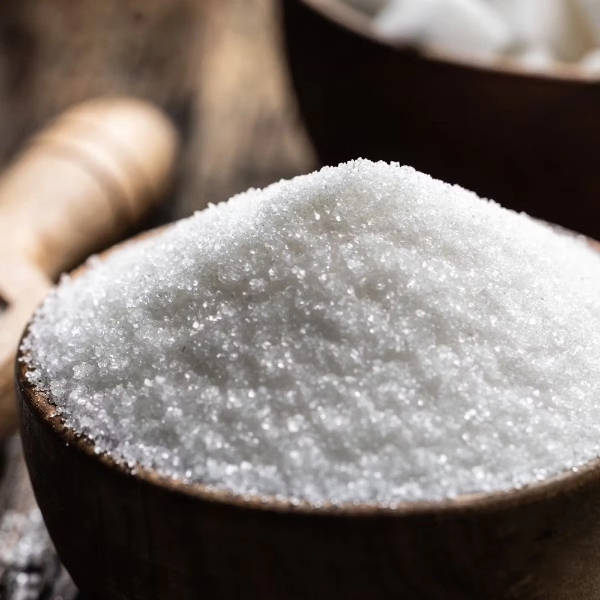
Sucralose is a high‑intensity, non‑nutritive sweetener derived from sucrose through a targeted chemical modification process. In practical terms, Sucralose tastes about 600 times sweeter than table sugar, which means food and beverage manufacturers need only a very small amount to achieve the same sweetness that would otherwise require a large dose of sugar. Because such low levels are used, Sucralose contributes virtually no calories and does not provide meaningful energy, even in sweet‑tasting products.
This intense sweetness and low‑calorie profile have made Sucralose one of the most common sweeteners in "diet," "light," "sugar‑free," and "no added sugar" products. It appears in soft drinks, flavored waters, sports and energy beverages, dairy products, desserts, chewing gum, sauces, tabletop sweeteners, and many other categories. Sucralose is also used in medical and healthcare products, such as oral nutritional supplements and certain pharmaceutical preparations, where reliable, stable sweetness is important for patient compliance.
Sucralose is produced by selectively replacing three specific hydroxyl groups on a sucrose molecule with chlorine atoms. This substitution creates a chlorinated sucrose derivative that has a sugar‑like taste but is not metabolized by the body in the same way as sucrose. The result is a molecule that activates sweet taste receptors very effectively while contributing almost no usable energy and exhibiting strong stability in many food processing conditions.
From a product development perspective, Sucralose has several advantages. It is highly soluble in water, works well in both liquid and dry systems, and remains stable across a broad pH range. This makes Sucralose suitable for carbonated drinks, fruit‑flavored beverages, dairy drinks, sauces, and shelf‑stable products. Sucralose is also relatively stable during baking and other heat treatments, so it can be used in cakes, biscuits, cereals, and other baked goods, especially when combined with bulk ingredients such as polyols and dietary fibers.
In industrial settings, Sucralose is often incorporated into blended sweetener systems. These blends may combine Sucralose with polyols like erythritol, maltitol, or xylitol and with added fibers such as inulin, resistant dextrin, or soluble corn fiber. Such combinations help reproduce not only sweetness but also the bulk, mouthfeel, and texture that would normally come from sugar. For specialized OEM and ODM projects, Sucralose can be formulated into custom sweetener premixes, instant powders, and compressed tablets for international brand owners.
One of the key features of Sucralose is that the body absorbs only a limited portion of the ingested sweetener, and most of it is excreted unchanged. A large share of Sucralose passes through the gastrointestinal tract without being broken down and is eliminated in the feces. A smaller fraction is absorbed into the bloodstream and later excreted through the urine. Because Sucralose is not significantly metabolized, it does not provide appreciable calories.
Although Sucralose is minimally used as an energy source, it does interact with sweet taste receptors not only on the tongue but also in the gut. These receptors are involved in signaling pathways that can influence hormone release, intestinal glucose transport, and other metabolic processes. Experimental evidence suggests that Sucralose may up‑regulate certain glucose transporters and impact the way the body handles carbohydrates, at least in some conditions. However, the practical significance of these effects for everyday consumers remains a topic of scientific discussion.
Several major food safety authorities worldwide have evaluated the safety of Sucralose, including the U.S. Food and Drug Administration (FDA), the European Food Safety Authority (EFSA), the Joint FAO/WHO Expert Committee on Food Additives (JECFA), and regulators in many other countries. These agencies have reviewed a large body of toxicology data, including studies on cancer risk, reproductive health, developmental toxicity, and general organ toxicity. After examining these data, they have concluded that Sucralose is safe for its intended uses when total intake remains within the established acceptable daily intake (ADI).
The ADI represents the amount of a substance that can be consumed daily over a lifetime without appreciable health risk. For Sucralose, this value is set with a substantial safety margin, meaning that even if a person regularly consumes Sucralose‑sweetened foods and beverages, total intake usually remains well below the ADI. Surveys of dietary intake in different populations generally show that most consumers, including children, do not exceed this limit even when regularly choosing diet drinks and sugar‑free products containing Sucralose.
Although regulators consider Sucralose safe at current intake levels, scientific discussion has intensified as newer studies explore more subtle biological effects. Some laboratory research on Sucralose and related compounds has raised concerns about DNA damage, changes in intestinal barrier function, and other cellular‑level effects. In particular, a Sucralose‑related compound known as sucralose‑6‑acetate has been highlighted in some experimental work as potentially genotoxic and capable of disrupting tight junctions between intestinal cells.
In animal and cell models, researchers have observed effects of Sucralose on gut permeability, inflammatory markers, and metabolic pathways. Some studies report that Sucralose may influence the expression of genes related to fat storage, appetite regulation, and insulin signaling. It is important to emphasize that many of these studies use conditions or doses that do not directly mirror typical human consumption patterns. Nonetheless, they contribute to a growing body of evidence suggesting that Sucralose is not completely inert in biological systems.
Sucralose is often used as a sugar substitute by people who are managing weight, blood sugar, or metabolic diseases such as type 2 diabetes. Replacing sugar with Sucralose can reduce overall calorie intake and lower the amount of rapidly absorbed carbohydrates in the diet. For some individuals, this may help support weight control or improve blood glucose management, especially when combined with other lifestyle interventions like physical activity and increased dietary fiber.
Clinical studies examining Sucralose's effects on blood glucose and insulin responses have produced mixed results. Some trials suggest that Sucralose by itself has minimal acute impact on blood sugar in healthy individuals or those with diabetes, particularly when consumed without other carbohydrate sources. Other research indicates that Sucralose, especially when consumed together with certain carbohydrates or in specific patterns, may influence insulin secretion, glucose tolerance, or hormonal responses related to appetite and digestion. Differences in study design, dosage, timing, and participant characteristics likely contribute to these varying outcomes.
The gut microbiome plays a key role in nutrient metabolism, immune function, and overall health, and sweeteners like Sucralose are being studied for their potential impact on this complex ecosystem. Animal studies have shown that Sucralose can alter the composition and activity of gut bacteria, leading to changes in the abundance of specific microbial groups and shifts in metabolic outputs. Some experiments also suggest that Sucralose may influence short‑chain fatty acid production and other metabolites that are important for gut and metabolic health.
Human data on Sucralose and the microbiome are more limited but growing. Some intervention trials report changes in bacterial diversity and specific species after periods of Sucralose consumption, while others find relatively modest or inconsistent effects. The differences may be related to dose, exposure time, baseline microbiome profiles, and dietary context. Overall, the research suggests that Sucralose can interact with the microbiome to some extent, but there is not yet a clear consensus on how these changes translate into long‑term health outcomes for typical consumers.
Beyond blood sugar and gut health, scientists are investigating whether Sucralose has any influence on cardiovascular or inflammatory risk markers. Some animal and observational studies associate Sucralose consumption with alterations in lipids, inflammatory cytokines, or oxidative stress markers. In some models, Sucralose exposure appears to correlate with increased expression of genes related to fat accumulation or vascular changes, while other studies find neutral or context‑dependent results.
Human evidence is still developing and often limited to short‑term interventions with relatively small sample sizes. In these studies, Sucralose‑containing products sometimes show neutral effects on cholesterol and triglyceride levels, and in other cases appear to modify certain markers in specific subgroups. Given the complexity of diet and lifestyle patterns, it remains challenging to isolate the independent effect of Sucralose on cardiovascular risk, and more medium‑ to long‑term clinical trials are needed.
When comparing Sucralose with sugar, the most obvious difference is energy density. Sugar provides four calories per gram and can quickly increase daily energy intake, whereas Sucralose is essentially calorie‑free at typical usage levels. High consumption of added sugars is linked with weight gain, type 2 diabetes, fatty liver disease, and dental caries, so replacing part of this sugar with Sucralose can help reduce overall sugar intake. However, Sucralose is not a cure‑all; the rest of the diet and lifestyle remain critical.
Compared with other high‑intensity sweeteners such as aspartame, saccharin, and acesulfame potassium, Sucralose is often appreciated for its sugar‑like flavor, minimal bitterness, and excellent heat stability. Natural non‑nutritive sweeteners like stevia and monk fruit extract appeal to consumers seeking “plant‑based” options, although they may have characteristic aftertastes that some people notice. Polyols such as erythritol, xylitol, and maltitol provide bulk and mild sweetness and are frequently combined with Sucralose in sugar‑free chocolates, candies, and baked goods. Each sweetener choice involves trade‑offs in taste, functional properties, tolerance, and consumer perception.
In product formulation, Sucralose is a versatile tool for reducing sugar while maintaining sweetness. For beverages, Sucralose allows manufacturers to create zero‑calorie or low‑calorie drinks with a sweetness profile close to sugar, even after pasteurization or hot‑fill processes. In flavored waters, energy drinks, teas, and juices, Sucralose can be used alone or together with other sweeteners to fine‑tune flavor. Its stability in acidic environments makes it particularly suitable for fruit‑flavored and carbonated beverages.
In solid foods and nutritional products, Sucralose is frequently used in combination with functional polyols and dietary fibers. This approach not only reduces the sugar content but also supports texture, bulking, and moisture retention. Protein bars, meal replacement powders, functional gummies, and tablets can be formulated with Sucralose as the primary high‑intensity sweetener, while fibers contribute to digestive benefits and improved mouthfeel. In healthcare applications, such as oral rehydration solutions and specialized nutrition for patients, Sucralose helps ensure palatability without excessive sugar load.
Not everyone responds to Sucralose in the same way. Some individuals may consume Sucralose‑sweetened products with no noticeable issues, while others report digestive discomfort, altered taste perception, or changes in appetite. These differences may be related to variations in gut microbiota, metabolic status, genetics, or overall dietary patterns. People with existing gastrointestinal conditions or heightened sensitivity to artificial sweeteners may wish to introduce Sucralose‑containing foods gradually and observe how they feel.
Behavioral aspects are also important. For some consumers, using Sucralose can support a transition away from very high sugar intakes and make it easier to follow a lower‑calorie or lower‑carbohydrate dietary pattern. For others, an emphasis on very sweet flavors, even from Sucralose, may make it more difficult to adapt to less sweet, whole‑food‑based eating habits. Mindful use of Sucralose, with awareness of total intake and overall diet quality, helps ensure that it functions as a tool rather than a crutch.
Although Sucralose is generally recognized as safe within the ADI, certain groups may choose to limit intake as a precaution or personal preference. People who are actively working on restoring gut balance, addressing inflammatory bowel conditions, or optimizing microbiome diversity may decide to minimize artificial sweeteners, including Sucralose, at least temporarily. Likewise, individuals performing elimination diets to identify triggers for digestive or metabolic symptoms sometimes remove Sucralose and other high‑intensity sweeteners for a period.
Pregnant women, parents of young children, and those with chronic illnesses may also adopt a conservative approach, using Sucralose‑containing products occasionally rather than daily. This does not necessarily reflect proven harm from Sucralose at normal intakes but acknowledges that nutritional needs and risk‑benefit calculations are different in these population groups. In all such cases, professional advice from healthcare providers and dietitians can help determine whether Sucralose fits into a personalized nutrition plan.
The role of Sucralose in a healthy lifestyle depends on how it is used. When Sucralose replaces substantial amounts of added sugar in the diet, it can help reduce calorie intake and lower the risk associated with high sugar consumption. For example, substituting a daily sugar‑sweetened soft drink with a Sucralose‑sweetened alternative can meaningfully reduce daily sugar and energy intake. Over time, such changes may support weight management and better metabolic health, especially when combined with positive changes in diet and exercise.
However, if Sucralose‑sweetened products are used to justify additional indulgences or if they displace nutrient‑dense foods, the net effect may be less favorable. A diet that relies heavily on ultra‑processed foods, even when sweetened with Sucralose instead of sugar, can still be low in fiber, vitamins, minerals, and protective phytonutrients. A balanced approach focuses on whole grains, vegetables, fruits, lean proteins, and healthy fats as the foundation, with Sucralose‑containing products used strategically rather than as the primary dietary focus.
Sucralose is a powerful, zero‑calorie sweetener that has become a key ingredient in modern sugar‑reduced and sugar‑free products across the food, beverage, and healthcare industries. Regulatory authorities view Sucralose as safe within the established acceptable daily intake, and for many people it offers a practical way to reduce sugar and calorie intake while still enjoying sweet‑tasting foods and drinks. At the same time, newer research into Sucralose's potential effects on the microbiome, gut barrier function, metabolism, and inflammatory pathways suggests that this sweetener is biologically active and not entirely neutral.
For most healthy adults, moderate consumption of Sucralose as part of an overall balanced diet is unlikely to pose major health risks and may even provide benefits when it replaces large amounts of added sugar. However, because individual responses and health contexts differ, it is sensible to pay attention to how Sucralose‑containing products fit into total dietary patterns. Emphasizing whole foods, adequate fiber, and diverse nutrient intake while using Sucralose judiciously allows consumers to enjoy sweetness with more control. Those with specific health conditions or concerns about artificial sweeteners should consult healthcare professionals to decide whether Sucralose is appropriate for their personal needs.
Current evaluations by major food safety authorities do not confirm that Sucralose causes cancer in humans when consumed within acceptable daily intake limits. Animal and cell studies have identified potential DNA‑related effects with certain Sucralose‑related compounds at high exposures, but these findings have not led regulators to change their overall conclusion that Sucralose is safe at typical dietary levels. As with many food additives, ongoing research continues to monitor long‑term safety.
Sucralose does not significantly raise blood sugar or provide digestible carbohydrates, which makes it a commonly recommended option for reducing sugar intake in people with diabetes. Many individuals with diabetes use Sucralose‑sweetened products to enjoy sweet flavors while better controlling carbohydrate intake and calorie load. Nevertheless, because some studies suggest that Sucralose may influence insulin responses or metabolic signaling in certain contexts, people with diabetes should monitor their blood glucose and follow personalized guidance from healthcare providers.
Research indicates that Sucralose can change the composition and activity of gut bacteria, particularly in animal models and some human studies. These changes may involve shifts in specific bacterial species and alterations in microbial metabolites that could influence health in subtle ways. However, the long‑term relevance of these microbiome changes at everyday intake levels is not fully understood, and the overall impact likely depends on individual factors such as existing gut microbiota, diet, and lifestyle.
Regulatory reviews have not identified clear evidence of harm from Sucralose consumption during pregnancy or childhood when intake remains within the acceptable daily intake. As a result, Sucralose is generally regarded as acceptable for these groups under typical dietary patterns. Even so, health organizations often advise that pregnant women and children emphasize nutrient‑dense whole foods and avoid relying heavily on sweeteners of any type, whether sugar or Sucralose, so occasional rather than frequent use is usually recommended.
The acceptable daily intake for Sucralose is set on a per‑kilogram body weight basis and includes a generous safety margin compared with doses tested in toxicology studies. Most people, including regular consumers of diet beverages and sugar‑free products, are estimated to fall well below this limit in their daily intake. If someone drinks large volumes of Sucralose‑sweetened beverages or consumes many Sucralose‑containing products each day, it can be helpful to review labels, estimate total intake, and discuss any concerns with a healthcare professional or dietitian.


