


Content Menu
● Production and regulatory backdrop
● Applications across the food and beverage industry
● Stability and sensory characteristics
● Formulation and OEM/ODM considerations for foreign manufacturers
● Quality and safety considerations for manufacturers
● Consumer trends and market insights
● Comparisons with other sweeteners
● Manufacturing and supply considerations for your business
● FAQ
>> 1. What is Sucralose best used for in food and beverage applications?
>> 2. Is Sucralose safe for all populations, including children and pregnant women?
>> 3. How does Sucralose differ from sugar in taste and mouthfeel?
>> 4. Can Sucralose be used in hot beverages and baked goods?
>> 5. What should manufacturers consider when sourcing Sucralose for international markets?
Sucralose has emerged as one of the most critical high-intensity sweeteners in modern food and beverage development. This article delves into what Sucralose is, how it fits into a health-focused ingredient portfolio, and how manufacturers—especially those working with blends of natural sweeteners, polyols, and dietary fibers—can leverage Sucralose for enhanced product performance. It will cover production fundamentals, regulatory considerations, application opportunities, stability profiles, and practical guidance for OEM/ODM collaborations. Throughout, the emphasis remains on delivering a clear narrative for health-focused brands looking to expand their international footprint while maintaining quality and compliance.
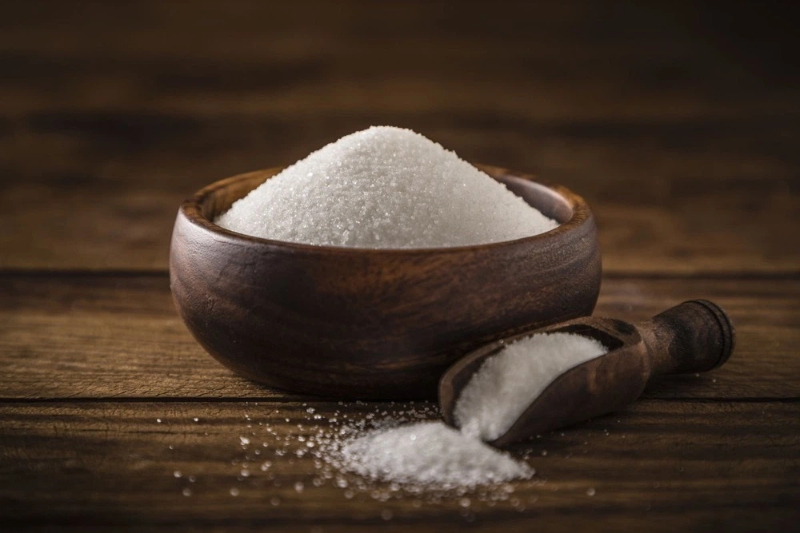
Sucralose is a zero-calorie, non-nutritive sweetener derived from sucrose through selective chlorination. This modification renders Sucralose inert to human digestive enzymes, delivering sweetness without contributing calories. In practice, Sucralose is approximately 600 times sweeter than sucrose, offering a concentrated sweetness that enables very low usage levels in a wide range of products. The result is a formulation that preserves taste and texture while supporting calorie-reduction goals for health-centric applications. For manufacturers, Sucralose represents an important tool in the texturally sensitive categories where bulking agents or polyols are used to achieve desired mouthfeel. The market typically references Sucralose under various brand names, with standard specifications relevant to food, beverage, and pharmaceutical uses. When sourcing, it is essential to specify technical grade, purity, and regulatory status in target markets to ensure compatibility with product claims and labeling.
- Production overview: Sucralose is produced by a sequence of chemical transformations beginning with sucrose and culminating in a highly pure crystalline product. The core transformation involves selective chlorination of three hydroxyl groups on the sugar molecule, followed by steps to introduce protective groups, dechlorination, and purification. The result is a stable, water-soluble sweetener suitable for diverse processing conditions. For health-focused manufacturers, understanding the precise process helps in evaluating supplier capabilities, batch-to-batch consistency, and potential implications for downstream formulation.
- Regulatory landscape: Sucralose has achieved regulatory approvals across major markets, including U.S. FDA clearance and EFSA assessments, enabling its use in a broad spectrum of foods and beverages. Regulators continuously review long-term safety data, consumption patterns, and labeling requirements, which means ongoing due diligence is essential when entering new jurisdictions. Your regulatory documentation should align with local additive codes, allowable use levels, and any product-specific labeling restrictions.
- Safety considerations: Toxicology reviews and extensive safety dossiers support Sucralose as a safe sweetener within established acceptable daily intake (ADI) levels. However, as with all food additives, continued monitoring and post-market surveillance are prudent, particularly when Sucralose is used in novel matrices, in combination with other sweeteners, or in specialty medical foods.
- Beverages: In carbonated drinks, sports beverages, ready-to-drink teas and coffees, Sucralose enables easy sweetness control without added calories. Its heat stability and solubility support high-quality flavor delivery across shelf-stable products and cold-fill processes.
- Baked goods and desserts: Sucralose's high heat stability makes it suitable for cookies, cakes, pastries, and baking mixes where sugar reduction is desired without compromising browning, texture, or moisture retention. For manufacturers, Sucralose can help maintain product integrity in process steps that rely on prolonged heat exposure.
- Dairy and alternatives: Yogurt, dairy desserts, ice cream, and plant-based dairy alternatives can benefit from Sucralose's clean sweetness and compatibility with fat-based systems, stabilizers, and emulsifiers. Formulators can achieve sugar reduction while preserving creaminess and mouthfeel.
- Snacks and confections: Sucralose is used in gum, candies, and snack formulations that require stable sweetness over a range of storage conditions and temperatures. Mouthfeel and aftertaste considerations are important when designing blends with other sweeteners.
- Nutritional and medical products: Meal replacements, protein shakes, and medical foods often demand reliable sweetness that does not interfere with texture, viscosity, or nutrient stability. Sucralose's inertness in many matrices makes it a versatile component in these products.
- Multisweet blends and formulation strategies: Many product concepts employ Sucralose in combination with bulking agents (e.g., dextrose, maltitol) or natural fibers to achieve the target sweetness with desirable bulk and mouthfeel. This is particularly relevant for OEM/ODM projects where clean-label requirements may drive the choice of complementary ingredients.
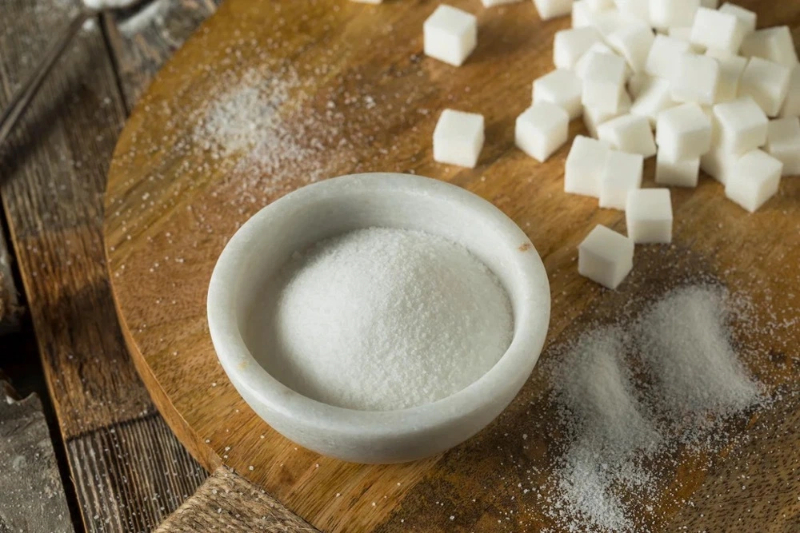
- Temperature and processing stability: Sucralose maintains sweetness under typical baking, extrusion, and high-temperature processing conditions, enabling broad use in confectionery, bakery mixes, and ready-to-drink formats that require shelf-stable formulations.
- pH tolerance and solution behavior: It demonstrates robust stability across various pH levels and formulation environments, supporting beverage fortification and acidified products without significant loss of sweetness.
- Flavor interactions: In many cases, Sucralose presents a clean sweetness profile, but interactions with other flavor compounds or sweeteners can lead to nuanced taste outcomes. Careful formulation and pilot testing help mitigate off-notes or bitterness at high usage levels.
- Mouthfeel and texture considerations: Because Sucralose lacks caloric bulk, it may necessitate the inclusion of bulking agents or texturizers to maintain desired mouthfeel, especially in low-sugar products. Blends with polyols or fibers can help emulate sugar's body and viscosity.
- Aftertaste management: While Sucralose is generally well-tolerated, some consumer panels report subtle aftertastes at elevated concentrations. Blending strategies, flavor masking, and optimized sweetness profiles are common remedies.
- Blended sweetener systems: Offer customizable Sucralose-based systems that pair well with natural sweeteners, polyols, and dietary fibers to achieve clean-label profiles while delivering reference sweetness and texture.
- Ingredient specification and sourcing: Provide clear specifications for purity, particle size, moisture content, and packaging options to support seamless integration into manufacturing lines. Establish robust supplier qualification and traceability to satisfy overseas customers.
- Regulatory and documentation support: Facilitate regulatory submissions by supplying certificates of analysis, safety data sheets, allergen declarations, and region-specific approvals. This reduces time-to-market and supports compliance audits.
- Process integration: Ensure compatibility with existing manufacturing processes, including powder handling, mixing, and packaging lines. Address potential interactions with emulsifiers, foaming agents, or texture-enhancing ingredients in finished products.
- Innovation and co-development: Leverage your OEM/ODM capabilities to co-develop Sucralose-inclusive blends with dietary fiber and polyol systems, enabling product concepts that align with clean-label narratives and health-focused positioning.
- Quality control and analytics: Implement rigorous lot-testing protocols to verify purity, impurity profiles, and consistency across batches. Use validated analytical methods to ensure product specifications are met consistently.
- Cleanliness and cross-contamination controls: Maintain segregated facilities and dedicated equipment for high-intensity sweetener handling when multiple product lines operate within the same site. This minimizes cross-contamination risks.
- Shelf-life and stability testing: Conduct accelerated and real-time stability studies to understand how Sucralose behaves in various product matrices over time, informing best-by dates and storage recommendations.
- Regulatory vigilance: Stay current with evolving regulatory landscapes, including labeling requirements, permitted use levels, and any new safety assessments that could influence market access.
- Health-forward demand: Consumers increasingly seek low- or no-sugar options without sacrificing taste, fueling demand for Sucralose-based solutions in beverages, snacks, and dairy products. This aligns with health-focused ingredient strategies that emphasize reduced sugar intake.
- Clean-label dynamics: While Sucralose is accepted in many markets, some regions favor blends that reduce the perception of artificial sweeteners. Formulation strategies that combine Sucralose with natural sweetness or fibers can enhance consumer acceptance and label readability.
- Global market dynamics: The established regulatory approvals and production capabilities support international collaboration, enabling you to supply overseas manufacturers with reliable sweetness solutions that meet diverse regulatory and cultural preferences.
- Sucralose vs. sugar: The core advantage is calorie-free sweetness and heat stability, enabling sugar reduction without sacrificing sweetness intensity. However, sugar provides bulk and functional caramelization that Sucralose alone cannot replace.
- Sucralose vs. aspartame/acesulfame: Sucralose generally offers superior heat stability and broader compatibility with high-temperature processes, while some other sweeteners may require careful formulation to avoid off-flavors or instability in certain matrices.
- Sucralose vs. stevia: Stevia is perceived as more natural by some consumers, but its taste profile can include grassy or lingering aftertastes in certain products. Sucralose provides a more predictable sweetness profile across processing conditions, particularly in heat-processed foods and beverages.
- Practical takeaway for manufacturers: For OEM/ODM projects, consider Sucralose as a backbone sweetness component complemented by natural flavors, fibers, and polyols to achieve clean-label claims and consumer-preferred mouthfeel.
- Strategic fit with your portfolio: Your core strengths in natural sweeteners, functional polyols, and dietary fibers position Sucralose well within blended-sweetener systems designed for overseas manufacturers seeking reduced-sugar products with reliable texture and stability.
- Product development opportunities: Co-create Sucralose-based blends that target specific markets (e.g., North America, Europe, Asia-Pacific) with tailored sweetness profiles, labeling strategies, and regulatory documentation to expedite market entry.
- OEM/ODM service expansion: Offer turnkey solutions—from formulation development to tablet production and packaging—for overseas customers who require customized Sucralose-containing products integrated with your other health-focused ingredients.
- Sustainability and traceability: Emphasize transparent supply chains, audits, and product stewardship to meet the expectations of health-conscious brands and retailers that prioritize responsible sourcing.
Sucralose remains a cornerstone in the toolbox of modern sweetener solutions, enabling calorie-conscious formulations without compromising taste, stability, or processing versatility. For health-focused manufacturers, integrating Sucralose into blended systems that incorporate natural sweeteners, functional polyols, and dietary fibers offers a compelling path to meet clean-label objectives, regulatory compliance, and demand from overseas manufacturers. By leveraging OEM/ODM capabilities and your broad ingredient portfolio, Sucralose-enabled solutions can help overseas partners deliver high-quality products that satisfy consumer expectations across diverse markets.
Sucralose excels in high-temperature processing, long shelf life, and low-calorie formulations, making it ideal for baked goods, beverages, and snacks where stable sweetness is essential. It maintains sweetness across processing and storage conditions, enabling reliable product performance. [Use case synthesis]
Regulatory agencies have deemed Sucralose safe for general consumption within established acceptable daily intakes; however, individuals with specific medical concerns should consult healthcare professionals. Always verify regional regulatory guidance for target markets.
Sucralose provides intense, calorie-free sweetness but does not supply bulk or caramelization like sugar. For products needing mouthfeel similar to sugar, blends with bulking agents or fibers are used to mimic the sensory attributes of sugar.
Yes, Sucralose is heat-stable and widely used in hot beverages and baked goods without significant loss of sweetness or flavor integrity during processing.
Consider purity specifications, regulatory approvals for the target markets, documentation (COAs, SDS), supply reliability, and compatibility with other ingredients in blended systems. Regional labeling requirements and tariffs should also be considered.
[1](https://easybuyingredients.com/blog/sucralose-production-demystified-from-raw-materials-to-manufacturing-process/)
[2](https://www.nbinno.com/article/sweeteners/the-manufacturing-process-of-sucralose-ensuring-quality-and-purity)
[3](https://patents.google.com/patent/US7932380B2/en)
[4](https://processengr.com/project/sucralose-sweetener-manufacturing-plant-preliminary-process-design/)
[5](https://www.sciencesnail.com/science/the-synthesis-of-sucralose-from-sucrose)
[6](https://www.sciencedirect.com/topics/food-science/sucralose)
[7](https://pdfs.semanticscholar.org/20ef/2df54580653c01409d6dedb6a85a73703bd8.pdf)
[8](https://www.spectrumchemical.com/media/flowchart/Flowchart_S1416.pdf)


