


Content Menu
● Chemical Nature and Metabolism
>> DNA Damage and Cancer Risks
>> Disruption of the Gut Microbiome and Leaky Gut
>> Metabolic Effects and Risk of Diabetes
>> Weight Gain and Appetite Increase
>> Effects on Immune Function and Inflammation
>> Reproductive and Developmental Concerns
● Frequently Asked Questions (FAQ)
>> 1. Is sucralose safe for daily consumption?
>> 2. Can sucralose cause cancer?
>> 3. How does sucralose affect gut health?
>> 4. Does sucralose cause weight gain?
>> 5. Are there healthier alternatives to sucralose?
Sucralose is an artificial sweetener about 600 times sweeter than regular sugar, widely used in thousands of food and beverage products globally. Originally developed as a calorie-free sugar substitute aimed at reducing caloric intake and managing weight, it is commonly marketed under brand names such as Splenda. Despite its popularity, growing scientific evidence reveals that sucralose may not be as safe as once thought, with multiple health concerns emerging from recent studies.
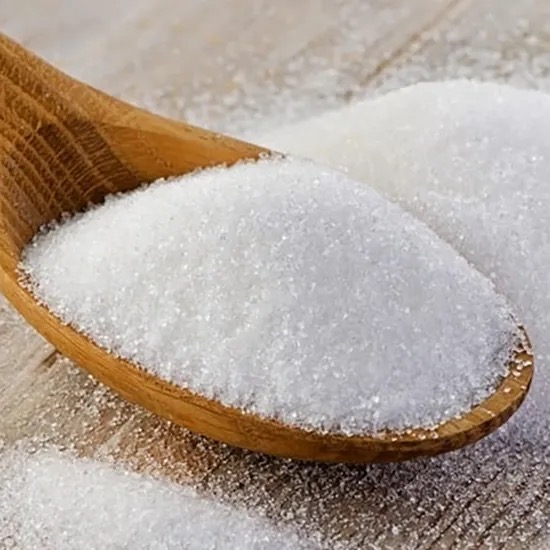
Sucralose is a chemically modified sugar molecule that passes through the body largely unmetabolized, contributing no calories. Because of this, it has been favored in "diet" or "sugar-free" products. However, it is not completely inert biochemically; studies indicate that sucralose and its metabolites may interact with human biological systems in adverse ways, challenging earlier assumptions of safety.
Recent research shows that sucralose or its metabolites can damage DNA strands, resulting in mutations that increase cancer risk. Studies in cell cultures and animal models found that sucralose exposure triggers DNA breaks and activates genes involved in inflammation and tumor growth. There is particular concern about colon cancer, as inflammation caused by sucralose may promote tumor development in the gut. These findings suggest that regular consumption of sucralose could contribute to cancer risk over time.
One of the most significant issues with sucralose is its impact on gut health. Research indicates that sucralose reduces beneficial gut bacteria and alters the composition of the microbiome negatively. It also impairs the tight junctions between intestinal cells, leading to a condition known as leaky gut syndrome, where harmful bacteria and toxins can pass into the bloodstream. This condition has been implicated in chronic inflammation, autoimmune disorders, inflammatory bowel disease, and liver inflammation, posing broad risks to overall health.
Although sucralose contains no calories, it may paradoxically contribute to metabolic dysfunction. Multiple studies document sucralose's association with insulin resistance by lowering insulin sensitivity and disrupting glucose metabolism. A decrease in insulin sensitivity can lead to elevated blood sugar levels, increasing the risk of developing type 2 diabetes. Some studies have shown that sucralose consumption leads to increased serum insulin levels and disrupted insulin secretion patterns, which may be an early sign of metabolic disease development.
Contrary to its intended use as a tool for weight management, sucralose may promote weight gain. Research shows that sucralose consumption can increase appetite and cravings for sweet, high-calorie foods by activating hunger-related brain regions. This stimulation of hunger signals may lead to increased calorie intake and obesity, negating any benefits of calorie reduction from the sweetener itself.
Animal and human studies point to possible immune suppression caused by sucralose consumption. This immunosuppressive effect can reduce the body's ability to fight infections and even hinder the efficacy of cancer immunotherapy. Additionally, sucralose-induced inflammation through gut dysbiosis can exacerbate chronic conditions and potentially support tumor growth.
Emerging evidence from animal studies highlights that sucralose may negatively affect male reproductive health, causing oxidative stress and impairing sperm cell survival. In pregnant mice, sucralose intake disrupted intestinal development and microbiota balance in offspring, alongside low-grade systemic inflammation. Epidemiological data also suggest a possible link between sucralose and early puberty onset in children, raising concerns about its broader developmental impacts.
Long-term studies on animals reveal that sucralose consumption changes gut microbiome composition and induces pro-inflammatory gene expression in the liver. This inflammation can damage liver tissue and may contribute to nonalcoholic fatty liver disease. Additionally, the accumulation of sucralose and its residues may put strain on kidney function, though further research is needed to confirm effects in humans.
Given these risks, it is wise for consumers to limit their sucralose intake, especially in large amounts or over extended periods. Pregnant women, children, and individuals with preexisting metabolic or immune conditions should be particularly cautious. Safer natural alternatives such as stevia, monk fruit, or some sugar alcohols offer sweetness with fewer reported risks but should also be used judiciously.
Sucralose, once considered a safe and effective calorie-free sweetener, is increasingly recognized for its potential adverse health effects. These include DNA damage, disruption of gut microbiota, metabolic and insulin resistance problems, increased appetite and weight gain, immune suppression, reproductive toxicity, and liver inflammation. While more human studies are needed for definitive conclusions, current scientific evidence urges caution and reconsideration of sucralose's widespread use in food and beverage products.
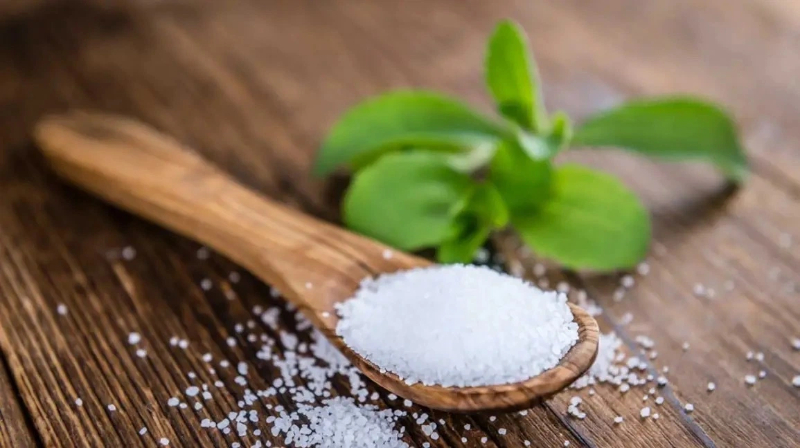
Current research suggests that long-term and high consumption of sucralose may pose health risks including DNA damage, gut health disruption, and metabolic dysfunction. Limiting intake is advisable, especially until more conclusive human data are available.
Laboratory and animal studies indicate sucralose can damage DNA and activate inflammation, potentially increasing cancer risk, particularly colon cancer. However, direct causal evidence in humans is still being explored.
Sucralose reduces beneficial gut bacteria diversity and impairs intestinal barrier function, leading to leaky gut syndrome. This can trigger systemic inflammation and promote chronic disease.
Despite being calorie-free, sucralose may increase appetite and cravings by activating brain hunger signals, potentially resulting in higher food intake and weight gain.
Natural sweeteners like stevia, monk fruit, and certain sugar alcohols are generally considered safer alternatives but should still be consumed in moderation.
[1](https://usrtk.org/sweeteners/sucralose-emerging-science-reveals-health-risks/)
[2](https://mindstreamintegrative.com/blog/rethinking-artificial-sweeteners-the-hidden-risks-of-sucralose-and-artificial-sweeteners/)
[3](https://www.endocrine.org/news-and-advocacy/news-room/endo-annual-meeting/endo-2025-press-releases/chen-press-release)
[4](https://www.dzd-ev.de/en/press/press-releases/press-releases-2025/artificial-sweeteners-stimulate-hunger-signals-in-the-bra)
[5](https://www.cnn.com/2025/03/29/health/artificial-sweetener-sucralose-hunger-signals-wellness)
[6](https://pmc.ncbi.nlm.nih.gov/articles/PMC10971371/)
[7](https://www.cnn.com/2025/09/03/health/artificial-sweetener-cognition-wellness)
[8](https://www.today.com/health/diet-fitness/artificial-sweeteners-cognitive-decline-study-rcna228871)
[9](https://www.fda.gov/food/food-additives-petitions/aspartame-and-other-sweeteners-food)
[10](https://pubmed.ncbi.nlm.nih.gov/39969176/)


