
Views: 222 Author: Sara Publish Time: 2026-01-02 Origin: Site


Content Menu
● Metabolic Effects of Sweeteners
● Weight Management with Sweeteners
● Neurological and Cognitive Effects
● Dental Health Considerations
● Pregnancy, Children, and Special Populations
● Benefits of Blended Sweeteners
● FAQ
>> 1. Are sweeteners safe for daily use?
>> 2. Do sweeteners cause weight gain?
>> 3. How do sweeteners affect gut health?
>> 4. Can sweeteners replace sugar completely?
>> 5. What sweeteners suit diabetics?
Sweeteners have become integral to modern diets, providing sweetness without the caloric load of sugar. These versatile compounds, ranging from artificial to natural varieties, interact with the body in multifaceted ways, influencing metabolism, gut health, and overall well-being.[1]

Sweeteners encompass a broad spectrum, each with unique properties that determine their effects on the body. Artificial sweeteners, such as aspartame, sucralose, and saccharin, deliver intense sweetness—often hundreds of times stronger than sugar—with virtually zero calories. These synthetic options pass through the digestive system largely unmetabolized, making them popular in diet sodas and low-calorie products.[2]
Natural sweeteners, derived from plants like stevia and monk fruit, offer a compelling alternative. Stevia, extracted from the leaves of the Stevia rebaudiana plant, provides zero-calorie sweetness while containing beneficial compounds like antioxidants. Monk fruit extract, or luo han guo, similarly sweetens without calories and may support immune function due to its mogrosides.[3]
Sugar alcohols, or polyols, bridge the gap between sugar and zero-calorie sweeteners. Examples include xylitol, erythritol, and maltitol, which contain 2-3 calories per gram—about half of sugar's load. These sweeteners ferment partially in the gut, providing bulk and texture in products like chewing gum and candies.[4]
Functional fibers, such as inulin and fructooligosaccharides (FOS), add another layer. Often blended with sweeteners, these promote digestive health as prebiotics. Our factory specializes in developing such blends for food, beverage, and healthcare manufacturers, ensuring optimal taste and functionality through OEM/ODM services.[3]
Sweeteners profoundly influence how the body processes energy and regulates blood sugar. Artificial sweeteners activate sweet taste receptors on the tongue, signaling the brain to anticipate calories. However, since no calories follow, this can lead to cephalic phase insulin response, where insulin releases prematurely, potentially contributing to insulin resistance over time.[1][4]
Research indicates that frequent consumption of sweeteners like sucralose may alter glucose homeostasis. A study on artificial sweeteners showed associations with higher fasting glucose levels and reduced insulin sensitivity, mimicking early prediabetes symptoms. This metabolic confusion arises because sweeteners bypass normal caloric feedback loops.[5]
In contrast, natural sweeteners like stevia demonstrate more favorable metabolic profiles. Steviol glycosides in stevia do not raise blood glucose or insulin levels, making them suitable for diabetics. Monk fruit sweeteners similarly exhibit neutral glycemic impacts, supporting stable energy levels.[3]
Blended sweeteners, combining multiple types, mitigate these issues by synergizing benefits. For instance, pairing stevia with erythritol reduces aftertaste while maintaining low glycemic response. Such formulations, common in our tablet production services, help stabilize metabolism effectively.[3]
Long-term sweetener use can recalibrate taste buds, increasing preference for hyper-sweet foods and diminishing enjoyment of natural fruits. This sensory adaptation underscores the need for moderation in sweetener intake.[2]
The gut microbiome, comprising trillions of microbes, plays a pivotal role in digestion, immunity, and even mood. Sweeteners directly interact with this ecosystem, with effects varying by type. Artificial sweeteners like saccharin and sucralose have been shown to induce dysbiosis—imbalances favoring harmful bacteria over beneficial ones.[4][1]
Animal studies reveal that saccharin alters gut flora composition within days, promoting glucose intolerance via microbial changes. Human trials echo this, linking high sweetener intake to reduced microbial diversity, which correlates with inflammation and leaky gut syndrome.[4]
Sugar alcohols present a double-edged sword for gut health. Erythritol absorbs efficiently with minimal fermentation, causing less bloating than maltitol or sorbitol, which draw water into the intestines and ferment, leading to gas and diarrhea in sensitive individuals—a condition known as laxative effect.[6]
Natural sweeteners and functional fibers shine here. Stevia supports beneficial bifidobacteria growth, while inulin and FOS act as prebiotics, feeding lactobacilli and enhancing barrier function. These promote short-chain fatty acid production, which nourishes colon cells and reduces inflammation.[3]
Our expertise in polyols and dietary fibers ensures blended sweeteners foster gut harmony, ideal for healthcare OEM products targeting digestive wellness.[3]
Emerging evidence ties sweetener consumption to cardiovascular health. Observational studies associate artificially sweetened beverages with elevated risks of stroke, heart attack, and hypertension. Mechanisms include sweetener-induced endothelial dysfunction and altered lipid metabolism.[5][1]
Aspartame breakdown products may influence vascular tone, while sucralose correlates with higher LDL cholesterol in some cohorts. Daily intake exceeding acceptable daily intake (ADI) amplifies these risks.[2]
Natural sweeteners offer protective edges. Monk fruit's antioxidants combat oxidative stress, a key CVD driver. Erythritol, despite early concerns, shows no direct link to clotting in recent human data, positioning it as heart-friendlier among polyols.[3]
Blends incorporating fibers lower postprandial glucose spikes, indirectly safeguarding arteries. Regulatory-approved sweeteners remain safe in moderation, but prioritizing natural options minimizes long-term vascular strain.[6]
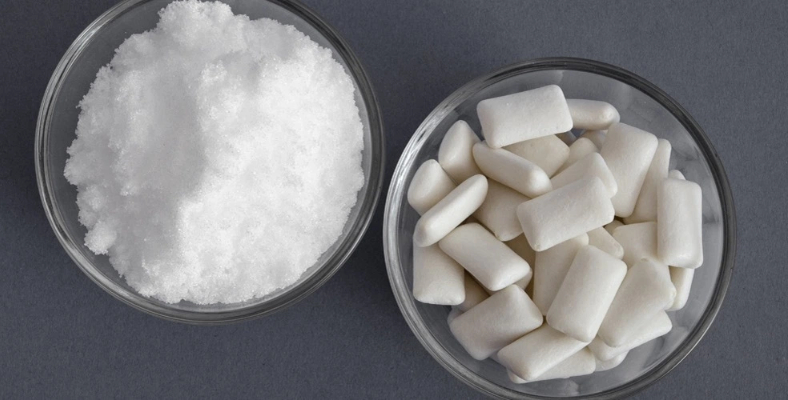
Sweeteners promise calorie reduction for weight control, yet outcomes are nuanced. Meta-analyses reveal that while sweeteners aid short-term weight loss by displacing sugar, long-term use sometimes leads to paradoxical gain. This stems from compensatory overeating, as the sweet taste without satiety cues heightens hunger.[5][4]
Artificial sweeteners may disrupt leptin signaling, the hormone curbing appetite. In contrast, polyols like erythritol provide volume and mild sweetness, enhancing fullness in low-cal recipes.[4]
Natural sweeteners excel in sustainable dieting. Stevia's bitterness-masking blends satisfy cravings without metabolic tricks. Fiber-enriched sweeteners slow digestion, prolonging satiety—perfect for beverages and tablets.[3]
Clinical trials support blended sweeteners for weight maintenance, reducing overall energy intake by 10-20% when replacing sugar. Our factory's OEM services tailor such solutions for manufacturers seeking effective, body-friendly formulations.[3]
Sweeteners engage the brain's mesolimbic reward pathway, akin to sugar. Aspartame's phenylalanine crosses the blood-brain barrier, potentially causing headaches or mood dips in susceptible people.[4]
High-intensity sweeteners amplify dopamine release, risking habituation and sweet dependency. Cognitive studies suggest links to impaired memory in rodents, though human evidence is preliminary.[1]
Stevia and monk fruit avoid these pitfalls, lacking excitotoxic components. They promote calmer neural responses, beneficial for focus and stress management.[3]
Sweeteners revolutionize oral health by starving cariogenic bacteria. Xylitol inhibits Streptococcus mutans adhesion and biofilm formation, slashing decay risk by 30-80% in regular users.[6]
Erythritol and sorbitol similarly resist fermentation, preventing acid attacks on enamel. Artificial sweeteners contribute zero plaque fuel, aiding orthodontic and diabetic oral care.[2]
Rigorous reviews by WHO and FDA affirm no causal cancer link for approved sweeteners at ADI levels. Rat-specific saccharin tumors do not translate to humans due to metabolic differences.[2][4]
Natural sweeteners inherently lower risk profiles, free from synthetic processing concerns.[3]
Moderate sweetener use suits pregnancy, though natural types preferred to avoid fetal metabolic programming. Children benefit from polyols in gums but require taste education to favor wholesomeness.[1][5]
Diabetics thrive on stevia blends for glycemic control.[3]
Our factory's core strength lies in crafting sweetener mixtures—natural sweeteners with polyols and fibers—for superior body compatibility. These excel in tablets, beverages, and healthcare OEM, delivering seamless sugar mimicry without drawbacks.[3]
ADI guidelines from FDA, EFSA, and JECFA ensure safety margins exceeding 100-fold. China excels in natural sweetener innovation, powering global exports.[6][2]
Sweeteners enable healthier indulgence, but their body impacts hinge on type, dose, and synergy. Natural sweeteners, polyols, and fibers—especially in expert blends—offer metabolic stability, gut support, and reduced risks compared to artificial solo use. Partner with specialized factories for OEM solutions optimizing wellness in food and healthcare. Embrace moderation for sweeteners to enhance, not disrupt, vitality.[1][4][3]
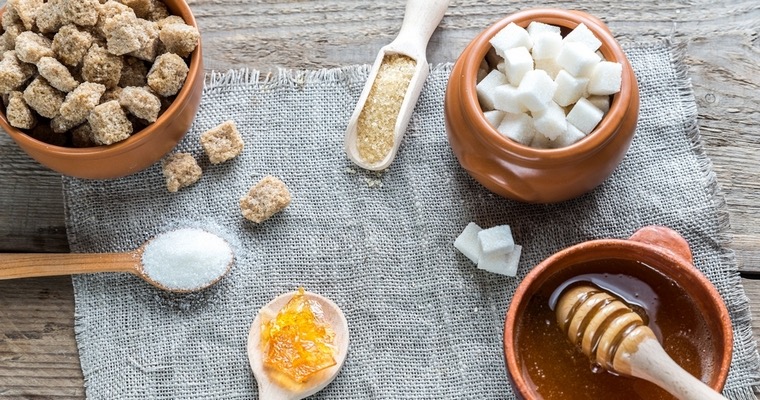
Approved sweeteners, particularly natural varieties like stevia, prove safe within ADI limits, minimizing metabolic and gut disruptions.[2]
Artificial sweeteners may trigger appetite via incomplete satiety signals, but fiber-blended natural sweeteners promote effective control.[5]
Artificial types risk dysbiosis; natural sweeteners and polyols nurture microbiota for better digestion.[1][4]
Yes, blended sweeteners replicate sugar's properties calorie-free, ideal for OEM manufacturing.[3]
Stevia, monk fruit, and erythritol blends maintain blood sugar stability best.[3]
[1](https://pubmed.ncbi.nlm.nih.gov/39449954/)
[2](https://www.mayoclinic.org/healthy-lifestyle/nutrition-and-healthy-eating/in-depth/artificial-sweeteners/art-20046936)
[3](https://pdf.dfcfw.com/pdf/H3_AP202412131641289648_1.pdf)
[4](https://pmc.ncbi.nlm.nih.gov/articles/PMC10822749/)
[5](https://womanshospital.com/blog/entry/the-not-so-sweet-effects-of-artificial-sweeteners-on-the-body)
[6](https://www.nhs.uk/live-well/eat-well/food-types/are-sweeteners-safe/)


