
Views: 222 Author: Sara Publish Time: 2026-01-01 Origin: Site


Content Menu
● Overview of Japan's Pectin Market
● Supply Structure and Raw Materials in Japan
● Top Pectin Manufacturers and Suppliers Serving Japan
>> Cargill (Cargill Japan / UniPECTINE)
>> Sansho Co., Ltd. (GENU Distributor)
>> CP Kelco
>> DuPont (Nutrition & Biosciences)
>> Other Global Pectin Manufacturers and Suppliers Active in Japan
● Role of Distributors and Trading Companies
● Application Trends Driving Pectin Demand in Japan
>> Functional Foods and an Aging Population
>> Clean-Label and Plant-Based Formulations
● Collaboration Opportunities for Overseas Ingredient Factories
● FAQ
>> 1. What are the main applications of pectin in Japan?
>> 2. Who are the leading Pectin Manufacturers and Suppliers serving Japanese customers?
>> 3. Why does Japan rely on imported pectin and raw materials?
>> 4. How do clean-label and plant-based trends influence pectin usage?
Japan is an important and rapidly growing market for pectin-based solutions used in jams, beverages, confectionery, dairy desserts, and nutraceuticals. As demand for clean-label, plant-based, and functional foods continues to rise, Pectin Manufacturers and Suppliers in Japan and abroad are strengthening their presence with specialized grades, technical service, and efficient distribution networks.[1][2]

The pectin market in Japan is projected to expand steadily as food and beverage producers shift toward natural hydrocolloids and fiber-rich ingredients. This growth is driven by health-conscious consumers, an aging population, and manufacturers seeking natural gelling and stabilizing agents instead of synthetic additives.[1]
Major demand comes from fruit preserves, premium beverages, bakery fillings, yogurt, and functional foods where pectin's soluble fiber and texture benefits are key selling points. The market also benefits from the shift toward plant-based and vegan products where Pectin Manufacturers and Suppliers offer non-animal hydrocolloid alternatives that support clear labeling.[1]
Japan depends heavily on imported citrus peels and apple pomace as raw materials for pectin production, and domestic extraction capacity remains limited. Because of this, many Pectin Manufacturers and Suppliers serving Japan are global companies operating through Japanese subsidiaries, distributors, or trading houses that handle import, storage, and quality control.[3][1]
Global suppliers and Japanese partners focus on developing specialty pectin grades, improving quality management systems, and customizing solutions for local textures and taste preferences. These strategies help leading Pectin Manufacturers and Suppliers support premium, clean-label product launches in a highly sophisticated food and beverage market where texture and mouthfeel are crucial.[2][1]
Unitec Foods is one of Japan's most influential ingredient solution providers, with a strong focus on hydrocolloids such as pectin. The company procures pectin from leading global Pectin Manufacturers and Suppliers and develops customized ingredient systems for Japanese food and beverage producers.[4][2][1]
Headquartered in Tokyo, Unitec Foods serves a wide customer base ranging from confectionery and beverage plants to dairy and dessert manufacturers. The company is recognized for its formulation know-how, customer-focused technical support, and ability to combine pectin with other stabilizers or sweeteners to create tailored systems.[2][4]
Unitec Foods plays a central role in bridging overseas Pectin Manufacturers and Suppliers with local Japanese brands that demand reliable quality, consistent performance, and compliance with Japanese regulations. Industry analysis indicates that Unitec Foods represents a significant share of the domestic pectin market by value, reflecting its importance in the Japanese hydrocolloid landscape.[2][1]
Cargill is a global leader in pectin and offers one of the widest ranges of commercially available pectins in the Asia-Pacific region under the UniPECTINE brand. In Japan, Cargill provides high-methoxyl (HM) and low-methoxyl (LM) pectins used in jams, beverages, dairy desserts, and confectionery, with a strong emphasis on high-quality raw material sourcing and process control.[5][3]
The UniPECTINE portfolio includes pectins designed for high-sugar fruit preserves, low-sugar and reduced-calorie jams, acidified milk drinks, and fruit-based beverages. Cargill's application specialists work with Japanese formulators to fine-tune gel strength, setting time, mouthfeel, and stability under different pH, sugar, and temperature conditions.[3][5]
Through its hydrocolloids business in Japan, Cargill supports local customers with formulation guidance, pilot-scale trials, and regulatory documentation, making it a trusted choice among Pectin Manufacturers and Suppliers for innovation-oriented Japanese brands. This combination of broad product range and technical assistance helps domestic manufacturers shorten development cycles and launch differentiated products.[5][3]
ADEKA is a Japan-based specialty chemical and food ingredient company that supplies pectin along with a variety of other hydrocolloids and functional systems. With deep roots in the Japanese market, ADEKA focuses on technical innovation, strict quality management, and stable supply.[1]
The company offers pectin-based solutions for confectionery, bakery fillings, dairy products, and processed foods, often integrating pectin with other gums or emulsifiers to achieve specific textures. Japanese manufacturers value ADEKA's familiarity with local taste and texture expectations, which is essential when working with Pectin Manufacturers and Suppliers for products like fruit jellies, gummy candies, and dairy desserts.[1]
By maintaining robust R&D capabilities and close relationships with domestic customers, ADEKA supports the development of new formulations that respond to consumer trends such as lower sugar, cleaner labels, and indulgent yet balanced textures. This makes the company a key domestic pillar in the wider network of Pectin Manufacturers and Suppliers serving Japan.[1]
Sansho Co., Ltd. is the sole distributor in Japan of GENU pectin products originating from Tate & Lyle, a prominent global pectin producer. Through this exclusive partnership, Sansho supplies GENU pectin, carrageenan, and refined locust bean gum to a wide range of Japanese food manufacturers.[6]
The company focuses on providing high-quality hydrocolloid solutions, backed by strong technical support and application guidance across confectionery, dairy, and beverage sectors. For many local brand owners, working with Sansho and GENU products offers the assurance of global pectin expertise combined with domestic service and logistics capabilities.[6]
This collaboration demonstrates how Pectin Manufacturers and Suppliers frequently rely on specialized distributors to navigate complex local regulations, cultural expectations, and product trends. As a result, Sansho has become an important hub in Japan's pectin supply chain, particularly for manufacturers that value established international brands.[6][1]
CP Kelco is a global hydrocolloid specialist that manufactures pectin and other gums for food and beverage applications worldwide. In the Japanese market, CP Kelco is recognized for advanced pectin grades tailored for jams, fruit preparations, dairy, beverages, and confectionery.[7][1]
Its product range includes rapid-set and slow-set pectins, low-sugar and calcium-reactive pectins, and solutions optimized for specific fruit systems and processing conditions. Japanese formulators appreciate the company's consistent quality and detailed technical documentation, which are essential characteristics when selecting Pectin Manufacturers and Suppliers for premium categories.[7][1]
CP Kelco also emphasizes innovation, focusing on solutions that address sugar reduction, clean-label requirements, and novel textures such as drinkable jellies and layered desserts. These capabilities align well with the evolving demands of Japanese consumers, making CP Kelco a valuable international partner in the local pectin ecosystem.[7][1]
DuPont, through its nutrition and biosciences business, has long been involved in pectin and other hydrocolloids used globally in food and beverage applications. In Japan, DuPont's pectin offerings support confectionery, fruit preparations, and functional beverages that require precise gelling and stabilizing properties.[8][1]
The company's strengths include decades of experience in gelling systems, integrated portfolios combining pectin with proteins or other texturizers, and robust research capabilities. Pectin Manufacturers and Suppliers associated with DuPont often work closely with brand owners to tailor solutions for clarity, flavor release, and texture in premium products.[8][1]
As the Japanese market increasingly values functional and better-for-you products, DuPont's expertise in fiber-containing and reduced-sugar applications positions it as a strategic partner for local formulators. This integration of science-driven innovation with practical application support helps drive the adoption of advanced pectin systems in Japan.[8][1]
Herbstreith & Fox (H&F) is a German pectin specialist that serves the global food industry, including Japanese customers. The company is widely recognized for fruit-based pectins used in high-quality jams, confectionery, and bakery fillings, areas that are highly relevant to Japanese manufacturers focusing on premium positioning.[8]
H&F's portfolio includes pectins designed for clear and glossy gels, high fruit-content spreads, and stable fruit fillings that withstand baking and storage. These characteristics are attractive to Japanese producers that seek refined textures, authentic fruit taste, and visually appealing products.[8]
In cooperation with Japanese distributors and importers, Herbstreith & Fox supports formulation challenges such as low-sugar jam development, fruit layer stability, and consistent gel strength across different fruit varieties. This specialized expertise reinforces its reputation among Pectin Manufacturers and Suppliers serving discerning markets like Japan.[8]
Beyond the major players already mentioned, several other global Pectin Manufacturers and Suppliers contribute to Japan's supply landscape, often through import and distribution arrangements. These include:[1][8]
- DSM and Andre Pectin, providing standardized citrus and apple pectin grades for beverages, confectionery, and nutraceutical products.[8]
- Silvateam, known for pectin and other plant-derived hydrocolloids that support natural and clean-label positioning in foods and beverages.[8]
- Naturex, now part of Givaudan, which offers plant-based ingredients including pectin for health-oriented and natural product lines.[1][8]
These companies usually collaborate with Japanese trading houses and specialized ingredient distributors to ensure local inventory, technical advice, and regulatory support. This networked approach allows Pectin Manufacturers and Suppliers to reach both large multinationals and smaller regional Japanese brands.[1][8]
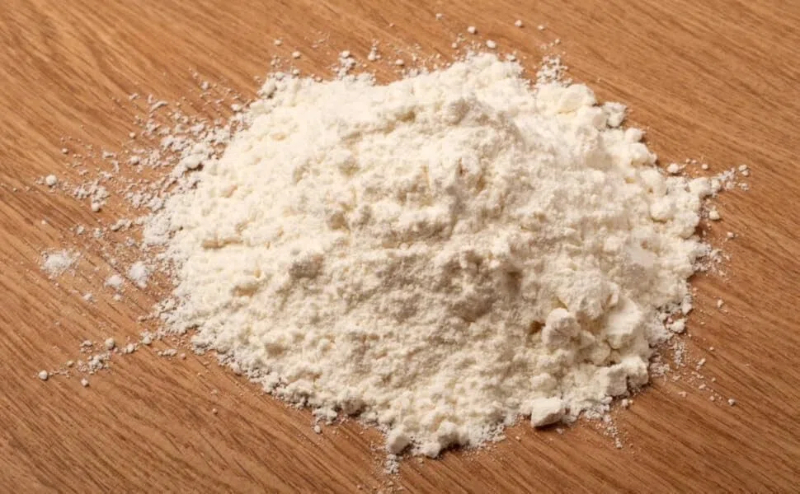
In Japan, distributors and trading companies play a crucial connecting role between overseas Pectin Manufacturers and Suppliers and local food and beverage producers. They manage import logistics, warehousing, documentation, and often provide first-line technical support.[9][1]
Industry shipment data show that companies such as Tokyo Chemical Industry Co., Ltd. (TCI) appear as notable pectin suppliers by shipment volume, serving research, specialty, and niche industrial applications. Other trading firms focus on large-volume imports of pectin powder from multiple Pectin Manufacturers and Suppliers, helping Japanese customers diversify risk and secure stable supply.[9][1]
Because Japan has strict food safety and labeling regulations, local distributors also help align overseas specifications and documentation with Japanese standards. This makes them indispensable partners for global Pectin Manufacturers and Suppliers that wish to grow in the Japanese market without establishing full-scale local production.[2][1]
Japan's aging society has intensified interest in functional foods targeting digestive health, cholesterol management, and overall wellness, areas where pectin's soluble fiber plays an important role. Pectin can help formulate beverages, yogurts, gels, and dietary supplements that deliver both texture and perceived health benefits.[1]
Japanese brands often work with Pectin Manufacturers and Suppliers to create products that combine pectin with other fibers, sweeteners, or active ingredients, balancing palatability with nutritional advantages. This has led to an expansion of fiber-enriched drinks, yogurts, and jelly-type supplements in convenience stores and pharmacies across the country.[1]
Urban consumers in regions like Tokyo and Osaka increasingly prefer products made with natural ingredients and transparent labels. Pectin fits this demand as a plant-derived, label-friendly hydrocolloid that can replace or reduce synthetic stabilizers and animal-derived gelling agents.[1]
Pectin Manufacturers and Suppliers support this trend by offering pectin sourced from citrus peels and apple pomace, often highlighting traceability, sustainability, and non-GMO status. These attributes enable Japanese manufacturers to advertise cleaner labels, vegan-friendly formulations, and alignment with global sustainability expectations.[1]
Demand for pectin is particularly strong in metropolitan areas such as Tokyo, Osaka, and Nagoya, which are forecast to show some of the highest compound annual growth rates in pectin usage. These urban centers host clusters of beverage, dairy, confectionery, and bakery manufacturers that rely heavily on advanced texturizing systems.[1]
Additional regions, including Kyushu, Hokkaido, and Tohoku, also contribute to growth as local producers respond to consumer interest in functional and premium foods. As Pectin Manufacturers and Suppliers expand their presence through local partners, access to specialized pectin grades becomes more widespread even outside the largest cities.[1]
For overseas factories specializing in natural sweeteners, functional polyols, dietary fibers, and tableted ingredients, Japan offers attractive opportunities to collaborate with established Pectin Manufacturers and Suppliers.[4][1]
One approach is to co-develop blended systems that combine pectin with high-intensity sweeteners, sugar alcohols, or fibers to create reduced-sugar jams, beverages, and confectionery with excellent texture. Such systems can address multiple needs at once, including calorie reduction, fiber enrichment, and stable gel formation under Japanese processing conditions.[1]
Another route is to provide OEM and ODM services for finished products like chewable supplements, functional gummies, or tablet candies that rely on pectin as a gelling agent. By working with Pectin Manufacturers and Suppliers and local distributors, overseas factories can adapt formulations to Japanese taste profiles, regulatory requirements, and packaging expectations.[4][2]
Partnerships with key Japanese distributors such as Unitec Foods or Sansho can also accelerate market entry. These companies already cooperate with leading Pectin Manufacturers and Suppliers, so they understand how to position new ingredient systems that combine pectin with sweeteners and fibers for domestic customers.[4][2][1]
Japan's pectin market is expanding as food and beverage manufacturers increasingly prioritize health benefits, clean labels, and sophisticated textures across jams, beverages, confectionery, dairy, and nutraceuticals. Global and domestic Pectin Manufacturers and Suppliers—including Unitec Foods, Cargill, ADEKA, Sansho (GENU), CP Kelco, DuPont, Herbstreith & Fox, Andre Pectin, Silvateam, and Naturex—work alongside distributors and trading companies to deliver consistent, high-quality pectin solutions tailored to Japanese needs.[5][6][2][8][1]
For overseas ingredient factories specializing in natural sweeteners, functional polyols, dietary fibers, and OEM/ODM services, collaborating with Japanese Pectin Manufacturers and Suppliers can unlock strong opportunities in this sophisticated market. By co-developing integrated pectin systems, aligning with clean-label and functional trends, and partnering with experienced local distributors, suppliers can help Japanese brands launch next-generation products that meet both sensory and nutritional expectations.[2][4][1]
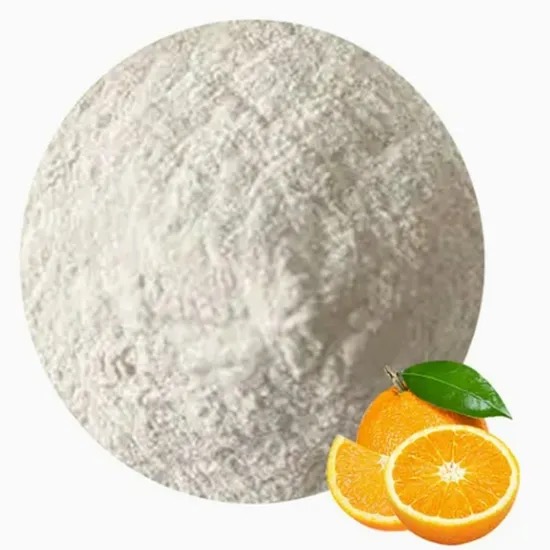
Pectin is widely used in Japan for jams, fruit preparations, beverages, confectionery, dairy desserts, bakery fillings, and functional foods that require gelling, thickening, or stabilization. It also appears in fiber-enriched products targeting digestive health and wellness, reflecting strong consumer interest in functional and better-for-you foods.[3][1]
Major players include Unitec Foods, Cargill (UniPECTINE), ADEKA, Sansho (GENU/Tate & Lyle), CP Kelco, DuPont Nutrition & Biosciences, Herbstreith & Fox, DSM/Andre Pectin, Silvateam, and Naturex. These Pectin Manufacturers and Suppliers typically operate through Japanese subsidiaries or distributors that provide local stock, technical support, and regulatory assistance.[6][2][8][1]
Japan has limited domestic availability of citrus peels and apple pomace suitable for large-scale pectin extraction, so it relies heavily on imported raw materials and finished pectin. Overseas Pectin Manufacturers and Suppliers process these raw materials and ship standardized pectin powders to Japan, where distributors handle local logistics and quality checks.[9][1]
Clean-label and plant-based trends support greater use of pectin because it is a plant-derived, label-friendly hydrocolloid that can replace synthetic stabilizers and animal-derived gelling agents. Pectin Manufacturers and Suppliers respond by highlighting natural origins, sustainability, and compatibility with vegan and vegetarian formulations in their ingredient offerings.[1]
Overseas factories can collaborate by developing combined pectin–sweetener–fiber systems, offering OEM/ODM finished products, and partnering with Japanese distributors that already work with leading Pectin Manufacturers and Suppliers. Aligning formulations with Japanese taste, texture, and labeling expectations is essential, so technical communication and pilot trials with local partners are highly recommended.[4][2][1]
[1](https://www.futuremarketinsights.com/reports/pectin-industry-analysis-in-japan)
[2](https://www.unitecfoods.co.jp/en/business/ingredients/)
[3](https://www.cargill.co.jp/en/hydrocolloids)
[4](https://www.unitecfoods.co.jp/en/business/overseas/)
[5](https://www.cargill.com/food-bev/ap/pectin)
[6](https://sansho.co.jp/en/genu/)
[7](https://discovery.patsnap.com/topic/pectin/)
[8](https://www.linkedin.com/pulse/japan-food-grade-pectin-powder-market-size-application-siy0e)
[9](https://www.volza.com/p/pectin/manufacturers/manufacturers-in-japan/)


