
Views: 222 Author: Sara Publish Time: 2025-12-20 Origin: Site


Content Menu
● Applications in Food and Beverage
● Nutraceutical and Health Benefits
● Regional Facilities and Capacities
● Opportunities for Partnerships
● Quality Standards and Certifications
● FAQ
>> 1. Who are the top pea protein manufacturers and suppliers in Mexico?
>> 2. What fuels growth for pea protein manufacturers and suppliers?
>> 3. What applications fit Mexican pea protein?
>> 4. How do pea protein manufacturers and suppliers ensure quality?
>> 5. What partnerships benefit pea protein manufacturers and suppliers?
Mexico's pea protein market is booming, fueled by rising demand for plant-based proteins in food, beverages, and health products. Pea protein manufacturers and suppliers in Mexico are at the forefront, delivering high-quality isolates, concentrates, and textured proteins to meet global needs. This comprehensive guide details the top pea protein manufacturers and suppliers, their operations, market dynamics, and collaboration opportunities for international partners like Chinese factories specializing in natural sweeteners, functional polyols, and dietary fibers.[1]
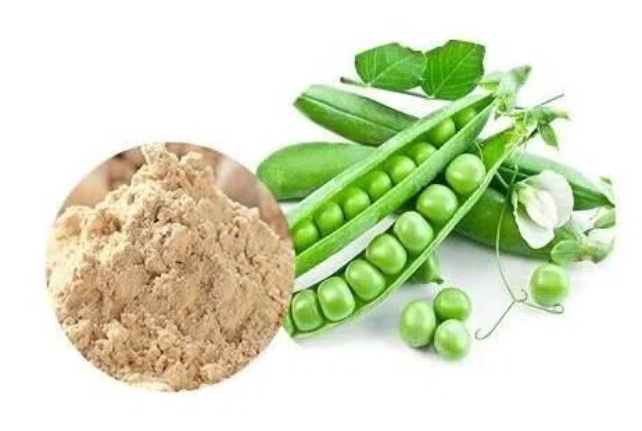
The Mexico pea protein market hit USD 22.64 million in 2024 and is forecasted to surge to USD 92.30 million by 2032, boasting a robust 19.20% compound annual growth rate (CAGR). This explosive growth among pea protein manufacturers and suppliers stems from shifting consumer preferences toward vegan, vegetarian, and flexitarian diets, alongside a push for sustainable, clean-label ingredients. Conventional pea protein holds about 80% of the market share, prized for its affordability and wide availability, while organic variants are gaining traction at faster rates.[1]
Pea protein manufacturers and suppliers benefit from the ingredient's superior nutritional profile, including all nine essential amino acids, high digestibility, and low allergenicity compared to soy or dairy proteins. In Mexico, urbanization and a growing middle class are amplifying demand for protein-fortified snacks, ready-to-drink beverages, and meat substitutes. Import reliance on peas from Canada, the US, and Europe underscores the strategic role of local pea protein manufacturers and suppliers in processing and value addition, reducing logistics costs for regional buyers.[2][1]
Regulatory support, such as Mexico's alignment with USMCA standards, further bolsters pea protein manufacturers and suppliers by facilitating exports to North America. Challenges like raw material price fluctuations—driven by global pea harvests affected by climate variability—test resilience, yet innovations in supply chain management keep the sector agile. Overall, pea protein manufacturers and suppliers position Mexico as a key hub in Latin America's plant protein revolution.[1]
Mexico hosts operations from world-class pea protein manufacturers and suppliers, blending global expertise with local agility. Ingredion leads with its extensive portfolio of pea protein isolates and texturates, optimized for bakery, beverages, and extrusion applications. Their facilities emphasize scalability, producing thousands of tons annually to serve multinational clients.[1]
ADM ranks prominently among pea protein manufacturers and suppliers, leveraging North American pea sourcing for non-GMO, clean-label products. ADM's pea protein concentrates excel in nutritional bars and shakes, offering excellent solubility and neutral flavor. DuPont Nutrition & Biosciences (now part of IFF) provides high-purity isolates exceeding 85% protein content, ideal for premium supplements and functional foods.[3][2][1]
Roquette Frères stands out with its NUTRALYS line, a flagship among pea protein manufacturers and suppliers for its superior emulsification and mild taste profile. Burcon Nutrascience innovates in aquafeed and pet nutrition segments, expanding the utility of pea proteins beyond human consumption. Other notables include Cosucra and The Green Labs, which focus on organic and textured variants, collectively controlling over 70% of Mexico's pea protein supply through strategic R&D and capacity expansions.[4][1]
These pea protein manufacturers and suppliers invest heavily in vertical integration, from pea fractionation to finished formulations, ensuring consistency and traceability. Partnerships with equipment providers enhance efficiency, allowing Mexican pea protein manufacturers and suppliers to compete globally while catering to local flavors like those in traditional Mexican snacks fortified with pea protein.[1]
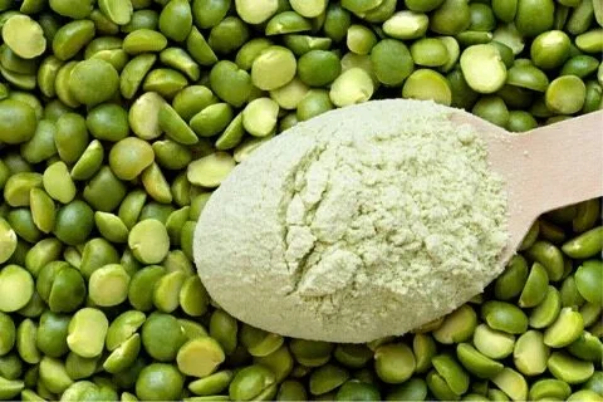
Pea protein manufacturers and suppliers in Mexico employ advanced dry and wet fractionation techniques to extract high-value proteins. The process begins with dehulling and milling yellow peas, followed by aqueous extraction and centrifugation to isolate protein from starch and fiber, yielding concentrates of 80-90% purity. Wet methods produce premium isolates via isoelectric precipitation, refined further through ultrafiltration.[1]
Texturization via high-moisture extrusion is a hallmark of leading pea protein manufacturers and suppliers, creating fibrous structures for plant-based meats that mimic animal textures. Sustainability practices are integral: many pea protein manufacturers and suppliers recycle process water, generate biogas from byproducts, and source peas from regenerative farms to minimize environmental impact. Mexican facilities adhere to HACCP, ISO 22000, and BRC standards, with rigorous microbial and heavy metal testing.[2]
Quality assurance extends to sensory attributes; hydrolysis and enzymatic treatments by pea protein manufacturers and suppliers improve solubility and reduce beany off-notes. Capacity expansions, such as new lines in Monterrey and Querétaro, enable pea protein manufacturers and suppliers to handle surging volumes, with annual outputs projected to double by 2028.[1]
Versatility defines applications from pea protein manufacturers and suppliers, spanning beverages, bakery, dairy alternatives, and snacks. In ready-to-drink protein shakes, pea protein provides creaminess without grittiness, stabilizing emulsions for extended shelf life. Mexican pea protein manufacturers and suppliers fortify traditional beverages like atole or aguas frescas, blending with natural sweeteners for healthier options.[3][1]
Bakery products benefit from pea protein's dough-strengthening properties, enhancing volume and nutrition in tortillas and pan dulce. Meat analogs, a fast-growing category, rely on textured pea proteins from top suppliers for juiciness and bite. In plant-based yogurts and cheeses, pea protein manufacturers and suppliers deliver clean labels and high yields.[1]
Confectionery and nutrition bars incorporate pea protein concentrates for crunch and satiety, often paired with dietary fibers from global partners. The medical nutrition sector uses hypoallergenic pea proteins in tube-feeding formulas, underscoring the ingredient's role in healthcare.[1]
Pea protein manufacturers and suppliers emphasize its Protein Digestibility Corrected Amino Acid Score (PDCAAS) of 0.89-1.0, comparable to whey, with abundant branched-chain amino acids for muscle recovery. High in iron, lysine, and arginine, it supports cardiovascular health and vegan diets lacking complete proteins.[1]
Mexican pea protein manufacturers and suppliers target sports nutrition with flavored isolates, while joint health supplements leverage anti-inflammatory peptides. Low FODMAP content makes it suitable for IBS patients. Clinical studies affirm its efficacy in weight management, promoting fullness via high fiber synergy.[4][1]
Organic certifications from pea protein manufacturers and suppliers appeal to clean-eating consumers, with fortified variants addressing micronutrient gaps in plant-based regimens.[1]
Pea protein manufacturers and suppliers ride waves of organic growth (20% CAGR), texturized proteins for 3D printing, and fermented variants for enhanced bioavailability. AI-driven processes optimize yields, while regenerative agriculture certifications boost appeal.[1]
Clean-label and upcycled peas reduce waste, positioning Mexican pea protein manufacturers and suppliers as sustainability leaders. Expansion into pet food and aquafeed diversifies portfolios.[1]
Northern Mexico's Monterrey and Guadalajara host mega-plants from Ingredion and ADM, processing 50,000+ tons yearly. Querétaro's Roquette facility specializes in isolates, while southern hubs like Sotexpro focus on aquafeed.[1]
Pea protein manufacturers and suppliers grapple with pea price volatility, taste masking, and competition from whey. Regulatory novel food approvals lag, but innovations mitigate risks.[1]
Chinese factories excel in blending pea proteins with stevia, erythritol, and fibers for OEM low-sugar products. USMCA eases exports, fostering co-development.[1]
FSSC 22000, Non-GMO, Halal, and Kosher badges define top pea protein manufacturers and suppliers, with blockchain traceability.[2]
Pea protein manufacturers and suppliers aim for 25% market share by 2030, innovating in precision nutrition.[1]
Mexico's pea protein manufacturers and suppliers, from Ingredion to Roquette, drive a dynamic market with sustainable, versatile solutions. Collaborations with natural sweetener experts unlock innovative health products, promising shared prosperity in plant-based futures.[1]
Ingredion, ADM, IFF (DuPont), Roquette, and Burcon lead with scalable, innovative productions.[1]
Vegan trends, clean labels, and 19.2% CAGR propel the sector to USD 92M by 2032.[1]
Beverages, meats, bakery, nutraceuticals—versatile and hypoallergenic.[3][1]
Through FSSC 22000, non-GMO verification, and full traceability.[2]
Blends with Chinese sweeteners for OEM zero-sugar innovations.[1]
[1](https://www.stellarmr.com/report/Mexico-Pea-Protein-Market/1597)
[2](https://www.adm.com/en-us/products-services/human-nutrition/products/plant-proteins/pea-protein/)
[3](https://www.iff.com/food-beverage/food-ingredients/protein-solutions/)
[4](https://www.roquette.com/animal-nutrition-pea-protein-ii)


