
Views: 222 Author: Sara Publish Time: 2025-09-15 Origin: Site


Content Menu
● Understanding Crystalline Fructose
>> Key Benefits
● Leading Fructose Crystalline Manufacturers and Suppliers in France
● Market Trends and Industry Dynamics
● Detailed Manufacturing Process of Crystalline Fructose
● Supply Chain Advantages in France
● Applications of Crystalline Fructose
● Why Choose French Fructose Crystalline Manufacturers and Suppliers?
● FAQ
>> 1. What is crystalline fructose and how does it compare to regular sugar?
>> 2. Who are the top manufacturers of crystalline fructose in France?
>> 3. How is crystalline fructose produced in French factories?
>> 4. What are the main applications of crystalline fructose from French suppliers?
>> 5. Why are French crystalline fructose suppliers preferred for OEM/ODM services?
In today's health-conscious world, crystalline fructose is emerging as a preferred natural sweetener with vast applications in the food, beverage, and healthcare industries. France, a key player in Europe's food ingredient sector, hosts some of the top fructose crystalline manufacturers and suppliers serving both local and international markets. This article explores the leading manufacturers and suppliers of crystalline fructose in France, their production technologies, product offerings, industry applications, market trends, and supply chain advantages. The focus remains on the keyword "Fructose Crystalline Manufacturers and Suppliers" while maintaining a smooth and engaging narrative flow.

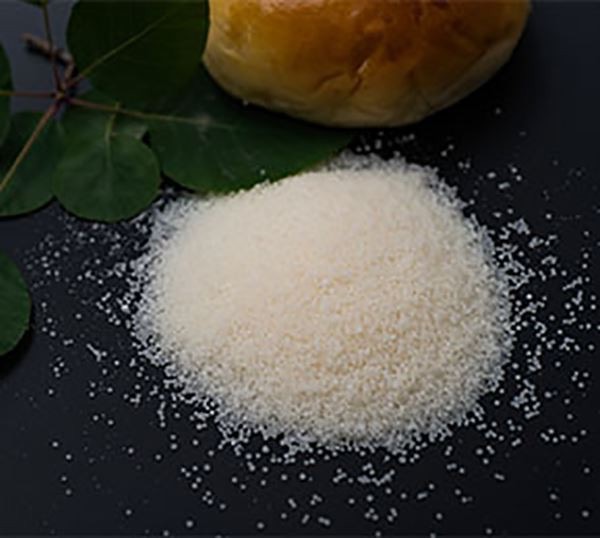
Crystalline fructose is a high-purity sugar derived mainly from plant starches such as corn or sugar beet. It is approximately 20% to 30% sweeter than standard sucrose (table sugar) and possesses a low glycemic index, making it suitable for health-conscious and diabetic-friendly products. Unlike fructose syrups, crystalline fructose offers easier handling and formulation benefits in powdered form, enabling its use in beverages, confectionery, dairy products, and pharmaceutical dosage forms.
- Superior sweetness intensity requiring less quantity
- Low glycemic impact favorable for health formulations
- Stable, clean sweetness with no off-flavors
- Easy to blend due to crystalline powdered form
- Supports OEM/ODM customization in various products
Roquette Frères stands as a pioneering force in France's sweetener industry. The company offers a vast array of natural sweeteners, including crystalline fructose, by employing environmentally sustainable and innovative enzymatic hydrolysis and crystallization technologies. Their food-grade crystalline fructose products comply with rigorous European food safety standards and cater to multinational food and pharmaceutical companies. Roquette also supports custom blending, tablet production, and OEM/ODM services, making it a preferred partner.
Though headquartered in the UK, Tate & Lyle's European footprint, including France, is significant in fructose crystalline supply. Their products emphasize high purity and quality control, essential for food and beverage applications focused on clean labeling and sugar reduction. Tate & Lyle's integration of advanced crystallization and drying techniques ensures consistent product granularity and sweetness, fitting diverse manufacturing needs.
Ingredion has established itself as a reliable supplier offering a functional portfolio that covers crystalline fructose alongside specialty starches and sweeteners tailored for beverages, bakery, and healthcare sectors. With a strong emphasis on innovation and regulatory compliance, Ingredion delivers fructose crystalline ingredients suitable for international markets with private label and custom formulation support.
- Cargill France and Südzucker subsidiaries also serve as influential players in supplying crystalline fructose with a focus on natural and sustainable sourcing.
- Various smaller manufacturers emphasize custom blends mixing fructose crystalline with polyols and dietary fibers, enhancing sweetness profiles and nutritional benefits.
The French and broader European markets are increasingly keen on adopting fructose crystalline due to several factors: rising consumer awareness of health and wellness, demand for low-calorie sweetened products, and regulations signaling reduced added sugar in foods. Many manufacturers innovate by blending fructose with erythritol or other polyols to maintain sweetness while lowering caloric intake. The market also experiences growth in pharmaceutical applications, where crystalline fructose masks bitter tastes and improves product palatability.
The strong push for sustainability drives French manufacturers to ensure traceable sourcing, minimal waste, and energy-efficient production technologies. These efforts align with consumer preferences for eco-conscious products.
Crystalline fructose production is a technically sophisticated process involving several controlled stages to ensure high purity and crystal quality.
1. Raw Material Hydrolysis: Initially, starch from corn or sugar beet is enzymatically broken down into glucose units. This starch slurry undergoes hydrolysis using α-amylase and other enzymes to produce glucose-rich syrups.
2. Isomerization: A portion of the glucose is converted enzymatically into fructose using glucose isomerase, resulting in a high fructose syrup containing typically 55% fructose.
3. Concentration: The fructose syrup is concentrated under vacuum to achieve high solids content (usually above 90-95% fructose concentration).
4. Seeding and Crystallization: The syrup is seeded with fine fructose crystals (seed crystals about 150 microns or smaller) at elevated temperatures (around 130°F to 140°F or 54°C to 60°C). Controlled temperature and humidity conditions (generally 50°F to 80°F and 35% to 45% relative humidity) are maintained to facilitate crystal growth over 6 to 72 hours.
5. Crystal Harvesting: Once crystallization is complete, the solid fructose crystals are separated from the remaining liquid by centrifugation or filtration.
6. Drying and Milling: The wet crystals are carefully dried at temperatures below 150°F (65°C) to retain quality. Afterwards, they are milled and classified to attain the desired particle size for commercial use.
The entire crystallization process demands tightly controlled parameters to produce free-flowing, non-tacky crystalline fructose suitable for blending and packaging. Some manufacturers recycle part of the recovered crystals as seed crystals for further batches, enhancing process efficiency.
This manufacturing complexity ensures the final product meets the stringent standards of food safety, functional performance, and stability demanded by French and European markets.
France's central location within Europe combines with advanced logistics infrastructure to facilitate efficient import of raw materials and export of fructose crystalline products. Ports such as Le Havre and Marseille serve as principal gateways for shipment. The supply chain emphasizes traceability, temperature control, and sustainability, using eco-friendly packaging and optimized transportation routes. This logistical reliability ensures product freshness, compliance with international standards, and timely delivery for clients relying on just-in-time manufacturing.
Moreover, French fructose crystalline suppliers often provide integrated services including product development, private labeling, custom formulation, and full OEM/ODM production support. This one-stop approach benefits food, beverage, and pharmaceutical manufacturers seeking to innovate quickly without compromising quality.
French crystalline fructose finds wide application across industries:
- Food & Beverage: Used extensively as a sweetener in low-calorie sodas, flavored waters, yogurts, bakery items, and confectionery products. Its superior sweetness and stability enhance consumer experience.
- Pharmaceuticals: Masks bitter tastes in oral medications, supports chewable tablet formulation, and enhances acceptability of syrups.
- Nutraceuticals and Functional Foods: Incorporated into dietary fiber blends and herbal supplements targeting wellness, leveraging its natural origin and metabolic benefits.
- Healthcare Nutrition: Used in specialized medical nutrition products for diabetics and metabolic disorders where controlled sugar intake is vital.
French manufacturers' ability to tailor fructose crystalline blends combined with fiber or polyols also drives innovation in product development.
- Strict regulatory compliance: All production conforms to EU safety and quality standards.
- Advanced technology: Implementation of precise enzymatic and crystallization processes ensures product consistency.
- Sustainability commitment: Emphasis on eco-friendly raw materials sourcing, energy-saving manufacturing, and waste reduction.
- Comprehensive service: OEM/ODM and private labeling support shorten time-to-market and enable customized sweetener solutions.
- Strategic location: Efficient distribution across European and global markets with excellent logistics infrastructure.
France stands out as a hub for high-quality fructose crystalline manufacturing and supply, driven by innovation, sustainability, and stringent food safety standards. Leaders like Roquette Frères, Tate & Lyle, and Ingredion continue to push the boundaries of sweetener technology, providing superior crystalline fructose for diverse applications in food, beverages, pharmaceuticals, and healthcare. The combination of advanced production processes, integrated supply chains, and customer-centric OEM/ODM services makes French manufacturers and suppliers trusted partners for global brands aiming to meet the growing demand for healthier, natural sweeteners with excellent functional properties.

Crystalline fructose is a highly pure form of fructose sugar in crystalline powder form, about 20-30% sweeter than regular sucrose (table sugar). It has a lower glycemic index and provides a clean, stable sweetness ideal for health-oriented and diabetic products.
Leading manufacturers include Roquette Frères, Tate & Lyle's European operations, and Ingredion France. These companies focus on high-quality, food-grade crystalline fructose with strict regulatory compliance and advanced production technology.
The production involves enzymatic hydrolysis of starch to glucose, isomerization of glucose to fructose, syrup concentration, seeding with fructose crystals, controlled crystallization, crystal harvesting, drying, and milling to produce free-flowing fructose crystals.
Applications span food and beverages (sodas, yogurts, bakery), pharmaceuticals (taste-masking in tablets and syrups), nutraceuticals, and healthcare nutrition products requiring low glycemic sweeteners.
French suppliers combine technological expertise, sustainable practices, strict quality controls, and integrated service capabilities, including private labeling and custom blends, enabling efficient and high-quality OEM/ODM production.
[1](https://patents.google.com/patent/US4199373A/en)
[2](https://www.bellchem.com/news/how-crystalline-fructose-is-made)
[3](https://www.cerealsgrains.org/publications/plexus/cfwplexus/Documents/2013/Sweeteners-NutritiveCh3.pdf)
[4](https://www.sciencedirect.com/science/article/pii/S0002916523198078)
[5](https://www.atamanchemicals.com/crystalline-fructose_u26527/)
[6](https://www.tandfonline.com/doi/abs/10.1080/00986445.2021.1922895)
[7](https://www.sciencedirect.com/science/article/abs/pii/S0002916523198078)


