
Views: 222 Author: Sara Publish Time: 2025-11-03 Origin: Site


Content Menu
● Understanding Monk Fruit and Its Sweetening Mechanism
● Downsides to Consider When Using Monk Fruit Sweeteners
● Practical Formulation and Production Considerations
>> Regulatory and Labeling Practices
● Practical Comparisons with Other Natural Sweeteners
● Quality, Safety, and Supplier Collaboration
● Your Manufacturing Advantage for Overseas Clients
● Practical Recommendations for Clients and Partners
● FAQ
>> 1. What are the main downsides of Monk Fruit sweeteners?
>> 2. How does blending Monk Fruit with polyols affect taste and cost?
>> 3. In which product categories is Monk Fruit most effective?
>> 4. What labeling considerations apply to Monk Fruit products?
>> 5. What steps should manufacturers take to ensure quality and safety?
Monk Fruit, also known as Luo Han Guo, has gained prominence as a natural alternative to sugar in global food, beverage, and healthcare product development. For contract manufacturers and overseas clients seeking blended-sweetener systems, Monk Fruit brings a powerful combination of high sweetness potency and near-zero calories. Yet, as with any ingredient, it carries potential downsides that require careful consideration in product development, scale-up, and regulatory compliance. This article delves into the practical downsides of Monk Fruit sweeteners, their impact on formulation and manufacturing, and how a China-based factory specializing in natural sweeteners, functional polyols, and dietary fibers can help create robust, scalable solutions for international partners. The discussion also explores how blending Monk Fruit with polyols and dietary fibers can improve flavor, mouthfeel, and overall product performance, while maintaining clean-label integrity and regulatory compliance.

Monk Fruit contains mogrosides, a family of intensely sweet compounds derived from the fruit's juice. Mogroside V is typically the most potent contributor to sweetness, and mogrosides can be hundreds to thousands of times sweeter than sucrose on a weight basis. Commercial Monk Fruit ingredients are rarely used in isolation; they are usually concentrated and blended with carriers or other sweeteners to achieve a sugar-like sensory profile. The result is a zero- or near-zero-calorie sweetener with versatile applications in beverages, bakery, confectionery, dairy, and dietary supplements. This position aligns with current industry trends toward natural ingredients and reduced caloric load while offering formulators a high degree of control over sweetness intensity and sweetness onset.[2][5]
- Price and supply stability: Monk Fruit production is regionally concentrated (notably in parts of Asia), and raw material costs can be volatile due to weather, crop yields, and harvest timing. This can translate into higher ingredient costs and potential supply interruptions for large-scale beverage or bakery formulations. Companies frequently mitigate this risk by using Monk Fruit in blends with other sweeteners to balance cost and ensure steady supply.[1][4]
- Aftertaste and flavor nuances: Some users report a distinct aftertaste or off-notes associated with mogrosides, especially at higher usage levels or in certain flavor matrices. Blending Monk Fruit with polyols such as erythritol or with natural flavors can help tame aftertaste and produce a smoother sweetness profile. This is particularly relevant for beverages, dairy products, and confectionery where mouthfeel and aroma are critical to consumer acceptance.[7][2]
- Carriers and formulation impact: Market-available Monk Fruit ingredients often include carriers (dextrose, maltodextrin, or erythritol) to improve handling, mouthfeel, and sweetness onset. While carriers enhance usability, they alter caloric content, glycemic response, and labeling. For OEM/ODM services, selecting carriers strategically supports clean-label claims while meeting regulatory requirements in target markets.[10][2]
- Regulatory labeling nuances: Most markets recognize Monk Fruit as a natural sweetener with favorable safety profiles, but labeling requirements vary. Some regions require disclosure of mogroside content or the presence of any added carriers or co-sweeteners. Ensuring accurate, transparent labeling supports regulatory compliance and consumer trust, especially for health-focused brands and dietary supplement lines.[11][7]
- Sensory integration with other ingredients: The presence of acidity, minerals, and other flavor compounds can influence how Monk Fruit sweetness is perceived. This necessitates sensory testing and iterative formulation work to preserve a consistent sensory experience across product lots, which some clients rely on specialized blended-sweetener formulations and pilot runs.[12][10]
- Monoflavored blends: Monk Fruit extracts can be blended with polyols (e.g., erythritol, xylitol) to achieve a taste and texture closer to sugar while maintaining low calories. Blends can be tailored to achieve specific sweetness targets, mouthfeel, and functional properties such as browning in baked goods or mouth-cofeel in dairy products. Your factory's strengths in natural sweeteners, functional polyols, and blended-sweetener development fit naturally into these strategies, enabling rapid prototyping and scalable production for overseas manufacturers.[4][1]
- Multi-ingredient systems: In some products, combining Monk Fruit with other natural sweeteners (e.g., Stevia or Luo Han Guo blends) can broaden the flavor spectrum and reduce potential aftertaste. However, regulatory and labeling considerations should be evaluated for each combination to preserve clean-label integrity.[1][7]
- Temperature stability: Monk Fruit sweeteners generally exhibit good heat stability, enabling usage in baking and hot beverages without substantial loss of sweetness. Process parameters such as mixing temperature, order of addition, and water activity can influence sensory outcomes and shelf life. Careful process optimization helps maintain sweetness intensity and texture across production batches.[2][4]
- Shelf life and storage: Carrier materials and moisture content influence shelf stability and crystallization tendencies in some blends. Optimizing packaging, moisture control, and storage conditions can minimize flavor drift and texture changes, preserving consumer acceptance during shelf life.[5][2]
- Clean-label considerations: Many markets prize minimal processing and natural ingredients. When designing Monk Fruit-based blends, it is advantageous to select carriers and co-sweeteners with clear, consumer-friendly labeling, and to document Mogroside content and supplier traceability for quality assurance. Your OEM/ODM capabilities can showcase end-to-end supply chain transparency to clients in overseas markets.[10][11]
- Regional regulatory nuance: Some regions require explicit disclosure of the presence of sweeteners like erythritol or other carriers, while others emphasize the natural origin of mogrosides. Regulatory teams should map requirements for each target market and update formulations accordingly to avoid labeling gaps or compliance issues.[7][11]

- Monk Fruit vs Stevia: Both offer zero- or very low-calorie sweetness, but Monk Fruit often presents fewer bitter aftertaste issues in certain formulations and can be perceived as more "natural" in some consumer segments. Stevia, by contrast, can exhibit a bitter or licorice-like aftertaste in some product matrices. The choice often depends on the flavor target, sweetness intensity, regulatory status, and consumer preferences in target markets.[4][7]
- Monk Fruit vs SAP or other sugar substitutes: For manufacturers seeking clean-label solutions, Monk Fruit can be combined with polyols to balance sweetness and mouthfeel, while other natural substitutes may require broader reformulation. Blending strategies should consider caloric targets, GI impact, and labeling claims to align with brand positioning and regulatory frameworks.[2][7]
- Source traceability and supplier audits: Maintaining robust supplier verification for mogroside content and carrier materials underpins product safety and consistency—critical for international clients with stringent quality expectations. Your blending and tablet production capabilities can be showcased as a value-added service in ensuring dose accuracy and reproducibility across lots.[11][7]
- Documentation and certifications: Providing documentation such as GRAS status summaries, allergen statements, and non-GMO certifications (where applicable) supports market access and customer confidence, especially for dietary supplements and functional foods.[7][11]
- Blended-sweetener development: Your core strength lies in blending natural sweeteners with functional polyols to achieve desired sweetness, mouthfeel, and caloric targets for beverages, dairy, bakery, and dietary supplements. Monk Fruit becomes a central component in these blends, enabling clients to offer clean-label, low-calorie products without sacrificing sensory appeal.[12][10]
- Tablet production and OEM/ODM services: The ability to formulate precise Monk Fruit blends into tablet formats or other dosage forms enables health-focused products and nutraceuticals to reach overseas markets with consistent potency and user-friendly dosing. Your facility's experience in scale-up, quality control, and regulatory alignment supports sustained client relationships.[12]
- Market-ready labeling and regulatory support: Emphasize transparent ingredient disclosure, mogroside content where applicable, and the presence of any carriers to meet global labeling expectations. This aligns with consumer demand for clarity and health-conscious branding.[11][7]
- Optimize taste with targeted blends: Work with your technical teams to determine the desired sweetness intensity and calculate the mogroside content required for the final product. Select carriers and co-sweeteners that optimize taste, mouthfeel, and cost while preserving clean-label claims. Your blended-sweetener development capability is well-suited to delivering customized solutions for overseas manufacturers.[1][10]
- Prioritize sensory and shelf-life testing: Implement rigorous sensory panels and stability studies to ensure Monk Fruit-containing products maintain their sensory profile and functional performance across shelf life. Align testing protocols with regulatory expectations in target markets to minimize post-launch issues.[4][2]
- Ensure robust quality controls: Establish supplier qualification programs, lot traceability, and in-process testing to ensure uniform sweetness potency and product safety. Your manufacturing capabilities allow for tight control over dose accuracy in tablet forms and consistent quality across batches.[7][11]
Monk Fruit presents a compelling natural alternative to sugar, delivering zero- to near-zero-calorie sweetness with robust consumer interest in clean-label products. Yet, practical downsides—cost sensitivity, potential aftertaste, carrier effects, and regulatory labeling variations—necessitate deliberate formulation and process strategies. For your factory, with expertise in natural sweeteners, functional polyols, and dietary fibers, Monk Fruit can be integrated into scalable, customized solutions for overseas manufacturers through blended-sweetener systems, precise tablet formulations, and strong OEM/ODM capabilities. By carefully selecting carriers, balancing sweetness with polyols, ensuring regulatory compliance, and maintaining rigorous quality and traceability, it is possible to deliver high-quality, consumer-friendly Monk Fruit-containing products that meet global demand while optimizing cost and sensory performance.
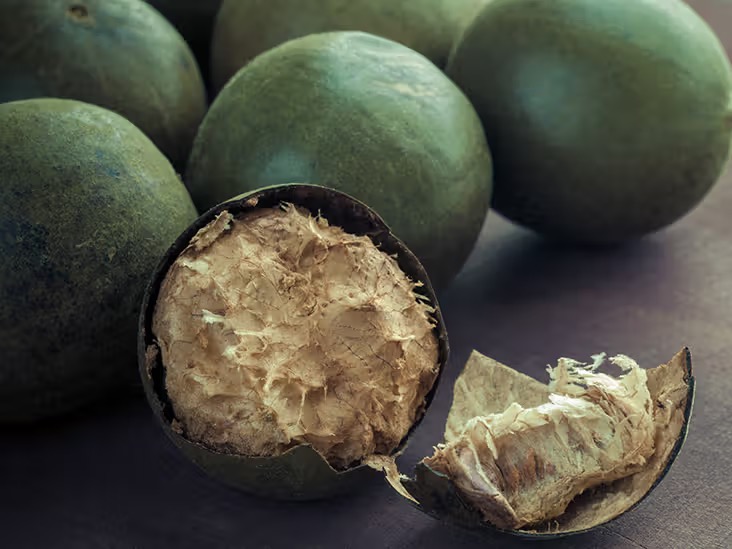
- Monk Fruit can be expensive to source and process, may exhibit aftertaste in certain formulations, and often requires blending with carriers or other sweeteners to optimize taste and cost.[2][1]
- Blending with sugar alcohols like erythritol can smooth sweetness and reduce aftertaste while maintaining low calories; however, total carbohydrate content and pricing can be affected by carrier choices and blend ratios.[1][2]
- Beverages, dairy, baked goods, and dietary supplements commonly benefit from Monk Fruit blends due to high sweetness potency and low calories, especially when paired with compatible carriers.[2][7]
- Labels should disclose ingredients, carriers, mogroside content where applicable, and any added sweeteners, in compliance with target market regulations. Transparent labeling supports consumer trust.[11][7]
- Implement supplier audits, maintain traceability for mogroside sources and carriers, conduct sensory and stability testing, and align with regulatory guidance to ensure consistent quality.[7][11]
[1](https://www.tastingtable.com/944990/everything-you-need-to-know-about-monk-fruit-sweetener/)
[2](https://www.foodandnutritionjournal.org/volume13number1/the-battle-of-natural-sweeteners-a-comprehensive-guide-to-monk-fruit-and-stevia/)
[3](https://www.whatsugar.com/monk-fruit)
[4](https://www.healthline.com/nutrition/monk-fruit-sweetener)
[5](https://www.lakanto.com/blogs/recipes/how-to-use-monkfruit-sweeteners)
[6](https://transparencyfoods.com/blogs/news/types-of-monk-fruit-sweeteners-explained)
[7](https://www.webmd.com/diet/what-to-know-about-monk-fruit-sugar)
[8](https://www.plantsbypeople.com/blogs/plant-based-nutrition-guide/monk-fruit-sweetener-guide)
[9](https://www.cleanprogram.com/blogs/health-lifestyle/the-magic-of-monk-fruit)
[10](https://www.medicalnewstoday.com/articles/322769)
[11](https://health.clevelandclinic.org/why-you-should-use-monk-fruit-sweetener)
[12](https://www.healthline.com/health/food-nutrition/monk-fruit-health-benefits)


