


Content Menu
● How Sucralose Works in the Body
● Sucralose Safety and Regulatory Approval
● Potential Health Concerns with Sucralose
● Sucralose vs. Sugar: Key Comparisons
● Benefits of Sucralose in Food and Beverages
● Sucralose in Healthcare and OEM/ODM Applications
● Long-Term Studies on Sucralose Consumption
● Practical Tips for Using Sucralose Safely
● Sucralose in Emerging Trends and Future Outlook
● FAQ
>> 1. Is Sucralose safe for daily use?
>> 2. Does Sucralose cause cancer?
>> 3. Can Sucralose affect gut health?
>> 4. Is Sucralose better than sugar for diabetics?
>> 5. How to incorporate Sucralose in products?
Sucralose stands as a zero-calorie artificial sweetener derived from sugar, widely used in foods, beverages, and healthcare products to replace sugar without adding calories. Sucralose offers about 600 times the sweetness of sucrose, making it ideal for low-sugar diets, diabetic-friendly formulations, and OEM/ODM sweetener blends provided by specialized factories to international manufacturers. While Sucralose has earned approvals from global regulators like the FDA, questions persist about whether Sucralose truly harms health, with debates centering on gut effects, metabolism, and long-term safety of Sucralose consumption. Sucralose's popularity stems from its versatility, allowing manufacturers to create appealing products that meet consumer demands for reduced sugar intake while maintaining taste. In the food and beverage industry, Sucralose enables innovative formulations, from diet sodas to sugar-free candies, and in healthcare, Sucralose enhances the palatability of supplements and medications. Chinese factories specializing in natural sweeteners, functional polyols, and dietary fibers excel in developing custom Sucralose blends, tablet production, and full OEM/ODM services for overseas clients seeking high-quality, compliant solutions.
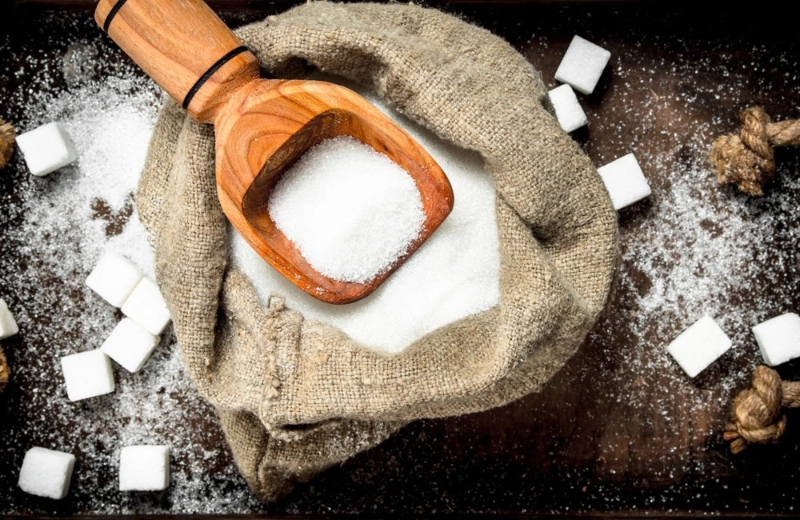
Sucralose emerges from a simple modification of sucrose, where three hydroxyl groups get replaced by chlorine atoms, rendering Sucralose indigestible and calorie-free. This process creates a stable Sucralose molecule that passes through the body largely unchanged, unlike sugar that fuels energy spikes. Factories specializing in natural sweeteners and functional polyols often incorporate Sucralose into blended sweetener developments for overseas clients in food, beverage, and healthcare sectors.
Sucralose gained FDA approval in 1998 for 15 food categories, expanding to general-purpose use by 1999 after over 100 safety studies on Sucralose. Today, Sucralose appears in thousands of products, from diet sodas to baked goods, thanks to its heat stability—unlike some sweeteners, Sucralose withstands cooking without breaking down. For manufacturers seeking OEM/ODM services, Sucralose enables tablet production and custom mixes that mimic sugar's taste profile while slashing calories. Sucralose's chemical stability also makes it suitable for a wide range of processing conditions, from high-heat baking to acidic beverages, ensuring consistent performance in final products. Developers frequently pair Sucralose with other ingredients like dietary fibers to create synergistic blends that improve texture and health benefits. In tablet manufacturing, Sucralose provides the sweetness needed for chewable vitamins and supplements without compromising shelf life or dissolution rates.
The discovery of Sucralose dates back to 1976 when researchers at Queen Elizabeth College in London accidentally created it while trying to make a new pesticide—ironically leading to one of the most successful food additives ever. Since then, Sucralose has become a staple in global markets, with production scaled up by factories offering precise control over purity and particle size for optimal blending. Sucralose's non-hygroscopic nature prevents clumping in dry mixes, a key advantage for OEM powder formulations.
When ingested, about 85% of Sucralose exits via feces, with the rest absorbed and excreted in urine without metabolizing into energy. This non-nutritive nature positions Sucralose as a tool for weight management, as Sucralose avoids the insulin surges tied to sugar. In blended formulations, Sucralose pairs seamlessly with dietary fibers and polyols, enhancing taste in healthcare tablets produced via OEM services.
Sucralose binds to sweet taste receptors on the tongue, tricking the brain into sensing sweetness without calories, which supports reduced sugar intake in beverages and confections. Studies affirm Sucralose does not raise blood glucose or insulin in healthy adults, making Sucralose suitable for diabetes management when used moderately. Chinese factories excel in developing Sucralose-based OEM blends, ensuring precise dosing for global manufacturers. The rapid excretion of Sucralose minimizes accumulation, unlike fat-soluble compounds, contributing to its favorable safety profile. Sucralose's lack of fermentation by oral bacteria also promotes dental health, preventing cavities in sugar-free gums and mints.
However, emerging research on Sucralose suggests potential interactions with gut bacteria, where Sucralose may alter microbial balance even at low doses. While regulators deem Sucralose safe within ADI limits of 5 mg/kg body weight daily, ongoing Sucralose studies probe these dynamics. In the digestive tract, Sucralose passes through the small intestine unchanged, reaching the colon where some microbes might interact with it, potentially influencing short-chain fatty acid production essential for gut lining integrity. Manufacturers blending Sucralose often recommend combining it with prebiotic fibers to support microbiome health in final products.
Global bodies like FDA, EFSA, and JECFA have rigorously vetted Sucralose, concluding Sucralose poses no toxicity or carcinogenicity risks at approved levels. Over 110 studies, including long-term animal trials, back Sucralose safety, with no evidence of genotoxicity or reproductive harm from Sucralose. This consensus enables widespread Sucralose use in OEM/ODM products for food and pharma.
Sucralose underwent the most extensive testing among sweeteners, spanning human, animal, and in vitro models, affirming Sucralose stability in extreme conditions like baking. No regulatory body has revoked Sucralose approval despite decades of market presence. For international clients, factories provide Sucralose-compliant blends, tablet pressing, and full ODM support under strict GMP standards. The Acceptable Daily Intake for Sucralose equates to about 6 cans of diet soda for a 150-pound person, far exceeding typical consumption. Sucralose's approval in over 100 countries reflects harmonized global standards, facilitating seamless export of Sucralose-containing products.
Post-market surveillance continues to monitor Sucralose, with no signals of widespread harm emerging. Factories leverage this data to assure clients of Sucralose's reliability in long-shelf-life applications like protein bars and ready-to-drink shakes.
Critics question if Sucralose harms gut health, citing studies where Sucralose reduced beneficial bacteria by up to 50% in rats, raising pH and enzyme levels that hinder nutrient absorption. Human trials show mixed Sucralose impacts on microbiome, with some linking Sucralose to glucose intolerance via dysbiosis. Those with IBS may notice Sucralose exacerbating symptoms, though causality remains debated.
Sucralose-6-acetate, a byproduct, showed DNA damage in lab cells and leaky gut promotion, per research, sparking cancer risk concerns for Sucralose. Mouse studies link chronic Sucralose to liver inflammation and weight gain, countering Sucralose's slimming intent. Factories blending Sucralose advise moderation in OEM formulations to mitigate such Sucralose risks. Observational data sometimes correlates Sucralose use with metabolic changes, but confounders like overall diet complicate interpretations. Sensitive populations, such as those with pre-existing gut issues, might experience bloating or altered bowel habits from Sucralose.
Other Sucralose side effects include altered insulin response and heightened hunger signals via brain changes, as seen in imaging studies post-Sucralose drinks. While not universal, sensitive individuals report migraines or digestive woes from Sucralose. Balanced Sucralose use in polyol-fiber mixes from specialized providers minimizes these. Long-term human cohort studies are needed to clarify if low-dose Sucralose truly drives these effects or if they stem from ultra-processed food contexts.
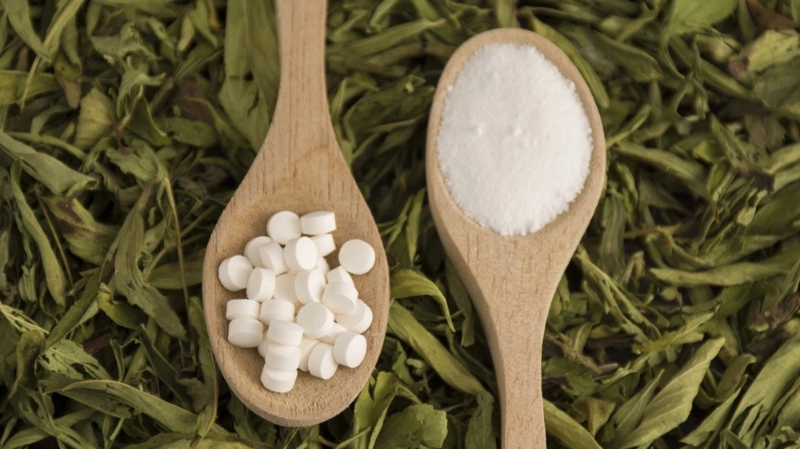
| Aspect | Sucralose | Sugar (Sucrose) |
|---|---|---|
| Calories | 0 | 4 per gram |
| Sweetness | 600x sweeter | Baseline |
| Glycemic Impact | None | High, spikes blood sugar |
| Dental Health | No cavities | Promotes decay |
| Heat Stability | Excellent for baking | Caramelizes but burns |
| Gut Effects | Possible dysbiosis | Feeds good bacteria |
Sucralose trumps sugar in calorie control and dental safety, ideal for low-carb beverages and tablets. Yet sugar nourishes gut flora naturally, unlike Sucralose's potential disruptions. OEM services craft Sucralose-sugar hybrids for optimal taste-health balance.
Sucralose edges aspartame in stability but shares sweetener scrutiny; both cut calories effectively in functional foods. When comparing Sucralose to stevia or monk fruit, Sucralose offers superior baking performance without aftertaste, though natural options appeal to clean-label seekers. Blends combining Sucralose with natural sweeteners provide the best of both worlds in OEM developments.
Sucralose slashes calories in sodas and yogurts, aiding weight loss without sacrificing sweetness—key for healthcare OEM tablets. Diabetics benefit from Sucralose's zero glycemic load, stabilizing blood sugar better than sugar-laden options. In baking, Sucralose retains flavor, enabling sugar-free cakes via precise ODM blending.
Athletes use Sucralose in energy drinks for hydration sans crash, while its stability suits long-shelf-life products. Factories integrate Sucralose with fibers for synergistic gut support in novel formulations. Sucralose enhances mouthfeel in low-fat dairy, compensating for texture loss from fat reduction. In confectionery, Sucralose allows for chewy, sugar-free treats that rival traditional candies.
Beverage innovators rely on Sucralose for clear, stable sweetening in sports drinks and teas, where volume usage stays low due to potency. Sucralose's solubility ensures even distribution in mixes, critical for OEM scalability.
Healthcare leverages Sucralose for palatable meds and supplements, where OEM factories develop Sucralose-coated tablets masking bitterness. Chinese experts blend Sucralose with polyols for diabetic chews, offering full ODM from R&D to export. Sucralose ensures compliance with global regs, boosting manufacturer efficiency.
Custom Sucralose mixes enhance bioavailability in fiber-enriched bars, tailored for overseas partners. In pharmaceutical tablets, Sucralose improves patient adherence by making unflavored actives tasty. Factories provide turnkey Sucralose solutions, from lab-scale prototyping to million-unit runs, with quality assurance at every step. Sucralose's purity standards meet USP and EP monographs, ideal for regulated markets.
Decades of Sucralose data show no cancer links in humans, though rat studies at high doses flagged leukemia risks—dismissed by regulators as irrelevant to people. Epidemiological reviews find no Sucralose-cancer tie, unlike some sweeteners.
Six-month mouse trials reveal Sucralose-induced inflammation genes, but human ADI stays protective. Ongoing Sucralose research refines these insights. Lifetime feeding studies in rodents at 100x human doses found no Sucralose-related tumors. Human pharmacokinetic data confirms rapid clearance, reducing chronic exposure risks.
Population studies tracking Sucralose users over years report no elevated disease rates attributable to Sucralose.
Pregnant women and kids face scant Sucralose risks per approvals, but those with IBD or microbiome issues may limit Sucralose. Migraine sufferers report Sucralose triggers rarely. Consult pros before heavy Sucralose use in sensitive cases. Individuals on ketogenic diets sometimes prefer Sucralose for its non-impact on ketosis.
Track Sucralose intake below ADI via labels; blend with naturals for synergy. Factories offer low-Sucralose OEM options. Opt for whole foods over ultra-processed Sucralose items. Experiment with Sucralose in home baking to gauge personal tolerance.
Rotate sweeteners to avoid reliance on Sucralose alone. Pair Sucralose with exercise and fiber-rich diets for optimal outcomes.
Sucralose adapts to clean-label trends via microencapsulation, masking any off-notes while preserving functionality. Factories innovate Sucralose-ferment blends mimicking natural sweetness for premium markets. As obesity rates rise, Sucralose demand grows in functional beverages targeting metabolic health.
Research explores Sucralose's role in personalized nutrition, where genetic testing guides optimal sweetener use. OEM partners provide data-driven Sucralose formulations for niche demographics like athletes or seniors.
Sucralose delivers proven calorie-cutting power with robust safety backing from regulators, ideal for food, beverage, and healthcare via OEM/ODM innovations—yet mindful use addresses emerging gut and metabolic concerns. Balanced Sucralose incorporation maximizes benefits while minimizing risks, supported by expert blending services from factories specializing in natural sweeteners and polyols.
Sucralose proves safe within FDA's 5 mg/kg ADI, backed by 100+ studies showing no toxicity. Most tolerate Sucralose well, though monitor gut response.
No strong human evidence links Sucralose to cancer; lab concerns unproven at real doses. Regulators affirm Sucralose non-carcinogenic.
Some studies show Sucralose alters microbiome, potentially causing dysbiosis. Effects vary; pair Sucralose with fibers.
Yes, Sucralose avoids blood sugar spikes unlike sugar, aiding control. Use in moderation per guidelines.
Leverage OEM/ODM for Sucralose blends, tablets in food/beverage/healthcare—ensuring taste, stability, compliance.


