
Views: 222 Author: Sara Publish Time: 2025-12-29 Origin: Site


Content Menu
● Health Impacts of Sweeteners
● Applications in Food and Beverages
● Natural vs. Artificial Sweeteners
● Regulatory Approval for Sweeteners
● Myths and Facts on Sweeteners
● Innovations in Sweetener Technology
● Environmental Impact of Sweeteners
● FAQ
>> 1. Are artificial sweeteners safe for daily use?
>> 2. Do sweeteners affect blood sugar?
>> 3. Can sweeteners help with weight loss?
>> 4. What are natural sweeteners alternatives?
>> 5. Why blend different sweeteners?
Artificial sweeteners deliver powerful sweetness with virtually no calories, transforming how we enjoy food and beverages without the downsides of sugar. These sweeteners interact directly with taste receptors on the tongue, tricking the brain into sensing sugar-like flavor while bypassing energy intake.
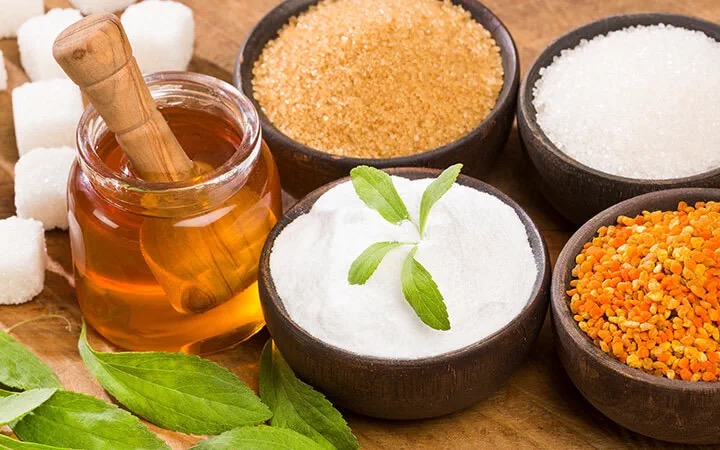
Artificial sweeteners come in a wide variety, each designed to meet specific needs in food production, beverages, and healthcare products. Synthetic options like aspartame, sucralose, and saccharin offer exceptional intensity and stability, making them staples in diet sodas and baked goods. Aspartame, for instance, is about 200 times sweeter than sugar and breaks down into simple amino acids in the body, while sucralose, 600 times sweeter, resists heat perfectly for cooking applications.
Natural sweeteners, such as stevia derived from the stevia plant and monk fruit extract, gain popularity for their plant-based origins and zero-calorie profiles. Stevia's sweet compounds, called steviol glycosides, provide a clean taste with minimal aftertaste in high-purity forms. Monk fruit sweeteners contain mogrosides, natural antioxidants that add subtle fruity notes alongside intense sweetness.
Sugar alcohols, or polyols like erythritol and xylitol, bridge the gap as low-calorie bulk sweeteners. These function similarly to artificial sweeteners by partially activating sweet taste receptors but also provide texture in products like chewing gum and candies. Blends of various sweeteners optimize flavor profiles, masking bitterness and ensuring a sugar-like mouthfeel essential for consumer satisfaction.
Factories specializing in sweeteners innovate by combining these types into custom mixes. For food and beverage manufacturers abroad, these blended sweeteners enable low-sugar formulations that maintain appeal and shelf life.
Sweeteners work by binding to specific sweet taste receptors on the tongue and palate, primarily the T1R2 and T1R3 protein complex. This binding triggers a cascade of signals through nerve pathways to the brain, where the sensation of sweetness is perceived, identical to sugar's effect but without caloric contribution.
Unlike sucrose, which enzymes break down into glucose for energy, most artificial sweeteners pass through the digestive system undigested or minimally metabolized. Sucralose, for example, features chlorine atoms that alter its structure, preventing breakdown by gut enzymes while enhancing receptor affinity. Aspartame hydrolyzes into aspartic acid, phenylalanine, and methanol—components naturally present in foods like milk and fruit.
This selective interaction explains sweeteners' high potency; a tiny amount suffices for full sweetness. In the gut, some sweeteners influence hormone release, such as GLP-1, which promotes satiety differently from sugar. Videos of molecular animations vividly show these receptors snapping into place with sweetener molecules, illustrating the precision of this biological mimicry.
Sweeteners also interact with umami and bitter receptors subtly, influencing overall flavor perception. This multifaceted action allows sweeteners to enhance complex recipes, from beverages to tablets, where precise taste balance is crucial.
The journey of sweeteners began in 1879 when Constantin Fahlberg discovered saccharin's intense sweetness accidentally while working in a lab. This oldest artificial sweetener, 300-400 times sweeter than sugar, paved the way despite early controversies over potential health risks.
The 1930s introduced cyclamate, followed by aspartame's invention in 1965 by G.D. Searle. Regulatory hurdles delayed aspartame's approval until 1981, after extensive safety testing. Sucralose emerged in 1976 from Tate & Lyle research, gaining approval in the 1990s for its baking versatility.
Natural sweeteners evolved alongside, with stevia used traditionally in South America for centuries before FDA GRAS status in 2008. Monk fruit, long prized in Chinese medicine, entered global markets via modern extraction techniques.
Debates, like saccharin's 1970s cancer scare from rat studies, spurred rigorous human trials confirming safety. Today, approved sweeteners number six by the FDA, fueling a market driven by rising diabetes and obesity rates. Chinese factories lead in scaling natural sweetener production, exporting blends worldwide.
Approved sweeteners pose no significant health risks when consumed within daily limits, aiding calorie reduction and blood sugar control. Diabetics benefit greatly, as sweeteners like sucralose show negligible glycemic impact, allowing indulgent tastes without spikes.
Studies affirm no cancer causation in humans, debunking early animal model fears. Gut microbiome effects remain under research, with some evidence suggesting minor shifts, but benefits in weight management outweigh concerns for most. Phenylketonuria patients avoid aspartame due to phenylalanine, but alternatives abound.
Natural sweeteners like stevia may offer antioxidant perks, supporting metabolic health. Long-term cohort studies link sweetener use to better diet adherence in weight loss programs. Moderation remains key, integrating sweeteners into balanced nutrition.
Sweeteners revolutionize beverages, slashing sugar content by 75-100% in diet colas and sports drinks. Blends prevent flavor gaps, ensuring refreshment matches full-sugar versions. In dairy, sweeteners sweeten yogurts and ice creams without freezing issues.
Baking relies on heat-stable sweeteners like sucralose for cakes and cookies. Confectionery uses polyols for sugar-free gums that resist stickiness. Savory applications, like sauces, employ sweeteners to balance acidity.
Healthcare products, from chewable vitamins to syrups, use sweeteners for compliance. OEM factories develop tablet coatings and lozenges, customizing potency for pediatric or geriatric needs. Functional beverages with fiber-enhanced sweeteners target wellness trends.
Natural sweeteners shine in clean-label products, appealing to health-conscious consumers seeking plant-derived options. Stevia and monk fruit deliver zero calories with potential bioactive benefits, though purity affects aftertaste.
Artificial sweeteners excel in processing robustness, cost-effectiveness, and precise dosing. They withstand pasteurization and storage better, crucial for beverages.
| Aspect | Natural Sweeteners | Artificial Sweeteners |
|---|---|---|
| Source | Plants and fruits | Chemical synthesis |
| Sweetness Intensity | 200-300x sugar | 200-600x sugar |
| Heat Stability | Moderate (stevia) | Excellent (sucralose) |
| Cost per Unit Sweetness | Higher | Lower |
| Aftertaste | Possible herbal note | Minimal in blends |
| Digestibility | Fully natural pathway | Often excreted unchanged |
Blends harness both worlds, common in professional sweetener development for optimal sensory results.
Synthetic sweeteners undergo multi-step chemical synthesis; sucralose starts with sucrose chlorination, yielding high-purity crystals. Natural stevia production extracts leaves via water infusion, purifying rebaudioside A through chromatography and crystallization.
Fermentation biotech produces rare glycosides efficiently, mimicking plant yields at scale. Polyols like erythritol ferment from corn via yeast, spray-dried into powders. Quality labs test for impurities, ensuring 99.5% purity.
Chinese factories integrate these processes for OEM services, blending sweeteners with fibers for functional mixes. Spray drying and granulation tailor formats for tablets or powders, meeting global specs.
Rigorous FDA reviews, spanning years, grant approvals based on toxicology, metabolism, and carcinogenicity data. Acceptable Daily Intakes (ADI) set safe thresholds—aspartame at 50 mg/kg body weight allows gallons of diet soda daily.
WHO and EFSA align globally, with post-approval monitoring. Saccharin's 2000 delisting from carcinogen status exemplifies evolving science. Harmonized standards facilitate international trade in sweeteners.
Myth: Sweeteners cause weight gain. Fact: They replace higher-calorie sugar, promoting loss. Myth: All sweeteners are chemicals. Fact: Many natural ones exist. Myth: They destroy teeth. Fact: Unlike sugar, they lack fermentable carbs.
Education clarifies these, boosting consumer trust in sweeteners.
Biotech ferments novel sweeteners like allulose, tasting like sugar with rare calories. Enzyme tech converts starches directly. AI optimizes blends for perfect profiles.
Smart sweeteners activate post-digestion for sustained release. Natural rare sweeteners scale via microbes, slashing costs.
Start mornings with sweetened coffee or oatmeal. Use in salads, grilled meats, or desserts. Recipes abound for seamless swaps.
Track intake for balance, pairing with proteins and fibers.
Sustainable farming for stevia conserves water. Synthetic production minimizes waste via green chemistry. Biodegradable options reduce persistence.
Industry pledges carbon-neutral facilities.
Personalized sweeteners via genetics emerge. Fiber-sweetener hybrids boost gut health. Market surges with keto and diabetic demands.
OEM innovations lead global supply.
Artificial sweeteners masterfully replicate sugar's allure by engaging taste receptors precisely, enabling calorie-conscious indulgence across diets. From synthetics to naturals, they support health goals with proven safety, while innovations promise even better options. Integrating sweeteners thoughtfully enhances wellness without sacrifice.
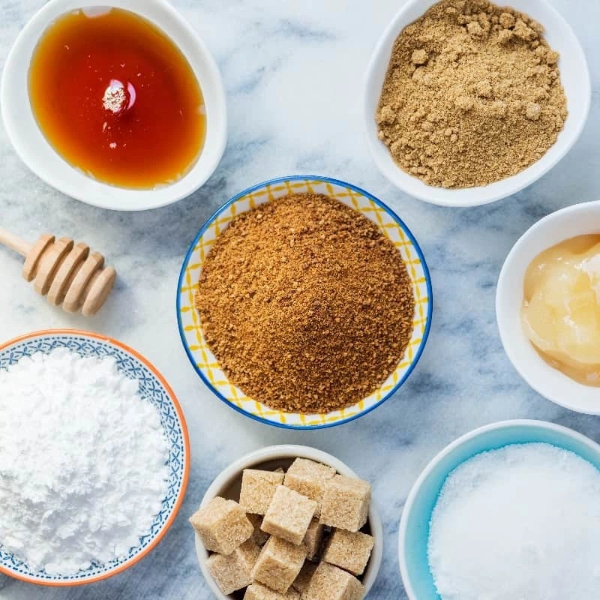
Yes, regulatory-approved sweeteners remain safe within ADI guidelines, backed by decades of human studies showing no adverse effects for most people.
Minimal impact occurs with most sweeteners, making them excellent for diabetes management and stable energy levels.
By cutting calories significantly over sugar, sweeteners facilitate effective weight control when part of calorie-reduced diets.
Stevia, monk fruit, and allulose offer potent, plant-based sweetness with clean labels and health-aligned properties.
Blends achieve temporal sweetness profiles matching sugar, eliminating off-notes for superior taste in products.


