
Views: 222 Author: Sara Publish Time: 2025-11-07 Origin: Site


Content Menu
● Overview of Sweeteners and Key Distinctions
>> Common brand and composition patterns
>> Sensory and regulatory considerations
● Sweet'N Low and Aspartame: What's in a Sweetener?
>> Formulation reality across markets
>> Clarifying the central question
● Regulatory Landscape and Safety Considerations
>> ADI and regulatory implications
>> Labeling and market compliance
● Implications for Product Development and OEM/ODM
>> Designing blends for consistency and feasibility
>> Practical guidelines for overseas manufacturers
● Health, Market Trends, and Consumer Perceptions
>> Health-oriented product design
>> Brand positioning and OEM/ODM value
● FAQ
>> 1. Does Sweet'N Low contain aspartame?
>> 2. Can Sweet'N Low be blended with aspartame in OEM/ODM formulations?
>> 3. What are the regulatory considerations for using aspartame in international markets?
>> 4. How do maltitol and other polyols influence tablet formulations?
>> 5. What steps can OEM/ODM partners take to ensure consistent labeling across markets?
In today's global food, beverage, and healthcare industries, low-calorie sweeteners play a pivotal role in enabling product reformulation, calorie reduction, and improved dietary options without sacrificing taste. For overseas manufacturers, there is a particular demand for blended sweetener systems, reliable tablet production, and robust OEM/ODM services that ensure consistency across markets. The central question many processors and brand owners encounter is: Does Sweet'N Low contain aspartame, and what implications does this have for regulatory compliance, sensory performance, and product positioning? This article delves into the distinctions among major sweeteners, clarifies Sweet'N Low's formulation in various regions, and provides practical guidance for manufacturing partners, including how to design blended sweeteners that align with health-focused product lines while meeting export-market requirements. Throughout, emphasis is placed on your company's core strengths—natural sweeteners, functional polyols such as maltitol, and dietary fibers—as complementary components in blended formulations, alongside a clear path for OEM/ODM collaboration.
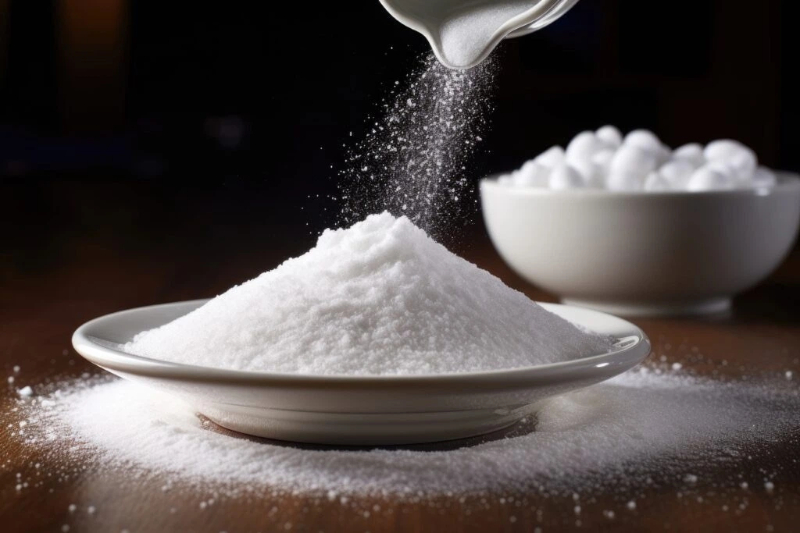
- Natural non-caloric sweeteners: compounds derived from natural sources that provide sweetness with minimal or no calories, often used for clean-label claims.
- Artificial sucrose substitutes (non-nutritive): sweeteners that provide sweetness with little to no calories and often high-intensity sweetness.
- Functional polyols (sugar alcohols): polyols such as maltitol that provide bulk and sweetness with reduced impact on blood glucose; they contribute to mouthfeel and can affect digestion at higher doses.
- Sweet'N Low is widely associated with saccharin-based formulations in many markets and is traditionally used as a pink-sachet saccharin sweetener.
- Aspartame-containing brands (e.g., Equal, NutraSweet) represent a separate lineage of blue-packaged products based on aspartame.
- Across markets, there can be product variants and blends that combine saccharin with other sweeteners, including aspartame, sucralose, acesulfame-K, or polyols, to achieve target sweetness, taste profiles, and regulatory compliance.
- Sweeteners differ in sweetness intensity, aftertaste, heat stability, and regulatory labeling across countries.
- For industrial formulators, selecting a single sweetener versus a blend depends on taste targets, dietary constraints (PKU considerations for aspartame), processing conditions, and export-market requirements.
- In many regions, Sweet'N Low remains primarily saccharin-based, with no aspartame in the standard formulation. However, product lines marketed under similar names can vary by country, and some blended products may include multiple sweeteners to optimize taste and stability.
- For manufacturers and brands sourcing Sweet'N Low or similar saccharin-based products, it is essential to obtain a current certificate of analysis (CoA) and propose explicit product specifications for the intended market.
- Does Sweet'N Low contain aspartame? Generally, the classic Sweet'N Low saccharin formulations do not contain aspartame. However, some markets or product variants may combine sweeteners, including aspartame, in multi-sweetener blends. Therefore, always verify the exact product variant, batch, and country of origin before formulation decisions. This is critical for PKU considerations and for regulatory labeling in export markets.
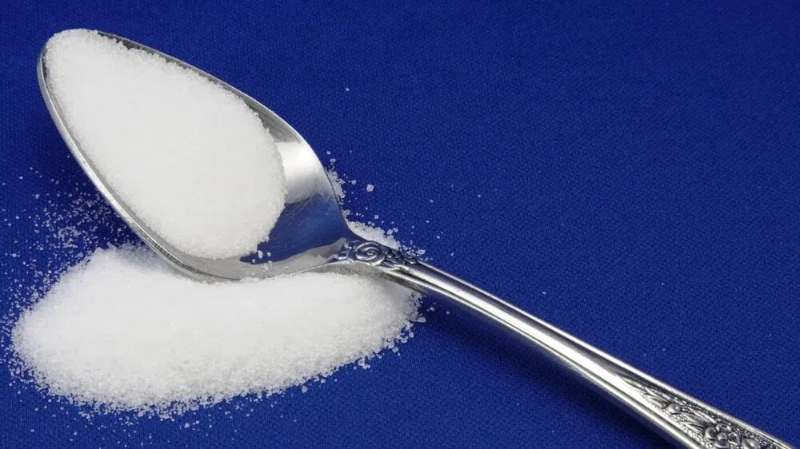
- Regulatory agencies establish Acceptable Daily Intakes (ADIs) for each sweetener. For industrial formulation planning, these values guide formulation limits and serving-size calculations to ensure safety across populations.
- Aspartame has specific PKU-related labeling considerations due to phenylalanine content, which may require warning statements in some jurisdictions. Saccharin-based Sweet'N Low formulations do not carry this PKU-related warning, but labeling must still comply with local regulations.
- Accurate ingredient declarations are essential for overseas manufacturing partnerships. CoAs, bilingual or multilang labeling, and consistent batch testing are recommended practices to meet diverse market rules.
- When assembling blended sweetener systems for tablets or syrups, ensure that each component's regulatory status is clearly communicated to clients and verified in your target export markets.
- Blended sweeteners that combine saccharin with small amounts of other sweeteners or polyols can help modulate sweetness intensity, reduce aftertaste, and improve mouthfeel—particularly in tablet formulations where flow, compressibility, and disintegration are critical.
- Your capabilities in maltitol and other functional polyols are especially valuable for balancing sweetness, reducing hygroscopicity, and providing bulk in tablet forms. When maltitol is included, considerations around digestive tolerability and gastrointestinal comfort are important, especially at higher doses.
- Specify the exact Sweet'N Low variant, country of origin, and product lot when ordering to ensure formulation accuracy.
- Require a comprehensive CoA and stability data, including temperature tolerance, shelf-life, and packaging integrity for the intended markets.
- Collaborate on pilot-scale formulation trials to optimize taste, texture, and processing behavior (e.g., powder flow for tablet production, solubility for beverages).
- The market continues to seek lower-sugar or sugar-free options, with attention to taste quality, aftertaste, and digestive comfort. Your portfolio of natural sweeteners, functional polyols, and dietary fibers positions your company to develop blends that deliver satisfying sweetness while addressing health trends.
- By offering blended sweetener development, tablet production, and OEM/ODM services, your factory can provide overseas manufacturers with turnkey solutions that align with regulatory demands and consumer expectations across markets.
- Explore blends that combine Saccharin-based Sweet'N Low with controlled amounts of aspartame or other high-intensity sweeteners to achieve desired taste profiles without exceeding regulatory limits, while leveraging maltitol for bulk and mouthfeel improvements.
Sweet'N Low formulations are commonly saccharin-based in many markets, and aspartame is a different sweetener often used in other brand lines. For overseas manufacturers, the crucial practice is to verify the exact formulation per product variant and country, secure robust CoAs, and align packaging and labeling with local regulatory requirements. Your strengths in natural sweeteners, functional polyols such as maltitol, and dietary fibers enable you to craft blended sweetener solutions that meet taste and health objectives while maintaining consistent quality across batches and markets. By combining precise sourcing, transparent ingredient declarations, and collaborative OEM/ODM capabilities, the company can deliver turnkey sweetness solutions that support clients' reformulation goals and regulatory compliance worldwide.
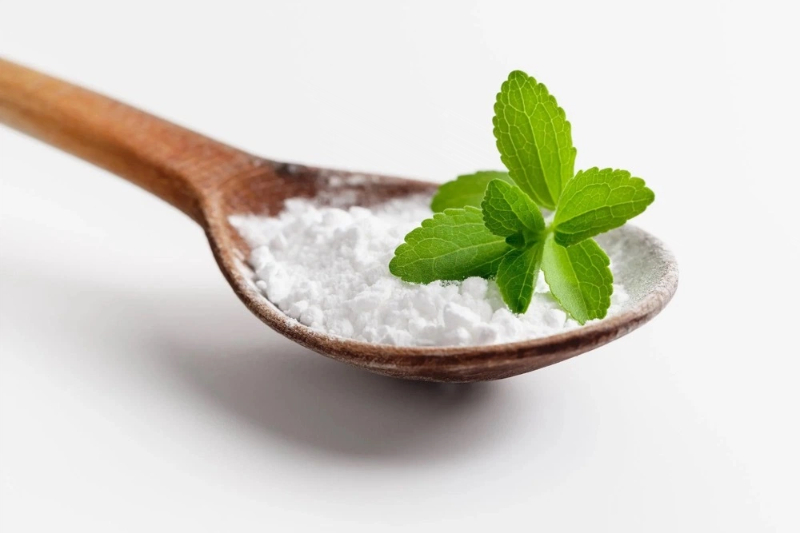
- In most markets, Sweet'N Low is saccharin-based and does not contain aspartame. Always confirm the exact product variant and country by examining the current CoA and packaging.
- Yes, multi-sweetener blends can be designed to achieve specific taste profiles, regulatory compliance, and processing needs; however, confirm regulatory status, PKU considerations, and labeling requirements for target markets.
- Aspartame has PKU labeling considerations in some jurisdictions, and different regions impose varying limits and labeling rules; always verify local regulations and ensure accurate labeling for each market.
- Maltitol provides bulk and can improve mouthfeel but may affect digestive comfort at higher doses; pairing with other sweeteners can optimize taste and compression properties for tablets.
- Use standardized CoAs, maintain bilingual or multilingual ingredient declarations, implement batch testing, and maintain rigorous quality-control procedures to ensure cross-market consistency.
[1](https://www.health.harvard.edu/blog/sweeteners-time-to-rethink-your-choices-2019022215967)
[2](https://www.carlehealthfitness.com/2021/11/02/weekly-dietitian-tip-whats-the-difference-in-colored-sugar-packets/)
[3](https://www.fda.gov/food/food-additives-petitions/aspartame-and-other-sweeteners-food)
[4](https://www.mayoclinic.org/healthy-lifestyle/nutrition-and-healthy-eating/in-depth/artificial-sweeteners/art-20046936)
[5](https://www.sweetnlow.com/faq/)
[6](https://livingwell.tamu.edu/sweeteners/)
[7](https://www.gundersenhealth.org/health-wellness/eat-move/artificial-vs-natural-sweeteners-the-inside-scoop-on-sugar-substitutes)
[8](https://extension.unh.edu/blog/2023/10/different-types-sweeteners-are-some-better-others)
[9](https://www.fda.gov/media/168345/download)
[10](https://www.massgeneral.org/news/article/artificial-sweeteners)


