


Content Menu
● Sorbitol's Metabolism and How It Interacts with the Body
● Sorbitol and Cancer: What Research Says
>> Research Linking Sorbitol to Liver Cancer
>> Sorbitol's Effects on Colorectal Cancer Cells
>> Regulatory and Safety Perspectives
● Health Benefits and Risks of Sorbitol Beyond Cancer
● Sorbitol's Role in Food and Healthcare Industries
● FAQs
>> 1. Does sorbitol cause cancer in humans?
>> 2. Is sorbitol safe for people with diabetes?
>> 3. What products commonly contain sorbitol?
>> 4. Can sorbitol cause digestive discomfort?
>> 5. Are there safer natural alternatives to sorbitol?
Sorbitol is a sugar alcohol widely used as a natural sweetener in the food, beverage, and pharmaceutical industries. It is valued for its low-calorie content and ability to provide sweetness without significantly raising blood sugar levels. However, recent debates and research have raised concerns around the safety of sorbitol, particularly regarding its potential link to cancer.
In this article, we investigate whether sorbitol causes cancer by examining scientific evidence from various studies, including its effects on cancer cells and possible mechanisms. We will explore how sorbitol is used, its benefits, risks, and current scientific consensus. This comprehensive analysis will help manufacturers, consumers, and healthcare professionals make informed decisions about sorbitol use.
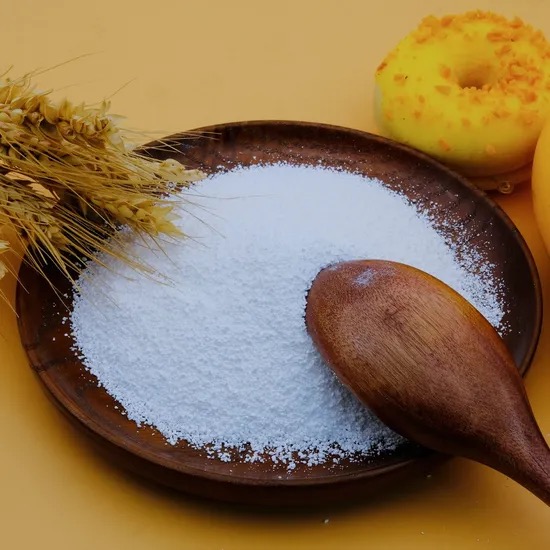
Sorbitol is a naturally occurring sugar alcohol (polyol) found in fruits such as apples, pears, peaches, and prunes. Chemically, it is a six-carbon polyol similar to glucose but metabolized differently by the body. Sorbitol is commonly used in:
- Sugar-free chewing gums
- Candies and mints
- Ice cream and baked goods
- Pharmaceutical tablets as a sweetening and bulking agent
- Dietary fiber and functional food products
Sorbitol provides about 2.6 calories per gram, which is lower than the 4 calories per gram in table sugar, and it is about 50-70% as sweet. Apart from sweetness, its properties as a humectant (moisture-retaining agent) make it valuable for extending the shelf life of various products. It also has a low glycemic index, making it suitable for people with diabetes seeking sugar alternatives.
Sorbitol is metabolized slowly in the body compared to glucose. Once ingested, sorbitol is absorbed partially in the small intestine, with the remainder fermented by bacteria in the colon. This fermentation can produce gases and short-chain fatty acids.
In the liver, sorbitol can be converted into fructose via the sorbitol-aldose reductase pathway. Aldose reductase, the enzyme catalyzing this conversion, has been under scrutiny because its excessive activity has been linked to diabetic complications and other health issues.
Because sorbitol metabolism involves a unique enzymatic pathway, abnormal activation or overaccumulation of sorbitol has been studied for its potential to cause cellular stress or contribute to disease states, including cancer.
A notable study by researchers at SUNY Upstate Medical University emphasized a potential connection between sorbitol and liver cancer. Published in the journal Nature Metabolism, the study revealed that some sugar alcohols, including sorbitol, might contribute to hepatic carcinogenesis in genetically susceptible individuals.
The experiment involved mice lacking the enzyme transaldolase (TAL), which is involved in the pentose phosphate pathway crucial for cellular metabolism. In these TAL-deficient mice, sugar alcohols such as sorbitol and erythritol accumulated excessively. This build-up was linked to liver cirrhosis and subsequent liver cancer development.
One of the pivotal enzymes in this process is aldose reductase, which converts sugars to sugar alcohols. The study demonstrated that inhibiting aldose reductase prevented liver cancer progression, indicating that sorbitol and related sugar alcohols could facilitate cancer cell growth through this metabolic route.
The implications are significant since they suggest that certain populations with genetic or metabolic predispositions could be at higher risk when consuming sugar alcohols like sorbitol regularly. Nonetheless, this research is preliminary and primarily based on animal models.
Opposite results were found in separate investigations exploring sorbitol's direct effects on cancer cells in vitro. Research focusing on human colorectal cancer cells (HCT116) showed that sorbitol induced apoptosis, which is a programmed cell death mechanism that helps to eliminate damaged or malignant cells.
The study found that sorbitol activated the p38 MAPK signaling pathway and mitochondrial death cascades, increasing apoptotic markers such as Bax and cytochrome c release while decreasing anti-apoptotic Bcl-2 protein levels. This action inhibited cancer cell proliferation.
Such findings have raised interest in sorbitol's potential as a part of cancer treatment strategies, although these effects are seen in controlled lab settings and do not directly translate to effects observed from dietary consumption.
Given the mixed evidence on sorbitol's effects in cellular and animal studies, regulatory authorities maintain a cautious but generally favorable view of sorbitol's safety. The U.S. Food and Drug Administration (FDA) classifies sorbitol as "generally recognized as safe" (GRAS) when used within recommended limits.
The National Cancer Institute and organizations such as Cancer Research UK state that no conclusive proof exists showing sorbitol or other sugar alcohols increase cancer risk in humans. Studies indicating cancer risk tend to involve high-dose exposure in animals or laboratory scenarios, conditions not representative of typical human consumption.
Nonetheless, ongoing research is viewed as necessary to fully understand any long-term health effects, especially in susceptible populations or those with pre-existing metabolic abnormalities.

Sorbitol is no stranger to both praise and caution in the health community. Its benefits include:
- Dental Health: Sorbitol is not fermentable by oral bacteria, which helps reduce the risk of tooth decay compared to sugar.
- Blood Sugar Management: Its low glycemic response makes it a preferred sugar substitute for people with diabetes.
- Caloric Reduction: Sorbitol provides fewer calories than sugar, helping reduce caloric intake in low-calorie and sugar-free products.
However, sorbitol consumption also poses some risks:
- Digestive Issues: Large doses may cause bloating, gas, and diarrhea due to the incomplete absorption and fermentation by gut bacteria.
- Laxative Effect: Sorbitol is used medically as a laxative but can cause discomfort if consumed in excess.
- Potential Metabolic Concerns: Particularly in individuals with enzyme defects or metabolic syndromes, sorbitol's metabolic pathways may produce harmful effects at high levels as suggested by emerging research.
Because of its multifunctional properties, sorbitol is widely incorporated into:
- Sugar-free gums, mints, and candies for sweetness and moisture retention
- Diabetic-friendly foods with reduced impact on blood glucose
- Pharmaceutical products as a sweetening agent and bulking ingredient, especially in tablets and syrups
- Functional foods and dietary fiber-enriched products for digestive health and calorie reduction
Its ability to blend well with other ingredients and maintain texture and shelf life makes sorbitol a versatile and economically viable ingredient for manufacturers globally.
The relationship between sorbitol and cancer is complex and currently inconclusive. Some recent animal studies imply sorbitol may promote liver cancer in genetically predisposed subjects, while other research reveals sorbitol can inhibit cancer cell growth in controlled in vitro settings. Regulatory bodies currently consider sorbitol safe for use within established consumption limits.
Manufacturers and health-conscious consumers should stay informed about ongoing scientific developments regarding sorbitol's health impacts. Sensible use within recommended guidelines remains advisable, especially for those with metabolic and genetic risk factors. Sorbitol continues to be an important natural sweetener and functional ingredient with notable benefits when used responsibly.

There is no conclusive evidence that sorbitol causes cancer in humans. Most cancer-related findings stem from animal models or lab-based cell studies. Regulatory agencies including the FDA regard sorbitol as safe at normal consumption levels.
Yes, sorbitol has a low glycemic index and is used in diabetic-friendly foods to reduce sugar intake without causing sharp blood sugar spikes. Nevertheless, moderation is key to avoid side effects.
Sorbitol is present in sugar-free gum, candies, mints, ice cream, baked goods, diabetic products, and many pharmaceutical formulations as a sweetener and moisture stabilizer.
Yes, consuming large amounts of sorbitol can cause bloating, gas, and diarrhea due to its incomplete absorption and fermentation in the gut.
Natural alternatives include xylitol, erythritol, stevia, and monk fruit extract, each with different taste profiles and health effects. The choice depends on product needs and consumer preferences.
[1](https://www.upstate.edu/whatsup/2023/080223-liver-cancer-the-potential-side-effect.php)
[2](https://pmc.ncbi.nlm.nih.gov/articles/PMC4049712/)
[3](https://www.upstate.edu/news/articles/2023/2023-03-25-perl.php)
[4](https://www.youtube.com/watch?v=EM7PAHCK1rA)
[5](https://www.cancercenter.com/risk-factors/artificial-sweeteners-cancer)
[6](https://www.cancer.gov/about-cancer/causes-prevention/risk/diet/artificial-sweeteners-fact-sheet)
[7](https://www.nhs.uk/live-well/eat-well/food-types/are-sweeteners-safe/)
[8](https://www.fda.gov/food/food-additives-petitions/aspartame-and-other-sweeteners-food)
[9](https://www.cancerresearchuk.org/about-cancer/causes-of-cancer/cancer-myths-questions/do-artificial-sweeteners-cause-cancer)
[10](https://www.mayoclinic.org/healthy-lifestyle/nutrition-and-healthy-eating/in-depth/artificial-sweeteners/art-20046936)


