
Views: 222 Author: Sara Publish Time: 2026-01-04 Origin: Site


Content Menu
● What Are Zero Calorie Sweeteners?
● Types of Zero Calorie Sweeteners
● Benefits of Zero Calorie Sweeteners
● Potential Health Risks of Sweeteners
● Scientific Studies on Zero Calorie Sweeteners
● Natural vs. Artificial Zero Calorie Sweeteners
● Zero Calorie Sweeteners in Food and Beverages
● Regulatory Approval and Safety Standards
● Consumer Trends and Perceptions
● Role in Weight Management and Metabolism
● Gut Health and Dental Impacts
● Innovations and Future of Sweeteners
● FAQ
>> 1. Are zero calorie sweeteners safe for daily use?
>> 2. Do zero calorie sweeteners cause cancer?
>> 3. Can zero calorie sweeteners aid weight loss?
>> 4. What are the best natural zero calorie sweeteners?
>> 5. How do zero calorie sweeteners impact gut health?
Zero calorie sweeteners provide intense sweetness without the caloric load of sugar, making them a staple in modern diets focused on health and weight management. These sweeteners, including both artificial and natural varieties, have fueled ongoing debates about their safety and long-term effects on the body.[1][2][3]

Zero calorie sweeteners are substances that deliver the sweet taste people crave while contributing negligible or no calories to the diet. They work by activating sweet taste receptors on the tongue without being metabolized into energy like sugar. Common examples include artificial sweeteners such as aspartame, sucralose, and saccharin, which are chemically synthesized to be hundreds of times sweeter than sugar.[4][5]
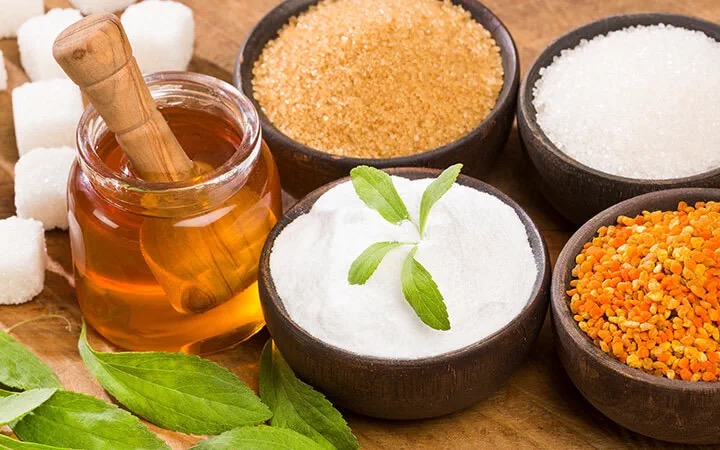
Natural zero calorie sweeteners, like stevia extracts from the Stevia rebaudiana plant and monk fruit (luo han guo) extracts, come from plant sources and offer similar zero-calorie benefits with potentially fewer processing steps. These sweeteners pass through the digestive system largely unmetabolized, which is why they avoid calorie absorption. Factories specializing in food and beverage production often blend various zero calorie sweeteners to achieve the perfect balance of sweetness, mouthfeel, and stability in products like soft drinks, chewing gums, and dietary supplements.[6][4]
In the context of health solutions for the food, beverage, and healthcare industries, zero calorie sweeteners pair excellently with functional polyols like erythritol and dietary fibers such as inulin. This combination enhances texture in low-sugar formulations, making them ideal for OEM/ODM services where manufacturers develop custom mixed sweeteners for international clients. The rise of zero calorie sweeteners reflects a global shift toward reduced-sugar products, driven by concerns over obesity, diabetes, and dental health.[7][8]
Zero calorie sweeteners fall into two main categories: artificial and natural, each with distinct properties that influence their use in foods and beverages.
Artificial sweeteners dominate many commercial products due to their high potency and stability:
- Aspartame, about 200 times sweeter than sugar, suits cold beverages but degrades under heat.
- Sucralose, 600 times sweeter, remains stable for baking and cooking applications.
- Saccharin, the pioneer since the 1870s, offers 300-400 times the sweetness of sugar and has a long history of use despite early controversies.[2][5][4]
Natural zero calorie sweeteners appeal to clean-label trends:
- Stevia glycosides provide 200-450 times sugar's sweetness with a slight herbal note and potential antioxidant benefits.
- Monk fruit sweeteners deliver pure sweetness without bitterness, often blended for synergy.
- Sugar alcohols like erythritol and xylitol, while technically low-calorie (0.2-2.4 kcal/g), function similarly to zero calorie sweeteners in many contexts due to their minimal metabolic impact.[8][4]
Blends of zero calorie sweeteners are increasingly common, as they mask off-notes and improve overall flavor profiles in everything from energy drinks to pharmaceutical tablets. Chinese factories lead in producing high-purity natural zero calorie sweeteners, supplying global markets with innovative mixtures tailored for specific applications.[4][7]
Zero calorie sweeteners play a crucial role in weight management by allowing consumers to enjoy sweet flavors without the calorie penalty of sugar. Replacing sugar-sweetened beverages with zero calorie sweetener versions can reduce daily calorie intake by hundreds, supporting modest weight loss over time, as evidenced by randomized controlled trials.[3]
For individuals with diabetes or prediabetes, zero calorie sweeteners offer stable blood glucose levels since they do not raise insulin or glucose spikes. Dental professionals endorse them too, as zero calorie sweeteners like xylitol inhibit cavity-causing bacteria, unlike fermentable sugars.[1][3]
In the food and beverage sector, zero calorie sweeteners enable innovative low-sugar products, from functional drinks fortified with vitamins to healthcare snacks enriched with fibers. Natural zero calorie sweeteners like stevia add bioactive compounds that may support cardiovascular health and reduce inflammation. Overall, when integrated into a balanced diet, zero calorie sweeteners promote healthier eating patterns without sacrificing taste.[6][4]
Despite their benefits, zero calorie sweeteners face scrutiny for possible health risks. Some studies suggest they may disrupt the gut microbiome, altering bacterial composition and potentially influencing metabolism, insulin sensitivity, and even appetite regulation.[2][1]
Erythritol, a popular zero calorie sweetener alternative, has been linked in observational data to higher cardiovascular event risks, though causation remains unproven and doses in studies far exceed typical consumption. Aspartame breaks down into phenylalanine and aspartic acid, which in rare cases like phenylketonuria pose issues, and high doses in animal models raised neurological concerns.[5][9][2]
Certain zero calorie sweeteners might perpetuate sweet cravings, leading to overeating elsewhere, though human trials show mixed results. Headaches, digestive discomfort, or allergic reactions occur anecdotally with some artificial zero calorie sweeteners. Regulatory consensus holds that approved zero calorie sweeteners are safe within acceptable daily intake (ADI) limits, but moderation remains key amid evolving research.[3][5]
Decades of research on zero calorie sweeteners yield a complex picture. Meta-analyses of short-term interventions demonstrate that zero calorie sweeteners aid weight loss and glycemic control compared to sugar. Long-term cohort studies, however, report associations with increased risks of type 2 diabetes, stroke, and mortality, potentially confounded by reverse causation—people at higher risk choosing diet products initially.[1][2][3]
NIH reviews highlight gaps in data, noting that while animal studies flag genotoxicity or cancer risks for some zero calorie sweeteners, human epidemiology does not confirm these at real-world exposures. Recent focus on zero calorie sweeteners' effects on brain reward pathways suggests they might not fully satisfy sugar cravings, prompting further consumption.[5]
Natural zero calorie sweeteners like stevia show promising results in blood pressure reduction and anti-hyperglycemic effects from clinical trials. Ongoing studies explore zero calorie sweeteners' interactions with medications and microbiomes using advanced sequencing. Factories producing zero calorie sweeteners contribute by funding safety research to validate their products for global standards.[8][4]
| Aspect | Natural Sweeteners (Stevia, Monk Fruit) | Artificial Sweeteners (Aspartame, Sucralose) |
|---|---|---|
| Origin | Plant-derived extracts | Synthetic chemical compounds |
| Sweetness Intensity | 200-450x sugar | 200-600x sugar |
| Caloric Value | Zero | Zero |
| Heat Stability | Variable, some degrade | Generally high |
| Aftertaste | Possible licorice/herbal note | Minimal to metallic |
| Health Extras | Antioxidants, potential metabolic benefits | None inherent |
| Consumer Preference | High for "clean label" | Functional but less favored |
| ADI (mg/kg body wt) | 4 for stevia glycosides | 40-50 for most |
Natural zero calorie sweeteners gain traction for their perceived purity, often commanding premium prices in beverages and health foods. Artificial zero calorie sweeteners excel in cost-effectiveness and versatility for industrial-scale production.
In factories dedicated to food, beverage, and healthcare, zero calorie sweeteners form the backbone of sugar-reduced innovations. OEM/ODM services craft precise blends, incorporating zero calorie sweeteners with polyols for chewable tablets or powdered mixes. Beverages benefit from zero calorie sweeteners' solubility, enabling zero-sugar sodas that taste like the originals.[7][6]
Medical applications include zero calorie sweeteners in oral rehydration solutions and nutritional supplements, where they mask bitterness without affecting efficacy. Trends show rising demand for natural zero calorie sweeteners in functional drinks targeting gut health or immunity.
Global regulators like the FDA, EFSA, and China's NHC approve zero calorie sweeteners after rigorous toxicology testing. Each has an ADI based on no-observed-adverse-effect levels from animal studies divided by safety factors. Stevia achieved GRAS status in 2008, boosting natural zero calorie sweeteners.[10][3][4]
Post-market surveillance ensures ongoing safety, with zero calorie sweeteners routinely re-evaluated against new data.
Surveys reveal mixed views on zero calorie sweeteners—many appreciate their role in dieting, but skepticism lingers from media reports. Natural zero calorie sweeteners surge in popularity, with stevia sales growing rapidly in Asia and exports from Chinese producers.[10][8]
Zero calorie sweeteners facilitate calorie deficits crucial for weight loss. Paired with dietary fibers, they enhance satiety, curbing hunger better than sugar alone.[9][7]
While some zero calorie sweeteners ferment minimally, avoiding gas issues common with polyols, microbiome shifts warrant monitoring. Dentally, zero calorie sweeteners excel by not promoting plaque.[3][1]
Synthetic biology promises sustainable zero calorie sweeteners production, reducing costs for natural options. Factories develop next-gen blends with fibers for superior clean taste.[4][8]
Adhere to ADIs—e.g., 12 cans of diet soda for aspartame in adults—and diversify sources to minimize risks.
Zero calorie sweeteners are not bad for you when consumed in moderation within established safety limits; they provide essential tools for reducing sugar intake amid rising obesity and diabetes rates. Natural options like stevia and monk fruit offer additional advantages, supported by factories specializing in high-quality blends for food, beverages, and healthcare. Balance them with whole foods for optimal health benefits.
Yes, regulatory-approved zero calorie sweeteners like sucralose and stevia are safe daily within ADI limits for healthy adults, backed by extensive safety data.[5][3]
No conclusive human evidence links approved zero calorie sweeteners to cancer; past saccharin scares were refuted by large-scale studies.[2][5]
Yes, they support weight loss by slashing calories from sugar, with trials showing benefits when replacing sugary items.[9][3]
Stevia and monk fruit stand out as top natural zero calorie sweeteners, offering zero calories, plant origins, and clean sweetness.[8][4]
They may subtly alter gut bacteria, but natural zero calorie sweeteners generally show milder effects than artificial ones.[1][2]
[1](https://www.youtube.com/watch?v=74fbLcOAyUE)
[2](https://newsroom.uw.edu/blog/no-sugarcoating-it-artificial-sweeteners-arent-healthy)
[3](https://www.nhs.uk/live-well/eat-well/food-types/are-sweeteners-safe/)
[4](https://pdf.dfcfw.com/pdf/H3_AP202412131641289648_1.pdf)
[5](https://pmc.ncbi.nlm.nih.gov/articles/PMC4899993/)
[6](https://www.caldic.com/zh-hans-cn/markets/food-beverage/beverage/)
[7](https://notice.10jqka.com.cn/api/pdf/b184abf958128f94.pdf)
[8](https://www.cbndata.com/information/294182)
[9](https://www.reddit.com/r/nutrition/comments/15dwmr8/what_are_the_negative_effects_of_artificial/)
[10](http://www.kexinzhongxin.com/html/kanwu/5041.html)


