
Views: 222 Author: Sara Publish Time: 2025-12-11 Origin: Site


Content Menu
● Where Aspartame Really Comes From
● Step 1: Fermentation of Amino Acids
● Step 2: Chemical Modification of the Amino Acids
● Step 3: Condensation to Form Aspartame
● Step 4: Deprotection, Hydrogenation, and Purification
● Alternative Biotechnological Routes
● Physical Properties of Aspartame Relevant to Its Origin
● How Aspartame is Used in Food and Beverages
● Safety Evaluations and Regulatory Origins
● Aspartame and Modern Sweetener Blends
● Aspartame in Healthcare and Nutritional Products
● Aspartame vs. Other High‑Intensity Sweeteners
● Sustainability and Process Optimization for Aspartame
● Key Technical Facts About Aspartame Origins
● FAQ
>> 1. What raw materials are used to make aspartame?
>> 2. Is aspartame naturally occurring or synthetic?
>> 3. How is aspartame different from sugar in origin?
>> 4. Which organizations evaluate the safety of aspartame's origin and use?
>> 5. Can aspartame be combined with other sweeteners in formulations?
Aspartame comes from two amino acids, phenylalanine and aspartic acid, which are usually produced by microbial fermentation and then chemically or enzymatically linked together and methylated to form the intensely sweet dipeptide ester known as aspartame. In modern industry, aspartame is made through carefully controlled sequences of fermentation, protection, condensation, and purification steps that transform basic nutrient feedstocks into a high‑purity food‑grade sweetener used worldwide in foods, beverages, and health products.

Aspartame is a low‑calorie artificial sweetener roughly 200 times sweeter than sucrose, widely used in diet beverages, sugar‑free chewing gums, tabletop sweeteners, and many low‑calorie or "light" foods. Chemically, aspartame is a methyl ester of a dipeptide composed of L‑aspartic acid and L‑phenylalanine, so every molecule of aspartame originates from these two amino acids and their specific peptide bond.
Aspartame belongs to the group of high‑intensity sweeteners, meaning very small amounts are needed to achieve sweetness, which is why aspartame helps reduce calories while maintaining a sugar‑like taste. Because aspartame is a peptide‑based sweetener, it breaks down in the digestive tract into aspartic acid, phenylalanine, and methanol, the same small molecules from which aspartame originally comes.
Aspartame ultimately comes from common raw materials that supply carbon and nitrogen to specialized microorganisms, which then synthesize the amino acids aspartic acid and phenylalanine used in aspartame synthesis. In industrial plants, these microorganisms are grown on media containing sugars, ammonia, and mineral nutrients, converting low‑cost feedstocks into high‑purity amino acids that later become the core building blocks of aspartame.
L‑phenylalanine is an essential amino acid that in nature is found in many proteins, but for aspartame it is typically produced by fermentation using optimized bacterial strains such as Corynebacterium. L‑aspartic acid is a non‑essential amino acid that can also be made via microbial fermentation and then isolated as a crystalline raw material that feeds directly into the aspartame production process.
Industrial aspartame production usually begins with fermentation using bacteria like Brevibacterium flavum or Corynebacterium glutamicum to generate L‑aspartic acid and L‑phenylalanine. The fermentation tanks are aerated, temperature‑controlled, and supplied with carbon and nitrogen sources so the microorganisms can efficiently produce large quantities of these amino acids for aspartame manufacturing.
After fermentation, the amino acids are separated from the broth through filtration and crystallization, producing technical‑grade L‑aspartic acid and L‑phenylalanine that will become the core building blocks of aspartame. Careful control of pH, oxygen, and nutrient supply during fermentation is crucial for high yields and consistent quality of aspartame precursors, which directly influences downstream aspartame purity and cost.
To make aspartame, manufacturers must link phenylalanine to aspartic acid in a specific way and add a methyl group, which requires several protection and modification reactions before the final aspartame structure is obtained. Typically, aspartic acid is first converted to a protected form such as an anhydride or N‑protected derivative so that only the correct carboxyl group participates in the condensation reaction that creates the aspartame peptide bond.
Phenylalanine is transformed into its methyl ester (phenylalanine methyl ester) by reacting with methanol, providing the "Phe‑Me" segment needed to form aspartame. Protecting groups like formyl or benzyloxycarbonyl temporarily shield reactive sites on aspartic acid, guiding the reaction to give the desired α‑aspartame rather than the bitter β‑isomer, ensuring that the final aspartame product has a clean sweetness profile.
The heart of aspartame production is the condensation step, where the protected aspartic acid derivative reacts with phenylalanine methyl ester to form the dipeptide ester backbone of aspartame. This can be achieved via purely chemical routes or using enzymes such as thermolysin to improve selectivity and reduce unwanted by‑products, which makes the aspartame process more efficient and sustainable.
In traditional chemical synthesis, aspartic acid anhydride reacts with phenylalanine methyl ester, forming a mixture of α‑ and β‑aspartame isomers that must later be separated to isolate the desired α‑aspartame. In enzymatic processes, thermolysin catalyzes the peptide bond formation between amino‑protected aspartic acid and phenylalanine methyl ester, strongly favoring the desired α‑aspartame and allowing manufacturers to use racemic phenylalanine methyl ester as a cheaper raw material for large‑scale aspartame production.
Once the aspartame precursor is formed, the protecting groups must be removed and the product purified to food‑grade or pharmaceutical‑grade specifications so that the final aspartame meets regulatory and customer standards. A typical process mixes the crystallized precursor with acetic acid, a palladium catalyst, and hydrogen, allowing hydrogenolysis to remove benzyl‑type protecting groups and generate free aspartame.
After the reaction, the palladium catalyst is removed by filtration and solvents are recovered by distillation, leaving a crude aspartame solid that still contains traces of impurities. The crude aspartame is then dissolved, recrystallized from suitable solvents such as ethanol or water‑ethanol mixtures, filtered, and dried to give high‑purity aspartame crystals suitable for use as a food additive under the code E951.
Beyond classical chemical synthesis, there are biotechnological approaches in which microorganisms are engineered to produce long peptides composed of repeating Asp‑Phe units that can be converted into aspartame. In such systems, a DNA sequence encoding repeated aspartic acid and phenylalanine codons is introduced into a host microorganism, which then generates a large peptide from which Asp‑Phe dipeptides can be obtained and later methylated into aspartame.
The long peptide is processed by enzymes like chymotrypsin into protected dipeptides, which are then methylated and debenzylated to form aspartame in fewer steps compared with fully chemical routes. These routes can potentially simplify some protection steps and improve atom economy in aspartame production, though they require sophisticated genetic engineering and tight process control that only advanced manufacturers can deploy at scale.
The way aspartame is produced strongly influences its physical properties, which are important for handling and formulation in food, beverage, and healthcare applications. High‑purity aspartame obtained from carefully controlled crystallization forms white, odorless crystals or crystalline powder with a clean, intense sweetness.
Aspartame is moderately soluble in water and has limited stability at high temperatures and high pH, so its origin in a delicate peptide structure requires attention to storage and processing conditions. These properties mean that aspartame often performs best in cold or room‑temperature products such as soft drinks, table‑top tablets, chewing gum, and nutritional powders rather than long‑baked or high‑temperature foods.
Once aspartame has been produced and purified, it is sold as a free‑flowing powder or granules to food, beverage, and healthcare manufacturers all over the world. Aspartame is typically blended with other sweeteners or bulking agents to achieve desired sweetness profiles, improved stability, and cost‑effectiveness in final products, and to match regional consumer taste expectations.
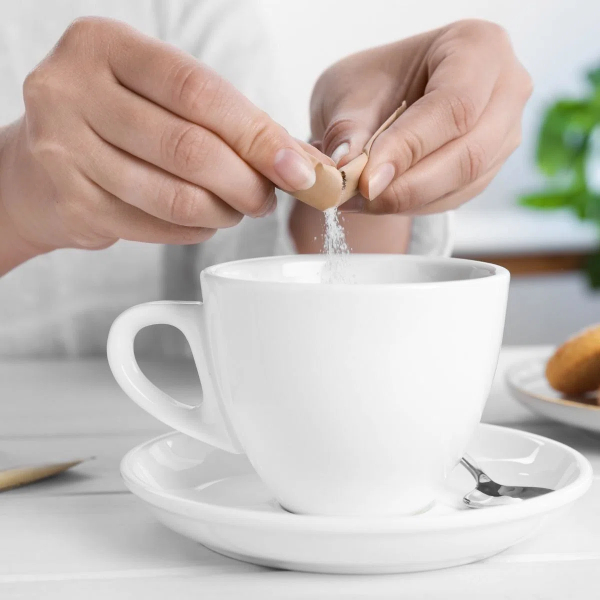
Common applications of aspartame include carbonated soft drinks and powdered drink mixes labeled as "diet," "zero sugar," or "sugar‑free," where aspartame provides intense sweetness with very few calories. Aspartame is also used in sugar‑free chewing gum, candies, tabletop sweeteners, vitamin and mineral tablets, and many low‑calorie or functional foods, often in combination with polyols or other high‑intensity sweeteners to create a sugar‑like taste curve.
From a regulatory perspective, aspartame comes not only from amino acids and chemical synthesis but also from decades of toxicological testing and safety evaluations. Expert bodies such as the European Food Safety Authority, the Joint FAO/WHO Expert Committee on Food Additives, the U.S. FDA, and many national regulators have evaluated how aspartame and its breakdown products behave in the body.
These organizations have set acceptable daily intake (ADI) levels for aspartame and concluded that aspartame is safe for the general population at current exposure levels. For individuals with phenylketonuria (PKU), a genetic disorder affecting phenylalanine metabolism, aspartame‑containing products must carry warnings because aspartame inherently delivers phenylalanine when it is digested.
In modern formulation practice, aspartame often serves as one component in multi‑sweetener systems that combine high‑intensity sweeteners with polyols or dietary fibers to create advanced low‑calorie solutions. Such blends aim to optimize taste, reduce calories, and improve stability while keeping aspartame usage within comfortable safety margins and providing label flexibility.
Aspartame can be combined with sweeteners like acesulfame‑K, sucralose, stevia extracts, or monk fruit, and with polyols such as erythritol, xylitol, or isomalt, to create sugar‑like sweetness curves and mouthfeel in beverages, confectionery, and nutraceutical tablets. Contract manufacturers and OEM/ODM partners in the sweetener sector use aspartame‑based blends in customized formulations, adjusting the synergy between aspartame and other sweeteners to meet regional taste preferences, calorie targets, and regulatory requirements.
Beyond mainstream foods and beverages, aspartame also appears in healthcare and nutritional products where controlled sweetness is needed without adding sugar. Many vitamin and mineral tablets, effervescent powders, oral rehydration products, and protein shakes rely on aspartame to mask off‑flavors and deliver a pleasant taste with minimal impact on blood sugar.
For manufacturers in the healthcare sector, the origin of aspartame in amino acids is particularly relevant because it allows transparent labeling and predictable digestion pathways. OEM/ODM producers can design aspartame‑based tablet sweeteners, chewable supplements, and functional beverages that balance sweetness, stability, cost, and nutritional requirements in line with local regulations and medical recommendations.
Aspartame competes with and complements several other high‑intensity sweeteners, each with its own origin and production route. Sucralose, for example, comes from chlorinated sucrose; acesulfame‑K is synthesized from acetoacetic acid derivatives; stevia and monk fruit extracts are derived from plant leaves and fruits through extraction and purification.
Compared with these alternatives, aspartame's peptide origin gives it a sweetness profile that many consumers describe as closer to sugar, particularly in beverages and dairy products. At the same time, the peptide nature of aspartame means it is less heat‑stable than some other sweeteners, so formulators must consider both origin and stability when choosing the best sweetener system.
As environmental concerns grow, producers of aspartame are working to optimize fermentation yields, improve catalyst recovery, and reduce solvent use in order to minimize waste and energy consumption. More efficient strains for L‑phenylalanine and L‑aspartic acid fermentation help decrease the raw material footprint of aspartame and make the overall process more sustainable.
Process intensification and better solvent recovery systems also decrease emissions and improve the life‑cycle performance of aspartame compared with older production methods. In addition, enzymatic synthesis routes for aspartame can reduce side‑products and enable milder reaction conditions, which further improves the environmental profile and cost structure of aspartame manufacturing.
| Aspect | Where aspartame comes from and how it is made |
|---|---|
| Core building blocks | L‑aspartic acid and L‑phenylalanine produced mainly by microbial fermentation |
| Key transformations | Protection of aspartic acid, methylation of phenylalanine, peptide condensation |
| Production routes | Classical chemical synthesis, enzymatic synthesis, and recombinant peptide routes |
| Final physical form | High‑purity aspartame crystals used in food, beverages, and health products |
| Typical applications | Diet drinks, sugar‑free gum, tabletop sweeteners, functional foods and supplements |
This table summarizes how aspartame originates from basic nutrients via fermentation, then passes through chemical and biotechnological steps before becoming a widely used low‑calorie sweetener. The origin in amino acids strongly shapes aspartame's sensory profile, stability, and preferred application fields.
Aspartame comes from a carefully engineered chain that begins with microbial fermentation of nutrients into the amino acids L‑aspartic acid and L‑phenylalanine and ends with a precisely synthesized, purified dipeptide sweetener. Through protection, methylation, condensation, and purification steps—sometimes aided by enzymes or recombinant technologies—these amino acid building blocks are transformed into high‑intensity aspartame crystals used worldwide in foods, beverages, nutritional products, and health applications under well‑defined safety regulations. For manufacturers and brand owners, understanding where aspartame comes from and how aspartame is made is the foundation for designing modern low‑calorie formulations, optimizing sweetener blends, and communicating clearly with consumers about the origin and role of aspartame in their products.
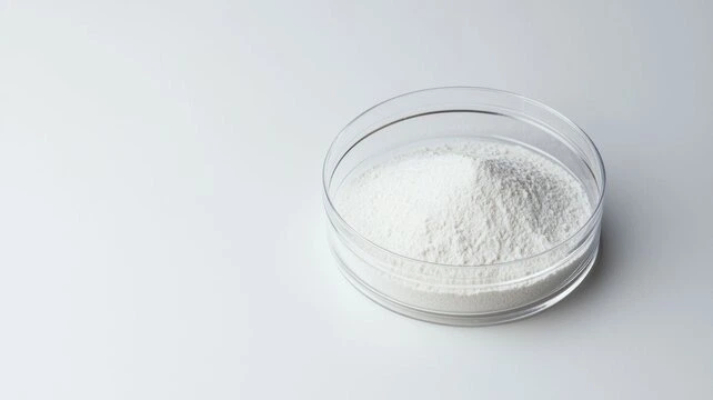
Aspartame is made primarily from two amino acids, L‑aspartic acid and L‑phenylalanine, which originate from microbial fermentation using carbon and nitrogen feedstocks such as sugars and ammonia. Methanol is also used to convert phenylalanine into its methyl ester, an essential step in forming the final aspartame molecule and achieving the correct sweetness characteristics of aspartame.
Aspartame itself does not occur naturally; it is a synthetic dipeptide sweetener created by chemically or enzymatically joining fermentation‑derived amino acids and adding a methyl group. However, its components—phenylalanine and aspartic acid—are naturally occurring amino acids found in many proteins and biological systems, which is why the body can metabolize aspartame into familiar substances.
Sugar (sucrose) typically comes directly from plant sources such as sugarcane or sugar beet, where it is extracted, purified, and crystallized with relatively simple processing. Aspartame, by contrast, comes from industrial fermentation and synthesis of amino acids, followed by multiple chemical and purification steps to yield a peptide‑based sweetener about 200 times sweeter than sucrose and suitable for low‑calorie applications.
The safety of aspartame, including its breakdown into aspartic acid, phenylalanine, and methanol, has been evaluated by bodies such as the European Food Safety Authority, the Joint FAO/WHO Expert Committee on Food Additives, the U.S. Food and Drug Administration, and many national regulators. These organizations have set acceptable daily intake levels and concluded that aspartame is safe for the general population at current exposure levels, with special labeling requirements for people with phenylketonuria due to the phenylalanine released from aspartame.
Yes, aspartame is frequently blended with other high‑intensity sweeteners and with polyols to balance sweetness, improve taste quality, and manage costs in food and beverage formulations. Such aspartame‑based blends are widely used in diet beverages, sugar‑free confectionery, functional foods, and health products, and they are often produced by OEM/ODM partners specializing in customized sweetener systems that leverage the unique origin and properties of aspartame.


