


Content Menu
● Chemical Structure and Discovery of Sucralose
● Production Process of Sucralose
● Applications in Food and Beverages
● Sucralose in Healthcare and Pharmaceuticals
● Safety Profile and Regulatory Approvals
● Scientific Research on Sucralose
● Sucralose vs. Other Sweeteners
● Market Trends and Future of Sucralose
>> 1. What is sucralose made from?
>> 2. Is sucralose safe for diabetics?
>> 3. Can sucralose be used in baking?
>> 4. How much sucralose is safe daily?
>> 5. Does sucralose cause weight gain?
Sucralose is a zero-calorie artificial sweetener derived from sugar, renowned for its exceptional sweetness—about 600 times sweeter than sucrose—making it a popular choice in the food, beverage, and healthcare industries. As a Chinese factory specializing in natural sweeteners, functional polyols, dietary fibers, blended-sweetener development, tablet production, and OEM/ODM services for overseas manufacturers, we leverage sucralose extensively in our health solutions for global clients. Sucralose stands out due to its heat stability, pH tolerance, and clean taste profile, allowing seamless sugar replacement without compromising flavor or texture in countless products.[11][12]
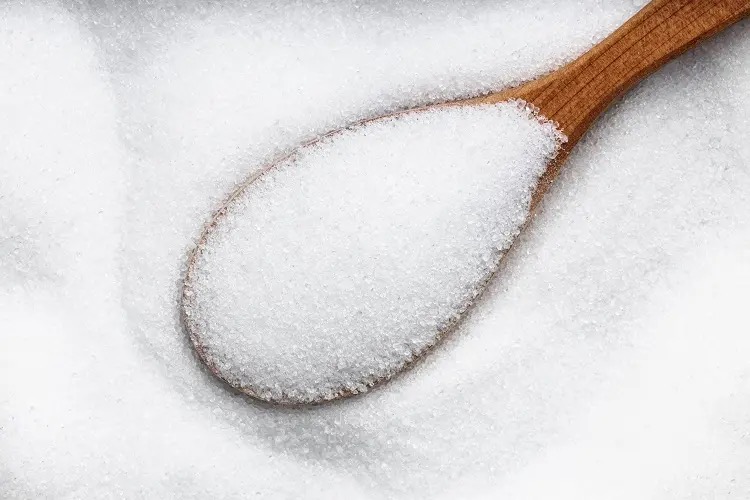
Sucralose originates from sucrose, the common table sugar, through a selective chlorination process where three hydroxyl groups are replaced by chlorine atoms. This modification renders sucralose indigestible, ensuring it passes through the body unmetabolized, contributing virtually no calories. Discovered in 1976 by researchers at Queen Elizabeth College in London, sucralose underwent rigorous development before commercial launch under brands like Splenda in 1998.[11]
The unique structure of sucralose—specifically, the chlorine substitutions at positions 4, 6, and 1—confers its intense sweetness while enhancing stability during cooking, baking, and storage. Unlike natural sugars, sucralose does not caramelize or break down under high temperatures up to 200°C, making it ideal for processed foods. This property has propelled sucralose into widespread use, with global production scaling to meet demands in low-sugar formulations.[3][13]
Manufacturing sucralose involves a multi-stage patented synthesis starting with high-purity sucrose. The process includes protection, acetylation, chlorination, deprotection, and purification steps, yielding a white crystalline powder with over 99% purity. Our factory in China employs advanced sucralose production techniques, integrating it into blended sweeteners tailored for international OEM/ODM partners in food and beverage sectors.[11]
Sucralose production emphasizes quality control, adhering to pharmacopeia standards like USP and EP. Bulk sucralose is often diluted with carriers such as maltodextrin or dextrose for table-top use, comprising just 1-2% active sucralose. Innovations in sucralose manufacturing have reduced costs, enabling affordable supply chains for health ingredient solutions worldwide.[12]
Sucralose excels in beverages, providing sweetness in diet sodas, energy drinks, iced teas, and flavored waters without aftertaste or caloric load. Its solubility exceeds 200g/L in water, ensuring uniform distribution even in carbonated products. In our OEM services, we formulate sucralose-based syrups for beverage giants seeking sugar reduction.[13][14]
Baked goods benefit from sucralose's thermal stability, used in cakes, muffins, breads, and cookies to mimic sugar's bulking effect when blended with fibers. Dairy applications include yogurts, ice creams, and puddings, where sucralose maintains creaminess sans calories. Confectionery like gums and hard candies leverages sucralose for prolonged sweetness release.[13]
In healthcare, sucralose sweetens nutritional supplements, protein shakes, and diabetic-friendly tablets produced via our specialized tablet manufacturing lines. Sucralose's non-glycemic nature suits medical foods for diabetes management, with no impact on blood glucose or insulin. We develop custom sucralose blends with polyols and fibers for overseas pharma clients.[12]
Oral care products like toothpastes and mouthwashes incorporate sucralose for pleasant taste without promoting caries, unlike sugar. Sucralose also appears in chewable vitamins and pediatric syrups, enhancing compliance through superior mouthfeel.[14]
Sucralose delivers intense sweetness at microgram levels, slashing calorie content by up to 99% in formulations. Its sucrose-like taste avoids metallic notes common in other sweeteners, synergizing well with flavors. For weight management, sucralose supports low-calorie diets without hunger triggers.[6][11]
Dentally safe, sucralose bypasses fermentation by oral bacteria, reducing cavity risk. Long shelf life—up to two years—preserves product integrity. In blended systems, sucralose pairs with stevia or erythritol for balanced sweetness, a core service in our factory's sweetener development.[13]
Sucralose underwent over 110 safety studies before FDA approval in 1998, establishing an ADI of 5 mg/kg body weight. Agencies like EFSA, JECFA, and Health Canada affirm its safety, with no evidence of carcinogenicity, mutagenicity, or reproductive toxicity at human exposure levels.[9][6]
Excreted unchanged in urine and feces, sucralose shows minimal absorption (11-27%). Extensive reviews confirm no adverse effects on gut microflora in humans, despite early rodent concerns. Global consensus positions sucralose as safe for all populations, including children and pregnant women.[3][12]
Numerous studies validate sucralose's metabolic inertness. Human trials demonstrate no changes in fasting glucose, insulin, or GLP-1 post-consumption. A 12-week RCT found no impact on body weight or composition in healthy adults.[10][6]
Emerging research explores high-dose effects in animals, like T-cell modulation in mice, but human-equivalent doses exceed typical intake. Gut microbiota studies show transient shifts reversible upon cessation, with no clinical significance.[1][3]
Some investigations note potential insulin sensitivity variations, yet meta-analyses affirm overall safety. Ongoing research refines understanding, but regulatory bodies maintain approvals based on comprehensive data.[2][4]
| Sweetener | Sweetness (vs. Sucrose) | Calories | Heat Stability | Glycemic Impact | Common Uses |
|---|---|---|---|---|---|
| Sucralose | 600x | 0 | Excellent | None | Beverages, baking, pharma wikipedia |
| Aspartame | 200x | 4/kcal | Poor | None | Drinks, tabletop fda |
| Stevia | 300x | 0 | Good | None | Blends, natural products easybuyingredients |
| Erythritol | 0.6x | 0.2 | Excellent | Low | Polyol blends, confections sucralose |
| Acesulfame-K | 200x | 0 | Excellent | None | Soft drinks wikipedia |
Sucralose outperforms in versatility, especially baking, making it a staple in our OEM sweetener blends.
Global sucralose demand surges with clean-label trends and diabetes prevalence, projected to grow 5% annually. Innovations like encapsulated sucralose enhance controlled release in gums. Our factory supplies premium sucralose for sustainable, low-sugar innovations.[13]
Sustainability drives sucralose use in plant-based milks and functional foods. Regulatory expansions in Asia bolster exports, aligning with our focus on health solutions for beverages and healthcare.[12]
Sucralose revolutionizes sugar reduction as a stable, safe, zero-calorie sweetener integral to food, beverage, and healthcare formulations. From beverages to tablets, sucralose enables delicious, health-focused products without compromise. As experts in natural sweeteners, polyols, fibers, and OEM/ODM services, our Chinese factory delivers superior sucralose solutions for global manufacturers, supporting wellness worldwide.
Sucralose is derived from sucrose via chlorination, replacing three OH groups with Cl atoms for non-digestibility.[11]
Yes, sucralose has zero glycemic impact, approved for diabetes management by FDA and EFSA.[9][12]
Sucralose withstands high heat, ideal for cakes, cookies, and breads without sweetness loss.[13]
ADI is 5 mg/kg body weight; typical intake is far below, deemed safe by regulators.[6]
No, studies show sucralose aids calorie reduction without promoting obesity.[4][10]
[1](https://www.nature.com/articles/s41586-023-05801-6)
[2](https://pmc.ncbi.nlm.nih.gov/articles/PMC10971371/)
[3](https://pmc.ncbi.nlm.nih.gov/articles/PMC3856475/)
[4](https://usrtk.org/sweeteners/sucralose-emerging-science-reveals-health-risks/)
[5](https://www.frontiersin.org/journals/nutrition/articles/10.3389/fnut.2024.1387646/full)
[6](https://www.sciencedirect.com/science/article/pii/S0278691517302818)
[7](https://www.neurology.org/doi/10.1212/WNL.0000000000214023)
[8](https://www.healthline.com/health-news/sucralose-a-common-artificial-sweetener-may-increase-cancer-risk)
[9](https://www.fda.gov/food/food-additives-petitions/aspartame-and-other-sweeteners-food)
[10](https://www.sciencedirect.com/science/article/pii/S0273230017301265)
[11](https://en.wikipedia.org/wiki/Sucralose)
[12](https://caloriecontrol.org/sucralose/)
[13](https://easybuyingredients.com/blog/unleashing-the-versatility-and-functionality-of-sucralose-with-these-hidden-applications-in-the-food-beverage-industry/)
[14](https://www.sucralose.in/application.php)


