


Content Menu
● Chemical Composition and Structure of Aspartame
● Synthesis and Metabolism of Aspartame
● History and Regulatory Approval
● Health Considerations and Safety
● Frequently Asked Questions (FAQ)
>> 1. What is aspartame made of?
>> 2. How sweet is aspartame compared to regular sugar?
>> 3. Is aspartame safe for everyone to consume?
>> 4. How is aspartame metabolized in the body?
>> 5. When was aspartame approved for use in food products?
Aspartame is a widely used artificial sweetener known for its intense sweetness and low-calorie profile. Chemically, it is made from two natural amino acids— aspartic acid and phenylalanine— combined with a small amount of methanol. These components are metabolized by the body like naturally occurring substances, which is why aspartame is used extensively to replace sugar in many foods and beverages worldwide.

Aspartame's chemical structure is L-aspartyl-L-phenylalanine methyl ester, created by chemically bonding aspartic acid and phenylalanine with a methyl ester group. Aspartic acid and phenylalanine are amino acids that naturally occur in many protein-rich foods such as meat, dairy, and eggs. Methanol is also naturally present in various fruits and vegetables. In terms of quantity, aspartame is about 40% aspartic acid, 50% phenylalanine, and 10% methanol by weight. Despite containing methanol, the amount in aspartame is minimal compared to natural food sources, and is metabolized safely by the human body.
The sweetener is roughly 200 times sweeter than sucrose (table sugar), which means a very small amount can provide a significant sweetness effect without adding many calories. This characteristic has made aspartame popular in products marketed as "diet," "sugar-free," or "low calorie."
Aspartame was first synthesized in 1965 by chemist James M. Schlatter, who accidentally discovered its sweetness while working on a project related to anti-ulcer drugs. He noticed a sweet taste when his finger, contaminated with the compound, touched his tongue. Following its discovery, extensive studies and safety evaluations were conducted before aspartame was approved for use.
When ingested, aspartame is broken down in the digestive tract into three components: aspartic acid, phenylalanine, and methanol. These constituents are absorbed and metabolized naturally. Aspartic acid and phenylalanine are amino acids integrated into normal protein metabolism. Methanol is converted into formaldehyde and then to formic acid, but the small amounts involved from aspartame consumption are considered safe by food safety authorities globally.
The discovery of aspartame in 1965 marked a significant milestone in artificial sweeteners. After rigorous toxicological evaluations and regulatory review processes, the U.S. Food and Drug Administration (FDA) first approved aspartame for use as a sweetener in dry foods in 1981, and later expanded approval to include beverages in 1983. The European Union approved aspartame in 1994, and today it is authorized for use in more than 100 countries worldwide.
Aspartame's journey to approval was marked by initial controversy and scrutiny over safety studies, with critics raising concerns about its potential health risks. Multiple scientific reviews by regulatory agencies such as the FDA, European Food Safety Authority (EFSA), and others have repeatedly confirmed aspartame's safety within acceptable daily intake limits established for consumers.
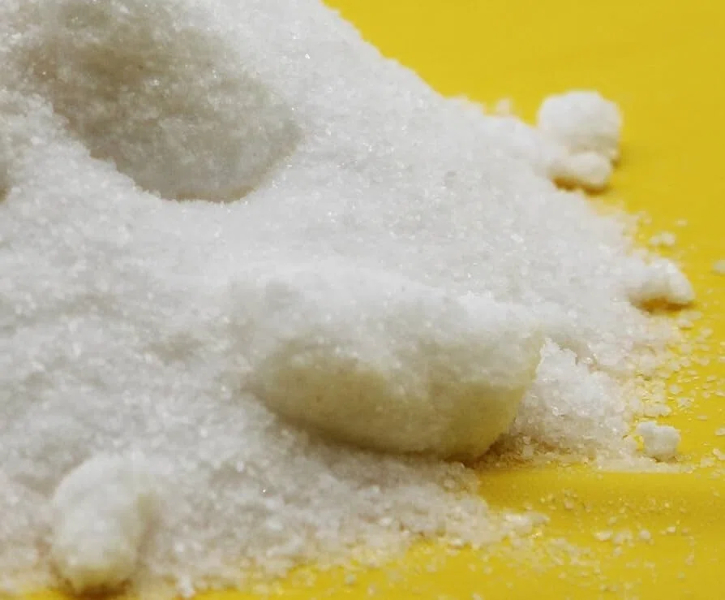
Aspartame is commonly found in a variety of food and beverage items including sugar-free sodas, chewing gum, tabletop sweeteners, yogurt, desserts, and pharmaceutical syrups. Its intense sweetness and low caloric value make it a preferred sugar substitute for individuals seeking to reduce caloric intake or manage conditions like diabetes and obesity.
Its wide acceptance and use have helped reduce sugar consumption globally, contributing to public health efforts aimed at combating obesity and related metabolic diseases.
Most global health authorities recognize aspartame as safe for the general population when consumed within the acceptable daily intake (ADI) limits. The ADI is set at approximately 40-50 mg per kilogram of body weight per day, an amount far above typical consumption levels for most people.
However, individuals with phenylketonuria (PKU), a rare genetic disorder, must avoid aspartame because they cannot metabolize phenylalanine properly. For these individuals, dietary phenylalanine accumulation can lead to serious health issues.
Although some studies have suggested potential adverse effects from very high aspartame intake, comprehensive reviews of a large number of studies have found no convincing evidence of harm at typical consumption levels. Methanol produced from aspartame breakdown is also found in larger quantities naturally in many fruits, vegetables, and fermented beverages, without harmful effects.
Aspartame is an artificial sweetener made primarily of two amino acids (aspartic acid and phenylalanine) and a small amount of methanol. It is around 200 times sweeter than sugar, making it a highly efficient sugar substitute with minimal calories. Discovered accidentally in 1965, aspartame underwent extensive research before regulatory approval and is now used worldwide in numerous food and drink products. Though generally safe for the population, people with phenylketonuria need to avoid it. Scientific consensus supports aspartame's safety when consumed within recommended limits.

Aspartame consists of two amino acids, aspartic acid and phenylalanine, along with a small amount of methanol.
Aspartame is about 200 times sweeter than sucrose (table sugar).
Aspartame is safe for most people but must be avoided by those with phenylketonuria (PKU) due to their inability to process phenylalanine.
It breaks down into aspartic acid, phenylalanine, and methanol, all of which are normally metabolized by the body.
Aspartame was first approved by the FDA in 1981 for dry foods and in 1983 for beverages, later gaining approval worldwide.
[1](https://aspartame.org/history-controversy/)
[2](https://en.wikipedia.org/wiki/Aspartame)
[3](https://drinkperfy.com/blogs/all/a-brief-history-of-aspartame)
[4](https://pmc.ncbi.nlm.nih.gov/articles/PMC8227014/)
[5](https://www.greenfacts.org/en/aspartame/l-2/aspartame-1.htm)
[6](https://en.wikipedia.org/wiki/Aspartame_controversy)
[7](https://www.fda.gov/food/food-additives-petitions/timeline-selected-fda-activities-and-significant-events-addressing-aspartame)
[8](https://www.fda.gov/food/food-additives-petitions/aspartame-and-other-sweeteners-food)
[9](https://pmc.ncbi.nlm.nih.gov/articles/PMC8497813/)
[10](https://theecologist.org/2005/aug/30/aspartame)


