


Content Menu
● Natural Sources of Erythirol
● Production Process of Erythirol
● Health Benefits of Erythirol
● Safety and Side Effects of Erythirol
● Applications in Food and Beverages
● Erythirol in Healthcare Products
● Comparing Erythirol to Other Sweeteners
● Regulatory Status of Erythirol
● FAQ
>> 1. What is Erythirol made from?
>> 2. Is Erythirol safe for daily use?
>> 3. Does Erythirol raise blood sugar?
>> 4. Can Erythirol replace sugar 1:1?
>> 5. Where to source Erythirol for OEM services?
Erythirol stands out as a premier natural sugar alcohol sweetener revolutionizing the food, beverage, and healthcare sectors. This zero-calorie alternative to sugar delivers exceptional sweetness with remarkable health benefits, making Erythirol indispensable for manufacturers seeking innovative solutions. Chinese factories specializing in Erythirol production lead global supply with advanced fermentation techniques for superior purity.

Erythirol, chemically known as C4H10O4, occurs naturally as a four-carbon sugar alcohol found in fruits like pears, grapes, melons, and even some fermented foods. Unlike traditional sugar, Erythirol provides 60-70% of sugar's sweetness intensity while contributing virtually zero calories, making it ideal for low-carb, keto, and diabetic-friendly diets. Its fine crystalline structure closely mimics granulated sugar's texture and volume, allowing seamless substitution in a wide range of recipes without altering mouthfeel or baking performance.[1][2]
Erythirol is rapidly absorbed in the small intestine—about 90%—and excreted unchanged via urine, bypassing full metabolism that would otherwise spike blood sugar or insulin levels. This unique pharmacokinetic profile positions Erythirol as a top choice for functional foods and beverages where glycemic control is paramount. High-purity Erythirol, exceeding 99.5% as produced by specialized Chinese factories, supports OEM/ODM services for custom blends with other polyols and dietary fibers.[3][1]
Beyond its sweetness, Erythirol offers a clean taste profile with minimal aftertaste, enhancing flavor delivery in complex formulations. Manufacturers appreciate Erythirol's stability under high temperatures, making it suitable for cooking, baking, and pasteurization processes common in beverage production. As demand grows, Erythirol's role in health solutions expands, driven by consumer preferences for natural, low-calorie options.[4]
Erythirol exists in trace amounts in various natural sources, including fermented foods like wine, beer, soy sauce, miso, and certain cheeses, where yeasts and bacteria naturally produce it during fermentation. Fruits such as watermelon, peaches, pears, and grapes contain small quantities of Erythirol, contributing to their inherent sweetness without adding significant calories. These natural occurrences highlight Erythirol's compatibility with human physiology, as the body already processes it endogenously in minor amounts.[3]
In commercial production, Chinese manufacturers scale up Erythirol from renewable corn starch, vastly increasing its availability for global food, beverage, and healthcare applications. This corn-based origin aligns with clean-label trends, appealing to consumers wary of synthetic additives. Erythirol's presence in everyday natural foods reinforces its safety and wholesomeness, encouraging its use in innovative product developments.[2]
Exploring Erythirol's natural footprint reveals its evolution from minor dietary component to staple sweetener. Trace levels in mushrooms and algae further underscore Erythirol's ubiquity in nature, providing reassurance for long-term consumption in diverse diets.[1]
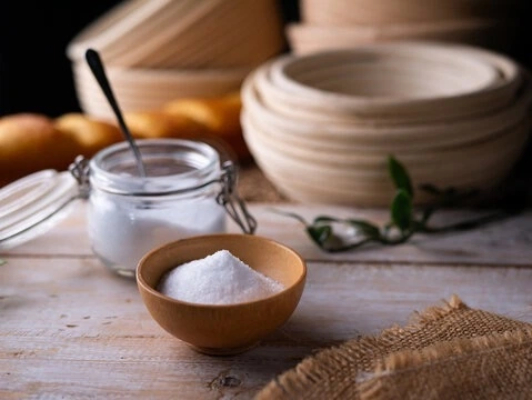
Erythirol production starts with enzymatic hydrolysis of corn starch to generate glucose syrup, which serves as the substrate for microbial fermentation. Specialized osmophilic yeasts, such as Yarrowia lipolytica or Moniliella pollinis, ferment the glucose under precisely controlled conditions of pH 3.5-5.5, temperature 28-32°C, and oxygen limitation to maximize Erythirol yield up to 60-65%. Post-fermentation, the broth undergoes centrifugation to remove yeast cells, followed by ultra-filtration for clarity.[5][6][7]
Purification is critical: ion-exchange chromatography removes impurities, decolorization with activated carbon ensures whiteness, and demineralization via electrodialysis prepares the solution for evaporation. Cooling crystallization then forms pure Erythirol crystals, which are centrifuged, washed, dried, and sieved into granular or powdered grades tailored for specific uses like tablet compression or beverage dissolution. Chinese facilities, including leaders like Shandong Sanyuan Biotechnology, operate at scales over 100,000 tons annually, employing fed-batch fermentation for efficiency and low contamination.[8][9][1]
Innovations in Erythirol production include genetic engineering of yeasts for higher yields and reduced byproducts, alongside membrane technologies for greener downstream processing. These advancements lower costs while maintaining Erythirol purity above 99.9%, meeting stringent OEM/ODM requirements for blended sweeteners, functional polyols, and dietary fibers. Factories integrate automation for consistent Erythirol quality, supporting exports to food and healthcare manufacturers worldwide.[10]
Erythirol promotes dental health by resisting fermentation by oral bacteria like Streptococcus mutans, preventing acid production that leads to cavities—unlike sugar, which fuels decay. Its non-glycemic index (GI=0) avoids blood glucose spikes, making Erythirol essential for diabetes management, prediabetes, and metabolic syndrome. Studies indicate Erythirol may enhance insulin sensitivity and reduce oxidative stress through mild antioxidant activity, supporting liver and overall cellular health.[2][4][3]
For weight management, Erythirol provides bulk and satiety without calories, helping curb sugar cravings in low-calorie diets. Athletes and fitness enthusiasts incorporate Erythirol into sports drinks and bars for hydration without GI distress, as it doesn't draw water into the intestines like some polyols. Erythirol's role in functional beverages extends to gut health, where it acts as a mild prebiotic, fostering beneficial microbiota.[11]
Long-term benefits of Erythirol include potential cardiovascular support via lower insulin demands, though moderation remains key. In healthcare, Erythirol enables palatable supplements for children and seniors, enhancing compliance in fiber-enriched or polyol-blended products from Chinese production lines.[12]
Erythirol enjoys GRAS (Generally Recognized as Safe) status from the FDA, EFSA approval in Europe, and JECFA endorsement by WHO, with an acceptable daily intake "not specified" due to its inert nature. Over 90% absorption prevents colonic fermentation, minimizing bloating, gas, or laxation compared to sorbitol or mannitol—tolerable doses exceed 1g/kg body weight for most. Rare sensitivities occur at ultra-high intakes (>50g/day), but everyday food levels pose no issue.[13][14][3]
Emerging research notes transient blood Erythirol elevations post-consumption may activate platelets in vitro, prompting caution for those with clotting risks, though human trials show no clinical events at typical doses. No links exist to cancer, allergies, or developmental toxicity. Chinese producers rigorously test Erythirol for heavy metals and microbes, ensuring compliance for global healthcare OEM.[15][16][17]
Erythirol fits keto, vegan, halal, and kosher standards seamlessly. Ongoing 2025 studies reaffirm its safety profile amid rising polyol scrutiny.[18]
Erythirol shines in sugar-free confections, gums, chocolates, and hard candies, delivering sugar-like crystallization control and body. In beverages—diet sodas, teas, coffees, protein shakes, and energy drinks—Erythirol provides clean sweetness, mouthfeel, and freeze-point depression for smoother textures. Its heat and acid stability suits yogurts, ice creams, and sauces without breakdown.[19][11][12]
Baked goods like cookies, cakes, breads, and pastries gain volume and tenderness from Erythirol blends, perfect for low-carb alternatives. Chinese factories customize Erythirol for OEM mixes, enabling one-stop solutions for tablet pressing and powdered blends. In snacks, Erythirol prevents humectancy issues, maintaining crispness.[20]
Erythirol enhances flavored waters, kombuchas, and functional drinks, pairing with fibers for satiety. Its versatility drives innovation in plant-based and clean-label products.[21]
In healthcare, Erythirol sweetens diabetic meal replacements, nutritional shakes, and fiber supplements without glycemic impact. Compressed tablets with Erythirol offer rapid disintegration and palatability, ideal for pharmaceuticals and nutraceuticals. Blends with functional polyols and fibers target gut health, weight loss, and metabolic support.[8]
Healthcare beverages leverage Erythirol for low-calorie, insulin-stable options in clinical nutrition. Chinese OEM expertise delivers scalable, high-purity Erythirol for global manufacturers.[9]
| Sweetener | Calories/g | Glycemic Impact | Digestive Tolerance | Cooling Effect | Heat Stability | Primary Uses |
|---|---|---|---|---|---|---|
| Erythirol | 0.2 | None | Excellent | Mild | High | Beverages, Baking, Tablets |
| Sucrose (Sugar) | 4.0 | High | N/A | None | High | Traditional Recipes |
| Xylitol | 2.4 | Low | Moderate | Pronounced | High | Oral Care, Gum |
| Stevia | 0 | None | Excellent | Bitter Aftertaste | High | Blends, Liquids |
| Sorbitol | 2.6 | Low | Poor at High Doses | Mild | Moderate | Confections, Laxatives |
| Allulose | 0.4 | Low | Excellent | None | High | Baking Blends |
Erythirol excels in bulk, tolerance, and versatility for OEM food and healthcare.[13][1]
Erythirol secured FDA GRAS in 2001, EU Novel Food approval in 2006, and Japanese FOSHU status earlier. No ADI limits apply due to safety data. Chinese exports adhere to Codex and regional standards, with purity certifications.[10][13]
Erythirol demand surges 15% annually, fueled by obesity trends and clean-label shifts. Chinese factories expand with biotech upgrades, blending Erythirol with rare sugars for 1:1 sugar mimics. Sustainability via corn waste feeds innovation.[8]
Erythirol redefines healthy sweetness, offering zero-calorie excellence for food, beverages, and healthcare. Chinese factories pioneer premium Erythirol OEM/ODM, blending with polyols and fibers for global success.
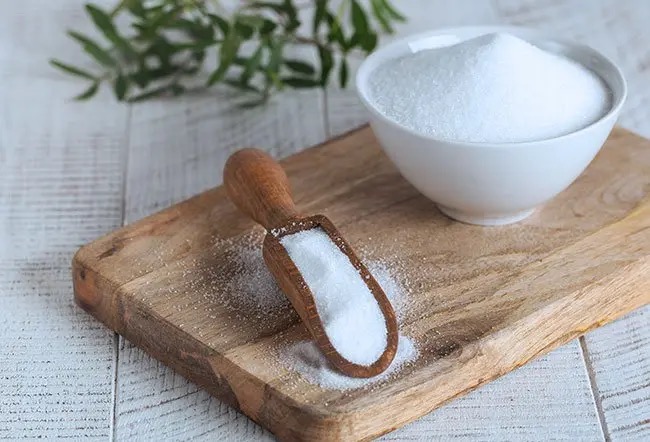
Erythirol derives primarily from fermented corn glucose using specialized yeasts, then purified into crystals via chromatography and crystallization.[5][1]
Yes, regulatory bodies worldwide approve Erythirol as safe with no specified upper limit, thanks to high absorption and minimal side effects.[3][13]
No, Erythirol has a glycemic index of zero, excreted unchanged without impacting insulin or glucose levels.[2]
Erythirol replaces sugar at a 1.3:1 ratio by weight for equivalent sweetness and bulk in most applications.[1]
Chinese factories like Shandong Sanyuan provide high-volume, custom Erythirol for tablets, blends, and beverages.[9][8]
[1](https://en.wikipedia.org/wiki/Erythritol)
[2](https://www.healthline.com/nutrition/erythritol)
[3](https://www.webmd.com/diet/what-is-erythritol)
[4](https://resources.healthgrades.com/right-care/food-nutrition-and-diet/erythritol)
[5](https://www.fine-mill.com/info/detailed-description-of-the-production-method-102837261.html)
[6](https://patents.google.com/patent/CN110564782A/en)
[7](https://www.newnaturebio.com/how-erythritol-is-made.html)
[8](https://www.sanudotrade.com/supplier-directory/largest-suppliers-of-erythritol-in-china)
[9](https://cnsanyuan.goldsupplier.com)
[10](https://www.usitc.gov/sites/default/files/publications/701_731/pub5583.pdf)
[11](https://satorianutrisentials.com/article/erythritol-applications-in-the-food-and-beverage-industry/)
[12](https://www.cargill.com/food-beverage/emea/zerose-erythritol-applications-and-benefits)
[13](https://www.bluecart.com/blog/erythritol-artificial-sweeteners)
[14](https://www.medicinenet.com/what_are_the_dangers_of_erythritol/article.htm)
[15](https://www.lerner.ccf.org/news/article/?title=New+study+compares+effects+of+artificial+sweetener+erythritol+and+sugar&id=d177e14f9e80d5ac45a329c97f65b12208a2fed3)
[16](https://pmc.ncbi.nlm.nih.gov/articles/PMC10334259/)
[17](https://newsroom.clevelandclinic.org/2024/08/08/cleveland-clinic-study-adds-to-increasing-evidence-that-sugar-substitute-erythritol-raises-cardiovascular-risk)
[18](https://medicalxpress.com/news/2025-06-major-sugar-substitute-impair-brain.html)
[19](https://oobli.com/blogs/news/what-drinks-contain-erythritol)
[20](https://www.cargill.com/food-bev/emea/sweeteners/zerose-erythritol)
[21](https://www.cspi.org/article/products-contain-erythritol-julaug-2024-frozen-treats-chart)


