


Content Menu
● Common Beverages Containing Aspartame
● Aspartame in Confectionery and Snacks
● Aspartame in Dairy and Desserts
● Pharmaceutical and Healthcare Applications
● Tabletop and Miscellaneous Uses
● Blending Aspartame with Natural Sweeteners
● Safety and Regulatory Overview of Aspartame
● Global Market Presence of Aspartame
● Innovations Involving Aspartame
● Detailed Product Categories Table
● FAQ
>> 1. What is aspartame made from?
>> 2. Is aspartame safe for daily use?
>> 3. Why is aspartame used in diet sodas?
>> 4. Can aspartame be used in baking?
>> 5. Where can I find aspartame-free alternatives?
Aspartame is a widely used artificial sweetener found in thousands of low-calorie and sugar-free products worldwide, including diet sodas, chewing gum, and yogurt. This high-intensity sweetener, about 200 times sweeter than sugar, helps manufacturers create tasty options without added calories, making it a staple in the food, beverage, and healthcare industries. As a factory specializing in natural sweeteners, functional polyols, and dietary fibers for these sectors, we appreciate how aspartame fits into blended sweetener solutions for OEM/ODM services.[1][2]

Diet sodas dominate the list of products with aspartame, as this sweetener provides the familiar sweetness consumers crave without sugar's calories. Brands like Diet Coke, Pepsi Max, and countless generic diet colas rely heavily on aspartame to deliver refreshing taste in carbonated drinks that fizz with flavor yet keep calorie counts near zero. Iced teas, powdered drink mixes like sugar-free lemonade, and flavored sparkling waters also frequently incorporate aspartame for zero-calorie appeal, allowing people to stay hydrated without compromising on taste.[2][1]
Juices labeled as "light" or "sugar-free," such as reduced-sugar apple or cranberry varieties, often use aspartame blended with other sweeteners like acesulfame potassium to mimic natural fruit sugars effectively. Wine coolers, low-calorie milk drinks, and even sports recovery beverages benefit from aspartame's stability in liquids, ensuring consistent sweetness throughout shelf life and consumption. Aspartame's solubility makes it ideal for these applications, where it dissolves quickly without leaving a gritty residue.[3][1]
Aspartame appears prominently in instant coffees, teas, and hot chocolate mixes, where it enhances flavor without overpowering the natural bitterness of the base ingredients. Functional beverages designed for weight management, energy boosting, or hydration in the healthcare sector leverage aspartame for low-sugar profiles that appeal to diabetics and fitness enthusiasts alike. In regions around the world, from North America to Asia, aspartame-sweetened drinks have become synonymous with healthier lifestyle choices, driving massive market adoption.[4]
Chewing gum stands out as a key use for aspartame, providing long-lasting sweetness in sugar-free varieties like Orbit, Extra, and Trident. Breath mints, sugar-free hard candies, and throat lozenges rely on aspartame to freshen breath while controlling calories, offering a dental-friendly alternative to traditional sugary treats. These products showcase aspartame's quick-dissolving properties, which deliver an initial burst of sweetness followed by sustained flavor release.[1][2]
Cereals, particularly instant breakfast mixes, low-sugar granolas, and children's options, incorporate aspartame to appeal to health-conscious families seeking to reduce daily sugar intake. Cocoa mixes, instant pudding toppings, and even some protein-enriched snack bars use aspartame for indulgent taste minus the sugar crash that leads to energy dips. Aspartame's clean taste profile complements chocolate, fruit, and mint flavors without introducing unwanted aftertastes.[1]
Gelatin desserts, puddings, and frozen desserts like low-cal ice creams and sorbets feature aspartame for creamy textures without excess sweetness that could overwhelm delicate flavors. Yogurt in "light" or "no-added-sugar" varieties gets a significant boost from aspartame, balancing the natural tanginess of fermented milk perfectly. Aspartame's versatility shines in these snack innovations, enabling manufacturers to create portable, satisfying options for on-the-go consumers.[2][3]
Light yogurts, flavored milk drinks, and cottage cheese varieties frequently list aspartame as an ingredient, catering to dieters seeking creamy indulgence without the guilt of full-sugar products. Desserts such as instant puddings, pie fillings, and custard mixes use aspartame for smooth, sweet profiles in reduced-calorie recipes that maintain mouthfeel and satisfaction. This makes aspartame essential for dairy manufacturers aiming for clean labels and extended shelf stability.[4][1]
Chewable vitamin supplements, effervescent tablets, and pediatric syrups in the healthcare space often contain aspartame to mask unpleasant medicinal aftertastes, improving compliance for children and adults alike. Shake mixes for meal replacements and protein smoothies blend aspartame with dietary fibers and functional polyols, aligning perfectly with our factory's expertise in creating comprehensive health solutions. Aspartame enhances palatability in these formats, encouraging regular use.[1]
Baked goods like low-sugar muffins and toppings for fruits or pancakes benefit from aspartame's partial heat stability in certain formulations, though it's more prevalent in no-bake desserts and frostings. Aspartame enables innovative low-sugar pies, cakes, and cookies, expanding dessert options for those managing blood sugar levels. In combination with our natural fibers, aspartame supports gut-healthy indulgences.[4]
Aspartame sweetens a wide array of pharmaceuticals, including cough syrups, chewable tablets, laxatives, and antibiotics, making medications more palatable especially for children and the elderly. Over 600 medicines worldwide use aspartame to enhance patient adherence, turning bitter treatments into acceptable daily routines. In healthcare, aspartame supports sugar-free supplements, mouthwashes, and oral care rinses.[5]
Our factory's OEM/ODM services complement aspartame with natural alternatives like stevia, monk fruit, and erythritol blends for hybrid solutions in tablets, capsules, and powdered mixes. Dietary fibers paired with aspartame create functional health products targeting digestive wellness and metabolic support. Aspartame's role in these formulations ensures broad appeal across demographics.[6]
Laxatives, weight-control aids, and antacids incorporate aspartame for pleasant taste profiles, which are vital for long-term medical compliance in chronic conditions. Aspartame's broad utility extends beyond food into personalized medicine, where customized sweetness levels improve outcomes. Emerging trends include aspartame in nootropic drinks and cognitive supplements.[1]
Tabletop sweeteners like Equal, NutraSweet, and store-brand packets contain pure aspartame crystals for home use in coffees, teas, and baking recipes. These allow consumers to customize sweetness levels effortlessly, adding just the right amount of aspartame without measuring sugar.[2][1]
Aspartame appears in unexpected places like protein bars, energy gels for athletes, and keto-friendly snacks for fitness enthusiasts pursuing low-carb diets. Breath fresheners, lip balms with flavor, and even some pet treats experiment with aspartame for enhanced palatability. Its presence in personal care crossovers highlights aspartame's adaptability.[3]
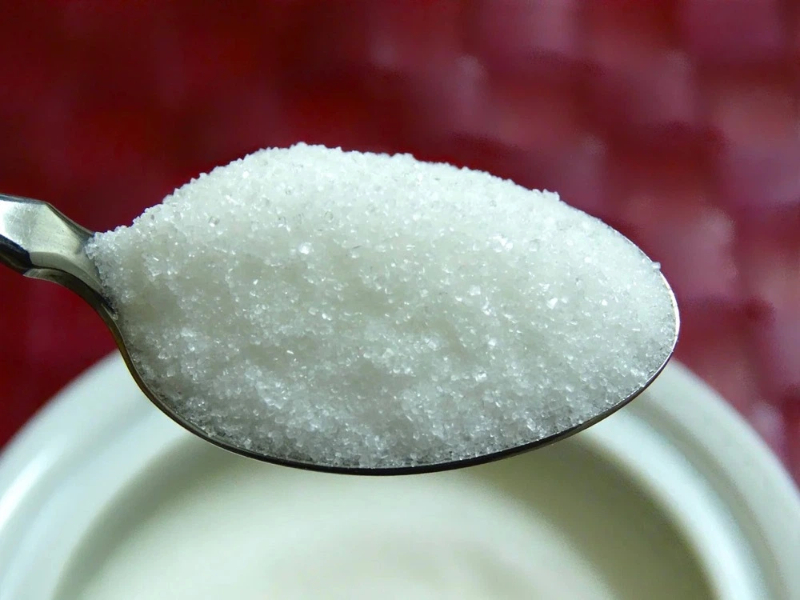
In modern formulations, aspartame blends seamlessly with natural sweeteners like stevia, monk fruit, and allulose from our production lines, reducing reliance on single artificial sources while achieving superior taste synergy. This hybrid approach offers cost-effective, clean-label appeal for beverages, tablets, and confections sought by international manufacturers. Our expertise in mixed sweetener development optimizes aspartame's profile for maximum consumer satisfaction.[7][6]
Such blends enhance stability in high-heat applications, mask potential aftertastes, and provide rounded sweetness ideal for OEM partners exporting to regulated markets. Aspartame remains central in these combinations, amplified by functional polyols and fibers for comprehensive gut health and blood sugar management benefits. Innovations continue to evolve, with aspartame blends leading low-glycemic product lines.[4]
Regulatory bodies like the FDA have approved aspartame for general use since 1974, with over 200 studies confirming its safety in moderated amounts for the general population. It's labeled as E951 in Europe and approved by JECFA globally, ensuring transparency and standardized usage guidelines. Aspartame metabolizes into safe components: aspartic acid, phenylalanine, and small amounts of methanol, all naturally occurring in foods like tomatoes and cheese.[3][4]
Clear warnings for individuals with phenylketonuria (PKU) appear on labels, promoting responsible consumption. Extensive reviews by WHO and EFSA reaffirm aspartame's place in balanced diets, with an acceptable daily intake of 40-50 mg/kg body weight. Decades of real-world use by billions underscore aspartame's reliability.[1]
Aspartame powers over 6,000 products globally, from U.S. diet sodas and European light yogurts to Asian functional teas and Latin American gum varieties. Market growth ties directly to rising health awareness, obesity concerns, and demand for low-cal innovations where aspartame excels.[1]
Our China-based factory supplies international manufacturers with aspartame-compatible blends, custom tablet pressing, and ODM formulations, fostering strong partnerships across continents. Aspartame's ubiquity drives sustained demand for scalable production services tailored to export standards. Emerging markets in the Middle East and Africa show accelerating aspartame adoption.[6]
New aspartame formulations target keto, diabetic, and vegan markets, often blended with polyols like xylitol for improved texture and moisture retention. Encapsulated aspartame extends shelf life in gums and bars, preventing premature sweetness loss.[5]
Ongoing research explores aspartame in functional drinks with electrolytes, probiotics, and nootropics for enhanced performance. Our R&D labs support such advancements, integrating aspartame with natural fibers for next-generation health products. Time-release aspartame technologies promise even longer-lasting sweetness in beverages.[7]
Morning routines often start with aspartame-sweetened cereals, instant coffees, or diet yogurts for a low-calorie kickstart. Afternoon snacks like chewing gum, breath mints, or protein shakes with aspartame sustain energy without sugar spikes that cause crashes.[2]
Evening unwinding includes aspartame in diet sodas, light desserts, or herbal teas, wrapping the day on a sweet note. Aspartame integrates seamlessly into wellness-focused lifestyles, from gym-goers to busy professionals managing weight.
Beyond human consumption, pet foods, veterinary medications, and animal supplements experiment with aspartame for better acceptance. Industrial uses in non-food sweeteners and cosmetics hint at future growth potential. Our services extend aspartame's utility through custom OEM production for global export.[4]
| Category | Examples with Aspartame | Benefits |
|---|---|---|
| Beverages | Diet sodas, iced teas, sparkling waters | Zero calories, refreshing taste |
| Snacks | Chewing gum, breath mints, cereals | Portable sweetness, dental friendly |
| Dairy | Light yogurt, milk drinks | Creamy without sugar load |
| Desserts | Gelatins, puddings, frozen treats | Indulgent low-cal options |
| Pharma | Chewables, laxatives, vitamins | Improved compliance |
| Tabletop | Equal packets | Versatile home use |
This table summarizes aspartame's diverse applications across industries.[1]
Aspartame remains a cornerstone artificial sweetener in foods, beverages, pharmaceuticals, and healthcare products, enabling countless low-calorie and sugar-free innovations worldwide. From everyday diet sodas and gums to specialized medical chewables, its high potency and clean taste support healthier consumer choices globally. Partnering with specialized factories for blended aspartame solutions, OEM tablet production, and ODM services unlocks even greater potential for manufacturers in competitive markets.
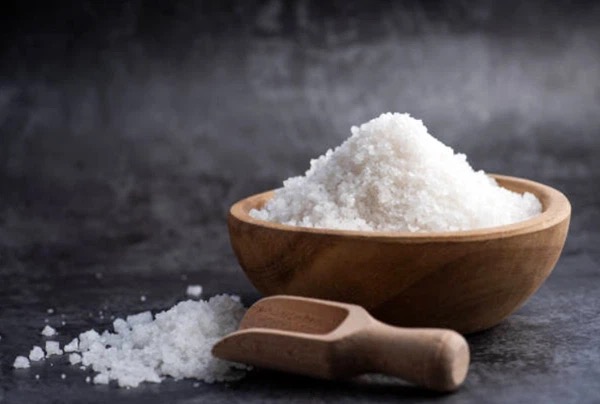
Aspartame is a methyl ester of the amino acids aspartic acid and phenylalanine, synthesized to provide intense sweetness. It's processed for stability and used widely in low-calorie foods and drinks.[1]
Approved by the FDA, EFSA, and WHO, aspartame is safe within acceptable daily intake limits of 40-50 mg/kg body weight. Billions consume it daily without issues, except for those with PKU.[3][4]
Aspartame delivers sugar-like taste with virtually no calories, maintaining carbonation fizz and flavor stability in sodas. It allows for refreshing drinks that align with weight management goals.[2][1]
Aspartame loses sweetness when heated above 30°C, making it suitable for cold or no-bake items rather than traditional baking. Strategic blends with heat-stable sweeteners overcome this.[4]
Natural sweeteners like stevia, monk fruit, or erythritol serve as aspartame alternatives. Factories specializing in blends offer custom OEM solutions for seamless substitution.[6]
[1](https://en.wikipedia.org/wiki/Aspartame)
[2](https://www.webmd.com/diet/what-to-know-about-aspartame)
[3](https://www.eufic.org/en/whats-in-food/article/aspartame-qa)
[4](https://www.fda.gov/food/food-additives-petitions/aspartame-and-other-sweeteners-food)
[5](https://pmc.ncbi.nlm.nih.gov/articles/PMC10459792/)
[6](https://pdf.dfcfw.com/pdf/H3_AP202412131641289648_1.pdf)
[7](https://www.caldic.com/zh-hans-cn/markets/food-beverage/beverage/)


