


Content Menu
● What Erythritol Is Made From
● Fermentation: How Glucose Becomes Erythritol
● Separation and Purification of Erythritol
● Different Production Routes for Erythritol
● Is Erythritol Natural or Synthetic?
● Functional Properties of Erythritol
● Erythritol in Mixed Sweetener Systems
● Quality, Safety, and Regulatory Aspects
● Application Examples for Erythritol
● Process Optimization and Technological Trends
● Market Positioning of Erythritol in Health and Wellness
>> 1. What plant sources is erythritol made from?
>> 2. Is erythritol natural or artificial?
>> 3. How is erythritol different from other sugar alcohols?
>> 4. Is erythritol safe for daily consumption?
>> 5. Why do manufacturers combine erythritol with other sweeteners?
Erythritol is mainly made from plant-based starches such as corn, wheat, or tapioca, which are converted into glucose and then fermented by specific microorganisms to produce this low-calorie sugar alcohol. Erythritol production uses enzymatic hydrolysis and controlled fermentation, followed by purification and crystallization, to obtain high-purity erythritol crystals for foods, beverages, and health products.[1][2]
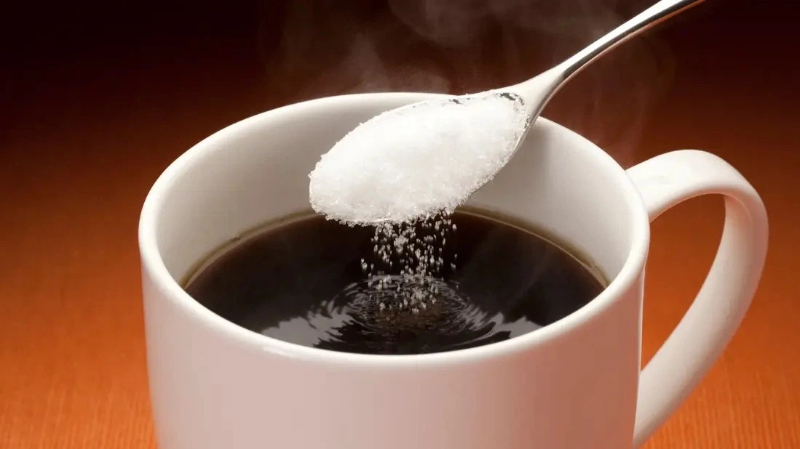
Erythritol is a four‑carbon sugar alcohol (polyol) widely used as a bulk sweetener in reduced‑sugar and sugar‑free products. It typically provides about 60–70% of the sweetness of sucrose but contributes almost no usable calories, because most erythritol is absorbed in the small intestine and excreted unchanged in urine.[2][1]
- Erythritol belongs to the polyol family together with xylitol, sorbitol, maltitol, and others, and its chemical formula is C4H10O4.[1][2]
- Erythritol occurs naturally in small quantities in fruits like melons and grapes, as well as in fermented foods such as wine, beer, and soy sauce, though commercial erythritol is produced industrially.[2][1]
Because erythritol has a mild, clean sweetness and a good safety profile, it has become a key ingredient in many "sugar‑free" or "no added sugar products. Its neutral flavor lets brands build complex sweetening systems without adding off‑notes or bitterness.[1][2]
Most commercial erythritol is made from renewable, plant-derived carbohydrate raw materials. These are rich in starch, which can be efficiently processed into fermentable sugars.[3][1]
- Corn starch is the most common feedstock for erythritol production thanks to its high availability, established supply chains, and favorable cost structure.[3][1]
- Other possible sources include wheat starch, tapioca or cassava starch, and various cereal starches, which can all be hydrolyzed into glucose suitable for erythritol fermentation.[2][3][1]
In every case, the central idea is the same: process a plant starch into glucose, then use microorganisms to convert that glucose into erythritol. This approach allows erythritol to be marketed as plant-based and suitable for many "clean label" or "naturally derived" positioning strategies.[3][1]
The first production stage is transforming starch into fermentable glucose, the direct substrate used in erythritol fermentation.[1][3]
- Refined starch slurry is treated with liquefying enzymes (such as α‑amylase) to break long starch chains into shorter dextrins under controlled temperature and pH.[2][1]
- These dextrins are then further hydrolyzed by saccharifying enzymes (like glucoamylase) to generate a high‑glucose syrup, often exceeding 90% glucose on a dry basis.[1][2]
Enzymatic hydrolysis is preferred to acid hydrolysis because it offers milder process conditions, fewer degradation by‑products, and a cleaner glucose stream. The resulting glucose solution is then filtered and adjusted to match the fermentation organism's nutritional and osmotic requirements.[2][1]

The heart of erythritol manufacturing is microbial fermentation, somewhat comparable to brewing but optimized to produce polyols instead of alcohol.[1][2]
- The glucose solution is inoculated with specific osmotolerant yeasts or fungi, such as Moniliella pollinis, Trichosporonoides megachiliensis, or engineered strains of Yarrowia lipolytica, which can convert glucose to erythritol efficiently.[2][1]
- Process parameters like temperature, pH, aeration, agitation, and sugar concentration are carefully controlled to push the metabolic pathway toward erythritol instead of competing by‑products such as glycerol or mannitol.[4][5][2]
During fermentation, the microorganisms consume glucose and secrete erythritol into the broth, gradually increasing its concentration. In modern industrial systems, a one‑time feeding or fed‑batch strategy is used to balance productivity and yield, and fermentation may run for several tens of hours until erythritol accumulation reaches an optimal level.[5][4]
Once fermentation is complete, the erythritol‑rich culture broth must be clarified and purified to obtain food‑grade or pharmaceutical‑grade crystals.[4][2]
- The first step is solid–liquid separation, typically through centrifugation and microfiltration, which removes yeast cells and other suspended solids.[4][2]
- The clarified liquid then undergoes decolorization (commonly with activated carbon) and deionization (using ion‑exchange resins) to strip pigments, minerals, and residual ionic contaminants.[4][2]
The purified erythritol solution is concentrated under vacuum to increase solid content, then subjected to controlled cooling crystallization. Crystal size distribution is managed by seeding and temperature‑time profiles, and the resulting crystals are separated, washed, and dried. Final milling or sieving can tailor particle size for different applications such as powders, granules, or compactible grades.[4][1][2]
Although fermentation from plant glucose is the mainstream route, three conceptual production pathways are described in the literature.[5][2]
- Extraction from natural sources: Erythritol naturally occurs in some mushrooms and marine algae, but concentrations are low and co‑existing polyols make extraction and purification uneconomical at industrial scale.[5][2]
- Chemical synthesis: Erythritol can be synthesized via catalytic reduction or oxidative cleavage from precursors such as L‑tartaric acid or dialdehyde starch, but these routes often require high pressure, special catalysts, and generate more by‑products, limiting practicality.[5][2]
- Biotechnological fermentation: The favored route uses fermentation of glucose by microorganisms, under moderate temperature and pressure, offering better safety, scalability, and market acceptance as a "biotechnological" ingredient.[5][1][2]
Industry has largely converged on the fermentation method because it combines reliable yields, a plant‑based feedstock, and compatibility with consumer demand for naturally derived sweeteners. As fermentation technology and strain engineering advance, further improvements in erythritol yield, productivity, and cost are expected.[5][2]
Whether erythritol is labeled "natural" depends on regulatory frameworks and certification standards, but its production route helps explain its positioning.[1][2]
- Erythritol is produced from plant‑derived starch via enzymatic hydrolysis and microbial fermentation, a process that many consumers associate with natural or minimally processed ingredients.[3][2][1]
- However, erythritol is an isolated, purified compound made in industrial facilities, so some standards classify it as "nature‑identical" or "derived from natural sources" rather than strictly "natural".[2]
For brands, this nuance is important when designing claims such as "no artificial sweeteners" or "naturally sweetened", which must align with local laws and voluntary certification schemes. Positioning erythritol correctly can enhance transparency and build consumer trust.[2]
The molecular structure and production process of erythritol give it a unique combination of functional and sensory properties in formulations.[1][2]
- Erythritol supplies bulk similar to sugar, enabling it to replace part or all of sucrose in solid products while still contributing texture, volume, and mouthfeel.[1][2]
- It has a clean, sucrose‑like sweetness with a characteristic cooling sensation caused by its negative heat of solution, which can be appealing in mint, chewing gum, and oral‑care products.[2][1]
Erythritol is non‑cariogenic, meaning oral bacteria do not metabolize it into acids that erode tooth enamel, and it is often included in products with dental health positioning. Its very low impact on blood glucose and insulin levels makes erythritol attractive for diabetic, low‑glycemic, and ketogenic formulations.[1][2]
Erythritol often acts as the backbone of blended sweetener systems in food, beverage, and nutraceutical applications.
- When paired with high‑intensity sweeteners such as stevia, monk fruit, sucralose, or acesulfame K, erythritol provides bulk and moderates off‑notes, resulting in a more sugar‑like sweetness curve.[2][1]
- In functional foods, erythritol may be combined with dietary fibers and other polyols to support calorie reduction while maintaining chewiness, structure, and freeze–thaw stability in bars, gummies, and frozen desserts.[2]
These blends help manufacturers meet strict sugar‑reduction targets without sacrificing sensory quality. Erythritol's compatibility with many other sweeteners and texturizing agents makes it a versatile tool in reformulation projects.[1][2]
Global safety assessments have concluded that erythritol is safe for human consumption under approved conditions of use.[1][2]
- The Joint FAO/WHO Expert Committee on Food Additives (JECFA) and other authorities have reviewed toxicity, metabolism, and clinical data and found no significant safety concerns at typical intake levels, with no numerical ADI set in some evaluations.[2][1]
- In the European Union, erythritol is authorized as food additive E968, and it is approved in many other markets including the United States, Japan, and numerous Asian and Latin American countries.[1][2]
Because most ingested erythritol is absorbed rapidly from the small intestine but not metabolized and then excreted largely unchanged in urine, it tends to cause fewer gastrointestinal side effects than many other polyols at comparable doses. Nonetheless, very high acute intakes may still cause digestive discomfort in some individuals, so gradual introduction is advised.[2][1]
Erythritol's plant-derived origin, processing stability, and sensory profile make it suitable for a wide spectrum of applications.[1][2]
- In beverages such as flavored waters, energy drinks, and ready‑to‑drink teas, erythritol can replace part of the sucrose, lowering calories while maintaining mouthfeel and sweetness, often in synergy with stevia or other high‑intensity sweeteners.[2][1]
- In bakery and confectionery, erythritol is used in sugar‑free chocolates, hard candies, fillings, coatings, and baked goods where its crystallization behavior and cooling effect are valuable.[1][2]
Erythritol is also widely used in sugar‑free chewing gum, pastilles, lozenges, and oral‑care products, where non‑cariogenicity and freshness are key selling points. In nutraceuticals, erythritol functions as a direct‑compression excipient for tablets and chewables, providing hardness, low hygroscopicity, and pleasant mouthfeel.[2][1]
As demand for erythritol continues to grow, producers focus on improving process efficiency, sustainability, and product differentiation.[5][2]
- Advances in strain engineering and metabolic pathway optimization help microorganisms convert a higher share of glucose into erythritol, reducing by‑product formation and improving yields.[5][2]
- Process innovations such as optimized aeration strategies, smarter feeding profiles, and integrated downstream operations can reduce energy consumption and water usage while increasing plant throughput.[5][2]
Some producers are exploring the use of alternative feedstocks, such as non‑food biomass streams or more sustainable carbohydrate sources, to further enhance the environmental profile of erythritol. At the same time, differentiated grades of erythritol—such as co‑granulated blends, fast‑dissolving powders, or directly compressible forms—are being introduced to meet specialized formulation needs.[5][1][2]
The way erythritol is made aligns closely with current health and wellness trends focused on sugar reduction and metabolic health.[1][2]
- Many consumers look for reduced‑sugar or sugar‑free options that still taste familiar, and erythritol helps brands meet these expectations without adding significant calories or affecting blood sugar to the same extent as sucrose.[2][1]
- Because erythritol is tooth‑friendly and supports dental health claims, it appears in products aimed at children, oral‑care categories, and functional confectionery.[1][2]
For manufacturers targeting diabetic, ketogenic, or weight‑management segments, erythritol is frequently positioned as a core sweetener thanks to its metabolic and digestive profile. As regulatory and public health initiatives push for lower added sugar in processed foods, erythritol's role in reformulation strategies is likely to expand further.[2][1]
Erythritol is primarily made from plant‑based starches, especially corn, which are enzymatically converted into glucose and then fermented by specialized microorganisms to produce this four‑carbon polyol. Through careful control of fermentation conditions and efficient downstream purification, manufacturers obtain high‑purity crystalline erythritol that delivers clean sweetness, bulk, and functional performance with almost no usable calories.[3][1][2]
The production process—starch hydrolysis, erythritol fermentation, clarification, decolorization, deionization, crystallization, and drying—supports erythritol's position as a plant‑derived, label‑friendly sweetener in foods, beverages, and health products worldwide. Combined with its favorable safety profile and minimal impact on blood sugar, erythritol has become a central tool for sugar reduction, often forming the backbone of blended sweetener systems that balance taste, texture, and nutrition.[4][1][2]
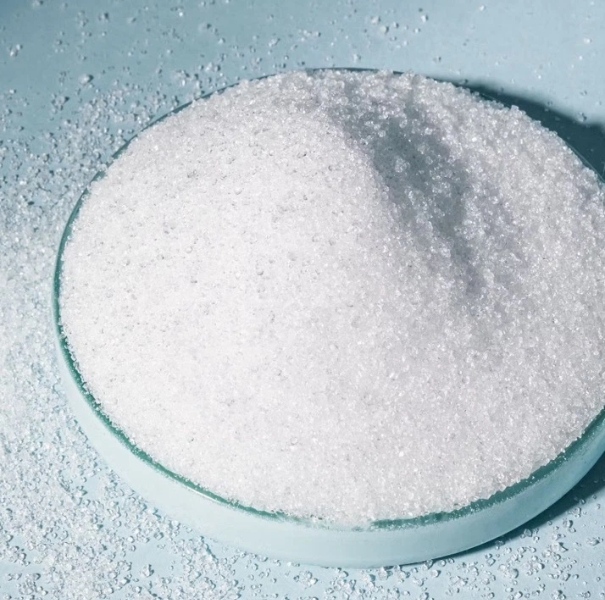
Erythritol is mainly produced from corn starch, which is processed into glucose and then fermented, but other starches such as wheat or tapioca can also serve as carbohydrate sources. These plant-derived materials provide the fermentable sugars that microorganisms convert into erythritol in controlled industrial fermenters.[3][1][2]
Erythritol is often described as naturally derived or nature‑identical because it comes from plant-based starch and is made via enzymatic and fermentation processes similar to those used in brewing. However, it is still a purified, industrially manufactured ingredient, and whether it can be labeled “natural” depends on the specific regulations and standards in each market.[3][1][2]
Compared with many other sugar alcohols, erythritol provides nearly zero usable calories and is largely excreted unchanged, which limits its impact on blood sugar and insulin response. Erythritol also tends to cause fewer digestive issues at typical intake levels than polyols such as sorbitol or maltitol, while still offering bulk and a sugar‑like taste.[1][2]
Safety evaluations by international expert groups and national regulators have concluded that erythritol is safe for use in foods under approved conditions, and some bodies have not set a numerical ADI because of its favorable profile. As with other polyols, extremely high one‑time intakes may cause gastrointestinal discomfort in sensitive individuals, so moderate, gradual consumption is recommended.[2][1]
Manufacturers frequently blend erythritol with high‑intensity sweeteners like stevia, monk fruit, or sucralose to achieve both bulk and sweetness levels similar to sugar while controlling calories and glycemic impact. In such systems, erythritol delivers structure, mouthfeel, and base sweetness, while the intense sweetener fine‑tunes sweetness strength and timing to more closely match sucrose.[1][2]
[1](https://en.wikipedia.org/wiki/Erythritol)
[2](https://pmc.ncbi.nlm.nih.gov/articles/PMC8195806/)
[3](https://elchemy.com/blogs/chemical-market/what-is-erythritol-made-from-a-look-at-its-sources-and-production-process)
[4](https://www.fine-mill.com/info/detailed-description-of-the-production-method-102837261.html)
[5](https://patents.google.com/patent/CN110564782A/en)


