
Views: 222 Author: Sara Publish Time: 2026-01-08 Origin: Site


Content Menu
● Profiles of Popular Artificial Sweeteners
● Safety Debates Surrounding Artificial Sweeteners
● Regulatory Landscape for Sweeteners
● Health Benefits and Practical Tips
● Industry Applications of Sweeteners
● Cutting-Edge Sweetener Research
● FAQ
>> 1. Is Aspartame a Safe Sweetener?
>> 2. Are Natural Sweeteners Superior to Artificial?
>> 3. Do Artificial Sweeteners Cause Cancer?
>> 4. Which Sweetener Suits Diabetics Best?
>> 5. What Are Daily Artificial Sweetener Limits?
Artificial sweeteners provide sweetness without sugar's calories, transforming diets for weight management and diabetes control. As a Chinese factory focused on natural sweeteners, functional polyols, and dietary fibers for food, beverage, and healthcare industries, we deliver blended sweetener development, tablet production, and OEM/ODM services to global manufacturers. Selecting the safest sweetener demands reviewing science, regulations, and real-world use, where natural options like stevia often surpass artificial counterparts in safety and appeal.
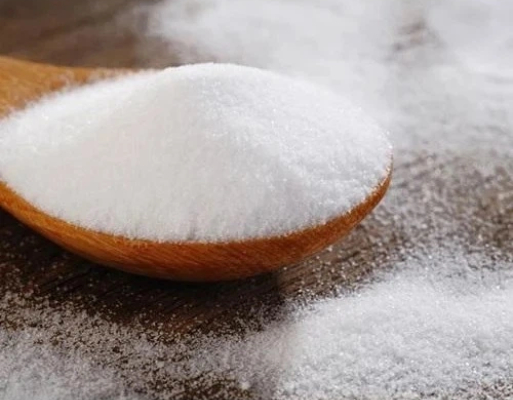
Sweeteners fall into artificial (synthetic) and natural categories, each offering unique profiles for food and beverage applications. Artificial sweeteners such as aspartame, sucralose, saccharin, acesulfame potassium (Ace-K), and neotame deliver 200 to 13,000 times sugar's sweetness with negligible calories, ideal for diet drinks and sugar-free confections. These non-nutritive sweeteners emerged in the 20th century to address obesity epidemics, revolutionizing low-calorie product formulations.
Natural sweeteners, including stevia glycosides and monk fruit mogrosides, derive from plants, providing zero-calorie or low-calorie sweetness alongside potential health benefits. Sugar alcohols like erythritol, xylitol, and allulose—classified as polyols—add bulk and texture mimicking sugar, crucial for baking and chewing gums. Our factory specializes in these natural sweeteners, blending them precisely for superior taste stability in OEM sweetener products.
Regulatory bodies establish acceptable daily intakes (ADIs) ensuring sweetener safety. For example, aspartame's ADI stands at 50 mg/kg body weight, equating to 18-19 cans of diet soda daily for a 70kg adult. Sucralose allows 5 mg/kg, saccharin 5 mg/kg, and Ace-K 15 mg/kg. Natural stevia lacks a strict ADI due to its long history of safe use, underscoring its reliability as a sweetener.
Aspartame, a methyl ester of aspartic acid and phenylalanine, breaks down into amino acids and methanol during digestion—components naturally present in foods like tomatoes. Approved since 1981 after over 100 studies, this sweetener excels in cold beverages but degrades when heated above 85°C, limiting baking uses. Phenylketonuria (PKU) patients must avoid it due to phenylalanine accumulation, but for others, decades of data confirm no links to seizures, headaches, or cognitive issues at typical intakes.
Sucralose, chlorinated sucrose, withstands high heat, making it versatile for cooking and processed foods. About 85% passes undigested through the gut, with the rest excreted unchanged, minimizing metabolic impact. Over 110 safety studies support its use, showing no carcinogenicity, reproductive harm, or neurological effects. Marketed as Splenda, sucralose dominates sweetener blends in yogurts, ice creams, and baked goods.
Saccharin, discovered in 1879, is the oldest artificial sweetener, 300-500 times sweeter than sugar. Early rat studies linked it to bladder cancer, prompting 1980s warnings, but human epidemiology and mechanistic research cleared it—species-specific proteins caused rat tumors irrelevant to humans. Today, saccharin thrives in tabletop packets and oral care products, with no proven risks.
Acesulfame potassium (Ace-K), often paired with aspartame for synergistic taste, resists digestion entirely, passing through unchanged. Approved globally, Ace-K shows no genotoxicity or developmental toxicity in extensive trials. Neotame, the most potent at 7,000-13,000 times sugar's sweetness, requires microgram doses, reducing exposure risks further.
Each artificial sweetener undergoes rigorous testing, yet public skepticism persists due to anecdotal reports and media hype. In contrast, our natural sweetener expertise allows formulation of hybrid blends, marrying artificial potency with plant-based purity for enhanced sweetener safety.
Concerns about artificial sweeteners span cancer, gut health, metabolism, and cardiovascular risks. The National Cancer Institute (NCI) reviewed saccharin, aspartame, and acesulfame, finding no consistent human cancer links despite animal data at extreme doses. WHO's 2023 aspartame assessment classified it as "possibly carcinogenic" (Group 2B) based on limited evidence from three studies showing liver cancer associations at intakes far exceeding ADIs—equivalent to 40+ diet sodas daily.
Observational studies like NutriNet-Santé linked higher artificial sweetener use to 9% increased coronary heart disease risk and strokes, but experts attribute this to reverse causation: unhealthy individuals choose diet products. Randomized trials show no such effects, emphasizing confounders like smoking or inactivity among sweetener users.
Gut microbiome disruptions draw attention—sucralose and saccharin alter bacterial composition in rodents, potentially impairing glucose tolerance. Human studies yield mixed results; some report bloating or diarrhea in sensitive users, but most tolerate sweeteners well. Metabolic paradoxes arise: despite zero calories, artificial sweeteners may trigger cephalic insulin responses via sweet taste receptors, confusing appetite signals and possibly promoting overeating.
Pregnant women, children, and those with IBS exercise caution. Mayo Clinic advises moderation, noting benefits for diabetics outweigh rare risks. Long-term sweetener safety hinges on dosage—stay below ADIs, and artificial options remain viable.
Natural sweeteners address artificial concerns with plant origins and cleaner profiles. Stevia rebaudiana, or sweet leaf, yields rebaudiosides A-M, with Reb A purified to eliminate bitterness. GRAS-affirmed since 2008, stevia boasts 200-400 times sugar's sweetness, zero calories, and no glycemic impact, ideal for diabetics. Clinical trials link it to lowered blood pressure and improved lipids, positioning stevia as a premier sweetener.
Monk fruit (Siraitia grosvenorii), traditional in Chinese medicine, contains mogrosides 250-500 times sweeter than sugar, with antioxidants fighting inflammation. Zero glycemic index and heat stability suit beverages and baking. Luo han guo extracts, as we produce, integrate seamlessly into OEM sweetener blends.
Polyols like erythritol (60-70% sugar sweetness, zero calories) ferment from glucose, promoting dental health by starving cavity-causing bacteria. Xylitol matches sugar's bulk but carries mild laxative risks above 50g daily. Allulose, a rare sugar, caramelizes like sucrose with 70% sweetness and prebiotic effects, revolutionizing low-calorie baking.
Inulin and other dietary fibers pair with sweeteners for gut-friendly synergy, enhancing satiety in healthcare tablets. Our factory's natural sweetener prowess delivers custom polyol-fiber formulations, meeting global clean-label demands. Natural sweetener markets grow 10-15% yearly, outpacing artificials amid consumer shifts.
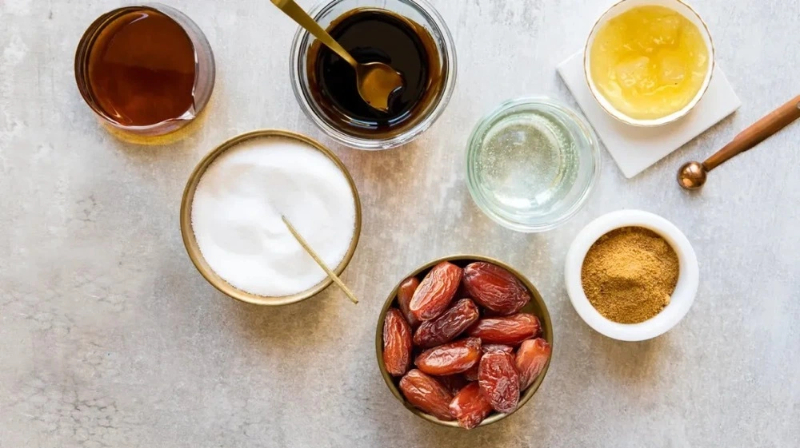
FDA, EFSA, and JECFA harmonize on sweetener approvals. Aspartame survives >200 studies; sucralose >110. Stevia's GRAS status reflects toxicology data showing no adverse effects up to 4% diet levels. China's NHC greenlights both artificial and natural sweeteners for export compliance.
Post-market monitoring refines views—EU's cyclamate ban persists from 1960s data, but core sweeteners enjoy consensus. Natural options face fewer challenges, accelerating adoption in beverages like Coke Life (stevia-sugar hybrid).
For manufacturers, regulatory savvy ensures market access. Our OEM/ODM services navigate approvals, supplying certified sweetener blends for US, EU, and Asia.
Artificial sweeteners aid short-term weight loss by curbing calories—meta-analyses confirm modest BMI reductions. Diabetics leverage glycemic neutrality for better HbA1c control. Natural sweeteners amplify perks: stevia's hypotensive effects, monk fruit's anti-diabetic mogrosides.
Practical choices: aspartame for fountain sodas, sucralose for cooking, stevia for teas. Blend for balance—erythritol masks stevia aftertaste. Our tablet production incorporates precise sweetener dosing for pharmaceuticals and supplements.
Diversify intake, track labels, and prioritize whole foods. Vulnerable groups consult doctors.
Food giants rely on sweeteners: Pepsi Max blends aspartame-Ace-K for fizz. Baking favors sucralose or allulose. Healthcare uses xylitol in lozenges, stevia in protein bars.
Beverage innovations feature natural sweeteners—Pepsi's stevia colas reduce sugar 50%. Our factory scales blended sweeteners from prototypes to bulk, supporting OEM tablet presses for effervescents and nutraceuticals.
Pharma demands precise, stable sweeteners—polyols prevent caking, fibers aid swallowability. Trends toward fermented allulose and high-purity Reb M elevate sweetener performance.
2025 trials explore microbiome modulation—saccharin dysbiosis resolves post-cessation. Natural sweeteners like inulin-oligosaccharides foster beneficial bacteria. Biotech engineers non-bitter stevia via yeast fermentation.
Longitudinal cohorts track CVD endpoints, reinforcing moderation. Our R&D pioneers polyol-synergies, blending for optimal bulking and sweetness.
Moderation defines sweetener safety—approved artificial options like sucralose and aspartame serve well within ADIs, but natural sweeteners such as stevia, monk fruit, and polyols offer superior profiles with antioxidants, gut support, and clean appeal. Evolving science favors naturals amid microbiome insights. Partner with our factory for innovative, regulatory-compliant sweetener solutions elevating food, beverage, and healthcare products globally.
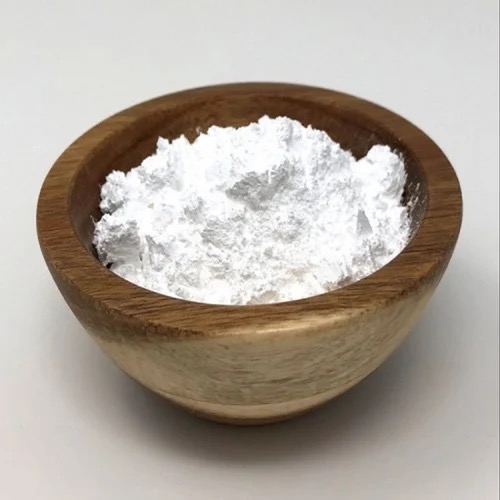
Aspartame proves safe below 50 mg/kg ADI, with extensive studies refuting cancer, neurological, or metabolic risks for non-PKU individuals. Natural stevia provides a compelling alternative sweetener without restrictions.
Natural sweeteners like stevia and monk fruit sidestep synthetic debates, delivering GRAS status, antioxidants, and metabolic benefits ideal for clean-label products.
No causal cancer links exist at human-relevant doses per NCI and WHO reviews; animal data at extremes does not translate.
Stevia, monk fruit, and erythritol excel—zero glycemic impact, no insulin spikes, supporting stable blood sugar.
Aspartame: 10-12 packets; sucralose: 6 cans; saccharin: 9-12. Natural sweeteners tolerate higher volumes safely.


