
Views: 222 Author: Sara Publish Time: 2025-11-17 Origin: Site


Content Menu
● Source and Composition Realities
● Cost and Availability Dynamics
● Taste, Flavor Stability, and Aftertaste
● Digestive Tolerance and Blending Implications
● Glycemic and Metabolic Considerations
● Regulatory and Labeling Nuances
● Supply Chain Risk and Quality Control
● Market Perception, Education, and Brand Messaging
● Practical Formulation Guidance
● FAQ
>> 1. What is the main negative of monk fruit sweetener?
>> 2. Does monk fruit cause digestive issues?
>> 3. Can monk fruit affect insulin or blood sugar?
>> 4. Are there regulatory concerns with monk fruit?
>> 5. How should I formulate monk fruit blends for beverages?
Monk fruit sweetener has gained traction as a natural, low- or zero-calorie alternative to traditional sugars in many food and beverage applications. For international manufacturers and contract-packers who rely on blended sweeteners, understanding the negatives of monk fruit is as important as recognizing its benefits. This article investigates the drawbacks associated with monk fruit sweeteners, with practical considerations for product development, OEM/ODM services, and market-facing communication. The discussion emphasizes how theSweetener blends, supply chain dynamics, regulatory labeling, and sensory performance influence real-world outcomes for health-focused products.
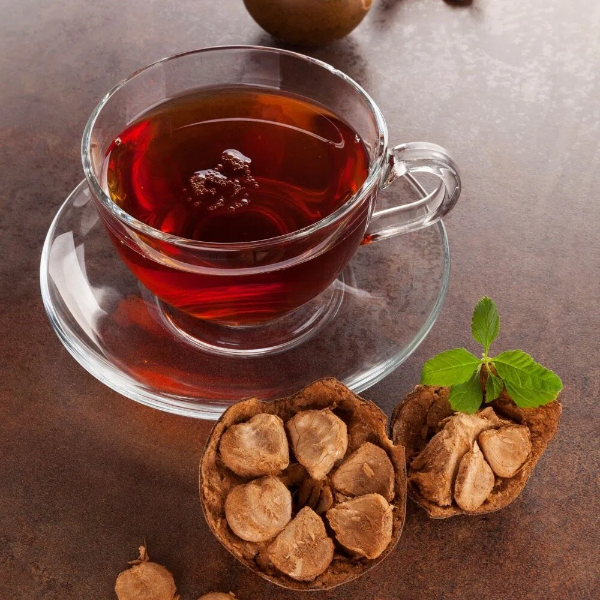
Monk fruit extract contains mogrosides, which deliver intense sweetness without the calories of regular sugar. In commercial practice, many monk fruit products are blends that include bulking agents or other sweeteners to achieve desired sweetness levels, mouthfeel, and cost structures. For manufacturers, this blending reality means that the negatives of monk fruit are frequently intertwined with the properties of added ingredients, making precise formulation and consistent sensory profiles essential for overseas markets. The choice of blend dictates how the final Sweetener behaves in different product categories, from beverages to tablets.
Monk fruit cultivation is region-specific and relatively limited, leading to higher raw material costs and potential pricing volatility. This variability can erode margins for exported products that rely heavily on monk fruit blends. Processing costs—from harvest to purification and drying—also contribute to higher price points compared with some other natural or synthetic Sweeteners. For our overseas clients, the cost-to-value balance is critical: premium positioning must be weighed against price competitiveness in target markets, especially in price-sensitive segments or high-volume SKUs. Additionally, longer lead times and less mature supply chains in certain regions can increase stockouts risk, complicating production planning for OEM/ODM projects.
Monk fruit's taste profile can differ from conventional sugar, particularly at higher sweetness intensities. Some users report a fruity or caramel-like note that may not replicate the familiarity of sucrose, necessitating formulation adjustments or blending with other Sweeteners to approximate sugar-like sweetness. The aftertaste or lingering flavor can vary by product and batch, affecting beverage and dessert applications where clean sweetness is crucial. Blending monk fruit with bulking agents such as sugar alcohols or simple sugars helps achieve better mouthfeel, but these additives can alter flavor perception and nutritional labeling. For developers, this means extensive sensory testing across product formats and regional taste preferences, plus ongoing quality control to minimize batch-to-batch flavor drift.
Pure mogroside extracts are generally well tolerated, but many commercial monk fruit blends incorporate sugar alcohols like erythritol or glucose polymers to adjust texture and sweetness visibility. Sugar alcohols can cause bloating, gas, or digestive discomfort in some individuals, especially at higher intake levels. This digestive angle is particularly relevant for health-focused products sold in regions with sensitive consumer segments or where dosage per serving tends to be higher. From a formulation perspective, managing digestive tolerance means carefully selecting bulking agents, optimizing sweetness equivalence, and communicating usage guidelines to distributors and end consumers. For OEM/ODM collaborations, establishing clear limits on daily intake and providing compliant labeling helps reduce consumer concerns and returns.
Monk fruit sweeteners are often marketed as having negligible impact on blood glucose and insulin response, yet research suggests that effects may vary with formulation and total carbohydrate interactions in a given product. While mogrosides themselves are low in calories and typically do not raise blood sugar, blending choices can influence glycemic response. For products targeted at diabetics or glycemic control programs, it is prudent to include precise nutrition panels and consider downstream labeling that reflects the actual carbohydrate content of the finished Sweetener blend. This requires rigorous batch testing and collaboration with regulatory teams to avoid misinterpretation by consumers or healthcare professionals.
Regulatory landscapes differ by country and region. Monk fruit extract and mogrosides commonly carry GRAS status in the United States and have gained regulatory acceptance elsewhere, but purity standards, allowable mogroside levels, and labeling requirements can vary. When blends are involved, the ingredient list must clearly disclose all components, and nutrition panels should accurately reflect carbohydrate content and caloric value. Overstating health benefits or implying therapeutic effects can invite regulatory scrutiny. For manufacturers working with overseas clients, a proactive compliance program and region-specific labeling templates help ensure consistent claims and reduce the risk of regulatory obstacles during product launches.
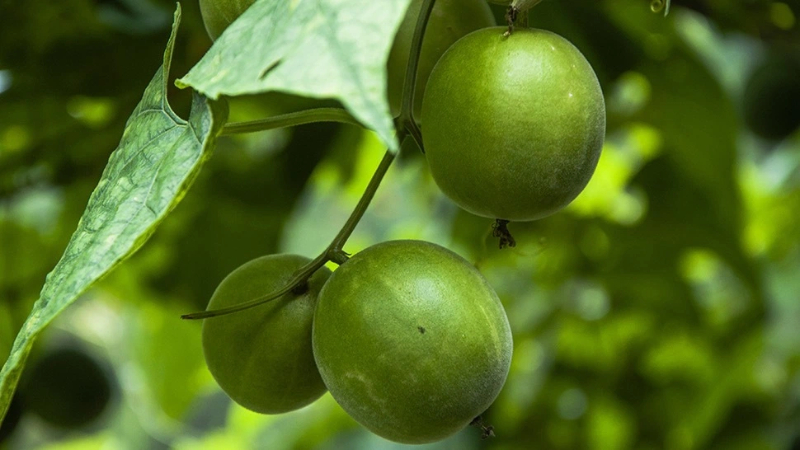
Batch variability in mogroside content can lead to differences in sweetness intensity and flavor across lots. This requires robust supplier specifications, incoming quality control, and strict acceptance criteria to maintain product uniformity in final goods. External risks such as crop yield fluctuations, weather events, or political disruptions can further impact supply stability and pricing. To mitigate these risks for OEM/ODM engagements, it is essential to diversify supplier networks, maintain safety stocks, and implement supplier audits and traceability practices. Transparent communication with overseas manufacturers about potential delays supports better production planning and customer satisfaction.
Despite growing acceptance, monk fruit remains relatively niche in some markets. Consumer familiarity with its flavor profile and pricing may affect product adoption rates, particularly for mainstream foods and beverages. Clear marketing and usage guidance can help manage expectations and reduce perceived negatives. For brands positioning monk fruit-based products as premium or health-oriented, educational content about substitution ratios, cooking stability, and storage conditions can improve user confidence and reduce returns. In competitive landscapes with stevia, erythritol blends, and other non-nutritive Sweeteners, monk fruit's unique aroma and sweetness profile should be presented with transparent ingredient sourcing and test-driven flavor disclaimers.
- Strategic Blending: Work with experienced formulation scientists to identify optimal blends that approximate sugar sweetness while addressing mouthfeel and aftertaste. Consider pre-formulation screening across multiple beverage and bakery matrices to predict performance.
- Sensory Validation: Conduct tiered sensory testing—from trained panels to consumer testing in targeted markets—to calibrate sweetness intensity, flavor clarity, and aftertaste persistence.
- Labeling Transparency: Provide clear ingredient lists and nutrition panels that reflect the final product's carbohydrate content and caloric value, including the contribution of bulking agents if used.
- Supply Chain Resilience: Develop multi-sourcing strategies for monk fruit ingredients and maintain safety stock to cushion price volatility and lead-time fluctuations.
- Regulatory Vigilance: Maintain up-to-date knowledge of regional regulations and ensure that marketing claims align with substantiated data and approved labeling.
- Beverage Applications: For ready-to-drink beverages, monk fruit blends can deliver low- to zero-calorie sweetness with a clean mouthfeel, but flavor balancing is essential to avoid residual aftertaste and flavor drift across batches.
- Bakery and Confectionery: In doughs and pastries, monk fruit blends can contribute to reduced sugar content, but achieving the expected crumb texture and browning often requires careful formulation with bulking agents and stabilizers.
- Health Supplements: In tablet and powder formats, monk fruit offers sweetness without added sugar; however, flow properties, compression characteristics, and packaging stability must be validated for overseas markets.
Monk fruit sweetener presents meaningful advantages as a natural, low-calorie Sweetener, yet its negatives require careful management. High cost and limited availability, taste and aftertaste variations, digestive considerations in blends, regulatory labeling intricacies, and supply chain risks all influence success in overseas markets. By adopting strategic blending, rigorous sensory testing, transparent labeling, and resilient supply chains, manufacturers can deliver monk fruit-based products that meet international demand while maintaining competitive performance and profitability.
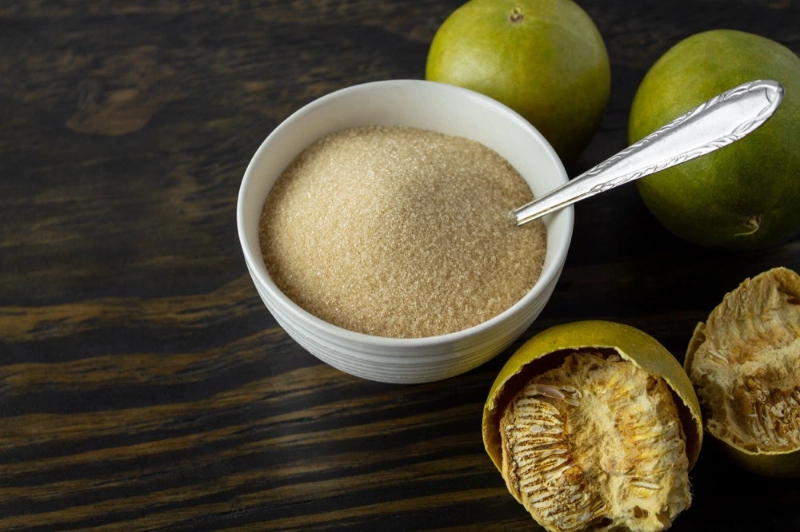
The main negatives are higher cost and limited availability relative to some other Sweeteners, and potential taste differences that may require blending to achieve sugar-like flavor.
Pure mogroside extracts are generally well tolerated, but many commercial blends include sugar alcohols such as erythritol that can cause bloating or stomach upset in some people.
Monk fruit sweeteners typically have minimal impact on blood sugar, but the final effect depends on the overall formulation and carbohydrate content of the finished product.
Regulatory status varies by region; most markets recognize monk fruit as safe, but labeling and approval requirements differ, especially for mogroside content and blend ingredients.
Use carefully calibrated blends with appropriate bulking agents to achieve desired sweetness and mouthfeel, and conduct local sensory tests to ensure consumer acceptance.
[1](https://health.clevelandclinic.org/why-you-should-use-monk-fruit-sweetener)
[2](https://www.medicalnewstoday.com/articles/322769)
[3](https://www.verywellhealth.com/monk-fruit-11734221)
[4](https://www.foodandnutritionjournal.org/volume13number1/the-battle-of-natural-sweeteners-a-comprehensive-guide-to-monk-fruit-and-stevia/)
[5](https://www.healthline.com/health/food-nutrition/monk-fruit-health-benefits)
[6](https://ific.org/insights/everything-you-need-to-know-about-monk-fruit-sweeteners/)
[7](https://www.webmd.com/diet/what-to-know-about-monk-fruit-sugar)
[8](https://www.ncbi.nlm.nih.gov/search/research-news/18310)
[9](https://www.mayoclinic.org/healthy-lifestyle/nutrition-and-healthy-eating/in-depth/artificial-sweeteners/art-20046936)
[10](https://hartfordhospital.org/about-hh/news-center/news-detail?articleId=48177)


